How The Migraine And Anxiety Cycle Worsens Over Time
If you’ve ever found yourself curled up in a dark room, trying to escape a pounding migraine while your thoughts race with worry and fear, you’re not alone. I’ve been there more times than I can count. The connection between migraines and anxiety is more than coincidence—it’s a cycle, and once you’re in it, breaking free can feel like a maze with no exit.
Understanding the Migraine and Anxiety Cycle

Migraines and anxiety feed off each other like toxic besties. When one shows up, the other isn’t far behind. Migraine pain can lead to anxiety—about when the next attack will hit, whether you’ll be able to function at work, or if people around you will understand. That anxiety, in turn, makes migraines more likely, setting up a vicious cycle that can take over your life.
According to the National Institute of Mental Health, anxiety disorders are the most common mental illnesses in the U.S., and people with migraines are disproportionately affected. One study published in the journal Headache found that individuals with migraines are five times more likely to suffer from generalized anxiety disorder.
My Experience with the Spiral
I remember one particular week when deadlines were looming. The anxiety built up slowly, but surely. That gnawing tension in my chest turned into a full-blown migraine by Thursday. I had to cancel plans, miss work, and lie in bed with ice packs and blackout curtains. And the worst part? The fear that it would happen again kept me on edge… which of course, just made it more likely to return.
What Triggers the Cycle?
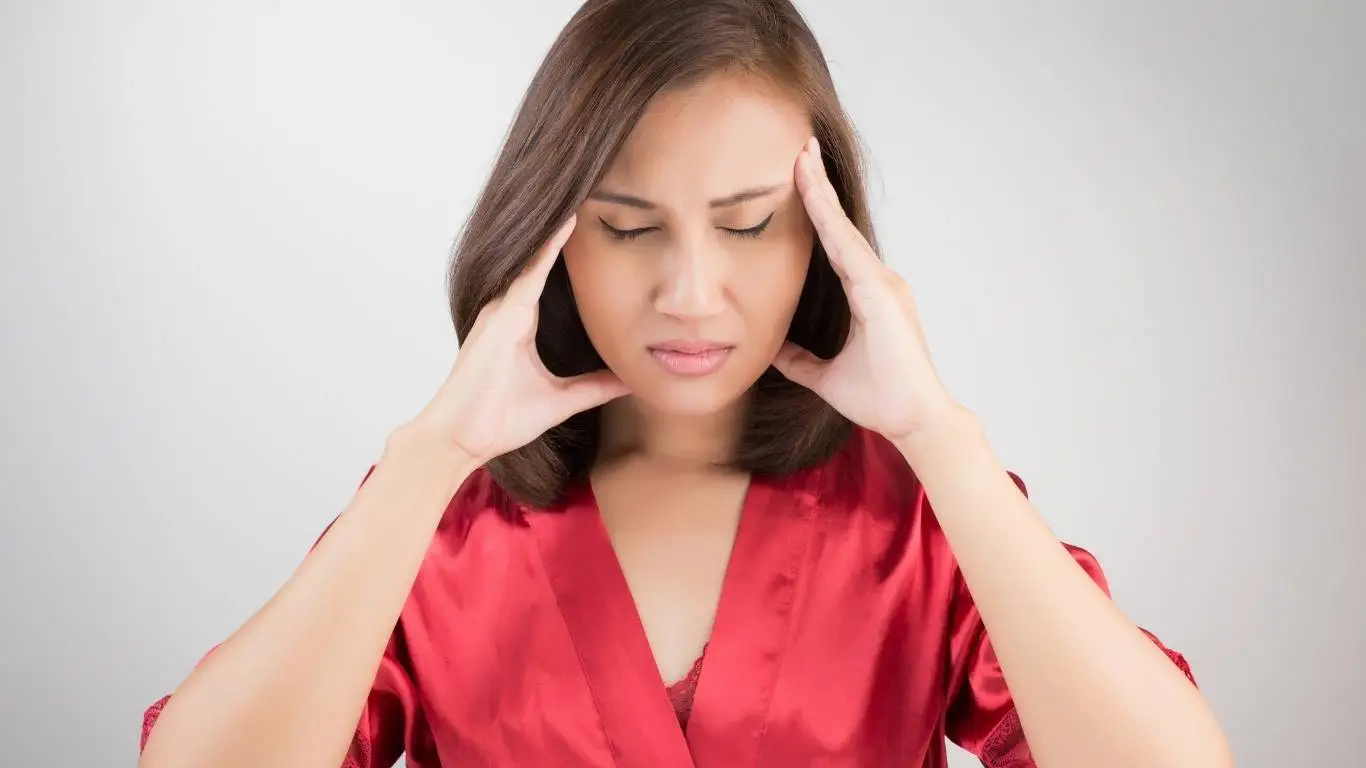
The relationship between anxiety and migraines isn’t just psychological. It’s biological too. Cortisol, the body’s stress hormone, can trigger both anxiety and migraine symptoms when it stays elevated for too long. Add to that poor sleep, skipped meals, and overstimulation—and you’ve got yourself a storm brewing.
Common Triggers
- Stressful life events – moving, job changes, exams, etc.
- Lack of sleep – even one bad night can kick off symptoms
- Dehydration – a sneaky but common trigger
- Overthinking or catastrophizing – mental spirals fuel anxiety
- Skipping meals – low blood sugar can mimic anxiety and trigger migraines
We cover more about migraine triggers here if you want a deeper dive into the usual suspects.
The Physical Connection: Why Anxiety Feels Like a Migraine Warning Sign

Sometimes, I can actually feel the anxiety settle into my shoulders or wrap itself around my neck—and that’s often my migraine cue. It’s like my body knows before my brain catches up. That physical tension is a huge part of the cycle.
How It Plays Out
- You feel stressed or anxious
- Your muscles tense up (especially around your neck and shoulders)
- This tension triggers a headache or migraine
- The migraine pain increases your anxiety
- The cycle repeats, sometimes for weeks
There’s even research suggesting that neck pain is one of the early warning signs in this cycle, especially among people with chronic migraines. I’ve found neck stretches and massage can sometimes interrupt it—but not always.
Anxiety About Migraines Can Be a Trigger Too

This one is wild: just worrying about getting a migraine can actually cause one. I know, I didn’t want to believe it either. But this is why anxiety is so dangerous in the migraine loop. It’s not just a symptom—it becomes a cause.
Some of the most intense attacks I’ve had weren’t because I was overworked or under-slept, but because I was anxious that I’d get a migraine on a big day—like speaking at a conference or taking a long flight. And boom, it hit me hours before I even left the house.
Here’s a deep look at migraine warning signs you might want to bookmark. Recognizing early cues helps reduce the anxiety that feeds into future attacks.
Breaking the Cycle: Small Changes That Actually Help

I’ve tried everything—from prescription meds to standing on one foot while sipping chamomile tea (okay, maybe not that last one). But over time, I found that consistent, small steps have the biggest impact. Nothing instant, but real shifts.
Things That Made a Real Difference
- Tracking both symptoms and triggers using a migraine diary
- Practicing breathwork and body scans when I feel the anxiety creeping in
- Hydration and magnesium supplements—seriously underrated
- Therapy and journaling to process the fear around my migraines
- Learning my own early signs so I could respond before things spiraled
For some people, cognitive behavioral therapy (CBT) has been a game-changer, not just for anxiety but for pain perception too. It’s worth looking into if this cycle has a grip on your life.
If you’re navigating both migraines and anxiety, trust me—you are not making it up. You’re not weak. You’re not “too sensitive.” You’re someone dealing with a neurological condition that comes with real mental health weight. There are answers, tools, and ways to manage it better—even if some days it feels like a losing battle.
Explore more tools and approaches in the main migraine treatment guide or the main migraine pillar page.
How to Manage the Migraine-Anxiety Combo Without Losing Your Mind

Living with both migraines and anxiety can feel like juggling fire while blindfolded. You’re constantly trying not to trigger one thing that will cause the other. But managing both doesn’t always mean doing twice the work—it’s about smarter strategies that tackle both head-on (pun very much intended).
Personally, I used to treat my migraines and anxiety like two separate monsters. One needed ice packs, the other needed deep breathing. But the day I realized they’re often just two faces of the same beast, things got a lot more manageable.
Start with Consistency
Creating a predictable rhythm for your brain and body is one of the best long-term strategies. Routine helps reduce anticipatory anxiety and stabilizes neurological sensitivity, which can prevent migraine episodes.
- Wake and sleep at the same time, even on weekends
- Eat regularly, with balanced meals that include protein, fat, and slow carbs
- Hydrate consistently—don’t wait until you’re thirsty
- Use the same wind-down routine each night to train your body for rest
This approach supports your nervous system and keeps those anxiety spikes in check. There’s more about developing good sleep habits for migraine relief if that’s a sticking point for you.
Using Relaxation as a Tool, Not a Task

Look, I used to roll my eyes every time someone said “just relax.” That phrase never helped me during a panic spiral or when a migraine was brewing behind my left eye. But when I reframed relaxation as a daily practice instead of a last-minute rescue mission, it actually started working.
Simple Practices That Help
- Progressive muscle relaxation (PMR)—tense and release one muscle group at a time
- Box breathing—inhale 4 seconds, hold 4, exhale 4, hold 4
- Guided imagery—visualize a safe, calming place when anxiety builds
- 5-4-3-2-1 technique—engage the senses to ground yourself during aura or early anxiety signs
These don’t take much time, and they can truly stop the spiral before it builds. You’ll find more guidance on CBT and behavioral strategies for migraines that double as anxiety relief too.
Fuel That Fights Back

There’s food that fuels your stress, and then there’s food that calms your brain down. Turns out, magnesium-rich meals (think leafy greens, seeds, dark chocolate) are natural allies in both migraine and anxiety management. I started adding pumpkin seeds to my smoothies—and maybe it’s placebo, but I swear I feel more grounded.
Brain-Boosting Nutrients
- Magnesium – supports neurotransmitters and muscle relaxation
- Vitamin B2 (riboflavin) – reduces migraine frequency in some studies
- Omega-3 fatty acids – known to lower inflammation and stabilize mood
- CoQ10 – supports cellular energy, which helps with fatigue-related anxiety and migraines
You can learn more about B2 and B6 for migraine relief and how magnesium works for both migraines and anxiety.
Don’t Sleep on Movement

Exercise used to intimidate me. I thought it meant running 5 miles and sweating buckets. But gentle movement—like walking, yoga, or stretching—has been my anxiety hack and migraine prevention tool rolled into one.
Just 20 minutes of movement helps regulate mood chemicals like serotonin and endorphins, which play a role in both migraine frequency and anxiety control. Don’t go too hard, especially if you’re in the postdrome phase of a migraine, but gentle, regular activity really helps.
See how yoga helps migraine sufferers calm their systems without overstimulating the brain.
Medication and Supplement Options Worth Knowing

There’s no shame in needing pharmaceutical support. For me, using a mild SSRI alongside a preventative migraine medication helped reset my system enough that I could actually try other lifestyle fixes without crashing.
Options You Can Discuss with Your Doctor
- SSRIs or SNRIs – for long-term anxiety and migraine sensitivity
- Beta blockers – help reduce both physical anxiety symptoms and migraine frequency
- Magnesium, CoQ10, and B2 – natural supplements that support both sides of the cycle
- Abortive meds like triptans – relieve migraines in progress and reduce anxiety about attacks
Read more about prescription options for migraine and what’s worth exploring with a provider. Don’t forget to include a neurologist in your support team—it’s not all on your shoulders.
When It’s More Than Just Migraine or Anxiety

Sometimes, the symptoms aren’t just migraine or anxiety—they overlap so deeply that it’s hard to tell where one ends and the other begins. That’s where comorbid conditions like depression, panic disorder, or even PTSD come into play.
If you notice your anxiety feels more like dread that never leaves, or your migraines are becoming daily, it may be time to explore a more holistic diagnosis. See how depression and migraines link up and what to do if you’re feeling stuck.
Give Yourself a Break—Literally and Mentally

One of the hardest things I had to learn? It’s okay to cancel plans, rest in the middle of the day, or say no to things that feel like too much. The migraine-anxiety cycle is real—and managing it means protecting your energy like it’s gold.
There’s no perfect routine, and flare-ups still happen. But over time, the attacks become less frequent, the fear around them softens, and you begin to feel like yourself again.
If you’re navigating this tightrope, you’re not broken—you’re resilient. And you’re definitely not alone.
For more strategies and everyday tools, check out the migraine prevention hub and our main page on migraines and headaches.

Bianca Nala is a compassionate Nurse Practitioner with a strong background in primary and respiratory care. As a health writer for Healthusias.com, she combines her clinical expertise with a talent for clear, relatable storytelling to help readers better understand their health. Bianca focuses on topics like asthma, COPD, chronic cough, and overall lung health, aiming to simplify complex medical topics without losing accuracy. Whether she’s treating patients or writing articles, Bianca is driven by a single goal: making quality healthcare knowledge accessible to everyone.