
How Migraine And Eye Glasses Pressure Can Make Headaches Worse
If you wear glasses and get migraines, you’re not alone. I used to think it was just me — those dull aches behind the eyes, that creeping tension that spirals into a full-blown migraine. But after years of experience (and way too many headaches), I’ve learned the pressure from your eyewear could be playing a bigger role than you think. Let’s talk about the subtle but very real connection between migraine headaches and eyeglasses pressure.
Can Glasses Really Trigger a Migraine?

Absolutely. It might sound surprising, but poorly fitted glasses can cause more than just a little discomfort. That nagging pressure on the sides of your head or behind your ears? That could very well be setting off a chain reaction that ends in a migraine.
How It Happens
- Temple Pressure: Glasses that grip too tightly on the temples can compress sensitive nerves.
- Bridge Pinch: If your glasses sit wrong on your nose, they can cause subtle sinus pressure.
- Visual Strain: Incorrect prescriptions or lens misalignment can make your eyes work harder, triggering migraines over time.
In fact, I had a pair of frames I loved — stylish, lightweight, and totally wrong for my face. After switching to properly fitted frames, my migraine frequency dropped dramatically. Coincidence? I don’t think so.
Common Eyewear-Related Migraine Triggers

1. Tight Frames and Temples
When frames squeeze your temples, it can compress the superficial temporal artery — a known migraine trigger point. This isn’t just about pain. It’s about blood flow and nerve irritation. If your glasses leave marks or you feel relief when you take them off, they’re probably too tight.
2. Nose Pad Imbalance
Unbalanced nose pads can lead to uneven pressure that builds up subtly. This can mimic sinus pressure — one of the most confusing migraine symptoms — and make it harder to track down the real cause.
3. Incorrect Prescription
Even a slight miscalculation in your lens prescription can put extra strain on your eyes and brain. If you’ve recently updated your glasses and started getting migraines, this could be the culprit. Learn more about how migraines are diagnosed to help identify visual triggers.
4. Blue Light Exposure
Digital screens, fluorescent lights, and even LED lighting at home can emit high-energy visible (HEV) light, also known as blue light. If your glasses don’t block it, you might experience more migraines. Blue-light filtering lenses have helped many people reduce their sensitivity.
5. Lens Distortion
Progressive lenses or high-index prescriptions can cause distortions at the edges. This may lead to spatial disorientation and trigger vestibular symptoms like dizziness or nausea — both common in migraine sufferers. For those experiencing this, vestibular migraines might be worth a deeper dive.
When Migraine Starts Behind the Eyes
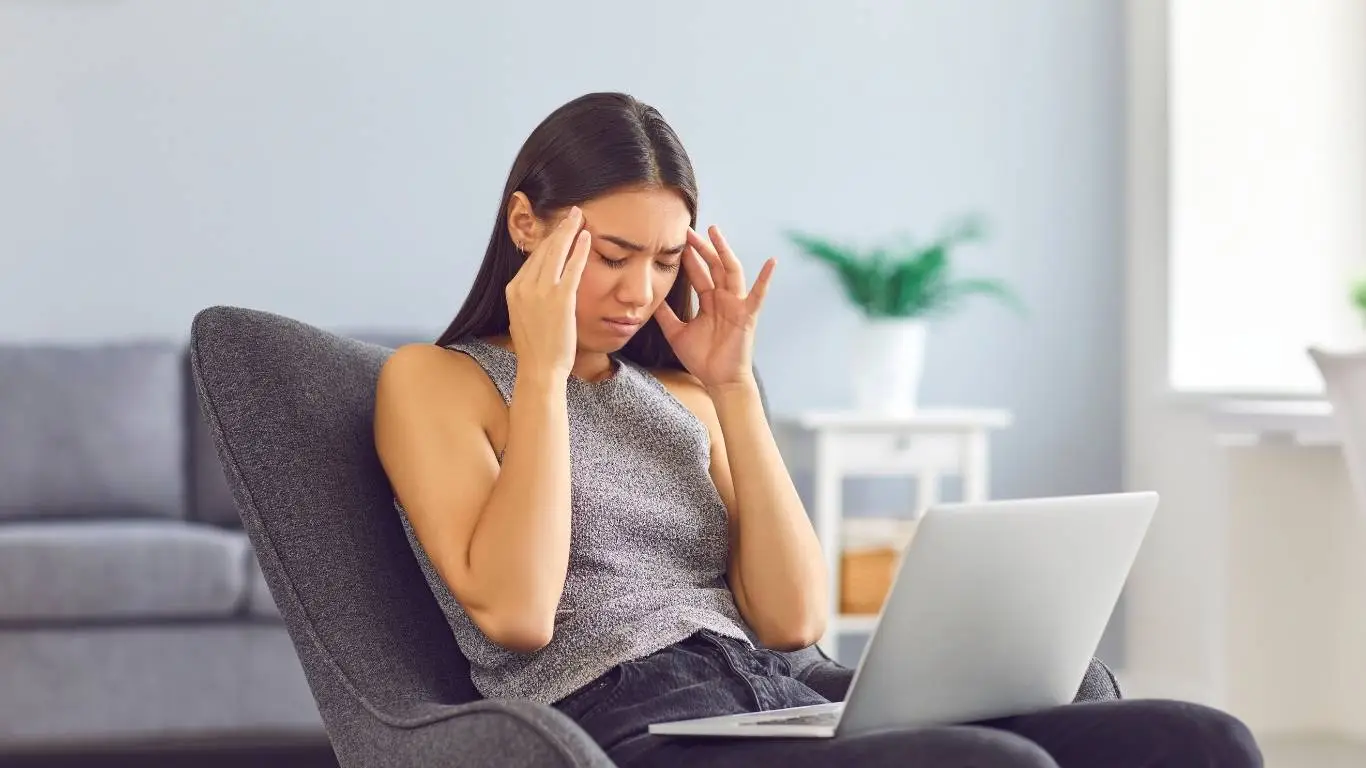
That deep, stabbing sensation behind your eyes? It’s more than eye fatigue. This symptom is often misread as a sinus issue or dry eye, but many times, it’s a classic sign of a migraine with ocular involvement. In these cases, tension from eyeglasses may just tip the scales.
Eye Floaters and Visual Disturbances
Ever noticed flickering lights, floaters, or blurred vision right before a headache hits? These are often early symptoms of migraine aura. Some people also experience light sensitivity or phantom visuals. If you’re seeing patterns or floaters often, it could be worth looking into migraine eye floaters specifically.
Should You See an Eye Doctor or Neurologist?
That depends. If the pain always centers around your eyes or starts shortly after putting on glasses, an optometrist might spot the issue. But if your migraines come with neurological symptoms like dizziness, numbness, or even nausea, it’s time to loop in a specialist. The guide on seeing a neurologist for migraines may help clarify what to expect.
Tips to Reduce Migraine Triggers from Glasses

- Get Your Frames Fitted: Don’t just grab any pair off the shelf. Go to a proper optician who will measure your pupillary distance and adjust your frame width and temple angle.
- Choose Lightweight Materials: Titanium or acetate frames are often more comfortable for long wear. Heavy plastic frames can increase pressure on the nose and ears.
- Use Blue Light Filters: Especially if you spend hours on screens. Filters may not stop migraines entirely, but they can reduce frequency and intensity.
- Take Off Glasses Periodically: Let your face relax. I try to take a 10-minute break every hour when working at the computer — it really makes a difference.
- Keep Prescription Updated: This one’s non-negotiable. I ignored this for a couple of years and paid the price in migraine days.
Could Contacts Be a Better Option?
Maybe — but they come with their own pros and cons. Contact lenses reduce temple and bridge pressure but may dry out your eyes or cause different kinds of strain. Some migraine sufferers do better with no eyewear at all during peak episodes. It’s a personal thing, and you’ll have to experiment.
For a complete breakdown of other physical triggers and sensory stressors that can contribute to migraines, check out this migraine triggers guide. It’s helped me connect dots I didn’t even know were part of the migraine picture.
More importantly, for a deeper dive into tools, adjustments, and solutions beyond just your glasses, take a look at Tools and Devices for Migraine Management — one of the best resources I’ve used to make lasting changes.
If you’re trying to get a fuller understanding of what causes migraines and how your lifestyle choices (like eyewear) interact with it, don’t miss the main migraine resource hub as well — it’s a solid place to start building knowledge from every angle.
When It’s Not the Glasses: Other Vision-Related Migraine Triggers

There’s a trap a lot of us fall into — assuming every migraine tied to our eyes must be from our glasses. But sometimes, the problem isn’t on your face… it’s how your eyes and brain are processing light, depth, and motion.
Binocular Vision Dysfunction (BVD)
This is one of the least-talked-about triggers I wish I’d learned about earlier. BVD occurs when your eyes are slightly misaligned, and your brain works overtime to correct it. That extra strain can lead to chronic migraines, dizziness, even nausea — especially while reading or using a computer. Sound familiar? Migraine-related dizziness might be more common than you think.
Photophobia and Light Sensitivity
Many migraine sufferers (myself included) struggle with light sensitivity — even on days without headaches. Bright overhead lighting or screen glare can turn an ordinary workday into a migraine nightmare. The right lens coating can help, but it’s often not enough without controlling your environment too.
Asthenopia (Eye Fatigue)
Eye strain isn’t always a migraine, but it can quickly become one if left unchecked. The key symptoms — blurred vision, dryness, tension behind the eyes — are often misread as early migraine warnings. If your glasses prescription is off or your screen habits are intense, you could be dealing with chronic asthenopia.
Smart Solutions: Wearables, Devices & Digital Relief

In the last year, I’ve tried almost every migraine gadget under the sun (yes, including daith piercings — 0/10 for me). But what actually helped? A combination of smart wearables and small behavior tweaks.
Blue-Light Filtering Glasses
They’re everywhere now, but not all are created equal. I went through three pairs before finding ones that actually made a difference. If you’re dealing with digital strain, opt for lenses that filter out at least 90% of blue light. Combine that with screen settings like night shift or warm tint modes.
Wearable Neurostimulation Devices
Devices like Nerivio or Cefaly use gentle stimulation to calm overactive nerves. I was skeptical, but they’ve genuinely reduced the number of days I’m down with a migraine. It’s not a fix-all, but for many, it’s a game-changer.
Filtered Lenses for Photophobia
Lenses specifically tinted for migraine-related photophobia (like FL-41) can cut down on migraines triggered by visual stimuli. I use these in brightly lit offices or when driving during peak sunlight hours — they’ve become as essential as my keys.
Smart Glasses: Gimmick or Future?
This one’s still evolving. I tried a pair with light-adaptive lenses and integrated screen tracking. Cool idea, clunky execution. But if they get this right, we’re talking real-time blue light filtering, posture alerts, and possibly even early warning migraine cues. Fingers crossed.
More on top migraine tech tools? This deep dive into migraine relief devices covers the best of what’s currently available (and what’s not worth your time).
What to Tell Your Eye Doctor

If migraines are part of your life, your optometrist needs to know. But it’s not just about saying “I get headaches.” Be specific:
- Describe the location of your pain — behind the eyes, temples, forehead, etc.
- Mention when symptoms occur — after wearing new glasses, extended screen time, or in bright light.
- Note visual symptoms — floaters, aura, flickering, or light sensitivity.
Let them check your pupillary distance, lens tilt, and whether your frames are placing too much pressure on sensitive points. In some cases, a minor tweak to your frames can drastically reduce migraine episodes.
If you feel like no one’s listening or your symptoms aren’t taken seriously, don’t stop there. Read about how to track migraines effectively so that every symptom is documented and presented clearly at your next appointment.
Building a Migraine-Friendly Routine Around Eyewear

- Take Scheduled Eye Breaks: Follow the 20-20-20 rule — every 20 minutes, look at something 20 feet away for 20 seconds. You’ll be shocked how much this helps.
- Adjust Screen Height: Looking down at a laptop all day can cause neck strain, which feeds directly into migraines. Raise your screen and align it with your line of sight.
- Use Proper Lighting: Natural light is ideal. If that’s not an option, opt for soft, indirect LED lighting. Harsh overhead fluorescents? Avoid them like the plague.
- Remove Glasses During High-Sensitivity Periods: When migraines strike, even light frame pressure feels like a vice. During these moments, I rest my eyes — no glasses, low light, minimal stimulation.
- Keep a Migraine Kit: Mine includes a cooling eye mask, dark sunglasses, peppermint roll-on, and magnesium supplements. Add your go-tos.
Can Nutritional Deficiencies Worsen the Impact?
Short answer: Yes. Deficiencies in magnesium, B2, and omega-3s have been linked to more frequent migraines. I didn’t believe it at first either — until I added a daily combo of B2/B6 and magnesium. Within two months, I had fewer attacks, and they were shorter, too.
Diet alone won’t fix everything, but it plays a huge role in supporting how your nervous system reacts to triggers — including the ones caused by your glasses.
Want a Personalized Migraine Eyewear Plan?
You can create your own — or better, collaborate with a nutritionist or eye care specialist familiar with migraines. This guide on migraine diet planning may offer insight into lifestyle shifts that support your treatment holistically.
There’s no single solution for everyone — migraines are messy, unpredictable, and frustrating. But if you’re serious about figuring out how your glasses, screens, and visual habits play into your symptoms, start with the Understanding Migraines resource hub. It’s packed with insights that helped me finally get ahead of the pain.
And of course, don’t forget to explore the comprehensive main migraine guide — because knowledge, when it comes to migraines, really is power.

Bianca Nala is a compassionate Nurse Practitioner with a strong background in primary and respiratory care. As a health writer for Healthusias.com, she combines her clinical expertise with a talent for clear, relatable storytelling to help readers better understand their health. Bianca focuses on topics like asthma, COPD, chronic cough, and overall lung health, aiming to simplify complex medical topics without losing accuracy. Whether she’s treating patients or writing articles, Bianca is driven by a single goal: making quality healthcare knowledge accessible to everyone.