How Migraine and Smell Sensitivity Can Disrupt Daily Life
If you’ve ever had a migraine that made the smell of someone’s perfume feel like a personal attack, you’re not alone. I remember once having to leave a movie theater because someone nearby popped open a bag of buttered popcorn—and just like that, my head throbbed like a drumline. That intense reaction to smells isn’t just being dramatic. It’s a real thing with a name: osmophobia, and it’s surprisingly common in people with migraines.
What is Osmophobia? And Why Does It Matter?
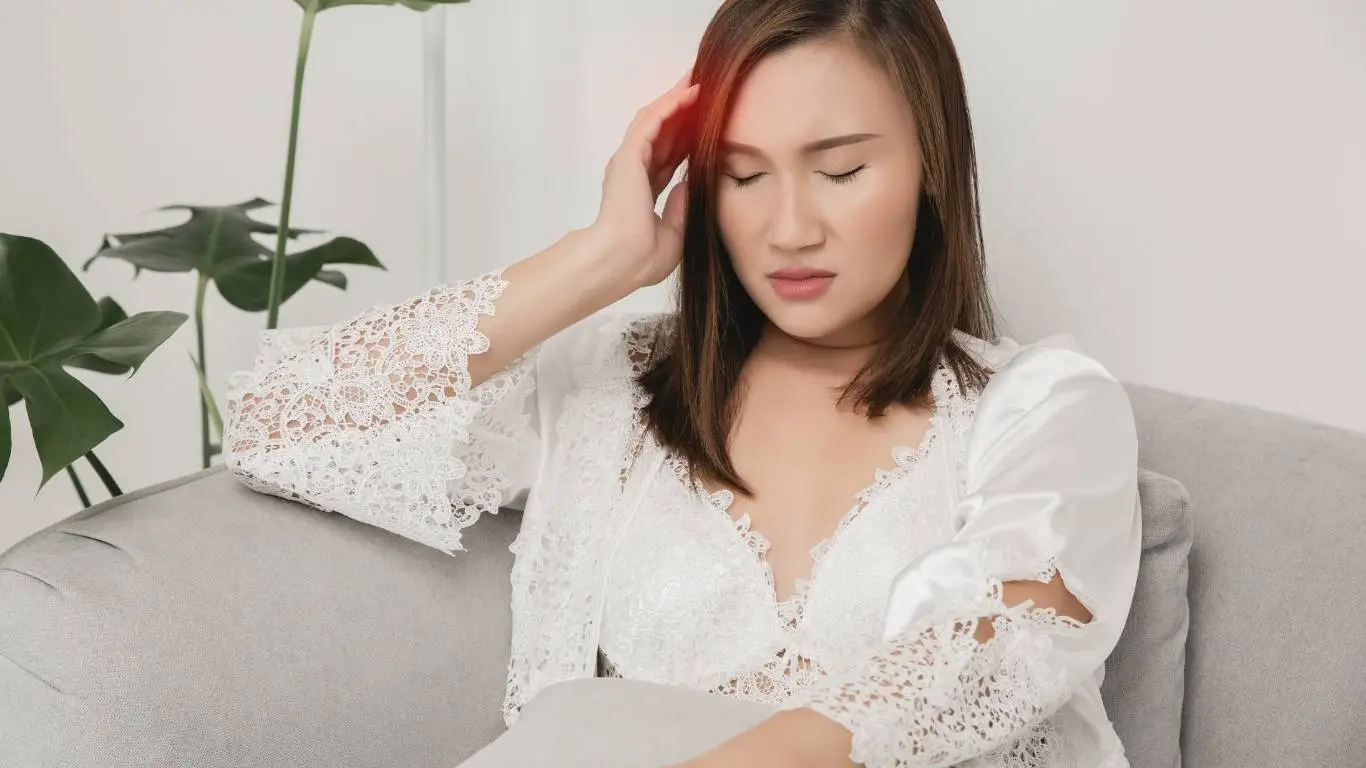
Osmophobia refers to an increased sensitivity—or sometimes aversion—to smells. While it’s not exclusive to migraines, it’s particularly common in those of us who experience migraine attacks. According to the National Library of Medicine, up to 90% of migraine sufferers may report some form of smell sensitivity during their attacks.
The kicker? These smells don’t even need to be unpleasant. Something as innocent as freshly brewed coffee, cleaning supplies, or even someone’s shampoo can send a migraine into overdrive. My personal nemesis? Lavender oil. It’s meant to calm people down, but during a migraine, it sends my senses into chaos.
How Smells Trigger or Worsen Migraines

There’s still a lot researchers are figuring out about why smells trigger migraines, but what we do know is that the olfactory system (the part of the brain responsible for smell) is tightly linked with the limbic system, which regulates emotions and pain perception. When you smell something strong or triggering, your brain might amplify that signal, leading to a full-blown migraine episode.
Common Smell Triggers in Migraine Sufferers
- Perfume or cologne
- Cigarette smoke
- Paint or chemical fumes
- Cleaning products (bleach, ammonia, etc.)
- Food smells (onions, garlic, strong spices)
- Air fresheners and scented candles
For a deeper dive into identifying personal triggers, check out this guide to migraine triggers on Healthusias.
When Smell Sensitivity Strikes: During vs. Before the Migraine

Sometimes, the smell sensitivity shows up as part of the migraine aura. You may suddenly notice a heightened sense of smell—or an overwhelming reaction to ordinary odors—hours before any pain sets in. Other times, it kicks in at the peak of the headache or lingers after the pain fades.
Personally, mine always hit right in the middle. Once, mid-migraine, I opened my fridge and the smell of leftover curry nearly knocked me out. Lesson learned: pre-migraine fridge clean-outs are now a ritual in my house.
Why Some People Are More Sensitive Than Others

There’s likely a genetic component. If you have family members with migraines, chances are higher you’ll also be more sensitive to environmental triggers, including smells. There’s also evidence that those with chronic migraines are more likely to experience heightened smell sensitivity compared to people with episodic migraines. That’s covered well in this chronic vs. episodic migraine comparison.
Neurologically speaking, hypersensitivity in migraine sufferers often relates to an overactive brainstem, which messes with how sensory input like smell is processed. The result? Your brain interprets a harmless whiff of air freshener as a full-blown assault.
Living with Smell Sensitivity: Real-Life Tips That Actually Help

Make Your Space a Scent-Free Sanctuary
- Switch to unscented products: From laundry detergent to deodorant, fragrance-free is your new best friend.
- Use HEPA filters: These can help purify the air of strong smells that trigger migraines.
- Avoid the candle aisle: Trust me—walk the long way around in stores.
Have a Migraine Survival Kit
- Mask or scarf: Useful in a pinch if you’re caught in a cloud of perfume on public transport.
- Mint or eucalyptus oil: Some migraineurs (myself included) find that strong, sharp smells can actually cancel out the triggering ones.
- Essential oil roller: Used carefully and sparingly, this can be a quick rescue tool—just make sure it’s not the trigger!
Don’t forget to track your triggers and patterns. Keeping a migraine diary can make a huge difference over time.
If you’re someone who’s noticed smell sensitivity getting worse, it may be time to take a closer look at your full migraine pattern. Read the in-depth article on understanding migraines to see how your symptoms stack up.
And for a broader look at migraine types, symptoms, and management, explore the main guide at Migraines and Headaches.
How Doctors Approach Smell Sensitivity in Migraine Patients

Here’s the frustrating part: osmophobia isn’t always taken seriously. I’ve had a neurologist brush it off like it was a minor inconvenience. But the reality? When smells keep you from working, socializing, or even walking into a grocery store, it’s a very real quality of life issue.
That said, more specialists are finally starting to factor in smell sensitivity when diagnosing and treating migraines. For example, if you’re experiencing warning signs that include aversion to smells along with visual aura or nausea, it helps your doctor narrow down the migraine type. Some even use your reactions to certain odors as a clue to whether it’s a classic migraine, vestibular, or even a rare type like hemiplegic migraine.
Tracking Symptoms Helps Your Neurologist Help You
One thing that’s helped me is documenting exactly when the smell sensitivity kicks in and what triggered it. When you walk into a doctor’s office armed with specifics like, “I got a migraine two hours after being around gasoline fumes,” it gives them real data to work with—not just vague complaints.
Also, it’s worth exploring how your migraines are officially diagnosed. If you haven’t yet, this breakdown of migraine diagnosis methods is a solid place to start.
Can You Desensitize Yourself to Smells?

In theory, yes. In practice, it’s tricky. Some migraine specialists use a slow exposure method (similar to allergy desensitization) to help patients build tolerance to certain smells. But this approach isn’t well-studied yet and can backfire if not done carefully.
Personally, I’ve had some luck using calming scents in low doses—like peppermint oil—to retrain my brain to associate certain smells with relaxation instead of pain. But I always do a patch test when I’m not in a migraine phase first. I once tried lemon oil on a headache day and spent the next four hours under a blanket in a dark room. Never again.
Therapies Worth Exploring
- Cognitive Behavioral Therapy (CBT) – helps change your brain’s response to triggers.
- Biofeedback – teaches you to control stress responses that can heighten smell sensitivity.
- Acupuncture – has shown promise in reducing the frequency and intensity of migraine episodes.
Some experts on platforms like Mayo Clinic also note that reducing overall migraine frequency through meds or lifestyle shifts can ease sensory symptoms like smell issues over time.
Managing Migraine-Friendly Environments (Even in Public)

Here’s a survival tip: carry a small mask or scarf you can quickly pull over your nose. It’s not foolproof, but it’s saved me more than once in elevators, Ubers, and (ironically) a “scent-free” yoga class. Activated charcoal masks also help filter out harsh odors like perfumes or car exhaust.
Places That Are Common Traps
- Salons and barbershops (hello, hairspray)
- Public restrooms with air fresheners
- Hospitals or clinics (cleaning chemicals)
- Department stores with cosmetic sections
If you’re commuting daily or traveling, check out these travel tips for migraine sufferers that include environment control hacks on the go.
Preventative Steps You Can Take Right Now

You won’t always be able to escape smell triggers, but here’s what has worked for me over the years:
- Switch your cleaning routine: I use vinegar, baking soda, and fragrance-free sprays.
- Control your workspace: An air purifier is my desk buddy, and I’ve politely asked coworkers to skip heavy scents (surprisingly, they’ve been great about it).
- Know your “red flag” smells: The moment I smell nail polish remover or bleach, I bail. No shame.
And don’t underestimate how daily habits stack up. Many lifestyle habits influence sensitivity. Take a look at how sleep issues or hormonal changes might also be playing a role in your episodes. Fixing those underlying issues often helps reduce reactions like smell triggers.
And of course, if you’re still building your understanding of migraine root causes, don’t skip this full trigger breakdown. It’s one of the most practical guides I’ve seen.
Where to Learn More and Take Control

Ultimately, smell sensitivity is just one piece of the migraine puzzle—but it’s one that deserves attention. For me, acknowledging it as a legit symptom—not a weird quirk—was step one. Step two was building routines around it.
Whether you’re newly experiencing osmophobia or you’ve been dodging perfume clouds for years, arming yourself with knowledge is empowering. I’d recommend diving deeper into the natural remedies that target sensory overload and inflammation. And if you haven’t yet, don’t miss the full breakdown on migraine symptoms—there’s a lot of nuance there that might explain more than you think.

Bianca Nala is a compassionate Nurse Practitioner with a strong background in primary and respiratory care. As a health writer for Healthusias.com, she combines her clinical expertise with a talent for clear, relatable storytelling to help readers better understand their health. Bianca focuses on topics like asthma, COPD, chronic cough, and overall lung health, aiming to simplify complex medical topics without losing accuracy. Whether she’s treating patients or writing articles, Bianca is driven by a single goal: making quality healthcare knowledge accessible to everyone.