Why Migraine Fluctuation During Period Feels Unbearable
There’s nothing quite like being hit with a migraine when you’re already dealing with your period. I used to think I was imagining it—those pounding headaches that came like clockwork every month. But no, turns out there’s real science behind it. Hormonal changes during menstruation can cause migraine patterns to shift like wild weather. And if you’re like me, wondering why some months are worse than others, you’re not alone. Let’s dive into why migraine fluctuation during your period isn’t just real—it’s common, and very manageable once you understand what’s going on.
Why Migraines Get Worse During Your Period

Let’s start with the big one: estrogen. That hormone isn’t just responsible for mood swings and bloating—it also plays a massive role in how our brain reacts to pain. Right before your period starts, estrogen levels drop rapidly. For many women, this sudden dip can trigger a migraine episode.
In fact, research published by the National Institutes of Health shows that estrogen withdrawal is a primary cause of menstrual migraines. And it’s not always a clean-cut case of pain during menstruation—it’s the fluctuation itself that throws everything off.
It’s Not Just the Drop, It’s the Rollercoaster
I noticed my migraines weren’t just tied to my actual period. Sometimes they came a few days before, sometimes after. That’s because estrogen doesn’t just fall—it bounces back up post-period. These fluctuations, especially when paired with hormonal imbalances, can make migraine timing unpredictable.
What Makes It Worse: Other Triggers That Tag Along

Let’s face it—your period already comes with enough challenges. But migraines don’t always show up solo. There are other sneaky triggers that can amplify the pain:
- Stress: That tension from PMS? It’s not just emotional—it’s physiological.
- Lack of sleep: Hormonal dips can disrupt sleep, which feeds the migraine beast.
- Dehydration: Blood loss and hormone changes can mess with your fluid balance.
- Skipped meals: Appetite can dip, but missing food is a migraine magnet.
Some women also notice heightened sensitivity to light and sound during their period, which makes these hormonal headaches even harder to ignore.
Recognizing the Signs: Not All Period Migraines Are the Same
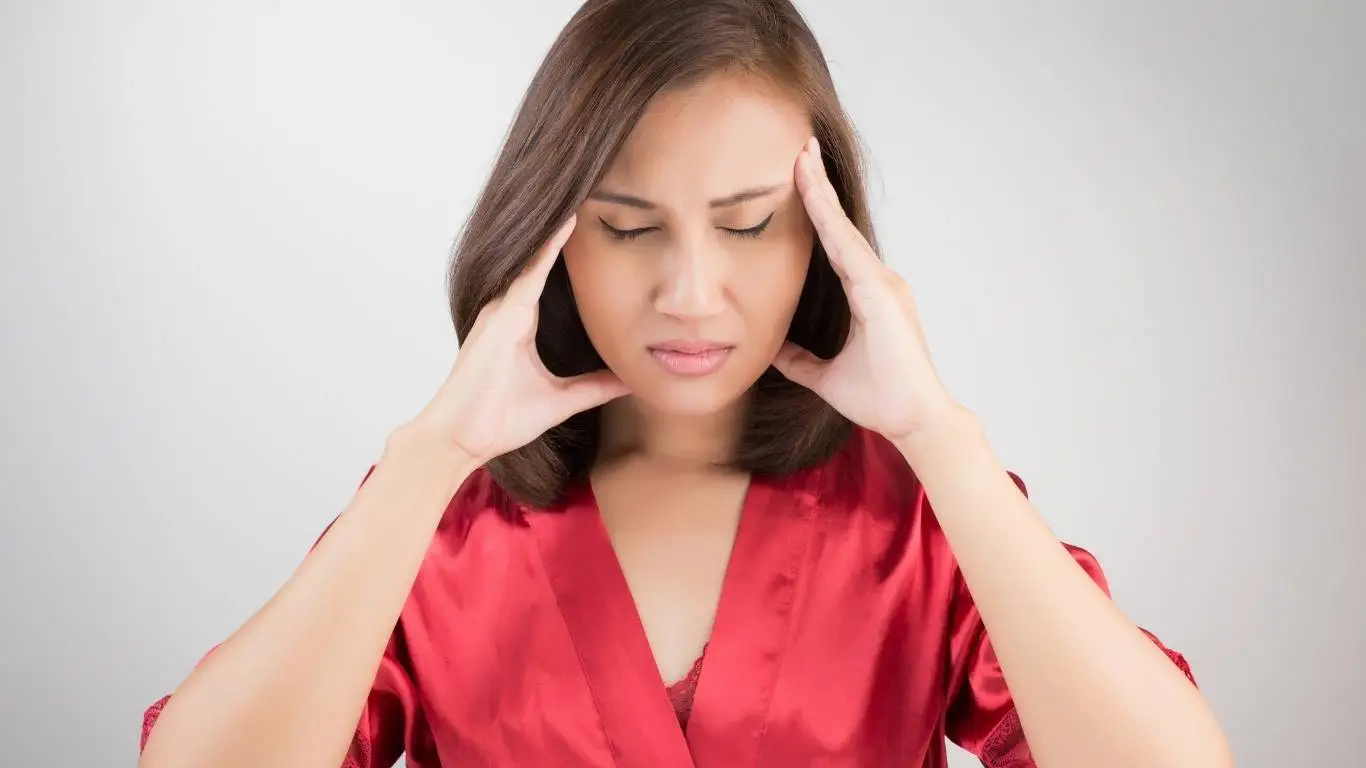
For a while, I didn’t even realize I was getting menstrual migraines. They felt different—heavier, longer, harder to treat. Here are some telltale signs:
- They strike two days before to three days into your period.
- They tend to be more intense and less responsive to medications.
- They can come with nausea, fatigue, and dizziness.
It helped me to track symptoms in a migraine diary for a couple months. Patterns emerged quickly, and once I had that data, my doctor and I could create a plan that actually worked.
How Your Cycle Influences Migraine Intensity
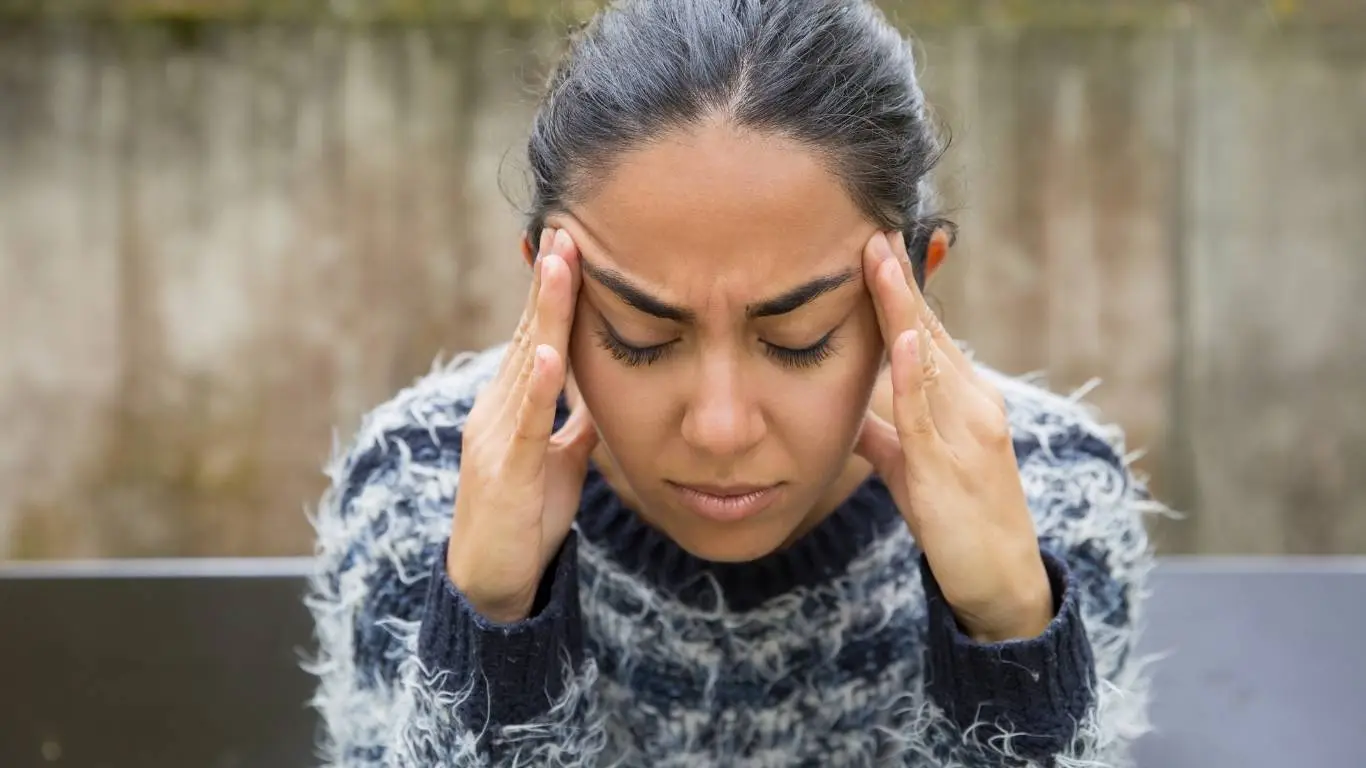
The menstrual cycle has four main phases: menstrual, follicular, ovulation, and luteal. Each one brings a unique hormonal mix that can impact your migraine threshold. The most intense migraines often hit during the late luteal and early menstrual phases when estrogen and progesterone both take a nosedive.
But here’s the kicker—not every cycle is the same. Stress, poor sleep, illness, or diet changes can affect your hormones from one month to the next. That’s why some periods might come with blinding migraines, while others barely make a dent.
When Fluctuations Feel Out of Control
If you’re experiencing extreme variations from cycle to cycle, it could be due to:
- Perimenopause or early menopause
- Polycystic ovary syndrome (PCOS)
- Thyroid issues
- Endometriosis-related inflammation
Hormonal migraines are not always caused by menstruation alone. Sometimes the culprit is an underlying hormonal condition that needs attention.
Talking to Your Doctor: What They Need to Know
I waited way too long to bring this up with my doctor. When I finally did, she wasn’t surprised. She told me that menstrual migraines are underdiagnosed but incredibly common. Here’s what your provider will likely ask you to track:
- Timing of migraines in relation to your cycle
- Intensity and duration of pain
- Other symptoms like nausea, aura, or fatigue
- What treatments you’ve tried—and how they worked
Getting an accurate diagnosis matters because it opens up specific treatments that target hormonal migraines rather than general ones. If you’re unsure where to start, here’s a helpful overview of how migraines are diagnosed.
For even more insight, check out our full guide on migraine triggers and explore the main migraine resource center on Healthusias for practical tools, treatment options, and real stories.
How to Treat Menstrual Migraine Fluctuations
When it comes to treating menstrual migraines, I’ve learned that timing is everything. Waiting until the pain hits? Too late. Once my doctor and I figured out that my migraines were tied to my period, we started treatment a few days before symptoms usually began. Game changer.
Here are a few strategies that helped reduce both frequency and intensity:
- Preventive medications: My doctor prescribed a short-term NSAID course (like naproxen) starting 2–3 days before my period. It actually prevented some migraines.
- Triptans: For breakthrough pain, triptans worked better than over-the-counter meds. Timing was crucial—they worked best when taken at the first sign of an attack.
- Magnesium supplements: I started taking magnesium daily, and it made my cycle-related migraines milder.
According to the Mayo Clinic, magnesium and hormonal stabilization treatments are among the most effective options for women with predictable migraine patterns.
Hormonal Therapies: Should You Consider Them?

If your migraines fluctuate wildly with your cycle, it might be worth having a conversation about hormonal therapies. It’s not for everyone, but it helped a close friend of mine who had debilitating migraines every month.
Some common options include:
- Extended-cycle birth control pills to suppress menstruation entirely
- Hormone patches that keep estrogen levels steady during the cycle
- Progesterone-only methods that avoid estrogen drops altogether
It’s important to note that hormone-based therapies can actually worsen migraines for some people—especially if they have a history of aura. That’s why working with a doctor who understands hormonal migraine triggers is so important.
Natural Remedies That Actually Help

Sometimes, I don’t want to rely solely on medication. And honestly, some of the best tools in my toolkit now are natural, low-effort things I do before and during my cycle.
Here’s what actually made a difference:
- Yoga and gentle stretching—especially neck and upper back work. It helps blood flow and eases tension.
- Magnesium-rich foods like leafy greens, almonds, and dark chocolate.
- Lavender essential oil—a bit on the temples during early symptoms calmed things down.
- Sleep hygiene. I started following a stricter routine during PMS week. No screens before bed, and blackout curtains made a huge impact.
More and more women are turning to holistic support. If you want to explore this route, this guide on natural migraine remedies has some solid, evidence-backed tips.
Preventing Future Flare-Ups

Preventing migraine fluctuation during your period is absolutely possible—but it takes a little strategy. For me, the secret sauce was tracking. Once I could predict the pattern, I could plan for it.
Try this:
- Use a migraine tracking app or even a basic journal to note timing, symptoms, and triggers.
- Prepare your body the week before. Eat consistently, stay hydrated, get sleep, and limit stress.
- Talk to a nutritionist about anti-inflammatory diets. I found my migraines reduced when I cut processed sugar and refined carbs.
If you’re tech-savvy, try integrating data from migraine apps or smartwatches. It makes a big difference when you’re working with your doctor on a longer-term plan.
When to Worry: Red Flags Worth Mentioning

While menstrual migraines are common, there are some signs that mean you should seek medical advice ASAP:
- Sudden-onset migraine that feels different from usual
- Migraine that occurs with slurred speech, weakness, or visual blackout
- Headaches that last more than 72 hours without relief
- Changes in migraine timing or intensity post-40
These could indicate more than hormonal fluctuation—they might suggest comorbid conditions or neurological issues that need immediate evaluation.
And remember, understanding how migraines work is the first step toward control. Don’t let monthly migraines run your life when there are solutions available.
For a complete breakdown on menstrual migraine causes, symptoms, and management, visit our full migraine prevention guide and explore more insights from our main resource at Healthusias.com.

Bianca Nala is a compassionate Nurse Practitioner with a strong background in primary and respiratory care. As a health writer for Healthusias.com, she combines her clinical expertise with a talent for clear, relatable storytelling to help readers better understand their health. Bianca focuses on topics like asthma, COPD, chronic cough, and overall lung health, aiming to simplify complex medical topics without losing accuracy. Whether she’s treating patients or writing articles, Bianca is driven by a single goal: making quality healthcare knowledge accessible to everyone.