Why Migraine Pain Behind One Eye Feels Worse Than Usual
It started with a dull ache, right behind my right eye — just a whisper of discomfort. Within an hour, I was squinting at the light, struggling to concentrate, and wondering why this particular pain felt different. If you’ve ever dealt with migraine pain behind one eye, you’ll know exactly what I mean. It’s not your typical headache. It lingers, pulsates, and sometimes even feels like it’s burrowing into your skull. What’s worse is how it quietly disrupts your entire day before you realize what’s happening.
What Does Migraine Pain Behind One Eye Feel Like?

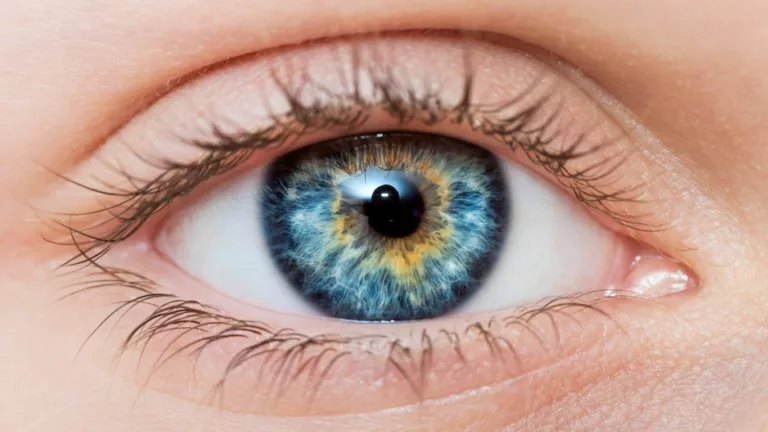
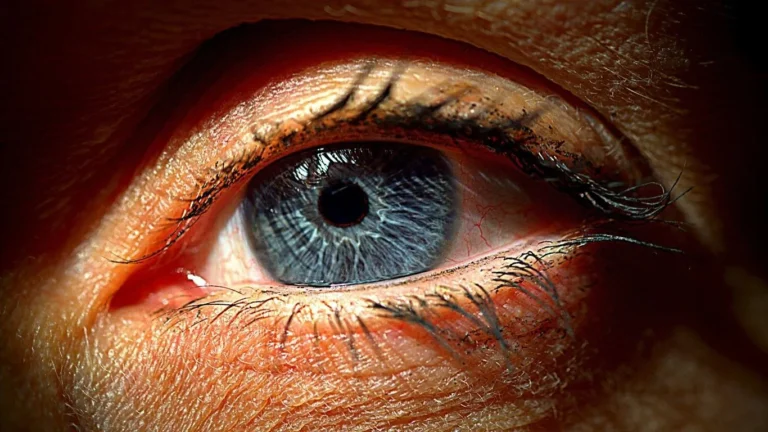
Migraine pain localized behind one eye can be deceptive. It might masquerade as sinus pressure, eye strain, or even a tension headache. But this kind of migraine typically delivers a throbbing, stabbing, or drilling sensation behind one eye socket. It may be accompanied by visual disturbances like flashing lights, blurry vision, or floaters. Some people, myself included, describe the sensation as if the eye is being pushed outward from within.
Why One Eye?
Migraines often affect one side of the head due to how the trigeminal nerve processes pain. When inflammation or dilation occurs in blood vessels along this nerve, the result is pain that radiates near or behind the eye. I used to think it was just a coincidence — always the same eye — but the consistency is actually pretty common among migraine sufferers.
Common Symptoms You Might Notice
- Throbbing or pulsating pain behind one eye
- Light or sound sensitivity
- Nausea or dizziness
- Eye watering or eyelid drooping
- Facial numbness or tingling
What Triggers Migraines Behind One Eye?

When I first began tracking my episodes, I realized that certain triggers lined up almost every time. Migraines that target one eye often share the same culprits as other types of migraines, but some seem to uniquely aggravate this particular kind of pain. Here are some common triggers to watch out for:
- Stress and Fatigue: Probably the most consistent trigger in my own life. Long workdays and emotional stress often led to migraines on the same side of my head.
- Sleep Irregularities: Whether too much or too little sleep, the imbalance can set off pain behind one eye. Sleep hygiene really makes a difference.
- Eye Strain: Hours staring at screens without a break? Recipe for disaster. Blue light is no friend of migraine sufferers.
- Dehydration: Skipping water throughout the day — something I’m guilty of — has led to intense, one-sided migraines for me more than once.
- Hormonal Changes: For many women, menstrual cycles play a role in migraine frequency and severity.
Diagnosis: Is It a Migraine or Something Else?

Here’s the tricky part. When pain is focused behind one eye, it can easily be confused with sinus headaches or even eye problems. I actually visited an optometrist before I realized what I was dealing with was migraine-related. The best way to know for sure? Keep a record of your symptoms and talk to a specialist. Tools like a migraine diary can help you track patterns over time and identify whether it’s truly a migraine or something else entirely.
When to See a Doctor
While occasional migraines behind one eye might be manageable with lifestyle changes, you should definitely seek medical advice if:
- You’re experiencing frequent episodes (more than a few times a month)
- You notice changes in vision, speech, or balance
- The pain is severe and sudden — like a thunderclap
- Over-the-counter meds no longer work
Treatment Options That Actually Help

Managing migraine pain behind one eye isn’t a one-size-fits-all situation. I’ve gone through my fair share of trial and error. Here’s a breakdown of options that have worked — both for me and according to experts:
Over-the-Counter and Prescription Meds
- NSAIDs: Ibuprofen or naproxen can help, but timing is everything — take it early.
- Triptans: Often prescribed for migraines, especially when OTC options fail.
- CGRP Inhibitors: A newer class of medication designed specifically for migraine prevention.
Natural Remedies & Lifestyle Hacks
- Hydration: Keep a refillable bottle nearby — I keep one at my desk and bedside.
- Blue-light glasses: Absolute game-changer for screen-heavy days.
- Gentle yoga and breathwork help with stress management and circulation.
- Magnesium supplements: I was skeptical at first, but they noticeably reduced frequency over a few weeks.
For a deeper dive into options like these and other evidence-based treatments, the migraine treatment guide covers everything from medications to holistic approaches.
Also, don’t miss this in-depth resource: migraines and headaches main guide — it’s loaded with foundational info that supports long-term management.
Prevention: The Art of Staying One Step Ahead

Here’s the thing — once you’ve experienced migraine pain behind one eye, you’ll do just about anything to avoid it happening again. That’s why prevention has become my secret weapon. I used to only think about migraines when they showed up. Now, I’m playing offense, not defense. And it’s made all the difference.
Daily Habits That Make a Big Impact
- Consistent sleep schedule: I underestimated this for years. Going to bed and waking up at the same time is powerful migraine insurance.
- Meal timing: Skipping meals or going too long without eating? Big no. I now keep migraine-friendly snacks handy, especially when I’m on the go.
- Screen breaks: The 20-20-20 rule (every 20 minutes, look 20 feet away for 20 seconds) has saved my eyes more times than I can count.
- Hydration and supplements: I’ve worked omega-3s and B2 vitamins into my routine with noticeable improvement.
Know Your Triggers (Then Outsmart Them)
Learning your personal migraine triggers is like solving a puzzle. Some of mine include sudden weather shifts and artificial scents. Others might have caffeine sensitivity or hormonal fluctuations to contend with. For a better grasp of what might be setting you off, check out this detailed guide on hormonal migraine triggers.
Smart Tools & Devices That Actually Work

I’ll admit, I was skeptical about tech helping my migraines. But a friend recommended trying some of the newer gadgets, and I’m glad I listened. I now use a wearable device that delivers gentle electrical pulses — it sounds weird, but it genuinely helps when used early. Here are some others worth exploring:
- Nerivio wearable: Smartphone-controlled and FDA-cleared.
- Smartwatch trackers: Great for identifying patterns between sleep, stress, and migraine frequency.
- Other relief devices like Cefaly or even cooling caps for pain management.
Tech won’t replace good habits, but it’s an amazing ally when the pain sneaks up on you anyway.
When Migraines Are More Than Just Headaches

What makes migraines — especially ones behind the eye — so frustrating is how invisible they are. From the outside, no one sees the war going on inside your skull. But for many of us, migraines aren’t “just headaches.” They come with a heavy emotional and cognitive toll. I’ve had to cancel plans, miss work, and explain the same things over and over. “It’s not just a headache.” If that sounds like you, you’re not alone.
Comorbid Conditions
Migraines often travel with other conditions. I didn’t realize until I dug into research that my anxiety and occasional low moods weren’t isolated — they were often entangled with my migraine cycle. There’s real science behind that. The brain chemistry overlaps significantly, and addressing one can help ease the other.
When It’s Time to Call in a Specialist
If your migraine pain behind one eye starts becoming chronic or increasingly intense, it might be time to level up your care. Neurologists and migraine specialists can offer targeted treatment plans and diagnose rare subtypes like hemiplegic migraines or vestibular migraines. One appointment changed my whole game plan.
Everyday Hacks That Add Up

Some migraine-relief tricks are surprisingly low-tech and budget-friendly — and honestly, those are some of my favorites. Here’s what’s worked for me:
- Cold compresses: I keep a gel mask in my freezer at all times. It’s a lifesaver during flare-ups.
- Dark room retreats: Just 30 minutes in a dark, quiet room can sometimes stop a migraine from escalating.
- Aromatherapy: Peppermint or lavender oil helps. I rub a little on my temples — instant tension reducer.
- CBT therapy: Helped me better manage the anxiety and fear cycle that comes with chronic pain.
It’s about finding your rhythm and being kind to yourself — something I had to learn the hard way.
Living With It, Not Against It

Some days, I still get blindsided. But now I’m equipped — physically and mentally — to handle it better. Living with migraine pain behind one eye doesn’t mean you give up your quality of life. It just means you approach it differently. You plan smarter. You adjust. And you build a support system that includes reliable resources and real strategies.
For a more comprehensive view of what’s working today in migraine prevention, this guide on migraine prevention is worth bookmarking. And of course, everything connects back to the broader migraine conversation here: the main migraine hub.

Bianca Nala is a compassionate Nurse Practitioner with a strong background in primary and respiratory care. As a health writer for Healthusias.com, she combines her clinical expertise with a talent for clear, relatable storytelling to help readers better understand their health. Bianca focuses on topics like asthma, COPD, chronic cough, and overall lung health, aiming to simplify complex medical topics without losing accuracy. Whether she’s treating patients or writing articles, Bianca is driven by a single goal: making quality healthcare knowledge accessible to everyone.