
Why Migraine Postdrome Fatigue Lasts Longer Than Expected
Ever felt like your migraine ended… but your body didn’t get the memo? Yeah, same here. That awful cloudiness, the crushing fatigue, and that weird sensation of just not being “right” — that’s not your imagination. It’s something called postdrome, often dubbed the migraine hangover. And trust me, it’s real, it’s draining, and it deserves more attention.
Understanding Migraine Postdrome: The Phase No One Talks About

So, your migraine ends — the throbbing pain, the nausea, the light sensitivity — all gone. But what’s this? You’re still wiped out, foggy, and just not functioning at your best? That’s the postdrome phase, and it can last anywhere from a few hours to several days.
In my case? The fatigue lingers like a bad party guest. I can feel completely useless the next day, sometimes even 48 hours later. And turns out, I’m not alone. According to clinical studies, over 80% of migraine sufferers report postdrome symptoms — with fatigue being the most stubborn of them all.
Why Does Fatigue Linger After a Migraine?
The brain goes through a lot during a migraine. From neurotransmitter changes to inflammation and disrupted brain activity, your body essentially goes to war. Once the pain stops, your system doesn’t bounce back instantly — it’s more like a reboot in slow motion.
Think of it like this: after a storm, the skies may clear, but there’s still cleanup to do. That’s postdrome.
Common Symptoms of Migraine Postdrome (Fatigue is Just One)

- Fatigue: Often described as bone-deep tiredness. Like, no-coffee-can-save-you kind of tired.
- Brain Fog: Trouble concentrating, memory blips, or feeling mentally “off.”
- Body Aches: Not quite pain, but soreness in muscles and joints.
- Depressed Mood or Irritability: Your mood may feel flat or edgy.
- Cravings or Appetite Changes: Some people crave sugar or salty snacks post-migraine.
Interestingly, the early warning signs of a migraine often mirror postdrome symptoms. That’s why tracking patterns with a migraine diary is key. It helped me realize I wasn’t crazy for feeling like a zombie 24 hours after the actual migraine attack.
How Long Does Migraine Postdrome Fatigue Last?

Here’s the frustrating part: the postdrome phase can vary wildly. Some folks feel better in a few hours, others — like me — may drag through 1 to 3 days of feeling like a deflated balloon. On average, studies show the postdrome phase lasts 24 to 48 hours, but it could stretch longer depending on:
- Severity of the migraine
- Sleep quality during and after the attack
- Hydration levels
- Stress and hormonal fluctuations
- Whether medications were taken (and which ones)
If your migraine was triggered by sleep deprivation or hormonal shifts, the fatigue afterward may be worse. For me, a migraine that hits during my period practically guarantees a 2-day recovery window.
More details on how hormonal shifts affect this phase can be helpful if you’re noticing patterns tied to your cycle.
How to Manage Migraine Hangover Fatigue

No magic pill exists for the postdrome — believe me, I’ve searched — but certain habits can make a difference:
1. Respect the Fatigue
This one’s hard, especially if you’re busy (who isn’t?), but pushing through often backfires. I’ve learned to schedule rest when I know a migraine is brewing.
2. Rehydrate Like a Pro
Dehydration makes fatigue worse. Coconut water, electrolyte packets, and plain ol’ H2O help flush the system.
3. Nourish, Don’t Nibble
Your body’s recovering, not dieting. Focus on nutrient-dense foods rich in magnesium and B-vitamins. A great guide on this is here: foods that help migraines.
4. Gentle Movement, If You Can
Sometimes a short walk does wonders. Just don’t force it. It’s about circulation, not calorie burn.
5. Track Your Recovery Patterns
Tools like migraine diaries or even tracking apps can help you predict your personal postdrome window — and plan accordingly.
For a broader understanding of treatment strategies, check out this comprehensive migraine treatment guide from Healthusias.
And if you want to step back and explore how all this fits into the bigger picture of migraine experiences, the main resource on migraines and headaches is worth bookmarking too.
When Postdrome Fatigue Is More Than Just Recovery
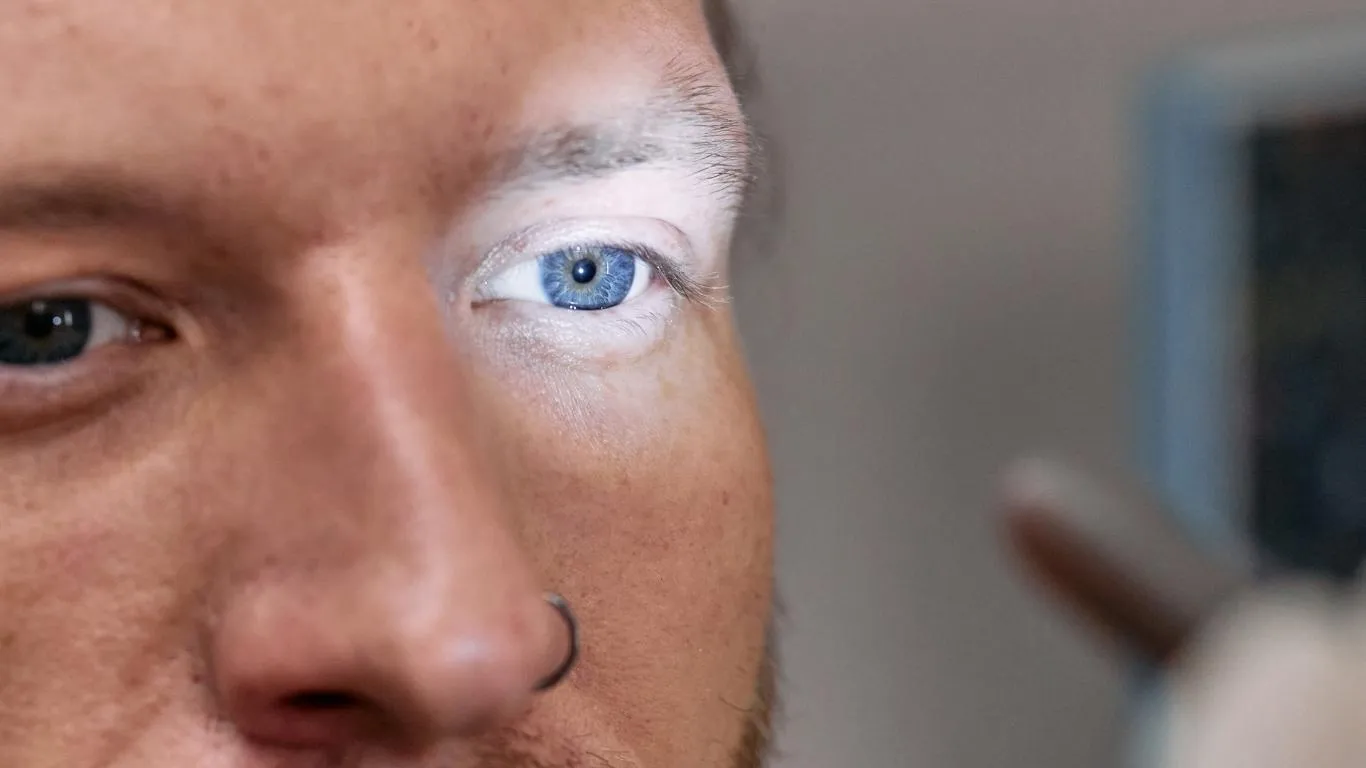
Ever had one of those post-migraine days where you wonder, “Should I still feel this wiped out?” Same. If you’re regularly dealing with postdrome fatigue that stretches beyond 72 hours, or it’s affecting your work, relationships, or mental health, it’s time to look deeper.
Fatigue is often part of the ride, but sometimes it’s a signal. Conditions like sleep disorders, anxiety, or even vitamin deficiencies can magnify the exhaustion. In my case, low iron turned out to be a sneaky culprit — once I corrected that, my bounce-back got noticeably quicker.
It’s also worth considering comorbidities like fibromyalgia or chronic fatigue syndrome. If post-migraine tiredness feels debilitating more than just draining, talk to a provider who knows migraine beyond the basics.
Track It to Tame It: Postdrome and Patterns
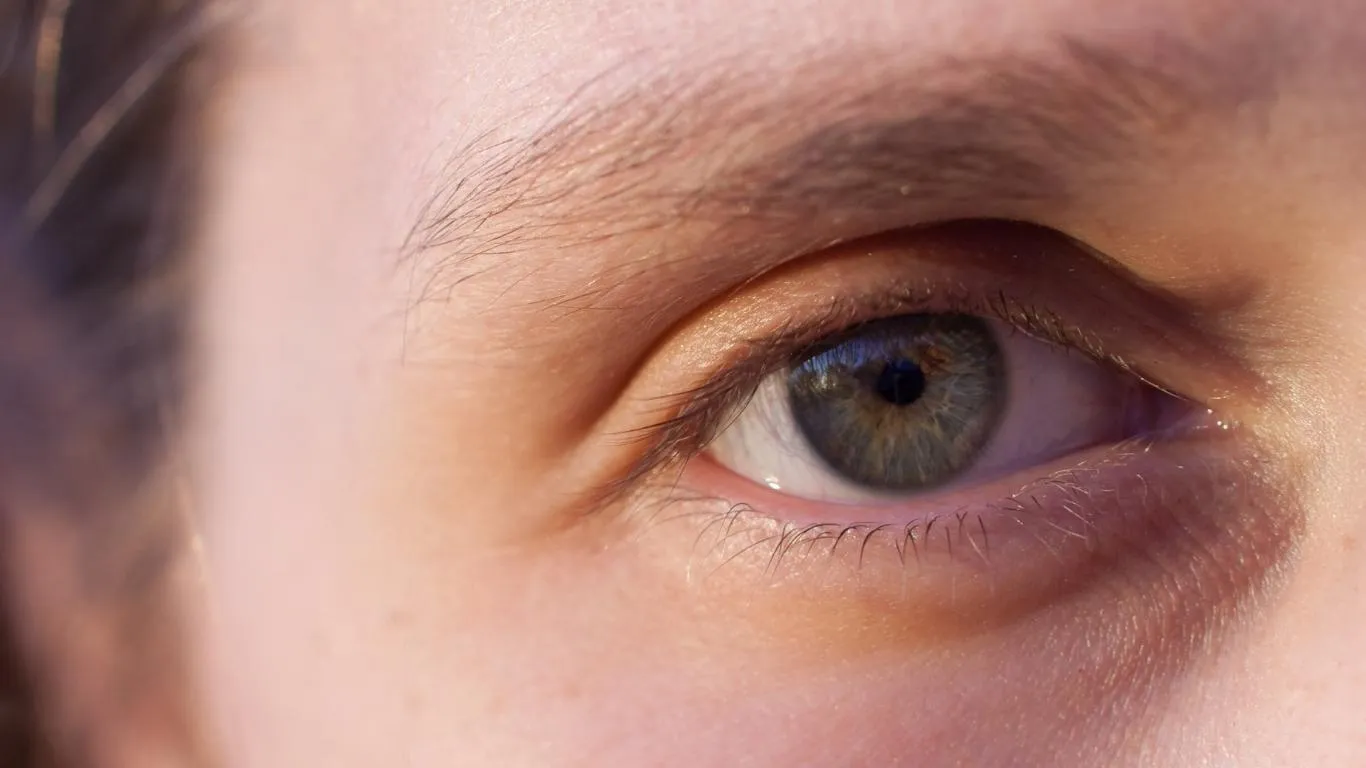
Let’s be real — you can’t manage what you don’t measure. I used to just accept the exhaustion until I started logging it. Turns out, there were patterns hiding in plain sight:
- Postdrome lasted longer when I had sleep disruptions the night before the migraine.
- Skipping meals during the migraine made fatigue worse during recovery.
- Attacks triggered by emotional stress seemed to leave a heavier “hangover.”
I found tracking tools like smartwatches or even plain-old journals more valuable than I expected. You don’t need to get techy — just be consistent.
And if you’re unsure what’s worth logging, use this guide on how to journal your migraine pattern as a reference.
Supplements and Nutrients That May Ease Post-Migraine Fatigue

Look, supplements aren’t a miracle cure — but the right ones can fill gaps that make recovery smoother. What’s worked for me (and has decent research behind it):
- Magnesium: Especially helpful if you’re prone to aura or muscle tension. Try magnesium citrate or glycinate forms.
- Vitamin B2 (Riboflavin): Known for reducing migraine frequency, but also supports energy metabolism.
- Coenzyme Q10: Has shown promise in reducing migraine severity and improving post-attack recovery.
More supplement options and their science-backed roles are broken down here.
Important: Always check with your healthcare provider before starting anything new. Even “natural” options can mess with meds or pre-existing conditions.
Routines That Actually Help Postdrome Fatigue

By now, I’ve learned that the days *after* the migraine matter just as much as what I do during one. Here’s what’s consistently helped me shorten the fog and get back to myself faster:
1. Design a Recovery Space
I have a dedicated corner with a blackout curtain, noise-canceling headphones, and a soft blanket. Even 30 minutes there helps reset my nervous system.
2. Light, Movement, and Air
Gentle stretching near an open window has this strange way of grounding me. It’s not intense, but enough to feel like I’m rejoining the world.
3. Avoiding Stimulant Overload
It’s tempting to blast coffee to “wake up,” but that can backfire. I’ve found a small cup of matcha gives a smoother lift with fewer crashes.
4. Leaning Into Rhythms
I now build postdrome recovery into my routine — lighter workload, simple meals, even turning off phone notifications. It’s not lazy; it’s smart management.
When to Call in Backup: Professional Help Matters

If you’re constantly dragging for days after each migraine, or it’s messing with your day-to-day functioning, a neurologist may help pinpoint what’s off. Fatigue could be a signal that your overall plan needs tweaking — from meds to lifestyle to sleep strategies.
A guide on when to see a specialist covers red flags that warrant expert advice.
Also, don’t underestimate the value of clinically validated sources when exploring new options — whether it’s treatment shifts, co-conditions, or advanced diagnostics.
Dig Deeper Into the Full Migraine Picture

Understanding postdrome fatigue is part of seeing the whole migraine cycle — not just the pain phase. Recovery deserves its own strategy, and the more we acknowledge that, the better we cope. For a deep dive into holistic migraine care, including treatments, triggers, and prevention, I highly recommend starting here: Understanding Migraines.
You can also explore the main overview of migraine conditions and related content on Healthusias’ main migraine hub.

Bianca Nala is a compassionate Nurse Practitioner with a strong background in primary and respiratory care. As a health writer for Healthusias.com, she combines her clinical expertise with a talent for clear, relatable storytelling to help readers better understand their health. Bianca focuses on topics like asthma, COPD, chronic cough, and overall lung health, aiming to simplify complex medical topics without losing accuracy. Whether she’s treating patients or writing articles, Bianca is driven by a single goal: making quality healthcare knowledge accessible to everyone.