Why Migraine Reports in Female Athletes Are Often Overlooked
Back when I was coaching youth track, I noticed something odd with one of our star sprinters. She was a powerhouse in training, but competition days often left her pale, withdrawn, and nauseated—sometimes even in tears before her event. At first, we chalked it up to nerves. But eventually, we realized it was something much more familiar to many female athletes: migraines. That revelation set me down a path of research, which led to some eye-opening facts that female athletes—and those around them—absolutely need to understand.
The Overlooked Reality of Migraines in Female Athletes

Most people assume migraines are just “bad headaches,” but if you’re a female athlete dealing with them, you know better. These episodes can be physically disabling and mentally draining, and for women in sports, they’re more common than many realize. Research consistently shows that women are disproportionately affected by migraines compared to men, especially during hormonal fluctuations common in athletic life.
In competitive sports, the stakes are high. Missing a training day or underperforming in a big meet due to a migraine can feel like the end of the world. And yet, these experiences are often brushed aside or misdiagnosed—leading to a frustrating lack of support. According to the American Migraine Foundation, nearly 1 in 4 U.S. households includes someone with migraines, and women are affected 3x more than men. But few talk about how this impacts athletic performance.
Hormonal Shifts and High Performance Don’t Mix Well
One of the biggest triggers for migraines in female athletes? Hormones. Estrogen levels fluctuate dramatically throughout the menstrual cycle, and for many women, those shifts correlate directly with migraine frequency. It’s no coincidence that menstrual migraines are among the most commonly reported in female athletes.
Pair that with intense training schedules, disrupted sleep, and strict diets, and you’ve got a recipe for recurring pain. I’ve had athletes who could predict the start of a migraine just based on their cycle syncing up with game week. Managing that becomes as critical as conditioning and strategy.
Not All Headaches Are Created Equal
Athletes often misinterpret early migraine symptoms as tension headaches or stress. The pain might be unilateral, pounding, and can come with nausea, light sensitivity, or even visual disturbances (aura). These signs are textbook migraine, but they’re often written off as fatigue or dehydration.
Understanding what kind of headache you’re experiencing can be game-changing. For example, this breakdown on migraine vs tension headache is especially helpful for athletes trying to track and identify their symptoms accurately.
Triggers Lurking in Training Environments
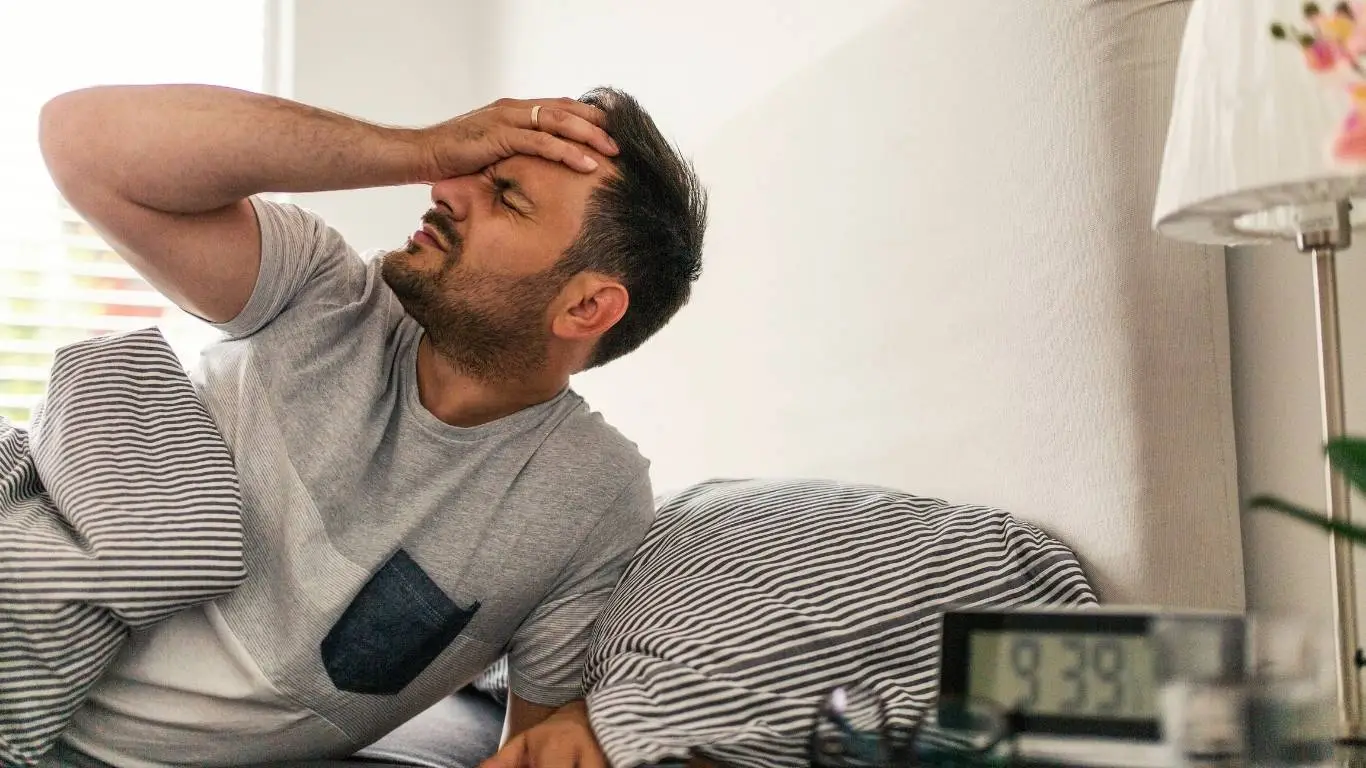
In high-performance environments, triggers can be everywhere: flickering lights in the gym, loud music during warm-ups, inconsistent hydration, weather changes during outdoor training—all of these have been cited as common culprits. Many female athletes find themselves hypersensitive to these external stimuli during key points in their cycle or under heavy stress loads.
- Stress-induced migraines are among the top reported types.
- Weather shifts and barometric pressure drops are frequent migraine starters—more so in endurance athletes outdoors.
- Dehydration and skipping meals due to tight schedules often lead to food-related triggers.
I had a runner who trained religiously but often skipped meals before long runs. After reviewing her migraine journal, it turned out that these “pre-run fasts” were doing more harm than good. Once we implemented some nutritional planning based on this migraine-aware diet, her episodes became less frequent.
The Physical and Emotional Toll of Performance Interruptions

Athletes tend to push through pain, often ignoring early warning signs. But migraines are not something you “push through.” They demand downtime, which can mean skipping training, withdrawing from competition, or even sitting out an entire season if chronic enough.
It’s not just the physical toll either. When you have to repeatedly step away due to symptoms others can’t see, it wears on your mental health. Doubts creep in. Coaches might not fully understand, and teammates can interpret absence as a lack of dedication.
That’s why recognizing the early warning signs becomes crucial. I encourage athletes to keep a migraine journal—recording food intake, sleep hours, weather, stress levels—to identify patterns. Here’s a helpful guide on how to start a migraine diary.
Why This Needs to Be Talked About More in Athletic Communities

Migraine is an invisible disability in many ways, but its impact is anything but. The sports world is slowly catching on, but we’re still not where we need to be. Young athletes, especially women, deserve to be heard and supported when migraines interrupt their path to success.
Whether it’s adjusting sleep positions, exploring biofeedback, or working with a neurologist who understands the demands of competitive sports, there are real options out there.
If you’re an athlete, coach, or parent trying to make sense of recurring “bad days,” I strongly recommend starting with this comprehensive guide on common migraine triggers. It’s one of the most practical overviews I’ve found and aligns perfectly with what I’ve seen on the field.
To explore how this fits within the broader scope of managing migraines in daily life, take a look at Healthusias’ main resource on migraines and headaches. It’s a solid foundation whether you’re just starting to understand your symptoms or advocating for better care in your sports organization.
Finding Treatment Options That Actually Work for Athletes

Managing migraines isn’t just about popping a pill and hoping for the best. Especially for female athletes, it’s about finding a plan that fits your training, competition schedule, recovery routine, and overall lifestyle. I’ve seen athletes frustrated by the trial-and-error of meds or alternative options that don’t align with their high-performance needs.
Many turn to over-the-counter options first, like NSAIDs, but when those don’t cut it, exploring prescription migraine medications becomes necessary. Medications like triptans and CGRP inhibitors are effective, but timing their use around workouts is key. You don’t want a side effect hitting mid-run or during a pre-game warm-up.
Exploring Non-Medication Therapies
For athletes who prefer natural or drug-free solutions, there’s a lot of promising ground to cover. I’ve personally seen solid results in athletes who use a combination of treatments like:
- Acupuncture – Surprisingly effective for recovery-focused athletes.
- Cognitive behavioral therapy (CBT) – Helps manage stress and emotional triggers.
- Biofeedback – Ideal for athletes used to tracking performance metrics.
- Yoga and mobility – Targets tension in neck, shoulders, and upper spine.
Some even go for newer methods like daith piercings or hot/cold therapy, and while science is still catching up, the anecdotal support from athlete communities is pretty strong.
Daily Routines That Can Make a Huge Difference
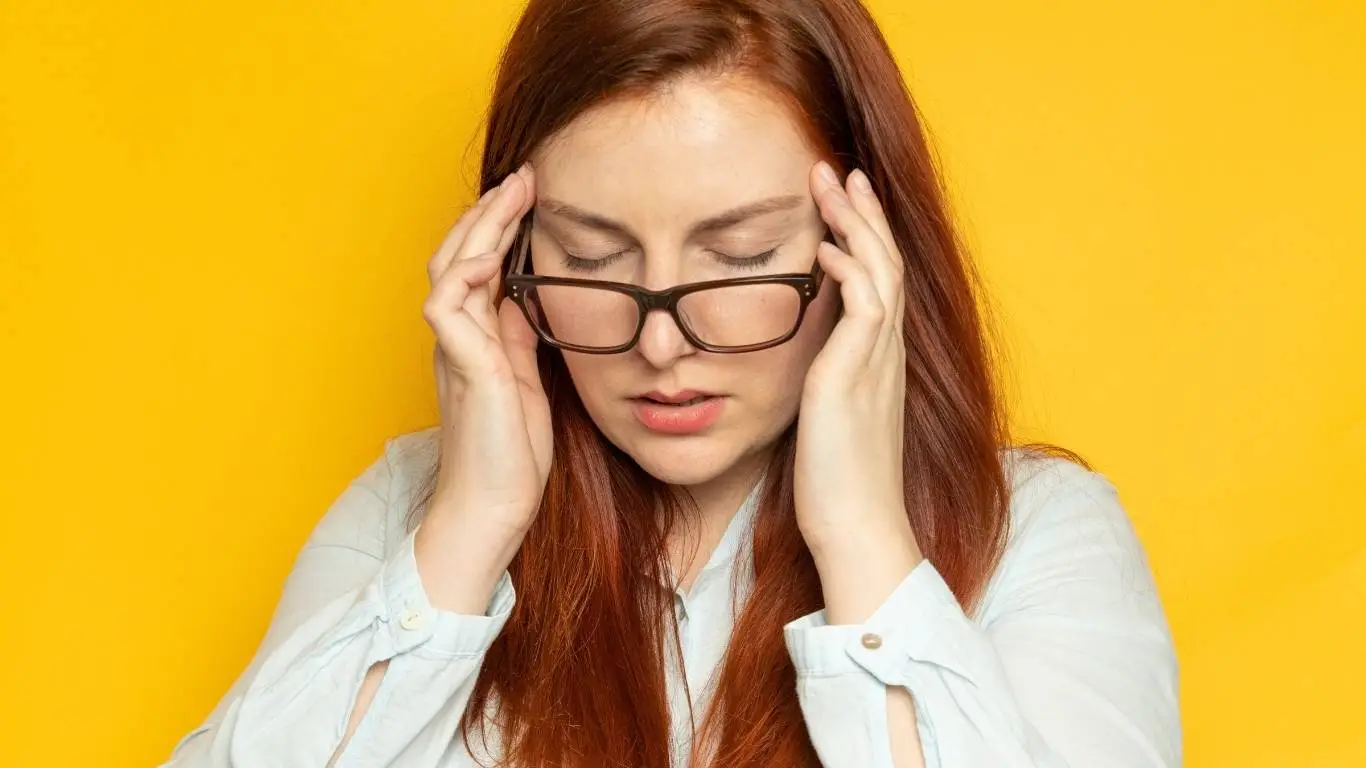
One thing I always emphasize to my athletes: the small daily habits often have the biggest long-term payoff. Migraines are not always preventable, but they’re manageable—especially when routines are built around reducing triggers and boosting recovery.
Here are some athlete-friendly habits that can lower migraine frequency:
- Consistent Sleep: Going to bed and waking up at the same time—even on off days—helps regulate hormones and recovery.
- Hydration: Keep a water bottle on-hand always. Even mild dehydration can set off symptoms.
- Fueling Strategy: Avoid long gaps between meals. Intermittent fasting may be trendy, but it can be a disaster for migraine-prone athletes.
- Warm-Ups & Cool Downs: Incorporate gentle neck and upper spine mobility to prevent tension buildup.
For those managing both hormonal cycles and a training calendar, tracking both in sync can help anticipate migraine risk windows. There are even specific migraine tracking apps that let athletes log everything from cycle changes to barometric pressure to energy levels post-practice.
The Intersection of Nutrition and Migraine Management
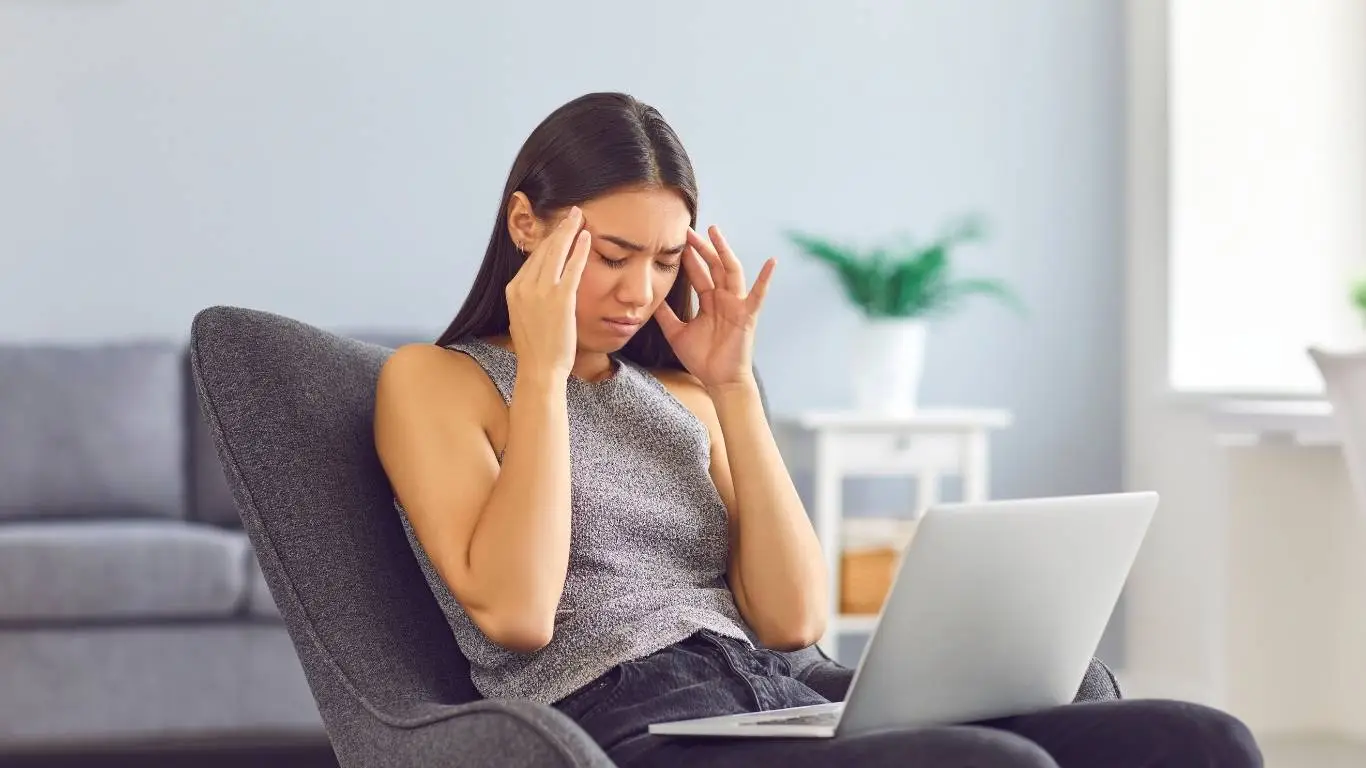
For many of the female athletes I’ve worked with, tweaking nutrition was the turning point. I’m not talking about cutting out whole food groups or going keto—but paying attention to how certain foods impact symptoms. It can be as simple as avoiding MSG, processed meats, aged cheese, or skipping energy drinks with artificial sweeteners.
Useful supplements in the mix:
- Magnesium – Popular among endurance athletes for reducing frequency.
- Vitamin B2/B6 – Boosts energy metabolism and neurological health.
- Omega-3s – Especially helpful for inflammation-based symptoms.
Linking up with a sports nutritionist who understands migraines can be a game changer. One of my athletes saw dramatic improvement after eliminating a few processed foods and prioritizing protein-rich, anti-inflammatory meals post-practice.
Creating an Athlete-Centered Migraine Plan

Every athlete is different. What works for one might be completely useless for another. That’s why I encourage creating a layered plan—just like training regimens—with migraine support built into every stage: nutrition, sleep, training recovery, stress management, and medical options.
And don’t forget the gear. Some athletes swear by tools like Cefaly or Nerivio, while others find relief with blue-light glasses, neck pillows, or wearable cooling headbands. You can explore the top options in this review of migraine relief devices.
Advocating for Yourself as a Female Athlete
Dealing with migraines as a female athlete means advocating for your health without feeling like you’re making excuses. Whether you’re speaking up to coaches, requesting accommodations during practice, or setting boundaries around rest, your health has to come first.
If migraines are interfering with your athletic goals, get familiar with comprehensive treatment strategies from this guide on migraine treatment options. It covers both medical and alternative paths and is tailored for real-world use.
For a complete foundation on understanding migraines from a physiological and performance lens, the best place to start is the full breakdown in Understanding Migraines. It aligns perfectly with the demands female athletes face.
And to tie this all back to the broader context of what migraines really mean in day-to-day life and athletic performance, the main pillar on Migraines & Headaches has everything you need to take next steps with clarity and confidence.

Bianca Nala is a compassionate Nurse Practitioner with a strong background in primary and respiratory care. As a health writer for Healthusias.com, she combines her clinical expertise with a talent for clear, relatable storytelling to help readers better understand their health. Bianca focuses on topics like asthma, COPD, chronic cough, and overall lung health, aiming to simplify complex medical topics without losing accuracy. Whether she’s treating patients or writing articles, Bianca is driven by a single goal: making quality healthcare knowledge accessible to everyone.