Why Migraines Triggered By Hormonal IUDs Deserve More Attention
Let me tell you, I didn’t think much of it at first. A slight throb, maybe some fogginess – just one of those off days, right? But when the headaches started showing up on a near schedule after I got my hormonal IUD, I had to dig deeper. Turns out, I’m not the only one who’s been blindsided by this. So if you’re wondering whether your birth control might be behind your migraines, you’re in good company. Let’s unpack the connection between hormonal IUDs and those unwelcome pounding headaches – because it’s way more common than you think.
Can Hormonal IUDs Actually Trigger Migraines?
Hormonal IUDs like Mirena, Kyleena, Liletta, and Skyla are hailed for their convenience and long-term protection. But here’s the thing – they’re not one-size-fits-all. These devices release a steady stream of synthetic progestin (levonorgestrel) into your uterus, and for some of us, that subtle hormonal shift can throw our brain chemistry for a loop.
Estrogen and progesterone play critical roles in migraine development. Sudden drops or irregular hormonal patterns can act like a switch, flipping on a migraine episode seemingly out of nowhere. And hormonal IUDs, while often said to act “locally,” still influence systemic hormone levels – more than we were once told.
Why Some People Are More Sensitive Than Others
Here’s where it gets personal. Some people are just more hormonally sensitive. If you’ve ever had menstrual migraines, pregnancy-related headaches, or migraines while taking oral contraceptives, you might be in that camp. Your body reacts sharply to even slight changes in hormone levels – and that includes the effects of a hormonal IUD.
Interestingly, some of the top triggers for hormonal migraines include fluctuations tied to birth control, ovulation, and the menstrual cycle. If you’re prone to hormonally linked migraines, IUDs might feel like throwing gas on a fire that was already smoldering.
When Migraines Start After Getting a Hormonal IUD
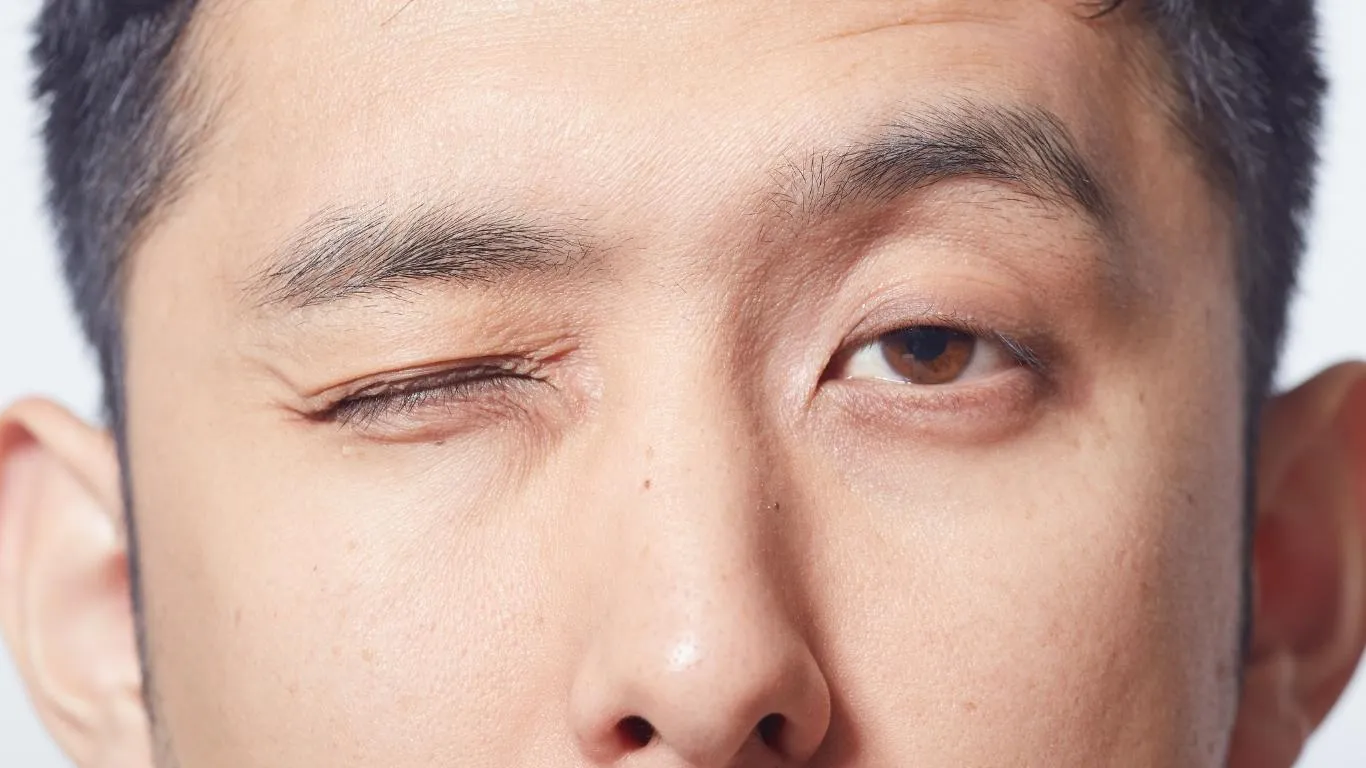
The timing is a huge clue. Many people who experience migraine-triggered-by-hormonal-IUD notice a pattern: headaches begin a few weeks or months after insertion. For me, it started around the 6-week mark. It wasn’t subtle, either – throbbing pain behind one eye, nausea, and light sensitivity that made screen time unbearable.
If you’re noticing these symptoms and they weren’t part of your life pre-IUD, it’s worth taking seriously. You’re not being dramatic. It’s not in your head – well, it is, but not like that.
Common Signs You Might Be Reacting to Your IUD
- Recurring migraines around the same time each month (even without a period)
- Increased migraine intensity or frequency post-insertion
- Brain fog, fatigue, or mood swings following migraines
- Unusual aura symptoms or dizziness
While hormonal IUDs are low-dose compared to pills, the levonorgestrel they release is still potent. And for those sensitive to progesterone shifts, it may act as a chronic trigger. Research from neurology journals even points to progestin as a potential migraine trigger in those with a hormonal sensitivity.
Medical Insight: How Progesterone Impacts the Brain
Let’s go a little deeper without getting too sciencey. Progesterone and its synthetic forms interact with the brain’s GABA receptors, which influence relaxation and stress responses. In some people, this balance is helpful. But in migraine-prone individuals, it might disrupt the delicate chemistry that keeps headaches in check.
This might explain why migraine with aura is more commonly reported among new hormonal IUD users. There’s evidence that hormonal changes can increase cortical spreading depression – a key process involved in aura and migraine onset.
What Doctors Don’t Always Mention
Here’s where my frustration kicked in. When I brought up my new migraines to my OB-GYN, they told me, “It’s probably not related.” But after switching to a non-hormonal IUD, my migraines all but vanished within a few weeks. Coincidence? I don’t think so.
To be fair, not all doctors overlook the connection. Some neurologists are starting to recognize the IUD-migraine link, especially in patients who’ve had previous hormone sensitivities or a family history of migraine disorders. But it still feels under-discussed in the mainstream, and we deserve better transparency.
Should You Remove Your IUD Because of Migraines?

This is the big question, right? If your migraines started after getting a hormonal IUD and haven’t improved, removal might be worth considering. But don’t rush it without a proper plan. Talk to a doctor who understands both hormonal contraception and neurological health. Unfortunately, those two specialties don’t always cross paths.
- Track your symptoms meticulously – use a migraine diary app or good old paper. Correlate headache frequency with hormonal shifts.
- Consider consulting a neurologist who specializes in women’s hormonal health or migraine management.
- If removal is recommended, talk about timing and alternative contraception – non-hormonal IUDs like Paragard or barrier methods are options.
And if you’re curious, here’s a helpful guide on how migraines are typically diagnosed so you can speak your doctor’s language during your appointment.
For a broader understanding of treatment strategies, hormonal dynamics, and natural migraine approaches, the main migraine treatment pillar article is a great deep-dive. You can also explore the migraine and headaches main hub for a full look at interconnected causes and solutions.
Real Stories from Real Women (Including Mine)
When I started looking online, I quickly realized I wasn’t alone. Forums, migraine support groups, even casual social media comments — dozens of women describing the same pattern. “I got the IUD and a few months later, my migraines went from occasional to unbearable.” It was validating, and honestly, a bit maddening. Why isn’t this discussed more openly?
One woman I connected with said her migraines disappeared after switching to a copper IUD. Another noticed improvement just by adjusting her diet and sleep after IUD removal. For me, it took a neurologist confirming the hormonal connection before I felt confident enough to have it removed — and it was the right decision for my health.
Why Your Experience Still Matters (Even If Research Is Lacking)
Let’s be real — not all medical studies keep up with what people are actually living through. While hormonal IUDs are technically considered “local,” systemic effects have been documented. Some studies even suggest levonorgestrel can reach blood concentrations that are high enough to influence the hypothalamus — the area of your brain tied to migraine onset.
So if you’re dealing with silent migraines or strange mood changes since your IUD insertion, don’t shrug it off. Symptoms are symptoms, even if they’re not yet in a headline study.
Alternative Birth Control Options for Migraine-Prone Individuals
Good news: you don’t have to choose between avoiding pregnancy and avoiding migraines. There are birth control options that tend to be more migraine-friendly — especially for those of us sensitive to hormonal shifts.
Non-Hormonal Options
- Copper IUD (Paragard) – hormone-free and effective up to 10 years. Some users experience heavier periods initially, but migraine risk isn’t a concern.
- Barrier Methods – condoms, diaphragms, cervical caps. Great for short-term use or those avoiding synthetic hormones entirely.
- Fertility Awareness Methods – these take commitment but can work well with proper education and tracking tools.
Low-Hormone Alternatives
- Progestin-only pills (Mini Pill) – may still trigger symptoms for some, but lower-dose versions offer another option.
- Natural family planning apps – when combined with cycle tracking, this can be surprisingly accurate with minimal intervention.
That said, consult with a provider who understands your migraine history. You don’t want to switch to something that just causes a different hormonal ripple effect. And if you’re still experiencing sleep-triggered migraines, make sure your choice supports good rest and routine.
How to Track and Manage Migraine Patterns Effectively
This was a game-changer for me. Before removing the IUD, I kept a detailed symptom journal — nothing fancy, just a few notes every day. I tracked:
- Time of day the migraine started
- Food intake that day
- Sleep quality and stress levels
- Menstrual cycle phase
- Weather conditions (yep, barometric pressure messes with me!)
After a few weeks, I saw a pattern. Most of my migraines hit in the luteal phase (right before my period), right when progesterone peaks and then dips. It aligned perfectly with hormonal IUD release patterns. That insight gave me the confidence to act — and it gave my doctor tangible data to work with.
If you want to dive deeper into tools that make this easier, here’s a solid breakdown of migraine tracking apps and smart devices that help decode your triggers.
What To Do If You’re Still Unsure
It’s totally okay to feel stuck in the middle. Hormonal IUDs work brilliantly for some people — but that doesn’t mean they’re right for everyone. If you’re suspicious that your migraines are tied to your IUD, start by listening to your body — then get backup from professionals who don’t dismiss you.
- Start with your own tracking – symptoms, timing, migraine details, IUD insertion date.
- Find a provider who gets it – some OB-GYNs or neurologists are better equipped to see the whole picture. If needed, seek a second opinion.
- Read and share helpful resources – this article, medical studies, or even personal testimonies in migraine communities can validate what you’re going through.
You don’t have to keep guessing. Your migraines deserve clarity — and your health decisions should be informed, not just convenient.
Helpful Resources & Continued Reading
- Explore how preventive strategies can reduce migraines tied to hormones or IUD use
- Understand how mental health conditions like depression can intertwine with hormone-triggered migraines
- Visit https://www.acog.org for insights on birth control safety and hormone response
- Browse https://www.aan.com (American Academy of Neurology) for updates on migraine treatments and diagnostics
If you’re looking for the big picture, the Migraine Prevention pillar gives a comprehensive look at strategies beyond medication. And the main migraine hub ties everything together, from symptoms to lifestyle to long-term management.

Bianca Nala is a compassionate Nurse Practitioner with a strong background in primary and respiratory care. As a health writer for Healthusias.com, she combines her clinical expertise with a talent for clear, relatable storytelling to help readers better understand their health. Bianca focuses on topics like asthma, COPD, chronic cough, and overall lung health, aiming to simplify complex medical topics without losing accuracy. Whether she’s treating patients or writing articles, Bianca is driven by a single goal: making quality healthcare knowledge accessible to everyone.