Why Migraines After COVID Infection Are Worse Than You Expect
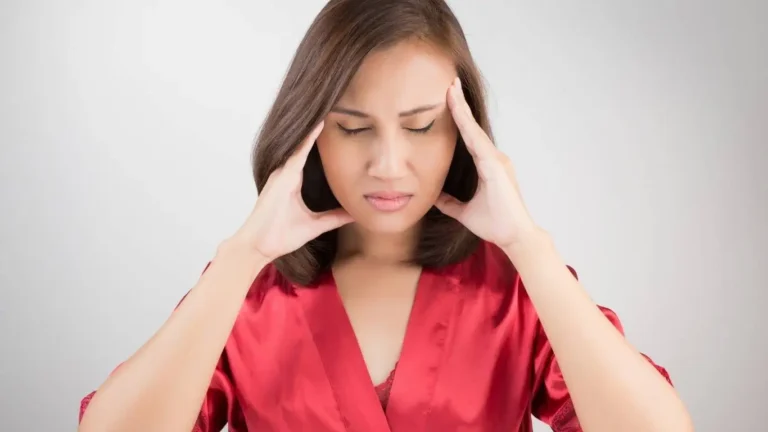
For a while after I recovered from COVID, I couldn’t shake off the pounding headaches. At first, I chalked it up to fatigue or maybe dehydration. But weeks turned into months, and the migraines didn’t go away—they got worse. Turns out, I wasn’t alone. A surprising number of people have reported lingering migraines after a COVID infection, and the connection is becoming harder to ignore. If you’ve been there, wondering why your head won’t stop throbbing even long after testing negative, this one’s for you.
What’s Behind Migraines After COVID Infection?

Post-viral headaches aren’t exactly new, but with COVID, things hit differently. These aren’t your run-of-the-mill tension headaches. They resemble classic migraines—with throbbing pain, light sensitivity, and sometimes even nausea—but they stick around far longer than expected. Some experts think the virus might trigger neuroinflammation or mess with the vascular system, which could lead to ongoing migraine episodes.
The Neurological Link
Studies are exploring how SARS-CoV-2 affects the brain, and inflammation is a major suspect. This virus has a sneaky way of entering the nervous system, possibly through the olfactory bulb, and that could be a key reason for neurological symptoms like brain fog and migraines.
According to NIH research, lingering neuroinflammation may be a culprit for persistent headaches in post-COVID individuals. It’s not just anecdotal anymore—science is beginning to catch up.
Triggers Unique to Post-COVID Migraine
There’s a frustrating twist to post-COVID migraines: they often don’t follow the typical playbook. I used to be able to predict when one was coming, but now? All bets are off. Triggers like:
- Minor dehydration
- Subtle changes in weather
- Interrupted sleep cycles
- Stress—even if you don’t feel stressed
…can bring on a full-blown migraine within hours. Even screen time, which never used to be a problem for me, became a major sensitivity point.
How Long Do Post-COVID Migraines Last?

This one varies wildly. Some people bounce back in a few weeks. Others, like me, experience migraines that come and go for several months. A friend of mine had them for nearly a year. What we’re dealing with isn’t just a delayed side effect—it’s a chronic migraine condition triggered by a viral infection. That’s important to acknowledge, especially if your doctors are brushing it off.
Is It Chronic Migraine or Something Else?
If you’re having more than 15 headache days per month, and at least 8 of those are migraines, you might meet the criteria for chronic migraine. That’s what happened to me. What started as a few “bad days” post-COVID slowly turned into a recurring issue.
In many cases, people go undiagnosed because the shift from occasional to chronic headaches happens so gradually.
How to Tell If It’s COVID-Related?

It’s not always clear-cut. But if your migraine symptoms began shortly after your COVID infection, you’re probably looking at a cause-and-effect relationship. Especially if you had no history of migraines before.
Medical professionals now recognize the connection between COVID-19 and headaches more clearly. In fact, the CDC acknowledges neurological complications, including chronic headaches, as part of long COVID.
Tracking Matters
Keeping a migraine diary helped me notice patterns I would’ve missed. Days when I thought I was doing fine turned out to be building toward another episode. Journaling symptoms, sleep, food, stress, and activity levels gave me something solid to discuss with my doctor.
What Are Doctors Saying?

More neurologists are seeing patients who developed migraines after COVID. There’s growing interest in determining whether these cases differ from traditional migraines in their pathology or just in their triggers. Diagnosis methods are largely the same, but treatment might need a more personalized touch.
Specialists may look at things like:
- Pre-existing migraine history
- Sleep disturbances post-COVID
- Ongoing inflammation or autoimmune responses
Management Tips That Helped Me

Honestly, I tried everything before I found what helped. Here are the things that made the biggest difference:
- Magnesium supplements – These weren’t a miracle, but they helped reduce intensity. I first read about it here.
- Regular hydration – Sounds basic, but I had to get obsessive about it.
- Using a migraine tracking app – It gave me data my neurologist could work with.
- Proper pillow support – Weirdly enough, swapping to a migraine-friendly pillow gave me better sleep, which reduced flare-ups.
Every case is different, but there are many small adjustments that may help reduce post-COVID migraine frequency and intensity. Explore other treatment strategies and don’t be afraid to bring up post-COVID concerns with your doctor—even if they sound skeptical at first.
For a broader understanding of how migraines operate and how they’re treated, check out this comprehensive migraine resource and their deeper dive into understanding migraines better.
Effective Treatments for Migraines After COVID Infection

When I finally realized these migraines weren’t just going to fade on their own, I knew it was time to take treatment seriously. But here’s the thing—post-COVID migraines don’t always respond to the usual fixes. I had to approach it differently, combining standard migraine care with a little creativity (and a lot of trial and error).
Medication Options
If you’re stuck wondering whether to try over-the-counter meds or go prescription, I’ve been through both. OTC pain relievers like ibuprofen didn’t cut it for me. My doctor eventually recommended prescription migraine drugs—specifically triptans—and while they worked better, they weren’t perfect.
Some neurologists are now considering CGRP inhibitors for long COVID patients, especially those who didn’t previously have migraines. These are newer medications that target the specific peptide believed to play a role in migraine attacks.
My doctor also mentioned Botox injections as an option if things got worse—but luckily, I didn’t need to go that far.
Natural Remedies That Actually Helped
I’ll be honest—I was skeptical about “natural” remedies. But a couple actually made a difference, especially when used consistently:
- Magnesium & vitamin B2 — Both helped with frequency. You can read more here.
- Essential oils — Peppermint oil gave me temporary relief, especially during early onset. See how others use it here.
- Yoga and breathwork — I didn’t think slow stretching would help with my head pain, but it calmed the tension I didn’t even realize I was holding.
If you’re interested in natural alternatives, this natural migraine remedies guide is a solid starting point.
Daily Lifestyle Tweaks That Made a Difference

I used to roll my eyes at lifestyle suggestions. “Just manage your stress” felt like the most unhelpful advice ever. But once I took it seriously, things shifted.
Sleep: The Make-Or-Break Factor
One of the biggest changes came when I fixed my sleep habits. It turns out that both oversleeping and sleep deprivation triggered migraines for me post-COVID. I now go to bed and wake up at the same time every day, even on weekends. If sleep’s a mess for you, check out this helpful guide on sleep and migraines.
Nutrition Adjustments
Food didn’t seem like an obvious link, but I noticed certain meals—especially processed stuff—set me off. I started working with a nutritionist familiar with migraines and focused on keeping my meals anti-inflammatory and consistent.
Hydration & Routine
Drinking enough water sounds too simple to work, but dehydration was sneaky. Now I keep a bottle on me all day. I also learned to avoid fasting too long, as it would trigger pain every time. Here’s a more detailed look at how fasting can affect migraines.
Tools and Devices That Actually Work

There’s some pretty cool tech out there for managing migraines now—and post-COVID migraine patients might benefit more than most.
Wearables & Devices
I tried the Nerivio wearable after hearing about it in a support group, and wow—it helped a lot with early-onset attacks. I also experimented with a smartwatch migraine app that tracked stress and sleep patterns, which made tracking more effortless.
Other Helpful Tools
- Blue light glasses — Great if screens are triggering your migraines.
- Daith piercing — I haven’t tried this myself, but I’ve met a few people who swear it reduced their migraines. It’s explained more here.
- Thermal wraps — Hot and cold therapy worked better than I thought. Switching between heat on the neck and cold on the forehead helped tone down the pain.
Who’s Most at Risk?

Interestingly, women seem more affected by post-COVID migraines, especially those with hormonal imbalances. If you’re already dealing with hormonal triggers, the virus might amplify those effects. I noticed my migraines worsened during my cycle after COVID—something I never dealt with before.
Other high-risk groups include:
- People with pre-existing migraine history
- Those who experienced severe COVID symptoms
- Anyone with autoimmune or neurological sensitivities
It’s worth noting that people who never had migraines before are developing them post-COVID. If that’s you, don’t ignore it or downplay the impact. It’s valid, and you’re far from alone.
Don’t Tough It Out Alone

If I’ve learned anything, it’s this: these migraines are not just “in your head”—they’re real, and they deserve proper attention. Whether you’re trying new treatments or just figuring out what works day to day, you’re part of a growing number of people navigating life after COVID with added challenges.
Bookmark this full migraine treatment resource for when you want to explore more paths. And if you’re still unsure about your symptoms, start from the basics with this guide to fully understand how migraines work.

Bianca Nala is a compassionate Nurse Practitioner with a strong background in primary and respiratory care. As a health writer for Healthusias.com, she combines her clinical expertise with a talent for clear, relatable storytelling to help readers better understand their health. Bianca focuses on topics like asthma, COPD, chronic cough, and overall lung health, aiming to simplify complex medical topics without losing accuracy. Whether she’s treating patients or writing articles, Bianca is driven by a single goal: making quality healthcare knowledge accessible to everyone.