Why Migraines and Persistent Visual Aura Can Disrupt Daily Life
Ever stared at a screen too long and suddenly noticed flickering lights, zigzag patterns, or shimmering shapes that just wouldn’t go away? Yeah, I’ve been there. The first time it happened, I assumed it was stress or lack of sleep. But when it kept happening—long after the migraine pain subsided—I realized it wasn’t just my imagination. It was something more specific: persistent visual aura. If you’ve ever experienced this, or suspect you are, let’s break down what’s going on, why it happens, and what you can actually do about it.
What Is a Persistent Visual Aura?
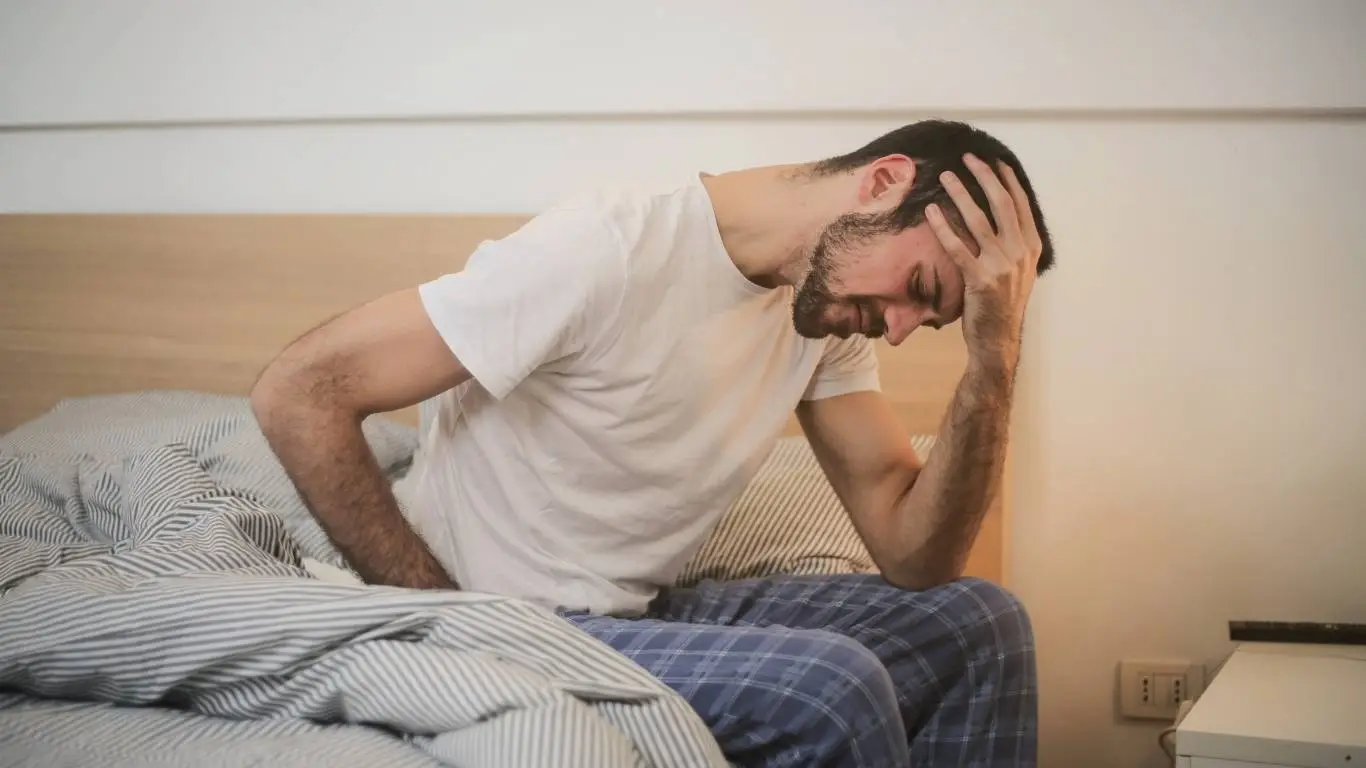
In the migraine world, auras are like the strange little warning signals your brain throws at you. For most people, they last 20 to 60 minutes. But in the case of a persistent visual aura, these symptoms hang around for days, weeks—or in some rare cases—even months.
The visual disturbances might look like:
- Scintillating scotomas (flickering blind spots)
- Wavy or zigzag patterns
- Flashy or flickering lights
- Blurry areas in your vision
- Geometric shapes that hover over your field of view
And here’s the kicker—these don’t always follow a headache. You could be feeling perfectly fine, and yet still struggling to see clearly. That’s where things start to mess with your quality of life. It did with mine for sure.
Why Does This Happen?

Doctors still debate the exact cause, but persistent visual aura seems to involve prolonged cortical spreading depression—a wave of brain activity that temporarily disrupts normal neural functions, particularly in the visual cortex. Unlike typical migraines, where this wave settles down quickly, in persistent aura, it doesn’t stop playing its annoying rerun.
Neurologically speaking, the brain may just fail to “reset” itself. Visual cortex neurons remain hyper-excitable and overly sensitive to visual input.
Some researchers also suspect that persistent visual aura might overlap with vestibular migraine and even elements of visual snow syndrome. The overlap is real—and frustrating.
How to Tell If It’s Migraine-Related (And Not Something Else)

It’s easy to panic when visual changes don’t fade. I did. I even thought it might be retinal damage or something far worse. That’s why it’s crucial to get evaluated. Migraines with persistent aura have a specific pattern that can be differentiated from more serious conditions like:
- Retinal migraines (where vision loss is monocular and brief)
- Ocular seizures
- Stroke-related visual changes
- Eye conditions like macular degeneration or retinal tears
A full neuro-ophthalmologic evaluation can rule out these possibilities. For those wondering how diagnosis works, check out how migraines are diagnosed.
Most patients with persistent aura will show a clean MRI, normal retinal scans, and typical neurological exams. That’s part of what makes it so maddening—everything looks fine, but you know something’s off.
Living with It: Coping Strategies That Help (Some More Than Others)

There’s no one-size-fits-all fix, but here’s what’s worked for me and many others I’ve spoken to:
1. Medication Approaches
- Lamotrigine – Originally an anti-epileptic, this has shown promise in some persistent aura cases.
- Magnesium supplements – Especially if you’re deficient. You can explore more on magnesium for migraines.
- Acetazolamide – Though rarely used, some neurologists prescribe it off-label to reduce aura duration.
Always talk with a migraine specialist first, especially if you’re on other meds or have pre-existing conditions.
2. Lifestyle Shifts
- Limit screen time or use blue-light filters. My go-to? Those orange-lens glasses. Ugly but effective.
- Adjust lighting in your home and workspace. Harsh overhead lights made my symptoms worse.
- Track patterns with a migraine journal (helpful guide here: migraine diary guide)
Surprisingly, even improving sleep hygiene helped reduce the intensity of my visual symptoms—although not consistently.
3. Visual Rehab and Neurotherapy
This is still an emerging area, but some optometrists specializing in neuro-visual rehab offer light therapy, color filters, or motion desensitization exercises. The science is young, but there’s hope if you want to go deeper into managing it holistically.
Is There a Pattern? What Triggers It?

For me, stress and poor sleep were the main offenders. Others report things like hormonal shifts, missed meals, or weather changes. Some potential suspects:
- Overstimulation from screens or bright lights
- Skipping meals or dehydration
- Alcohol or caffeine swings
- Stress and emotional overload
- Weather or barometric pressure
Identifying your triggers takes trial and error, but once you know them, managing aura gets a bit easier.
Relevant Resource
To dive deeper into identifying and managing migraine triggers, don’t miss this in-depth breakdown: Migraine Triggers.
Explore More
If you’re looking to understand migraines as a whole, especially how they affect different populations, you’ll find a detailed overview in our main migraine guide.
When It Doesn’t Go Away: What to Do Next

If you’ve been stuck in a cycle where the visual aura lingers for days or weeks, you know how unsettling it is. One of the smartest things I ever did? Booked a session with a neurologist who specializes in migraines—not just a general practitioner.
There’s a clear difference when you work with someone who truly gets the spectrum of migraine disorders. I walked out of that appointment not just with medication options, but with confidence that I wasn’t going crazy.
If you’re not sure where to begin, check out this detailed resource on when to see a neurologist for migraines.
Important Things to Discuss With Your Doctor
- Frequency and duration of aura symptoms
- Whether they occur with or without pain
- Medication history (what worked, what didn’t)
- Family history of neurological or visual issues
Sometimes persistent aura can be confused with conditions like visual snow syndrome or even occipital lobe epilepsy, which require different treatment paths. A thorough workup rules out the scary stuff and gets you on track faster.
Persistent Visual Aura vs. Visual Snow

This is a hot topic. The symptoms overlap, but they’re not the same. I’ve had both, and while they can look similar, the sensation is totally different. Here’s a breakdown:
| Migraine Visual Aura | Visual Snow Syndrome |
|---|---|
| Usually transient (minutes to hours, or persistent in rare cases) | Constant static-like visual noise (like a “TV with no signal”) |
| Often includes geometric shapes or shimmering arcs | Includes visual snow, afterimages, trailing effects |
| May resolve with migraine treatment | More resistant to treatment |
While there’s crossover, treatment strategies differ. If you’re unsure where you fall, a specialized neurologist or neuro-ophthalmologist can help you sort it out.
What Actually Helped Me (Beyond Pills)

Medications got me 50% of the way there, but managing persistent aura required a toolbox approach. Here’s what I swear by:
🔹 Diet Tweaks That Made a Difference
Once I started tracking food, it became obvious that certain things triggered my visual symptoms—even without a headache. A few common offenders:
- Red wine
- MSG-loaded snacks
- Artificial sweeteners
- Aged cheeses
Working with a nutritionist helped me design a low-migraine diet. If that’s your thing, see our guide on migraine diet plans.
🔹 Blue-Light Blockers and Filtered Glasses
I was skeptical. But after two weeks with high-quality blue-light glasses, I noticed a reduction in eye strain and aura flares. Not all glasses are created equal though. Choose ones that filter out both blue and green spectrums.
Explore some vetted options in this roundup of blue-light glasses for migraines.
🔹 Mind-Body Practices That Actually Help
It wasn’t until I gave migraine-targeted yoga a shot that I saw real benefit. Not a full cure, but definitely grounding. Other people I’ve talked to swear by:
- Biofeedback therapy
- Cognitive Behavioral Therapy (CBT)
- Acupuncture or craniosacral therapy
It’s about reducing the overall excitability of your nervous system—not just masking symptoms.
Devices That Might Help (Yes, Really)

I didn’t think I’d ever become the person wearing a migraine headband, but here we are. And some of them actually do help. Based on trial (and many errors), these stood out:
- Cefaly – External trigeminal nerve stimulator. Slight tingling, but worth a try.
- Nerivio – App-connected arm band. Effective for abortive treatment.
- Other migraine wearables and tools – Reviewed and compared
These devices don’t all directly treat visual aura, but reducing overall migraine frequency often leads to fewer and shorter auras.
Does It Ever Truly Go Away?

This is the question I still ask myself. For me, the intensity has gone down. The duration too. From daily episodes to once every few months now. Others I’ve met in migraine support circles say theirs vanished completely after a year or two. A few still struggle daily.
But the key takeaway? It’s not hopeless. And you’re not imagining it.
Explore Further
If you’re trying to reduce migraine episodes overall, prevention strategies are everything. Head over to Migraine Prevention for practical, evidence-backed methods.
And don’t forget to revisit the core breakdown on Understanding Migraines if you’re still piecing together your own migraine puzzle.
Living with persistent visual aura isn’t easy—but with the right guidance, tools, and mindset, it’s absolutely manageable.

Bianca Nala is a compassionate Nurse Practitioner with a strong background in primary and respiratory care. As a health writer for Healthusias.com, she combines her clinical expertise with a talent for clear, relatable storytelling to help readers better understand their health. Bianca focuses on topics like asthma, COPD, chronic cough, and overall lung health, aiming to simplify complex medical topics without losing accuracy. Whether she’s treating patients or writing articles, Bianca is driven by a single goal: making quality healthcare knowledge accessible to everyone.