Ocular Migraine Vs Retinal Migraine: What You Need To Know
Not all migraines come with the telltale throb. Some are sneakier—disrupting your vision without much (or any) head pain. I remember the first time I had one. I was in a meeting, and suddenly, this weird shimmering zigzag floated into my vision like a screensaver gone rogue. No headache. Just that. A few hours later, it vanished like nothing ever happened. Turns out, that episode wasn’t just stress—it was an ocular migraine. But then someone asked me, “Could it have been a retinal migraine instead?” And down the rabbit hole I went.
Understanding the Basics: What Sets Ocular and Retinal Migraines Apart?
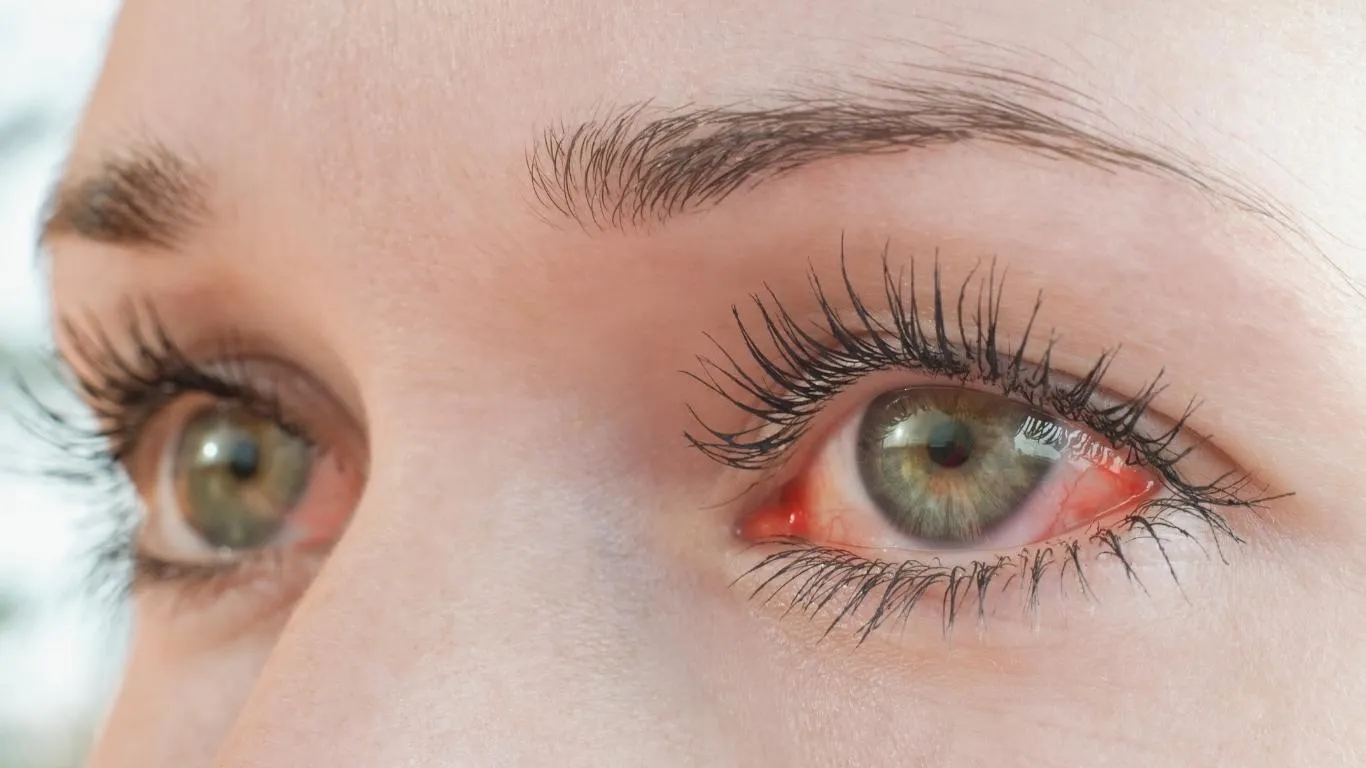
At first glance, the terms ocular migraine and retinal migraine might sound interchangeable. They both mess with your vision, happen suddenly, and can leave you feeling uneasy. But medically speaking, they’re not the same—and confusing them can mean missing something serious.
So what’s the difference?
Ocular Migraine: More Common Than You’d Think
An ocular migraine (sometimes called a visual migraine) typically affects both eyes. The strange part? It doesn’t always come with pain. Most people experience flashing lights, kaleidoscope patterns, or shimmering zigzags that expand outward before fading. They often last around 15 to 30 minutes. Sounds harmless—but it can be unsettling when it first happens.
In my case, there was zero pain—just a bizarre, almost trippy, visual show that forced me to squint at my screen and pretend everything was totally fine. Spoiler: it wasn’t.
Retinal Migraine: One Eye, One Serious Symptom
Retinal migraines are a whole other beast. Unlike ocular migraines, they affect only one eye—and the visual loss is more dramatic. We’re talking full or partial blindness in one eye that comes on suddenly and fades after 10 to 20 minutes. It’s rarer, and it can be a red flag for something more serious like reduced blood flow to the retina.
According to American Academy of Ophthalmology, if this happens more than once, it’s worth getting checked for underlying vascular issues. Don’t brush it off.
Spot the Symptoms: What Each Migraine Feels Like
One of the easiest ways to tell them apart is how your vision is affected—and which eye (or eyes) are involved. Here’s a quick breakdown:
Common Signs of Ocular Migraine
- Flashing or shimmering lights in both eyes
- Scintillating scotoma (those moving zigzags or blind spots)
- Temporary visual distortion, usually painless
- No long-term damage to vision
These symptoms are often part of a migraine aura, which you might recognize if you’ve dealt with typical migraines before.
Retinal Migraine Warning Signs
- Sudden vision loss or dimming in just one eye
- Partial or complete blindness lasting less than an hour
- May or may not come with headache pain
- Vision returns to normal but could signal vascular issues
If you’re experiencing true vision loss in just one eye—even briefly—you might be dealing with a neurological issue, and that’s not something to self-diagnose on Reddit or WebMD.
What Causes These Visual Migraines to Show Up?
The triggers? Surprisingly similar for both types—though the mechanisms aren’t exactly the same.
- Stress (yep, it’s always on the list)
- Hormonal changes—especially for women
- Dehydration or skipping meals
- Lack of sleep or sleep pattern changes
- Bright lights or screen time overload
In my own experience, every time I skip lunch and doom-scroll Twitter in bed past midnight, I’m practically begging for a visual migraine. Add PMS to the mix and—bam—it’s showtime.
There’s also evidence that people prone to genetic migraines might be more susceptible to ocular variants. And with retinal migraines, it could be a warning sign of vascular spasms in the eye’s blood vessels—so not something to ignore.
How Doctors Diagnose the Right Type
Getting a proper diagnosis usually involves ruling out scary stuff like retinal detachment or stroke, especially if the visual loss is sudden and one-sided.
Expect a combo of:
- Detailed medical history (yep, even your sleep habits)
- Ophthalmologic exam
- Neurological assessment if needed
If you’re dealing with both eye symptoms and head pain, it could be part of a complex migraine subtype. I was lucky—my doc ruled out retinal involvement and confirmed I had classic ocular migraines. No serious damage, just a major annoyance now and then.
When to Worry: Red Flags You Shouldn’t Ignore
Here’s the deal—most ocular migraines are harmless, but retinal migraines? Not always. If you experience the following, call your doctor stat:
- Vision loss in one eye only
- Symptoms lasting longer than 60 minutes
- Persistent vision problems after symptoms fade
- New or worsening migraine patterns
They could be a sign of something more systemic, like reduced blood flow or clotting issues. The Mayo Clinic notes that retinal migraines may increase risk of permanent vision damage if left unchecked.
If you’re unsure whether it’s one or the other, it’s worth having a conversation with your neurologist—or even starting with your optometrist. Better safe than sorry.
For a more complete look at causes and prevention tips, check out our guide to migraine triggers or visit the main migraine resource hub to explore common patterns and treatments.
Living With Visual Migraines: Tips That Actually Help
Once I realized my visual episodes were ocular migraines, not retinal, I finally stopped doom-Googling “brain aneurysm.” Still, living with them isn’t just about knowing what they are—it’s about managing them. The good news? There are real, actionable ways to dial down the frequency and impact.
Start With the Basics: Everyday Prevention Strategies
Managing visual migraines doesn’t mean overhauling your life—but small shifts can go a long way. I personally noticed fewer episodes after I made these changes:
- Hydration: I know, I know. But even mild dehydration is a known migraine trigger.
- Consistent sleep: No more Netflix till 3 a.m.—your brain needs a routine.
- Food timing: Skipping meals? Asking for it. I now keep almonds or trail mix in my bag, just in case.
- Limit screen glare: I use a blue light filter and try not to stare at screens in the dark (guilty habit).
More on how to align your habits with better sleep hygiene and migraine relief.
Know Your Personal Triggers
For me, it’s fluorescent lights and long fasts. For others, it might be hormonal shifts, loud noise, or even the weather. Yep—barometric pressure migraines are real. Try keeping a migraine diary, like the one suggested here, to spot what consistently sets you off. It’s the least sexy homework you’ll ever do—but weirdly effective.
When Lifestyle Isn’t Enough: Treatment Options
If you’ve tried all the lifestyle tricks and ocular migraines still ambush you like clockwork, it might be time to talk meds. I waited way too long to have that conversation—mostly out of stubbornness. Don’t be me.
Common Medications Used
- Triptans: Effective if there’s a headache along with the aura
- Beta blockers: Often used for prevention in chronic migraine cases
- Calcium channel blockers: May help with retinal migraines or aura prevention
Doctors may recommend prescription options based on your history and frequency. I started with a low-dose preventative and noticed fewer “aura days” within a few weeks.
Devices, Supplements, and Natural Tools
Here’s where it gets interesting. There are newer tools that don’t involve pills—especially if you’re wary of side effects:
- Wearable neurostimulators (like Cefaly) for migraine prevention
- Magnesium supplements, especially for women dealing with hormonal triggers
- Eye masks for light sensitivity
- Cognitive Behavioral Therapy (CBT) for managing stress-based patterns
Personally, I’ve become a huge fan of hot/cold therapy and guided imagery. No side effects, and my brain actually seems to listen when I calm the noise.
Retinal Migraine? Don’t DIY This One
If you’ve had what seems like a retinal migraine—even once—you’ve got to see a doctor. Seriously. These aren’t just annoying—they’re potentially dangerous. Visual loss in one eye should never be brushed off as “probably just stress.”
According to NIH Neurological Institute, these episodes can stem from reduced blood flow in retinal arteries and may mimic—or mask—more serious conditions like ocular stroke or carotid artery spasms.
Retinal migraines require a more thorough checkup: bloodwork, imaging, maybe even a referral to a vascular specialist. Your regular migraine plan probably won’t cut it here.
When It Gets Confusing: Ocular, Retinal, or Something Else?
Sometimes the diagnosis isn’t straightforward. There’s even a chance what you think is a migraine might be something else entirely—like an optic nerve issue, tension-induced eye strain, or a side effect of medication.
That’s why working with a neurologist who understands visual migraines is key. Don’t settle for vague answers—your vision deserves better.
And if you’ve got a family history of migraines, autoimmune disorders, or vascular problems, mention it. It all helps connect the dots.
Everyday Hacks to Stay One Step Ahead
Living with migraines—especially the visual kind—often means becoming your own health detective. Here are a few hacks I now swear by:
- Dark mode everything: My phone, laptop, even my Kindle—all in dark mode
- Track weather changes: Sudden drops in pressure? I plan lighter days
- Eye breaks: 20-20-20 rule: Every 20 minutes, look 20 feet away for 20 seconds
- Protective glasses: Not just blue-light—try ones with FL-41 tinting if you’re light-sensitive
And yes, it’s totally valid to cancel plans if your brain decides to put on its own light show. Anyone who doesn’t get that probably isn’t worth your time.
For more on tools that actually work, see our list of top migraine-friendly devices.
Want the full scoop on causes, symptoms, and prevention? Dive into our comprehensive symptoms breakdown or browse the main migraine resource guide to find the path that fits your journey best.

Bianca Nala is a compassionate Nurse Practitioner with a strong background in primary and respiratory care. As a health writer for Healthusias.com, she combines her clinical expertise with a talent for clear, relatable storytelling to help readers better understand their health. Bianca focuses on topics like asthma, COPD, chronic cough, and overall lung health, aiming to simplify complex medical topics without losing accuracy. Whether she’s treating patients or writing articles, Bianca is driven by a single goal: making quality healthcare knowledge accessible to everyone.