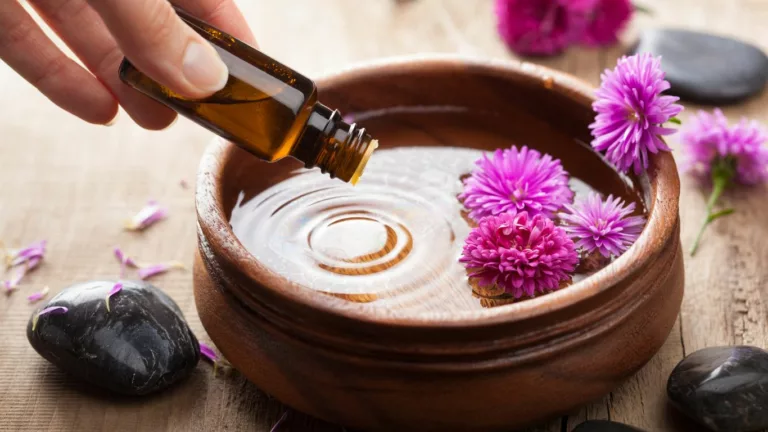
How Perfume Overload Can Trigger Debilitating Migraines
If you’ve ever been trapped in an elevator with someone who thinks half a bottle of perfume is an acceptable amount, you’ll know exactly what I’m talking about. It’s not just an annoyance for those of us sensitive to strong scents—it’s a full-blown migraine trigger. Trust me, I’ve had to leave more than one family gathering early because of Aunt Linda’s obsession with floral overkill. Perfume overload isn’t just a quirk; it can be a genuine health hazard for migraine sufferers.
Why Do Strong Scents Like Perfume Trigger Migraines?
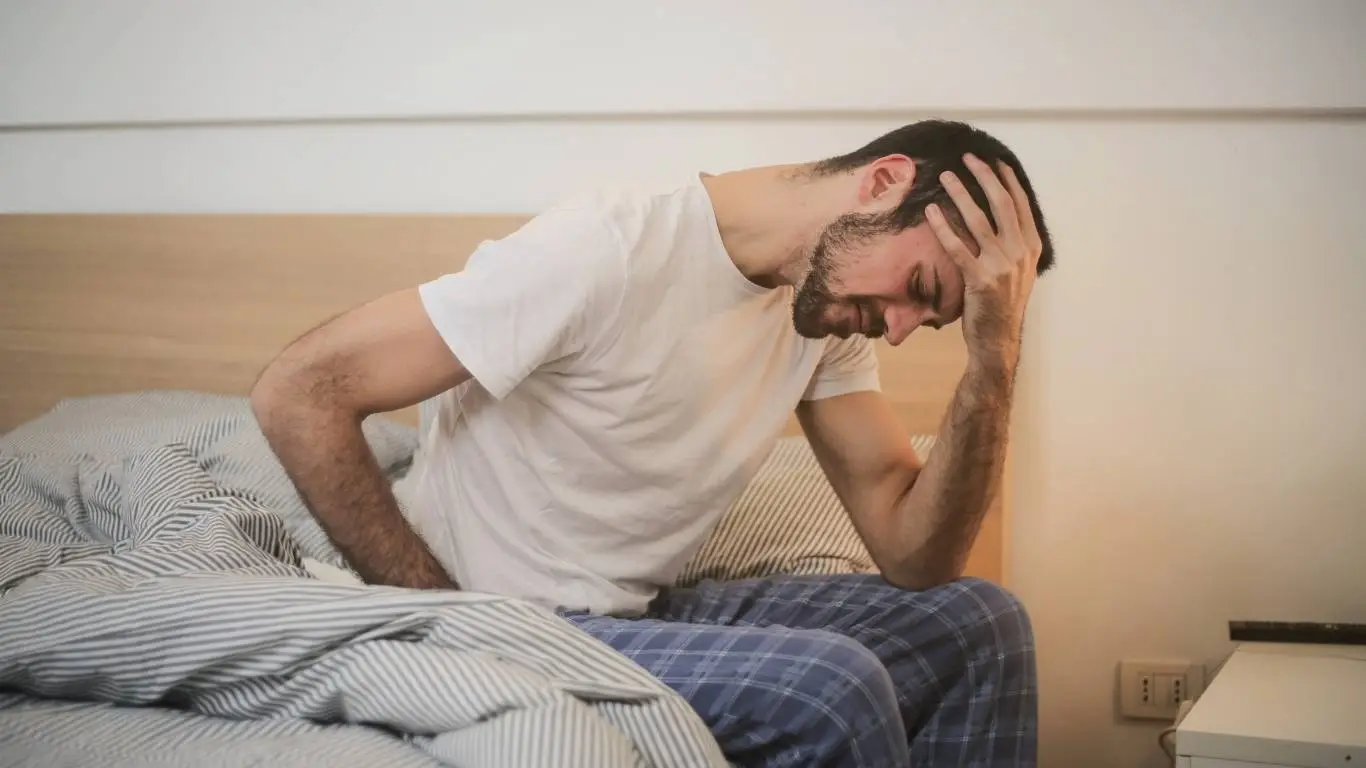
The connection between overpowering odors and migraines is often misunderstood. People assume it’s just about disliking a smell, but for those prone to migraines, it’s a complex neurological reaction. When exposed to potent fragrances, our olfactory system can overstimulate certain brain pathways. This leads to a cascade of events that ends with a pulsating headache, nausea, and even visual disturbances.
There’s actually a scientific term for scent-triggered migraines—osmophobia. Not everyone with migraines has it, but for those who do, even a subtle whiff of a strong scent can be the spark that ignites hours of pain. Studies from NCBI suggest that osmophobia is present in over 40% of migraine patients.
Perfume Overload: The Invisible Assault
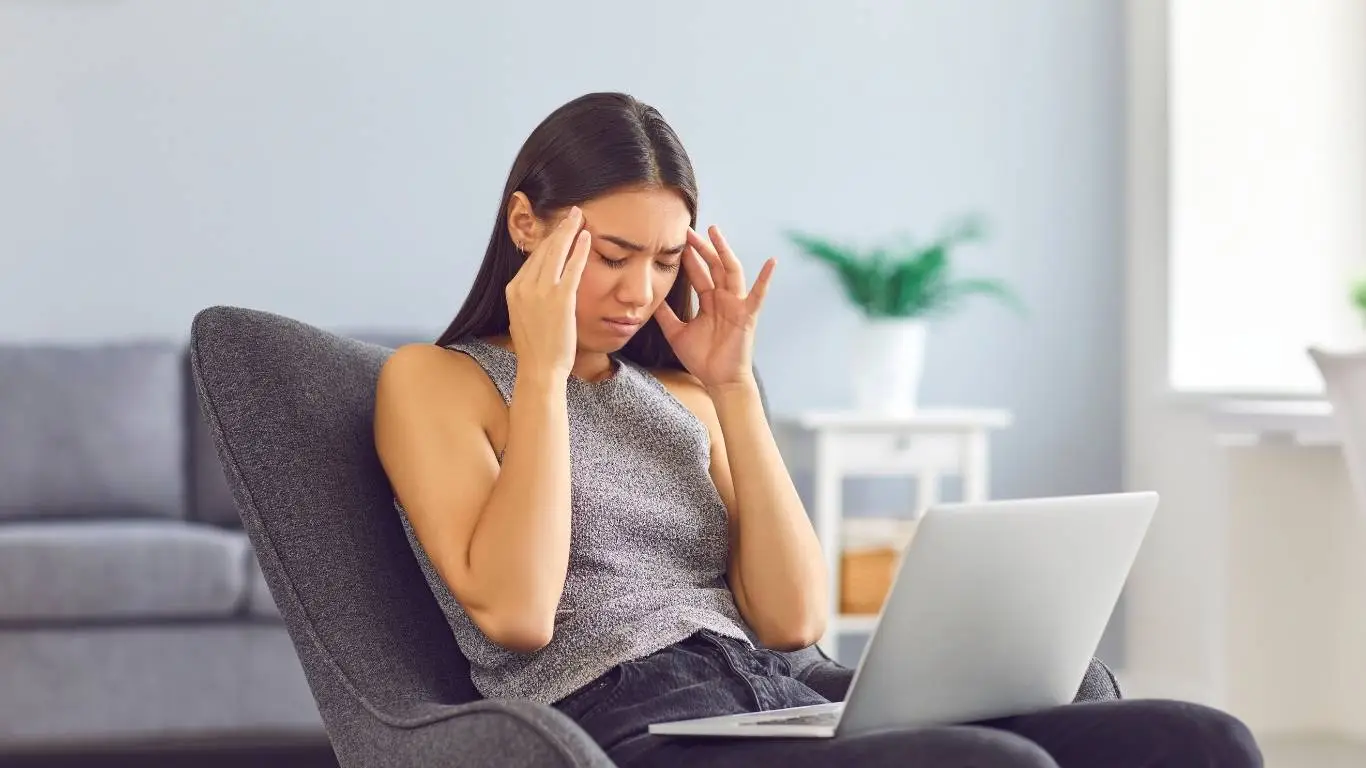
Let’s talk about “perfume overload.” It’s not just that someone is wearing fragrance; it’s that they are wearing way too much of it. The cloud of scent doesn’t stay politely on their skin—it fills entire rooms, lingers on fabrics, and seeps into shared airspaces. For migraine-prone individuals, it’s like an invisible assault on the senses.
There’s a subtle yet dangerous difference between a gentle dab of perfume and a fragrance bomb. Over-application increases the concentration of volatile organic compounds (VOCs) in the air. These VOCs, according to EPA, are notorious for triggering health problems, including migraines, respiratory issues, and even dizziness.
Common Scents Most Likely to Trigger a Migraine Attack
- Floral Overload: Scents like jasmine, lilac, and rose are infamous for being overused in perfumes. They might smell pleasant in small doses, but they’re a migraine ticking time bomb when overdone.
- Musky Fragrances: These tend to linger heavily in the air, suffocating any hope of fresh oxygen. Personally, musky perfumes are my worst nightmare.
- Woody Notes: While sandalwood and cedarwood sound earthy and calming, their synthetic versions can be aggressively overpowering.
- Sweet & Gourmand Scents: Vanilla, chocolate, and caramel perfumes can be cloying and suffocating, especially in enclosed spaces.
My Personal Battle with Perfume-Induced Migraines
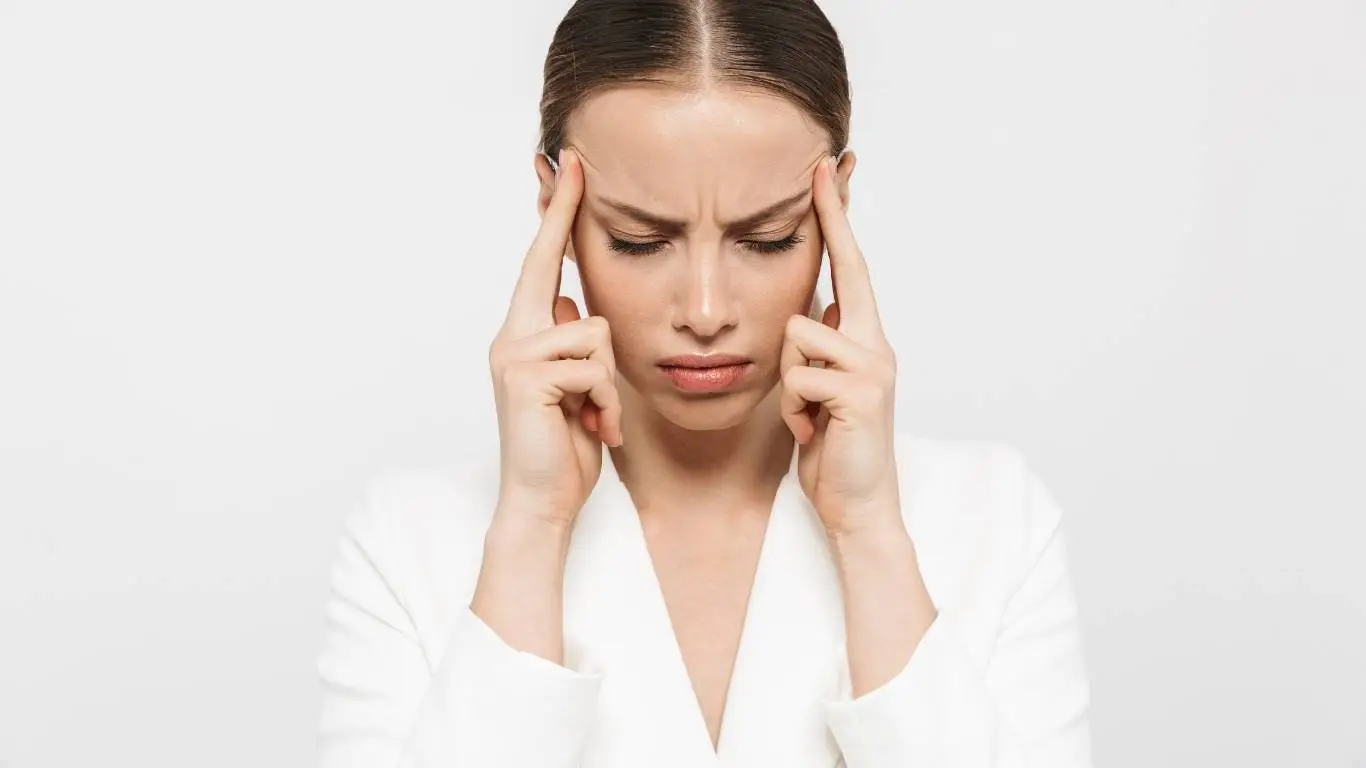
Let me share a quick story. A couple of years ago, I was at a job interview. The room was small, barely ventilated, and the interviewer was drenched in a sweet floral perfume. Within 10 minutes, the telltale signs of a migraine aura started—the shimmering lights, the tingling in my fingers. I could barely make it through the session without asking to lie down. Safe to say, I didn’t get the job, but I did get a brutal 8-hour migraine.
If you’ve experienced something similar, you’re not alone. Many migraine sufferers report sudden attacks after being exposed to perfume-heavy environments. It’s not just annoying—it’s disabling. You can dive deeper into migraine trigger patterns that can worsen with environmental factors like odors.
How to Protect Yourself from Perfume Triggers

- Carry a Light Scarf or Mask: It sounds simple, but having a barrier between you and the scent can reduce exposure dramatically. Ever since masks became a daily accessory, I’ve found they double as a perfume shield.
- Politely Set Boundaries: In personal spaces, don’t hesitate to explain your sensitivity. Most people are understanding if approached gently.
- Choose Seating Wisely: In public settings, opt for spots near doors or windows. This way, you have an escape route if needed.
- Avoidance of High-Risk Zones: Department stores’ fragrance sections are a no-go zone. The concentration of scents is migraine-pocalypse material.
Other Odor-Related Triggers You Should Watch For

While perfume is a primary offender, it’s not the only one. Strong cleaning agents, scented candles, air fresheners, and even incense sticks can provoke similar reactions. There’s a great breakdown of strong smell-induced migraine patterns that goes beyond just perfumes.
Learning to Read Your Migraine Warning Signs

Migraines often come with a set of early warning signs—auras, mood changes, neck stiffness. Recognizing these can be a game-changer. When I start feeling unusually tired or irritable in a perfume-heavy environment, I know it’s time to find fresh air immediately. It’s vital to educate yourself about migraine warning cues that can help you act before the attack fully develops.
For a comprehensive guide on migraine triggers and patterns, I highly recommend visiting this in-depth pillar article. Additionally, if you’re looking to understand the broader picture of migraine causes and management, don’t miss the main migraine resource hub on Healthusias.
Why Some People Are More Sensitive to Perfume Odors

Ever wondered why certain people can bathe in perfume with zero issues, while others like us are down for the count after a single spritz? It’s not in your head (well, technically it is, but you know what I mean). People with a heightened olfactory sensitivity often have a more reactive trigeminal nerve pathway. This nerve is the main highway connecting scent stimuli to migraine centers in the brain.
Hormonal fluctuations, genetic predispositions, and even past head trauma can amplify this sensitivity. I noticed my reaction to strong odors became significantly worse after my second pregnancy. Research on Mayo Clinic suggests that women, in particular, are more susceptible to scent-triggered migraines due to estrogen level swings.
Perfume-Free Zones: Should They Be a Thing?

This might be a controversial take, but I firmly believe workplaces, schools, and public transit should consider designating perfume-free areas. It’s not about being overly sensitive; it’s about basic health accommodation. Migraine sufferers shouldn’t have to choose between staying productive and avoiding a debilitating headache.
Some forward-thinking offices have already implemented fragrance-free policies, recognizing that heavy perfumes and colognes can impact employee wellness and productivity. There’s an informative read on managing migraines in professional environments that’s worth checking if you’re battling this issue at work.
Essential Steps to Detox Your Personal Space from Odor Triggers

While you can’t control the perfume choices of everyone you meet, you can control your immediate environment. Here are some personal hacks I’ve developed over the years to create a migraine-safe space:
- Switch to Unscented Products: From detergents to personal care items, fragrance-free alternatives are a lifesaver.
- Use Air Purifiers: A high-quality HEPA filter can reduce airborne irritants dramatically.
- Ventilate Often: Open windows whenever possible to let in fresh air and flush out lingering scents.
- Opt for Natural Fresheners: When I want my home to smell pleasant, I go for natural solutions like simmering lemon slices instead of chemical-laden sprays.
When to Seek Medical Advice for Scent-Induced Migraines

If your migraines are escalating in frequency or severity, especially after scent exposure, it’s time to consult a neurologist. Treatments like CGRP inhibitors, biofeedback therapy, or even prescription preventive medications might be necessary if lifestyle adjustments aren’t enough. You can explore more about migraine diagnosis procedures and how specialists determine treatment plans tailored to your triggers.
Another avenue worth exploring is working with a headache specialist who understands environmental triggers. They can help you establish a practical management plan that doesn’t rely solely on medication but includes behavioral strategies and trigger-avoidance techniques.
Can You Desensitize Yourself to Perfume Triggers?
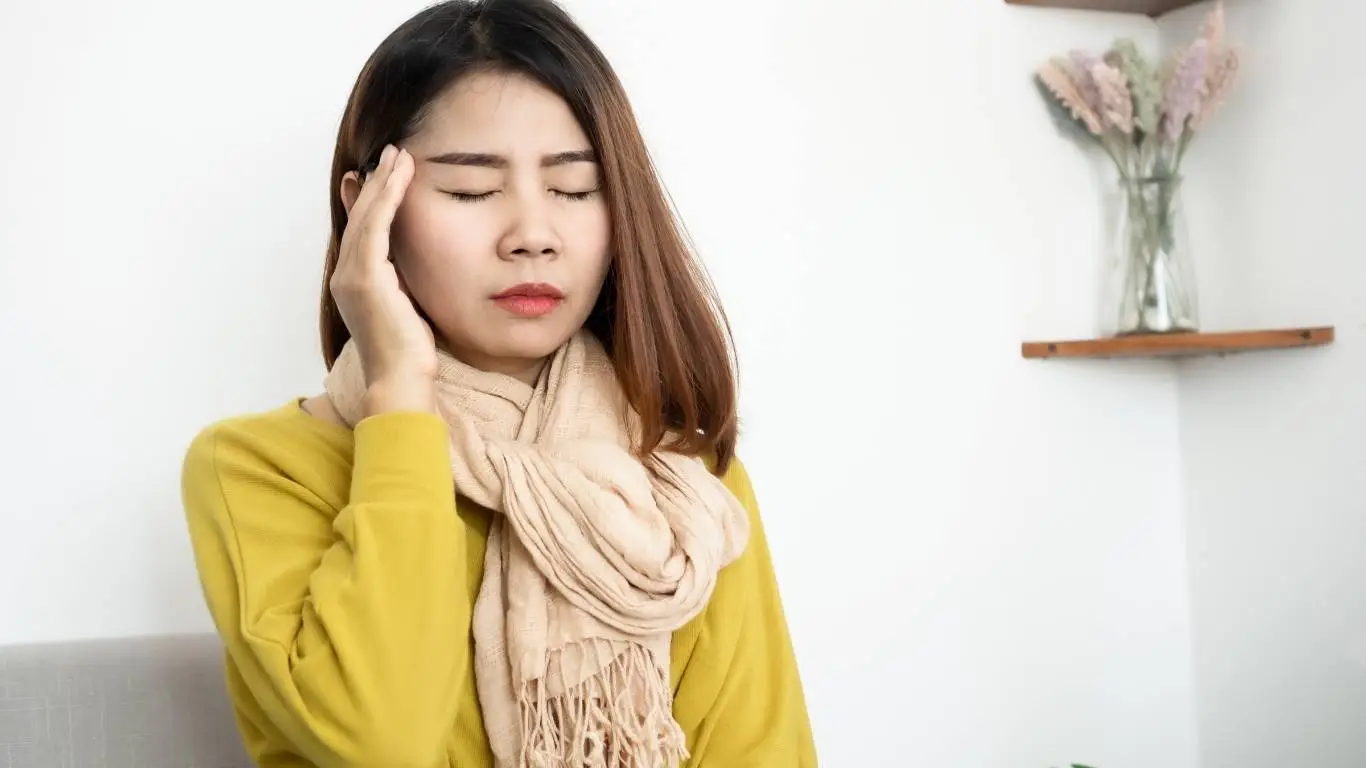
This is a tricky question. Some experts believe gradual exposure therapy might help reduce sensitivity over time, but for many migraine sufferers, this approach can backfire. Personally, I’ve found that avoiding known triggers consistently is a much safer bet than trying to “train” my brain to tolerate them.
That being said, choosing low-VOC, natural essential oil-based perfumes (in very light concentrations) can sometimes be tolerable for sensitive individuals. But it’s a delicate experiment that should be approached cautiously. More on managing sensory sensitivities with migraines can offer insights into how controlled exposure might work in certain cases.
Natural Remedies to Combat Odor-Induced Migraines

Not every migraine calls for reaching into the medicine cabinet. Over the years, I’ve built a toolkit of natural remedies that help lessen the blow of an oncoming perfume-induced migraine:
- Essential Oil Diffusion (Ironically!): Pure peppermint or lavender essential oils, used in moderation, can sometimes counteract the offensive odor and provide relief.
- Cold Compress Therapy: Applying a cold pack to the back of the neck reduces inflammation and can dampen migraine intensity.
- Hydration & Electrolytes: Migraines love to strike when you’re dehydrated. Keeping a bottle of electrolyte-infused water on hand is non-negotiable for me.
- Breathing Exercises: Guided breathing helps calm the nervous system. A few minutes of slow, intentional breathing can buy you precious time before the migraine worsens.
For a more extensive list of natural treatments, I recommend diving into natural remedies for migraine relief that cover various holistic approaches beyond just odor management.
Social Etiquette: How to Address Perfume Overload Without Awkwardness

Bringing up the topic of “perfume overload” can feel uncomfortable, but it’s often necessary. Here’s a conversational approach that’s worked for me:
- Start with Empathy: “Hey, I know your perfume smells lovely, but I have a pretty severe sensitivity that triggers migraines. Would you mind going lighter next time?”
- Offer Solutions: Suggest fragrance-free alternatives or moving meetings to better-ventilated areas.
- Make It About Health, Not Preference: Framing it as a medical issue usually disarms defensiveness.
You’ll be surprised how many people are willing to adjust when they realize the genuine health impact their perfume choice has on others.
Taking Control Over Your Migraine Triggers
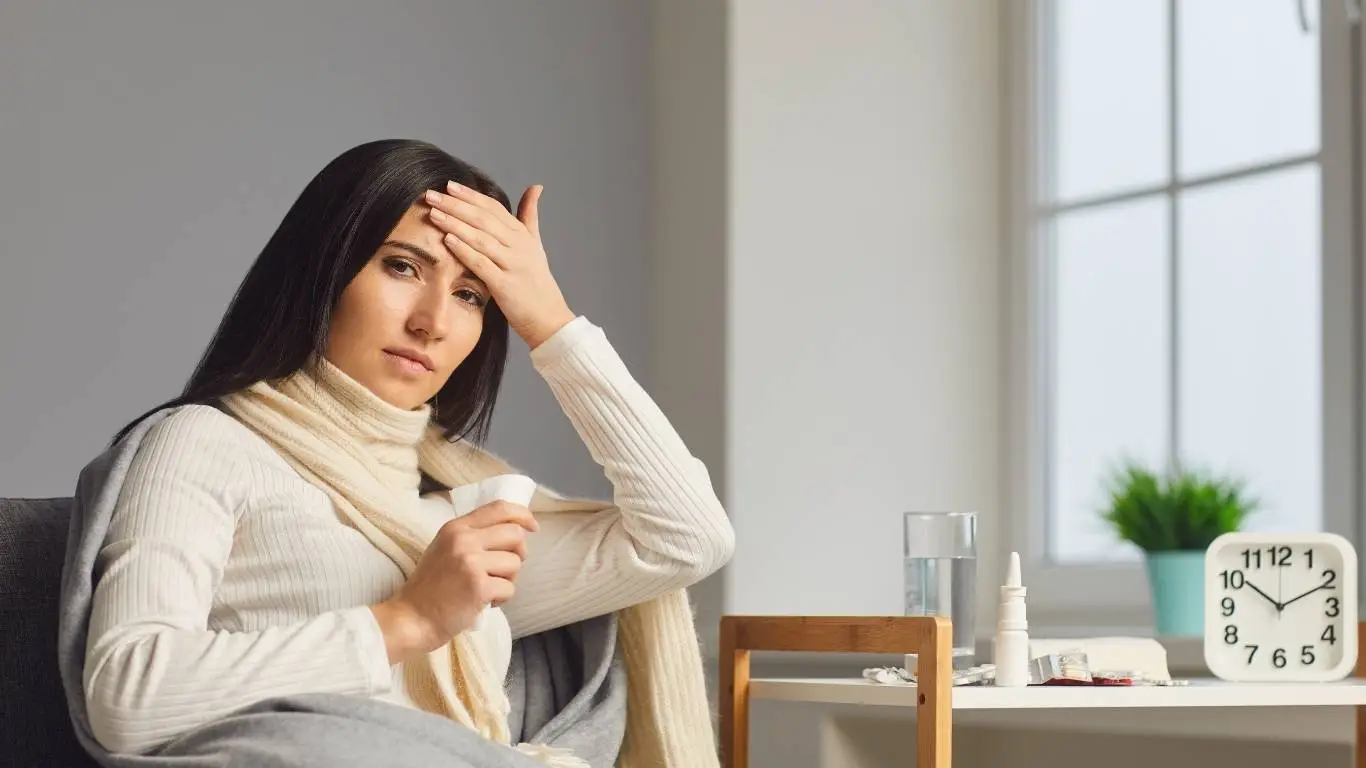
Living with scent-induced migraines isn’t easy, but it’s manageable. The more you understand your personal triggers and develop proactive strategies, the less power they have over your life. It’s about creating boundaries, being your own advocate, and building a migraine-friendly lifestyle.
If you’re keen to explore the broader landscape of migraine prevention strategies, don’t miss this detailed guide on migraine prevention tactics. For a holistic overview of migraine management, visit the central hub at Healthusias’ migraine resources.

Bianca Nala is a compassionate Nurse Practitioner with a strong background in primary and respiratory care. As a health writer for Healthusias.com, she combines her clinical expertise with a talent for clear, relatable storytelling to help readers better understand their health. Bianca focuses on topics like asthma, COPD, chronic cough, and overall lung health, aiming to simplify complex medical topics without losing accuracy. Whether she’s treating patients or writing articles, Bianca is driven by a single goal: making quality healthcare knowledge accessible to everyone.