
How To Stop Summer Humidity And Sweat-Triggered Migraine Attacks
Ever had one of those days when the summer heat feels like it’s wrapping your head in a pressure cooker? Yeah, been there. I used to think migraines were just bad headaches, but oh boy, summer humidity combined with sweat-triggered migraines is a next-level experience. It’s not just the heat; it’s the suffocating air, the relentless sweat, and that familiar pulsating throb behind the eye that turns a sunny day into a survival mission. Let’s break down what’s really going on and why your migraines might be teaming up with summer’s worst features.
Why Does Summer Humidity Mess with Migraines?

Humidity is sneaky. Unlike direct sunlight, you don’t see it, but you feel it—the sticky skin, the heavy air that makes breathing a chore. For those prone to migraines, this damp environment is like a trigger cocktail. When sweat doesn’t evaporate properly due to high humidity, the body struggles to regulate temperature, leading to internal stress signals. Guess who gets affected first? Yep, your head.
Research suggests that shifts in barometric pressure, which often accompany high humidity, can cause blood vessels in the brain to expand, setting off a migraine chain reaction. If you’re curious about how weather changes trigger migraines, it’s worth diving into the mechanics of atmospheric headaches.
Sweat-Triggered Migraines: More Than Just Dehydration
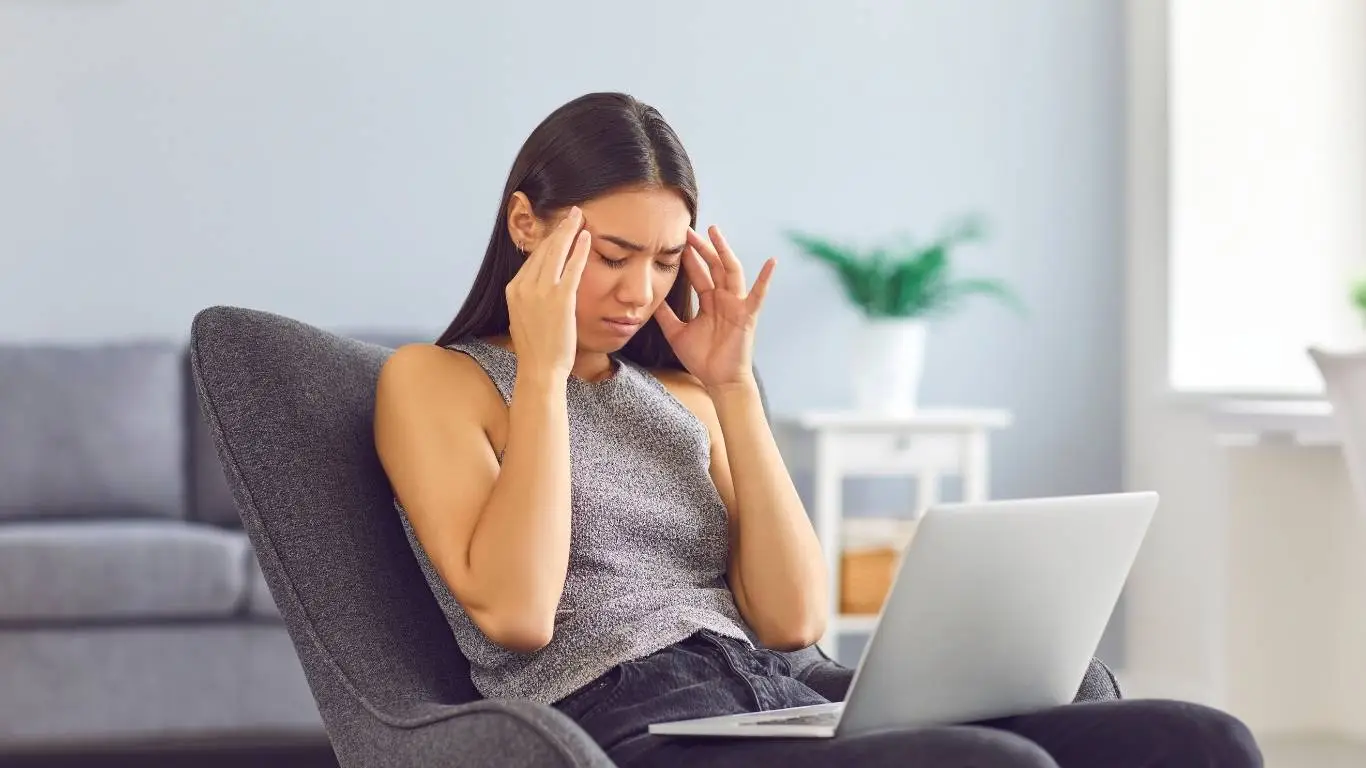
It’s easy to blame dehydration, but sweat-induced migraines are a bit more complex. I used to chug water thinking it would ward off the looming headache after a sweaty jog, but hydration alone didn’t cut it. The issue? Electrolyte imbalance. When you sweat buckets, you’re not just losing water—you’re losing sodium, potassium, magnesium—all critical for nerve function and muscle contractions.
Signs Your Sweat is a Migraine Culprit
- Persistent throbbing even after cooling down
- Dizziness that feels like the ground is shifting
- Cramping or muscle twitching in addition to headache
- Increased sensitivity to light and sound post-exercise
If this list feels too familiar, you’re not alone. For a deeper dive into why dehydration and electrolyte loss are tied to migraines, check out the expert-backed articles.
Hidden Triggers in Summer Lifestyle Habits

Let’s be honest, summer habits don’t help. From iced coffees that mess with caffeine levels to late-night barbecues throwing off sleep schedules, it’s like we’re setting migraine traps for ourselves. Speaking from experience, skipping meals during hot days was my biggest downfall. The blood sugar crash hits like a freight train when you’re already battling heat stress.
Common Culprits You Might Be Overlooking:
- Cold Air Overexposure: Blasting the AC after being in the sun can cause a rapid temperature shift, a known migraine spark.
- Excessive Screen Time: Indoor refuge often leads to screen binges. The glare? Migraine fuel. Learn more about screen-time-induced migraines.
- Hidden Caffeine Withdrawal: Swapping hot coffee for cold sugary drinks? The caffeine inconsistency can throw your body into withdrawal mode, triggering headaches.
One of the most insightful resources on identifying personal migraine patterns is maintaining a Migraine Diary. It sounds tedious, but believe me, it’s a game-changer in catching subtle, lifestyle-related triggers.
How Hormones, Sweat, and Summer Heat Team Up
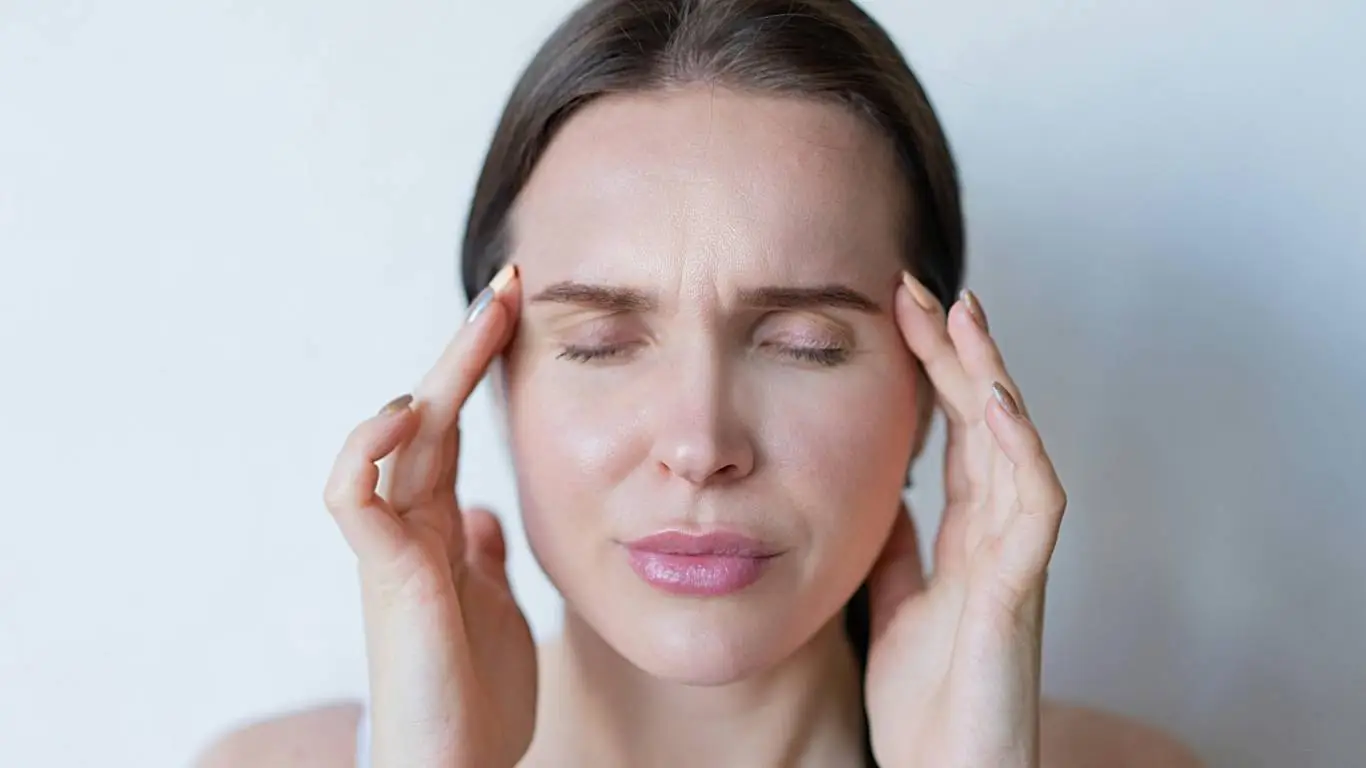
For women, there’s an extra layer of complexity. Hormonal fluctuations don’t take a summer break. In fact, factors like heat-induced stress, irregular eating patterns, and dehydration can amplify hormonal migraines. This is particularly true during menstruation or for those with hormonal imbalances like PCOS.
Curious about how hormones play into your summer migraines? This detailed guide on hormonal migraine triggers sheds light on the connection.
Effective Ways I Beat the Summer Sweat-Migraine Loop

Trial and error were my best teachers. Over time, these small adjustments made a massive difference in avoiding the dreaded summer headache spiral:
- Pre-hydration with electrolytes—plain water isn’t enough; a light electrolyte mix before stepping out did wonders.
- Slow temperature transitions—avoiding sudden jumps from outdoor heat into a freezing room kept the migraine monster at bay.
- Screen filters and blue-light glasses—especially during midday screen work sessions. I picked this tip from blue-light sensitivity research.
- Smaller, frequent meals—to avoid the sugar crash that so often sneaks up during active summer days.
For a broader look at prevention strategies, don’t miss this comprehensive resource on migraine prevention techniques.
And if you’re someone who just stumbled into the migraine rabbit hole, start with this main overview on Migraines and Headaches for a solid foundation of understanding.
Cooling Techniques That Actually Work (No Gimmicks)

Ice packs on the neck? Classic. But trust me, not all cooling methods are created equal when battling summer humidity-induced migraines. I used to throw random ice packs on my forehead, only to realize later that targeting specific pressure points like the back of the neck and temples works way better. The trick is controlling body temperature without shocking your system. Sudden cold might actually make things worse.
I’ve found rotating between cool compresses and lukewarm showers eases the migraine buildup during heatwaves. If you want to geek out on how hot-cold therapy influences migraine patterns, check this out: hot and cold migraine therapy guide.
Managing Humidity Indoors: Beyond Just Air Conditioning

Let’s be real—most of us can’t spend all day indoors under the AC. And even when we do, there’s a hidden villain: poor indoor air quality. Excess moisture builds up inside, leading to stuffy air that’s just as migraine-inducing as the outdoors.
Here’s what worked for me (after countless sweaty, head-throbbing afternoons):
- Invested in a good dehumidifier to balance indoor air.
- Switched to humidity-friendly ceiling fans to keep air circulating gently, not blasting directly on me.
- Started tracking indoor barometric changes—because yep, indoor pressure shifts are a thing too. You can explore smart devices for that here.
Outdoor Habits to Rethink If You’re a Sweat-Triggered Migraine Sufferer

For those who love being outdoors, giving up sunny walks or weekend hikes isn’t an option. But small habit tweaks saved me from countless migraine episodes. Simple shifts like:
- Timing outdoor activities early morning or late evening to dodge peak humidity spikes.
- Wearing breathable, moisture-wicking fabrics (synthetic blends—not cotton!) to help sweat evaporate effectively.
- Carrying cooling sprays for quick face and neck mists on-the-go. Instant relief when you feel that first sign of throb.
If you’re into outdoor workouts, be cautious. Vigorous activities can intensify head pain during hot seasons. I highly recommend this article on exercise and migraine relationships.
Nutrition Hacks That Helped Me Outsmart Summer Migraines

When it comes to food, subtle changes make a world of difference. During summer, it’s less about what you eat and more about when and how consistently. I learned (the hard way) that skipping lunch to “stay light” in the heat was a terrible idea. Blood sugar dips combined with electrolyte depletion is a migraine landmine.
What Worked for Me?
- Eating smaller meals every 2-3 hours to keep energy stable.
- Choosing hydrating snacks like watermelon, cucumber, and coconut water—bonus: they help with electrolyte replenishment.
- Limiting salty snacks (even though cravings hit hard) to avoid unnecessary sodium spikes.
If you’ve been wondering about specific foods that are migraine-friendly, especially during summer, I highly recommend this breakdown of the best foods for migraine sufferers.
The Role of Sleep (And Why Summer Can Wreck It)

Summer sleep is a cruel joke for migraine warriors. I used to toss and turn, sweaty and uncomfortable, only to wake up with a full-blown migraine before the day even started. The culprit? Inconsistent sleep patterns and body temperature dysregulation.
Here’s what helped me regain control:
- Using cooling gel pillows—they’re a life-saver for hot nights.
- Switching to lightweight bamboo sheets that don’t trap heat.
- Setting up a pre-bedtime cooling routine: lukewarm showers + electrolyte-rich drink (like coconut water) 30 minutes before bed.
If your sleep patterns seem to fuel your migraine cycles, this guide on sleep habits and migraine is a must-read.
Smart Tools That Helped Me Stay Ahead of Summer Migraine Triggers

Tech can be a double-edged sword with migraines, but certain devices made a noticeable difference for me. For instance, a simple smartwatch that tracks humidity levels and prompts hydration reminders turned out to be a game-changer. I’ve also dabbled with wearable devices specifically designed to disrupt migraine onset. You can explore options in this comprehensive guide on migraine relief devices.
Reclaiming Summer: Small Wins Add Up

At the end of the day, managing summer-humidity and sweat-triggered migraines isn’t about drastic life changes. It’s the sum of small, intentional adjustments that builds your defense system. Trust me, once you start recognizing your unique triggers and arming yourself with the right tools, the difference is massive. I no longer dread summer—I’ve learned to work with it, not against it.
For a detailed understanding of how to identify all your migraine triggers, don’t miss this essential resource on Migraine Triggers.
If you’re just beginning this journey, the foundational guide on Migraines and Headaches will give you the clarity you need to navigate the chaos.

Bianca Nala is a compassionate Nurse Practitioner with a strong background in primary and respiratory care. As a health writer for Healthusias.com, she combines her clinical expertise with a talent for clear, relatable storytelling to help readers better understand their health. Bianca focuses on topics like asthma, COPD, chronic cough, and overall lung health, aiming to simplify complex medical topics without losing accuracy. Whether she’s treating patients or writing articles, Bianca is driven by a single goal: making quality healthcare knowledge accessible to everyone.