
How Muscle Imbalances Cause Back Pain And How To Fix Them
Let me tell you, I learned the hard way how small muscle imbalances can spiral into a full-on back pain nightmare. One day, you’re just a little tight after a workout, and the next, you’re wincing every time you stand up. If you’re nodding along, you’re definitely not alone. Muscle imbalances are one of those sneaky, often-overlooked culprits behind persistent back pain. And no, it’s not just a fitness issue — it affects folks from desk workers to athletes. Here’s how it happens, what to watch out for, and what you can actually do to fix it — without spending your life in a chiropractor’s waiting room.
How Muscle Imbalances Sneak Up On You

Your muscles are designed to work in harmony — but when certain ones get too tight while others weaken, things go sideways. Literally. That imbalance throws your posture off and shifts pressure onto the wrong areas of your spine.
Common Causes of Muscle Imbalances
- Prolonged sitting — especially at a desk without ergonomic support
- Favoring one side of the body — carrying a bag on one shoulder, crossing the same leg
- Overtraining certain muscles — like chest and quads, while neglecting back and glutes
- Previous injuries — leading to compensation patterns in movement
Most people don’t even realize it’s happening until the pain starts. One side of your lower back starts to nag, your hamstrings feel tighter than guitar strings, and getting out of bed suddenly becomes a calculated maneuver.
What It Feels Like: Muscle Imbalance-Driven Back Pain

This isn’t your standard post-workout soreness. Back pain from muscle imbalances often:
- Starts on one side and slowly spreads if untreated
- Feels dull, achy, or like a deep pull — especially after standing or walking
- Gets worse after sitting too long, particularly in slouched or twisted positions
- Doesn’t improve with random stretches — sometimes they even aggravate it
Many people misdiagnose this as a disc issue or general stiffness. But here’s a tip: if stretching your hamstrings or doing sit-ups makes things worse, there’s a good chance it’s a muscle imbalance issue — not a flexibility problem.
The Most Overlooked Muscle Imbalance Patterns

This is where things get interesting. Your back pain might not even originate in your back. Here are the common culprits:
Weak Glutes, Tight Hip Flexors
Classic. Sitting too much shortens your hip flexors and weakens your glutes. This combo tilts your pelvis forward, compressing the lumbar spine. It’s one of the most cited reasons for herniated disc issues.
Overactive Quads, Underused Hamstrings
Especially common in runners and cyclists. The front of the thigh gets dominant, pulling your pelvis out of alignment. Result? You guessed it — back pain.
Dominant Lower Back Muscles, Weak Core
This combo creates instability. Your lower back muscles overwork to compensate for a lazy core, leading to chronic tension and fatigue. Over time, it may even mimic symptoms similar to chronic mechanical back pain.
How to Actually Fix the Imbalance

I’ll be honest — fixing these imbalances isn’t a one-and-done solution. But it’s also not rocket science. You just need a structured approach:
1. Get Assessed (Seriously)
Before guessing which muscles are to blame, a movement screen or postural assessment can save months of trial and error. Physical therapists or certified trainers can help pinpoint patterns. Also, don’t underestimate the role of poor posture — it’s often the silent driver.
2. Start With Inhibition and Activation
Use techniques like foam rolling or massage to calm overactive muscles. Then, immediately follow up with activation drills for the underused ones. It’s a one-two punch that helps rebalance the system.
3. Prioritize Movement Re-education
It’s not just about strengthening or stretching — you need to retrain how you move. Functional patterns, not isolated exercises. Think: hip hinges, glute bridges, and split squats with control.
4. Build Long-Term Support
Rebalancing won’t stick without lifestyle changes. Invest in an ergonomic workspace, take walk/stretch breaks, and make core stability training a regular thing. Consider these yoga poses for back pain to maintain spinal health long term.
Muscle Imbalance vs. Other Causes of Back Pain

It’s important to differentiate. Muscle imbalances are mechanical. They’re different from things like arthritis, inflammatory conditions, or injuries. But the lines can blur, which is why an early and accurate diagnosis is crucial.
In some cases, prolonged imbalance can even lead to nerve compression or joint degeneration. That’s when you might need to explore more advanced options — including conservative treatments for back pain or diagnostics from a specialist.
And for a comprehensive breakdown of different types of back pain and muscle-related issues, visit the main types and anatomy of back pain pillar, as well as the full overview on back pain.
Daily Habits That Quietly Worsen Muscle Imbalances

Honestly, most of us are making our imbalances worse without realizing it. I used to catch myself slouching at my desk or standing with my weight shifted entirely to one leg. Over time, these habits wire themselves into your posture — and your body adapts, poorly.
Here’s what to watch out for in your daily routine:
- Favoring one leg while standing (check yourself while brushing your teeth)
- Sitting with your pelvis tucked or slouching forward
- Crossing the same leg every time you sit
- Sleeping in curled-up positions that reinforce tight hip flexors
If you’re guilty of these (like I was), try catching them in the moment. It’s not about being perfect — just more aware. A simple standing desk or lumbar cushion helped me fix more than a year’s worth of low-back tension. You’d be amazed at how small ergonomic tweaks can have a big impact. If you’re sitting for long hours, these ergonomic office chairs can make a real difference.
Top Movements to Rebalance Your Body

If you’re looking for a workout that tackles the root cause of back pain from imbalances, skip the sit-ups and toe touches. Instead, focus on a well-rounded approach that includes mobility, stability, and control.
Essential Corrective Exercises
- Glute Bridges — help activate and strengthen underused glutes
- Dead Bugs — excellent for building core control without stressing the spine
- Bird Dogs — improves lumbar stability and coordination
- Wall Hip Flexor Stretch — targets tight psoas that pull on your lower back
- Lateral Band Walks — re-activates glute medius and improves hip stability
I still include these in my weekly routine. The key? Slow down and do them well. Sloppy reps don’t count — you have to move with intention. If you need visual guidance, pairing them with these stretches for back pain will accelerate the results.
When to Seek Professional Help

If you’ve been trying corrective exercises for a few weeks and your pain still hasn’t budged — or worse, it’s spreading — it’s time to get evaluated. Trust me, I tried “DIY-ing” my rehab far too long before realizing I was just reinforcing the same bad movement habits.
Who You Should See
- Physical Therapists — ideal for movement assessments and corrective programs
- Chiropractors — helpful for alignment but make sure they offer rehab too
- Sports Medicine Doctors — especially if pain is sharp, shooting, or worsening
Imbalances left untreated can evolve into more serious problems like piriformis syndrome or even nerve compression. A good provider will look beyond just the spine and assess your entire kinetic chain.
Supporting Recovery Through Lifestyle
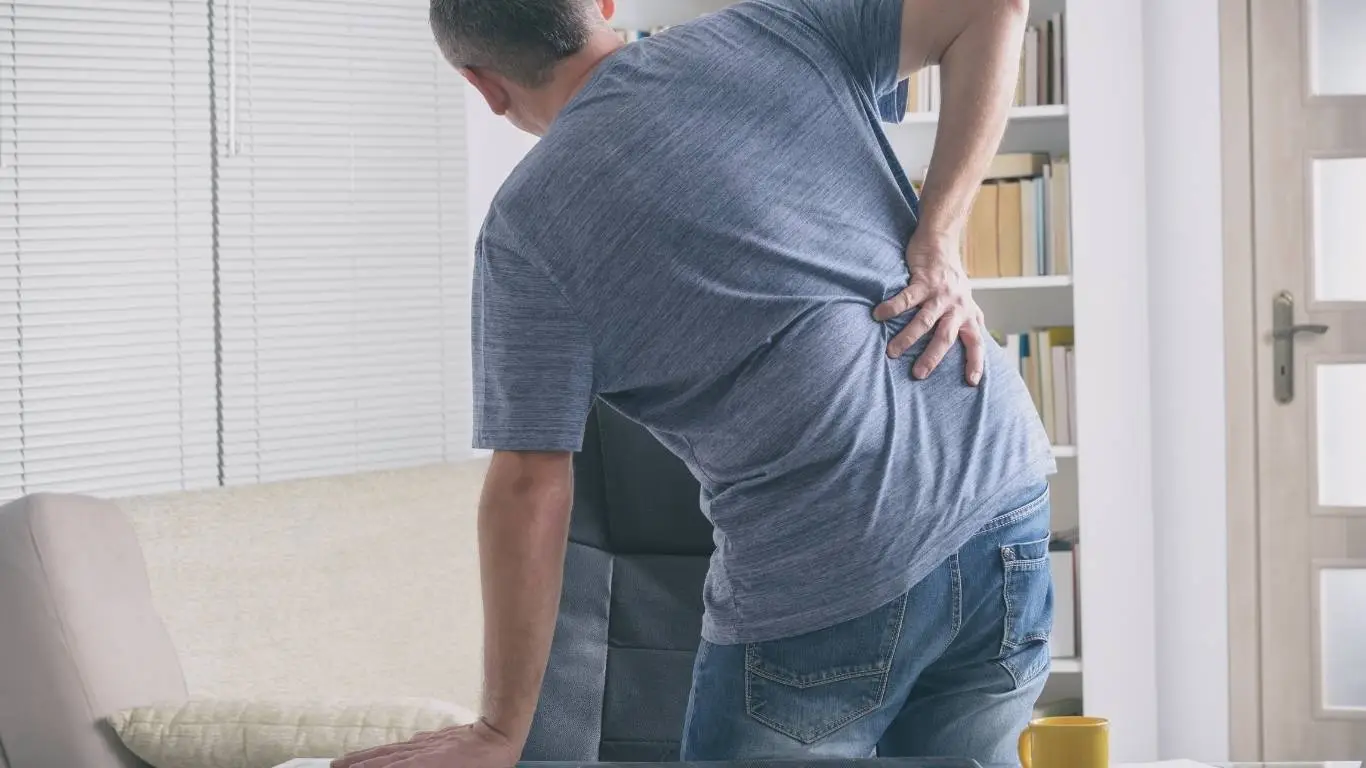
Muscle imbalance recovery isn’t just about exercise — it’s also about recovery, nutrition, and daily choices that support healing. I learned the hard way that working out hard and sleeping poorly is a fast track to staying injured.
Lifestyle Tweaks That Actually Help
- Sleep Better — prioritize side sleeping with a pillow between your knees
- Hydrate More — dehydrated muscles tighten up faster than you’d expect
- Anti-inflammatory nutrition — like omega-3s and turmeric (check this anti-inflammatory diet)
- Strength train — regularly, not excessively, with good form
Even your shoes can throw off your posture. I swapped my flat, unsupportive sneakers for better arch-support pairs and my back honestly thanked me for it. If you’re struggling with pain despite solid training, your footwear might be quietly ruining your alignment. More on that in this guide to back pain and footwear.
Why Prevention Matters More Than Treatment

Here’s the truth — once your body has developed an imbalance, it’ll try to return to that pattern unless you’re actively maintaining good habits. That’s why I keep a mini routine I do every other day: a few glute bridges, bird dogs, and deep squats with a focus on control. It keeps me out of pain and off painkillers.
The good news? Preventing imbalances isn’t a massive lifestyle overhaul. It’s being consistent with small, smart changes. Even something as simple as changing how you sit or using a standing desk can undo years of bad movement.
For anyone serious about long-term back health, understanding the anatomy and chain reactions involved is crucial. I highly recommend reading this in-depth piece on symptoms and diagnosis of back pain to spot early signs before they snowball into chronic problems. And, of course, don’t miss the full breakdown on back pain overall — it covers everything from causes to advanced treatments with clarity.

Camellia Wulansari is a dedicated Medical Assistant at a local clinic and a passionate health writer at Healthusias.com. With years of hands-on experience in patient care and a deep interest in preventive medicine, she bridges the gap between clinical knowledge and accessible health information. Camellia specializes in writing about digestive health, chronic conditions like GERD and hypertension, respiratory issues, and autoimmune diseases, aiming to empower readers with practical, easy-to-understand insights. When she’s not assisting patients or writing, you’ll find her enjoying quiet mornings with coffee and a medical journal in hand—or jamming to her favorite metal band, Lamb of God.