Natural Herbs for Vitreous Health That Truly Improve Eye Clarity
If you’re like me, you’ve probably stared at a blue sky or a blank wall and thought, “What are those tiny squiggly things floating across my vision?” I used to panic a little, thinking it was just me—until I learned they’re called *eye floaters*, and most of us will deal with them at some point. But here’s the thing most people don’t know: the health of your *vitreous*—that jelly-like substance inside your eye—plays a major role. And while modern medicine has its place, I’ve personally seen some incredible changes just by using **natural herbs for vitreous health**. Yep, Mother Nature knows what’s up.
Why Your Vitreous Health Actually Matters
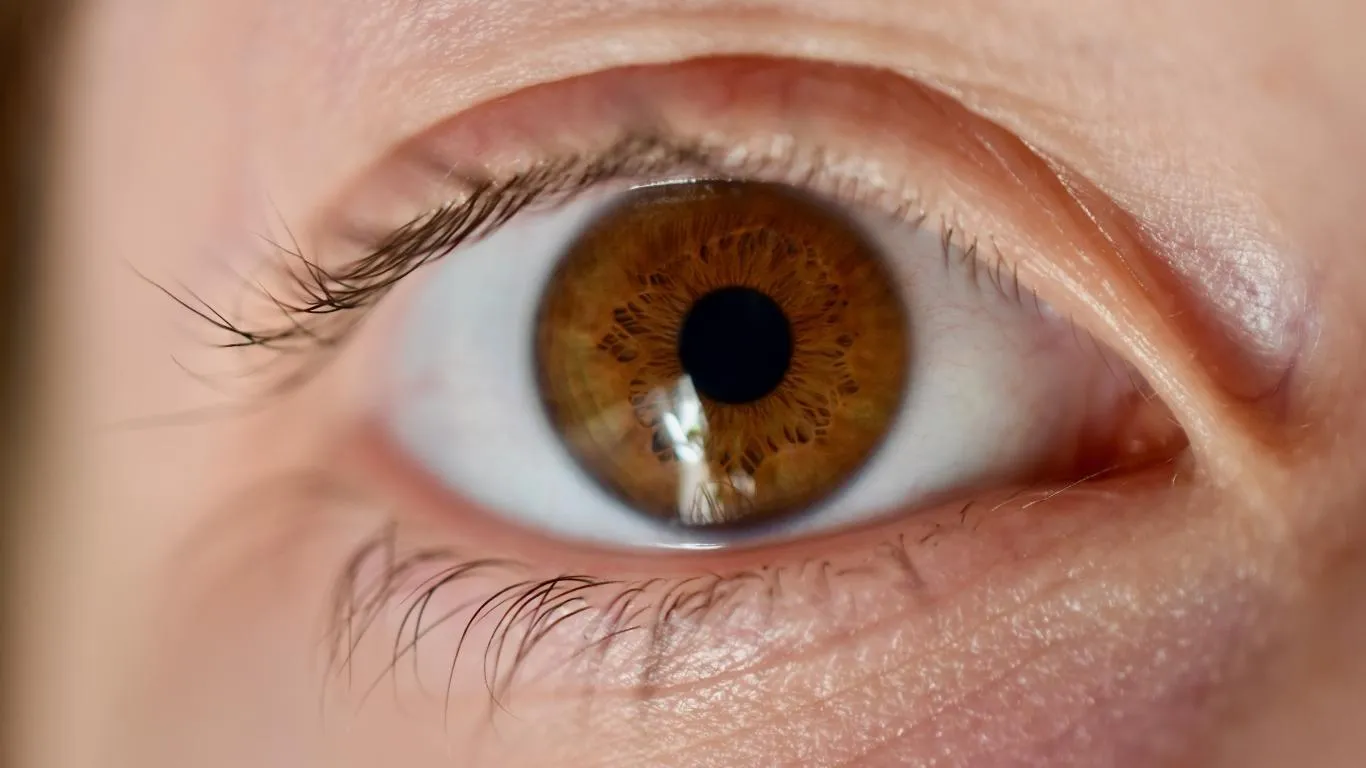
The vitreous is like a cushiony gel that fills up the space between your lens and retina. When it starts to break down or clump, that’s when floaters show up. It’s a natural part of aging—but some people (like me) experience it earlier, often worsened by screen time, poor nutrition, or stress. I actually learned this the hard way during my early 30s. Long nights, zero breaks from digital devices, and a not-so-ideal diet gave me those annoying floaters way too soon.
But here’s the kicker—your vitreous doesn’t get much blood flow. So if it’s struggling, it won’t heal fast. That’s where specific herbs come into play. They support the eye’s delicate internal systems without the side effects you might get from over-the-counter drops or harsh treatments. If you’re wondering whether stress can actually make floaters more noticeable, spoiler: yes, it can.
Top Natural Herbs That Can Support Vitreous Health
1. Bilberry: The Blueberry’s Cool European Cousin
This one was a total game changer for me. I started taking bilberry extract after hearing about its history with WWII pilots—apparently, they ate it for night vision. It’s packed with *anthocyanins*, which help reduce oxidative stress in the eyes. Research from https://www.ncbi.nlm.nih.gov supports its role in improving microcirculation, which is crucial for your vitreous.
2. Ginkgo Biloba: Not Just for Memory
What surprised me was how *ginkgo biloba*, often marketed for brain health, also benefits the eyes. It increases blood flow and reduces inflammation in retinal tissues. I noticed my floaters became less intense over a few weeks of consistent use.
3. Chrysanthemum Flower: The Underdog
This one doesn’t get nearly enough attention. It’s a go-to in Traditional Chinese Medicine for clearing heat from the liver and eyes. For people dealing with inflammation-related floaters, this herb might just be the hidden gem.
4. Eyebright: Aptly Named
This one’s in the name. Eyebright is often found in eye-support blends, and it’s traditionally used for red or irritated eyes. Though not as directly linked to vitreous changes, it complements other herbs by easing overall eye strain.
5. Turmeric (Curcumin): The Anti-Inflammatory King
If you’re already sipping on golden milk, your eyes might thank you too. Curcumin fights inflammation and oxidative damage—two major culprits in vitreous degeneration. Just be sure to take it with black pepper for better absorption.
Signs Your Vitreous Needs Some Herbal Love
- Sudden increase in floaters or black spots
- Flashes of light in your vision
- A shadow or curtain across part of your visual field
- Worsening vision in low light
These symptoms can signal underlying issues that go beyond just “getting older.” For example, black floaters could mean something more serious like vitreous hemorrhage or retinal detachment. If that sounds alarming, it should be. I personally went in for a checkup after seeing a black thread-like floater that didn’t go away—it turned out to be early signs of posterior vitreous detachment. You can read more on that in this detailed article.
Are Herbs Alone Enough?
Honestly? No. Think of herbs as part of the toolkit. You still need to hydrate properly, eat antioxidant-rich foods, and avoid prolonged screen exposure. I also try to go outside without sunglasses for a few minutes in the morning (sunlight is nature’s medicine when done right). There’s a helpful piece on how dehydration worsens floaters, which I’d highly recommend.
There are also some pretty advanced but natural-friendly approaches you might not have considered yet. This pillar article breaks down natural ways to manage floaters and separates fact from fiction—definitely worth bookmarking. And for a complete view on causes, symptoms, and treatment, here’s the main pillar guide.
Building an Eye-Supportive Routine That Actually Works
It’s one thing to know what herbs help your vitreous, and another to actually make them part of your daily life. I used to think, “I’ll just grab a supplement and call it a day.” Nope. That didn’t cut it. What finally made a difference was building an intentional routine that supported my eye health from multiple angles—starting with morning habits.
- Start your day hydrated: A full glass of water with a pinch of sea salt helps rehydrate your cells—including the ones in your eye’s vitreous. Dehydration is seriously underestimated in eye health.
- Follow with an antioxidant-rich breakfast: I add blueberries, chia seeds, and a turmeric latte. Bonus if I can squeeze in bilberry capsules before 10 a.m.
- Take eye breaks seriously: Every 20 minutes, I look out the window and blink intentionally. Sounds silly, but over time it has reduced eye strain drastically.
- Evening routine: Before bed, I’ll take eyebright tea with chrysanthemum. It’s calming and doesn’t mess with my sleep like some synthetic drops did.
Routines like this might sound small, but over weeks, they helped reduce my floater density and frequency—especially during screen-heavy days.
Herbal Synergy with Food: What Pairs Well
One mistake I made early on was taking herbs without adjusting my diet. Huge mistake. You can’t out-herb a junk food habit. Your vitreous is extremely sensitive to oxidative stress, and that means your meals matter—big time. Here’s what I now combine with my herbal intake:
- Vitamin C-rich foods like kiwi, bell peppers, and oranges boost collagen and help protect the vitreous gel.
- Omega-3 fatty acids from wild-caught salmon or flax seeds reduce inflammation. These work hand-in-hand with turmeric and ginkgo.
- Leafy greens like kale and spinach give you lutein and zeaxanthin, both essential for retinal and vitreous protection.
Also, watch your blood sugar. High glucose levels degrade proteins in the eye and worsen floaters. That’s why people with diabetes often experience more intense floaters—check out this link for the science behind it.
When to Consider Other Options—And What to Avoid
Look, I’m all for herbs and natural approaches, but I’ve also learned when not to push it. If you notice floaters that suddenly multiply, or flashes of light, or a loss of peripheral vision—don’t wait. These could indicate a retinal tear or detachment. This article walks through what those warning signs look like.
Also, not all supplements are created equal. I once ordered a cheap turmeric blend online that was filled with fillers—my stomach hated me for it. Now I always look for brands with third-party testing and transparent sourcing. Talk to your eye doctor if you’re combining herbs with medications. There’s a useful breakdown on steroid eye drops and floaters that helped me understand what to avoid.
How Lifestyle Shapes Vitreous Aging
The more I researched and experimented, the more I realized how much lifestyle plays a role. Your vitreous can age faster due to smoking, sleep deprivation, or even screen addiction. I was shocked to learn that something as simple as poor sleep can increase floaters—read more about it here.
One underrated factor? Stress. Chronic stress changes your cortisol levels, which then interferes with ocular blood flow. That’s part of the reason why floaters can flare up during anxious weeks. I try to meditate 10 minutes a day, and it’s helped me manage both my mental state and my vision.
Where to Learn More and Stay Informed

If you’re serious about addressing your floaters naturally, I highly recommend this in-depth resource on eye floater treatments—it walks through everything from observation to laser surgery, helping you make an informed choice based on severity. And if you haven’t yet, be sure to read this main article that lays the foundation for understanding floaters overall.
At the end of the day, it’s about creating a lifestyle that supports your eyes long-term. The natural herbs for vitreous health won’t give you overnight results—but give it time, consistency, and respect the process, and you just might be surprised how much clearer your vision becomes.

Camellia Wulansari is a dedicated Medical Assistant at a local clinic and a passionate health writer at Healthusias.com. With years of hands-on experience in patient care and a deep interest in preventive medicine, she bridges the gap between clinical knowledge and accessible health information. Camellia specializes in writing about digestive health, chronic conditions like GERD and hypertension, respiratory issues, and autoimmune diseases, aiming to empower readers with practical, easy-to-understand insights. When she’s not assisting patients or writing, you’ll find her enjoying quiet mornings with coffee and a medical journal in hand—or jamming to her favorite metal band, Lamb of God.