Natural Ways to Manage Eye Floaters: Fact or Fiction?
Ever been caught off guard by those tiny cobwebs or translucent spots drifting across your vision? You’re not alone—I’ve had a few sudden moments thinking something was darting past my eyes, only to realize it was just a floater. For many of us, eye floaters are more annoying than dangerous. But when they start interfering with everyday life, it’s only natural to wonder: is there anything we can *really* do about them without heading straight for the clinic?
Understanding Eye Floaters from a Natural Lens
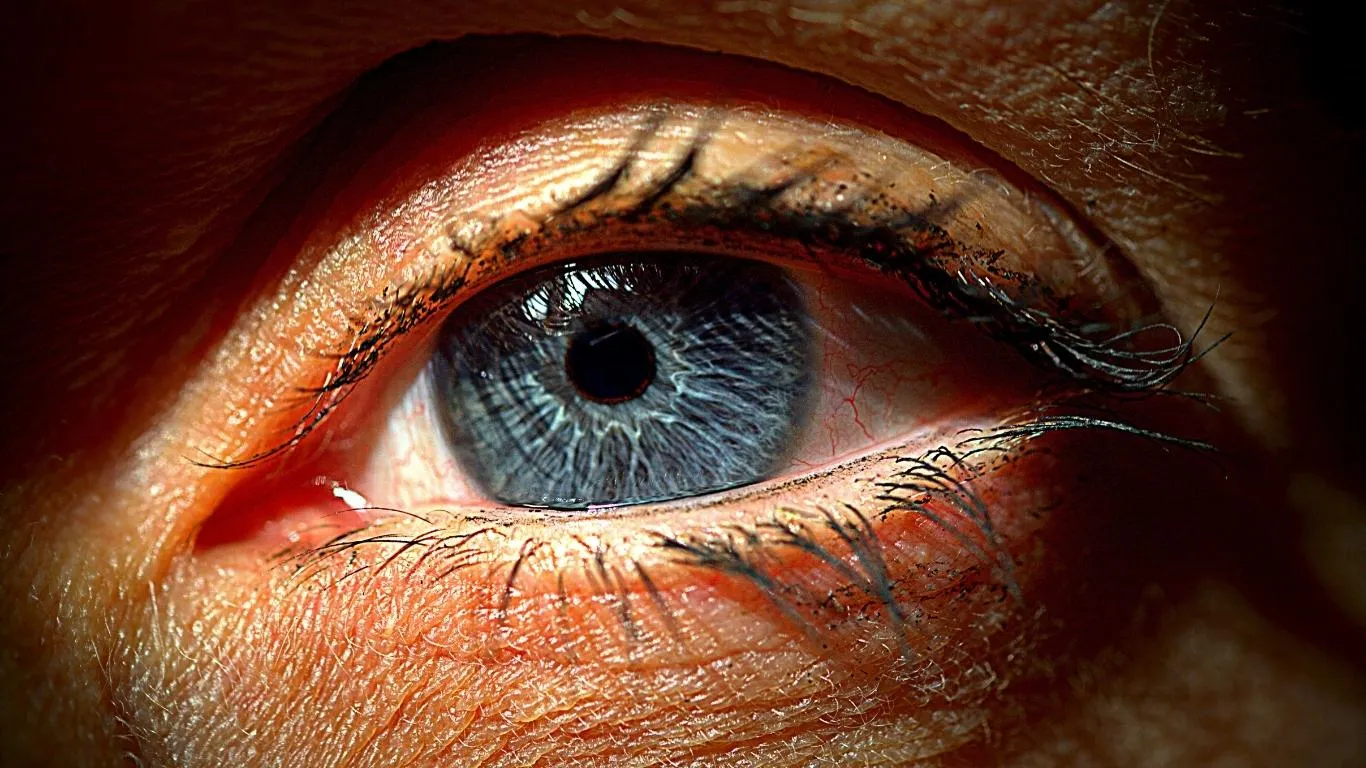
Before we dive into what nature might offer, let’s quickly recap what these squiggly nuisances actually are. Eye floaters are essentially tiny clumps of collagen or cells floating inside the vitreous—the gel-like substance in your eyeball. As we age, the vitreous slowly shrinks and becomes more liquid, causing these floaters to appear more often.
Now, not all floaters are created equal. Some are barely noticeable, while others seem to play tag with your line of sight. While they’re typically harmless, a sudden increase or a shower of floaters can indicate something more serious, like retinal detachment. So always consult an eye specialist first if you’re unsure.
Can Natural Remedies Really Help?

I used to squint and wave my hand trying to chase a particularly stubborn floater away—spoiler alert, that doesn’t work. So like many of you, I turned to the internet, friends, and even a local herbalist for advice. Here’s what I found out (and tried) over time.
1. Antioxidant-Rich Diet
There’s growing chatter in wellness circles that antioxidants can help slow floaters—*not erase them*, but possibly reduce their progression. The theory? Free radicals contribute to the breakdown of the vitreous. So fighting them with antioxidants might help.
- Vitamin C – Found in citrus fruits and bell peppers
- Lutein & Zeaxanthin – Abundant in leafy greens like kale and spinach
- Vitamin A – Think carrots, sweet potatoes, and mangoes
I personally started loading up on green smoothies (kale + orange + banana = delicious) and noticed fewer new floaters over a few months. Coincidence? Maybe. But I’m not complaining.
2. Hydration: Simple but Overlooked
Weirdly enough, one optometrist told me that dehydration might worsen floaters. I began tracking my water intake and made it a goal to hit 2 liters a day. Staying hydrated helps keep the vitreous in a healthier, more gel-like state.
3. Herbal Supplements
This is where it gets a little controversial. Some people swear by herbs like:
- Bilberry Extract – Known for supporting retinal health
- Ginkgo Biloba – Claimed to improve ocular blood flow
- Turmeric (Curcumin) – Anti-inflammatory properties
While there’s limited scientific backing on their direct effect on floaters, I’ve been taking turmeric capsules consistently (for general inflammation anyway) and feel like it hasn’t hurt. Just check with your doctor first, especially if you’re on meds.
Eye Exercises: Helpful or Hype?
Some wellness blogs rave about eye yoga or “floaters tracking exercises.” These typically involve rolling your eyes slowly in circles, focusing on objects at varying distances, or moving your gaze side to side. I’ve tried them—honestly, not a miracle fix, but they seem to relieve eye strain and dryness, especially after long screen time. And that’s a win in my book.
Important: None of these exercises eliminate floaters, but they might improve how your brain processes visual distractions, making floaters less noticeable.
Supplements That Get the Buzz
A quick trip to any supplement aisle will show bottles labeled “vision support,” often filled with a blend of zinc, lutein, and vitamin E. According to the American Academy of Ophthalmology, supplements may help slow age-related vision changes, but don’t expect them to erase floaters overnight.
If you’re considering this route, pick supplements that include:
- Lutein & Zeaxanthin
- Vitamin C, E
- Zinc
- Omega-3 Fatty Acids
I switched to one of these blends after a friend’s recommendation—while I can’t say it worked magic, my eyes have definitely felt less dry and strained.
What Science and Experts Say
The Mayo Clinic emphasizes that floaters are usually harmless and don’t require treatment unless they suddenly worsen. In rare cases, surgical procedures like a vitrectomy or laser vitreolysis are considered—but those are invasive and not risk-free.
For those of us dealing with floaters more as a nuisance than a threat, natural remedies might offer some relief—especially when used to promote general eye health. But don’t expect a miracle.
Want a full breakdown on what causes floaters and when to be concerned? Check out our complete guide on what causes eye floaters and available treatment options.
Lifestyle Tweaks That Might Make a Difference
Here’s the thing: floaters don’t always play by the rules, but making small lifestyle changes has helped me reduce how often I even notice them. I started thinking of my eye health like I would heart health—daily maintenance, long-term payoffs. It’s not about quick fixes; it’s about small shifts that matter.
1. Screen Time Awareness
If you’re like me and stare at screens for hours, you might be familiar with dry eyes and worsened floater perception. I’ve started doing the 20-20-20 rule: every 20 minutes, look at something 20 feet away for 20 seconds. It’s surprisingly helpful. Less eye fatigue, and floaters seem less intrusive when my eyes aren’t strained all day.
2. Sleep and Eye Recovery
Not getting enough sleep? Your eyes can tell. I used to push through late nights working, and my floaters always seemed worse the next morning. Eye doctors confirm that poor sleep can worsen eye fatigue and slow the body’s natural ability to repair tissue—yes, even inside the eyes.
3. Manage Stress, Seriously
Believe it or not, stress affects more than your mood—it can mess with your vision. I noticed a direct link between my anxiety spikes and floaters feeling more aggressive. Practicing mindfulness, cutting back on caffeine (ouch), and adding short breathing exercises throughout the day helped me more than I expected.
Natural Anti-Inflammatories & Eye Floaters
Inflammation might not be the first thing you think of when it comes to floaters, but it plays a sneaky role in overall eye health. While chronic inflammation won’t directly create floaters, it can contribute to aging processes that affect the vitreous.
Some foods and herbs known for their anti-inflammatory benefits include:
- Ginger – I sip on fresh ginger tea most mornings
- Turmeric (curcumin) – Already mentioned, but deserves another shoutout
- Green tea – A soothing daily ritual that’s rich in catechins
- Omega-3 fatty acids – Found in chia seeds, walnuts, and fish oil
One study published in the Journal of Ocular Pharmacology and Therapeutics suggested that inflammation in the eye’s vitreous could potentially accelerate degenerative changes. While more research is needed, adding anti-inflammatory foods is a win for overall health regardless.
Sun Protection and Eye Floaters
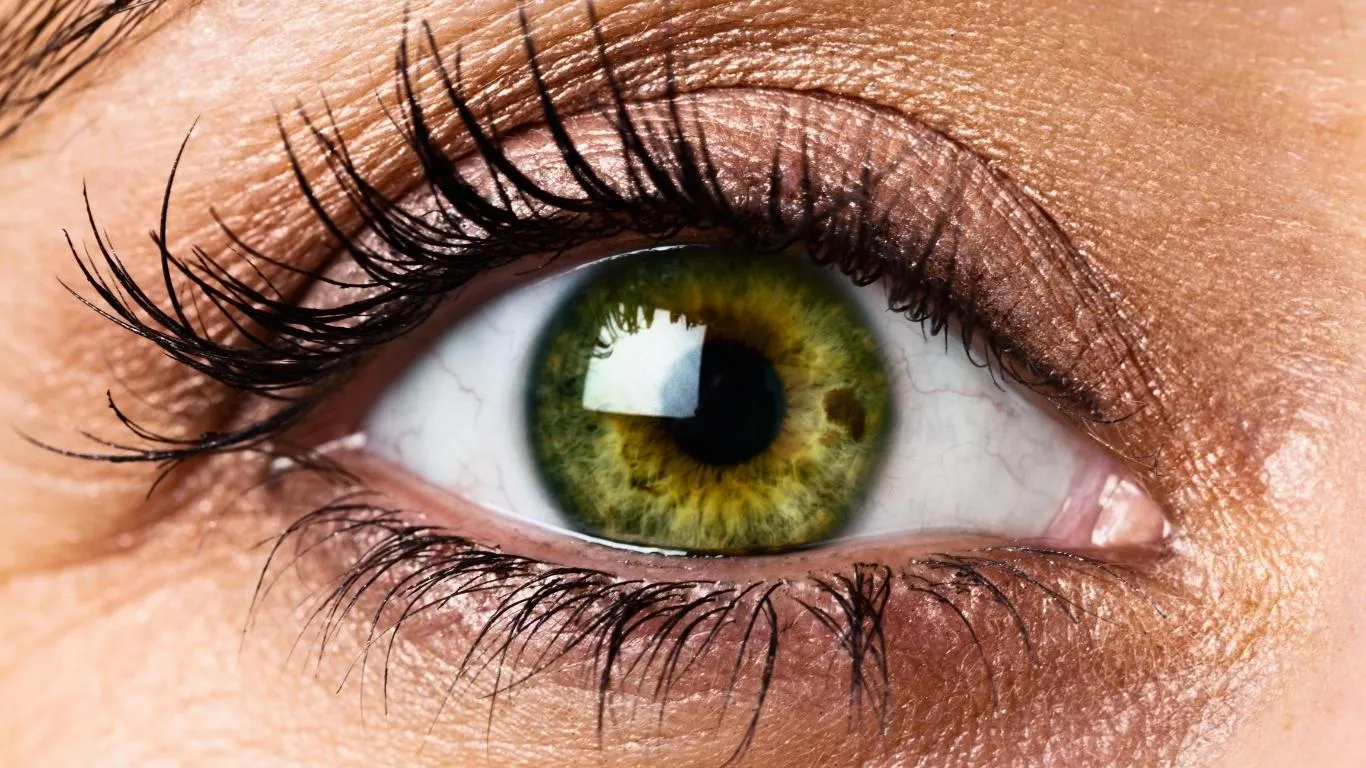
This one caught me off guard, but it turns out UV exposure may play a role in worsening vitreous degeneration. I’ve made it a habit to wear UV-blocking sunglasses even on overcast days. Not only does it protect your eyes from damage, but it can also reduce glare—making floaters less visible when you’re out and about.
If you’re shopping for shades, look for labels that say “100% UVA/UVB protection.” It’s not about brand; it’s about function.
When Natural Isn’t Enough
Sometimes, no matter how many anti-inflammatory teas you sip or how many supplements you try, the floaters persist—or get worse. And that’s okay. I had a moment where I seriously considered laser treatment because one particularly dark floater wouldn’t budge.
If you find your floaters significantly interfering with your daily life, these are the two main procedures specialists may suggest:
- Laser Vitreolysis – Uses laser to break apart large floaters into smaller, less noticeable pieces. Not widely available, and results can vary.
- Vitrectomy – A more invasive surgical procedure that removes the vitreous entirely. Effective, but comes with more serious risks like retinal detachment or infection.
Neither option should be taken lightly. The Mayo Clinic emphasizes careful evaluation before considering surgery, especially when floaters aren’t tied to more serious underlying issues.
Can Eye Floaters Go Away Naturally?

Here’s the honest truth from both personal experience and what most eye doctors will tell you: floaters don’t usually disappear, but your brain adapts. This phenomenon is known as “neuroadaptation.” Over time, your brain starts ignoring them—similar to how you don’t always notice your nose in your field of vision.
I’ve had a few fade or shift out of my central vision entirely. Others are still there, but I’ve stopped obsessively noticing them. Time, patience, and proactive care do help, even if they’re not flashy solutions.
Looking for a more detailed explanation on causes and medical treatment paths? You can dive into the full breakdown here: Eye Floaters: Causes, Symptoms, and Treatment Options.
Everyday Habits That Keep Your Eyes Resilient
When dealing with something like eye floaters—where the options for “treatment” are limited—it really becomes about building a lifestyle that supports long-term vision health. Over time, I’ve picked up a few habits that seem to make a difference, not only for floaters but for my overall eye comfort and clarity.
1. Eye-Friendly Workspace Setup
I used to hunch over my laptop under fluorescent lighting for hours, until I realized how much that stressed my eyes. Now I make sure to:
- Use a matte screen protector to reduce glare
- Position my screen about 20 inches from my eyes
- Keep ambient lighting soft and even
And yes, I did invest in one of those ergonomic chairs—worth it.
2. Clean Eating = Clearer Vision?
This one might sound cliché, but a whole-food, nutrient-dense diet has made my eyes feel less dry and irritated overall. I started meal prepping with eye health in mind—think salmon bowls, spinach salads, roasted carrots, and avocado toast. Bonus: it helps everything else feel better, too.
3. Reducing Visual Clutter
When my surroundings are full of contrast and motion (think patterned rugs, cluttered desks, flashy screens), floaters are way more noticeable. I’ve learned to keep my space visually calm. It actually makes floaters easier to ignore when my eyes aren’t overwhelmed by other stimuli.
Myths About Natural Cures for Eye Floaters

Let’s get one thing straight—there’s a lot of wishful thinking floating around the internet. And when you’re desperate to get rid of floaters (I’ve been there), it’s easy to fall for bold claims. Here are a few common myths I’ve come across, and what’s actually true:
- “Apple cider vinegar dissolves floaters.” – Nope. There’s no science to support this. Save the vinegar for your salad.
- “Eye floaters are a sign of liver toxicity.” – While the liver plays a role in detox, there’s no credible link to floaters.
- “Floaters are parasites in your eye.” – Absolutely false. They’re collagen strands, not creepy crawlies.
When evaluating natural remedies, always cross-check with a trusted medical source like the National Center for Biotechnology Information (NCBI) or talk with your optometrist before diving into supplements or strange tinctures.
The Role of Regular Eye Exams

Even if your floaters feel manageable, I can’t stress this enough: don’t skip eye exams. A professional can detect changes in your retina, signs of detachment, or other underlying conditions early. I make it a habit to go once a year—and if I notice a sudden shift in my floaters, I don’t wait around to get checked out.
Early detection is key. Sometimes floaters are harmless, but in rare cases, they’re red flags. You’ll never know unless someone with a scope takes a look.
Realistic Expectations and Embracing the Long Game
I won’t pretend that natural remedies are a cure-all. They’re not. Floaters are stubborn and often stick around. But through a mix of healthy habits, strategic supplements, better awareness, and lifestyle tweaks, mine have become less noticeable—and less irritating.
It’s about setting expectations. I no longer chase the idea of making floaters “go away.” I focus on making them less disruptive. That shift in mindset has been surprisingly freeing.
Quick Recap of What Helped Me Most:
- Upping my antioxidant and anti-inflammatory food intake
- Taking breaks from screens and reducing visual fatigue
- Practicing mindfulness to reduce stress-related eye tension
- Wearing sunglasses regularly outdoors
- Getting annual eye exams, no excuses
If you’re curious about the full medical side of floaters—from diagnosis to treatment options—you can explore our detailed overview here: Eye Floaters: Causes, Symptoms, and Treatment Options.

Camellia Wulansari is a dedicated Medical Assistant at a local clinic and a passionate health writer at Healthusias.com. With years of hands-on experience in patient care and a deep interest in preventive medicine, she bridges the gap between clinical knowledge and accessible health information. Camellia specializes in writing about digestive health, chronic conditions like GERD and hypertension, respiratory issues, and autoimmune diseases, aiming to empower readers with practical, easy-to-understand insights. When she’s not assisting patients or writing, you’ll find her enjoying quiet mornings with coffee and a medical journal in hand—or jamming to her favorite metal band, Lamb of God.