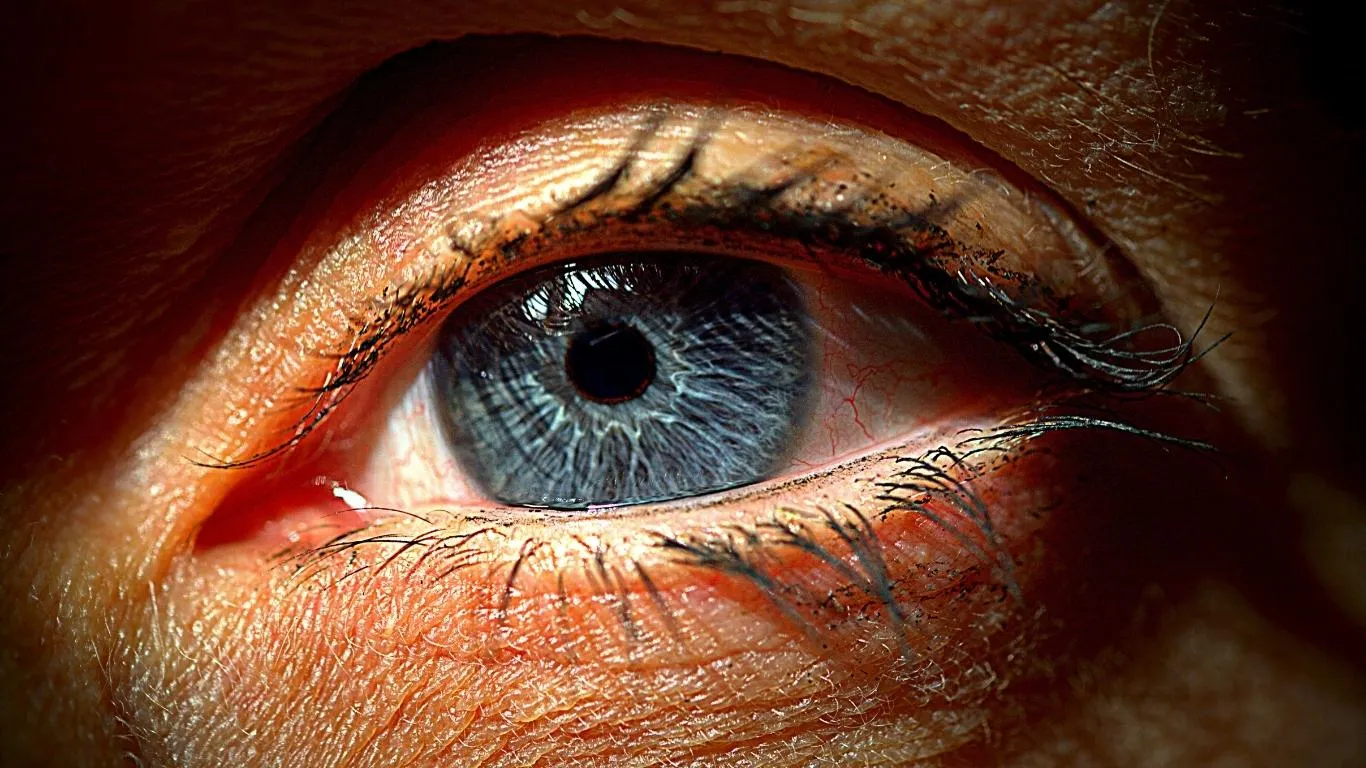
Orbital Fracture Floaters May Signal Hidden Eye Damage
Not too long ago, I took a spill during a weekend hike and ended up with what doctors later confirmed was an *orbital fracture*. It didn’t seem like a huge deal at the time, but not long after, I began noticing strange specks drifting across my vision—those shadowy squiggles we call floaters. At first, I brushed it off. But as they persisted and became more noticeable, I started digging. And what I found was more eye-opening (no pun intended) than I expected. If you’re dealing with an *orbital fracture* and suddenly seeing floaters, you’re not alone—and you’re definitely not imagining things.
How Orbital Fractures Might Trigger Eye Floaters
An orbital fracture is basically a break in the bones surrounding your eye, often caused by blunt force trauma—a fall, a punch, or even a car accident. When this kind of trauma happens, it doesn’t just affect the bone. The internal structures of the eye can take a serious hit too. That’s where floaters come into the picture.
Floaters usually form when the gel-like substance inside your eye—the vitreous—starts to break down or shift. Now, when there’s trauma like a fracture near the orbit, it can cause the vitreous to become unstable. In some cases, the impact can lead to a posterior vitreous detachment (PVD), where the vitreous pulls away from the retina. And that, my friend, is floaters central.
What Do These Floaters Look Like?
They’re not all the same. Personally, I noticed what looked like a tiny thread floating when I moved my eye—a kind of wispy speck that wouldn’t sit still. Others describe them as:
- Black or gray spots
- Strings or cobwebs
- Small clouds or shadows
The key thing is: if they suddenly appear after trauma, it’s worth paying attention.
Signs Your Floaters May Be Related to Trauma
After an injury, it’s easy to dismiss new vision changes as just part of the healing process. But there are certain signs that may point to more than just typical healing:
- Sudden Onset: If floaters show up abruptly after a head or eye injury.
- Flashes of Light: Sometimes, trauma can trigger small retinal tears along with floaters.
- Loss of Peripheral Vision: This could indicate retinal detachment—a medical emergency.
It’s also worth noting that symptoms can evolve over days or weeks. That was the case with me—what started as one floater turned into a handful within a week. That’s when I knew I had to see a specialist.
According to the American Academy of Ophthalmology, trauma is one of several serious causes of floaters, especially when accompanied by light flashes or vision changes.
What Your Doctor Might Check (And Why You Shouldn’t Wait)

When I finally went in, my ophthalmologist didn’t waste any time. A full dilated eye exam revealed that the vitreous had indeed detached slightly—no retinal tears, thankfully. Here’s what you can expect from an evaluation:
- Slit-lamp exam to assess front structures of the eye
- Ophthalmoscopy to check retina and vitreous health
- Imaging if retinal detachment or bleeding is suspected
If trauma is the root cause, the priority becomes ruling out serious complications like retinal breaks or hemorrhages. According to this professional insight on blunt eye trauma and floaters, early diagnosis can make all the difference in outcomes.
Can Floaters from Orbital Fractures Go Away?

The short answer is: sometimes. Floaters from trauma may slowly settle or become less noticeable over time. Mine eventually faded into the background after a few months—but they’re still there if I look for them. Some people aren’t so lucky, especially if complications like vitreous hemorrhage or retinal tears occur.
There’s no one-size-fits-all. In my case, the floaters didn’t need treatment beyond observation. But if you’re dealing with persistent or worsening floaters, your doctor might suggest:
- Regular monitoring (especially in the first few weeks)
- Referral to a retinal specialist if anything worsens
- Surgical options like vitrectomy in rare, severe cases
One of the more thorough breakdowns on treatment routes is found in this pillar article on floater treatment options. If you’re still trying to understand floaters in general, especially after trauma, it’s also worth reading this complete overview on causes and treatment strategies.
Could There Be Other Underlying Causes?
While trauma is a big red flag, floaters can also signal something else going on under the surface—especially if they show up weeks after an orbital injury. Here are a few other culprits doctors might explore:
- Retinal tears or detachments
- Inflammatory conditions like uveitis
- Eye infections or autoimmune diseases
Each of these may be triggered or exacerbated by the trauma associated with an orbital fracture. That’s why early and ongoing evaluation is key.
When to Worry: Red Flags That Need Immediate Attention
I can’t stress this enough—if you’ve had an *orbital fracture* and you’re suddenly bombarded with floaters, don’t just ride it out. There are some very real, vision-threatening conditions that can piggyback on that trauma. Floaters are often harmless, but sometimes they’re the tip of the iceberg.
Here are the situations where you need to call your eye doc immediately:
- Floaters + Flashes: The combo could mean your retina is tearing or detaching.
- Shadow or Curtain in Vision: That’s a major sign of retinal detachment—time is critical here.
- Sudden Vision Loss: Even partial vision changes need fast medical attention.
According to this breakdown on posterior vitreous detachment, symptoms often overlap with trauma-related floaters, making timely diagnosis even more crucial.
How Long Do Trauma-Related Floaters Stick Around?
In many cases, floaters caused by trauma begin to fade—or rather, your brain learns to ignore them. Mine? They became less distracting after about three months, and now I barely notice them unless I’m staring at a bright white screen or the sky.
But this varies from person to person. Some factors that influence how long they linger include:
- Extent of the vitreous disturbance
- Whether there was bleeding or retinal damage
- Age (older eyes heal differently)
- Overall eye health before the injury
Not surprisingly, younger eyes may recover faster. But it’s not a guarantee. Floaters from trauma can persist or even worsen if there’s an underlying condition like vitreous hemorrhage. There’s even some buzz around whether stress plays a role—something covered in this piece on stress and floaters.
Treatment Options: What Helps and What’s Just Hype
If your floaters are affecting your vision or peace of mind (been there), you’ve probably Googled every remedy under the sun. I’ll save you some time—here’s what’s actually worth knowing:
Observation and Adaptation
First-line treatment is almost always “watch and wait.” Over time, most people adapt. Your brain literally filters them out. It sounds wild, but it’s real.
Vitrectomy
This is a surgical option that removes the vitreous gel. It’s invasive, risky, and generally reserved for severe cases. If your floaters are from trauma and causing serious disruption, it *might* be worth exploring—but only with a top retinal surgeon.
Laser Vitreolysis
This uses lasers to break up large floaters. Mixed reviews here. It’s not widely available and works better for non-trauma floaters. Not something I tried, but worth asking about if you’re at your wit’s end.
Natural Approaches
We’ve all heard about supplements, hydration, and even yoga for floaters. While there’s limited science behind these, some people swear by a clean diet and good hydration. There’s a good overview here on natural management options.
How Eye Structure and Age Affect Recovery

Age is more than just a number when it comes to floaters. I learned this from my ophthalmologist—older adults tend to have more fragile vitreous gel, making it more likely to detach after trauma. This article on age-related floater risks really helped me connect the dots.
Here’s how age might influence your floater story post-trauma:
- Younger eyes might recover faster but could be more prone to post-trauma inflammation.
- Older eyes often experience a slower adjustment to floaters and higher risk of detachment.
Living With Floaters: What Helped Me Cope

It’s not just physical—it’s mental too. At first, those floaters drove me up the wall. But over time, a few things really helped me stop obsessing over them:
- Ambient Lighting: Avoid staring at bright white screens or the sky without sunglasses.
- Limit Screen Time: I cut back on late-night scrolling, and it helped big time.
- Talk About It: Eye floaters sound minor, but they mess with your mind. Sharing my experience made it easier to cope.
Some people also link floaters with post-surgery experiences—especially cataract or LASIK. If you’ve recently had surgery, it’s worth reading up on floaters after cataract surgery or even the effects of LASIK on floaters.
Resources to Keep Learning and Protect Your Vision

There’s a lot of noise online about floaters. Stick to trusted, evidence-based sources and keep your eye health a priority. Here are a few I leaned on heavily:
- Differences between floaters and other eye issues
- Warning signs to watch for
- Complete guide on floaters
Even after the floaters faded, I still check in regularly with my eye doctor—especially since I know now how trauma can quietly shift things behind the scenes. Don’t wait for vision loss to take action.

Camellia Wulansari is a dedicated Medical Assistant at a local clinic and a passionate health writer at Healthusias.com. With years of hands-on experience in patient care and a deep interest in preventive medicine, she bridges the gap between clinical knowledge and accessible health information. Camellia specializes in writing about digestive health, chronic conditions like GERD and hypertension, respiratory issues, and autoimmune diseases, aiming to empower readers with practical, easy-to-understand insights. When she’s not assisting patients or writing, you’ll find her enjoying quiet mornings with coffee and a medical journal in hand—or jamming to her favorite metal band, Lamb of God.