Panic Disorder vs Heart Attack: Why the Confusion Is Dangerous
It started in the middle of a work meeting. My chest felt tight, like something was sitting on it. My heart was pounding so hard I thought everyone could hear it. My left arm tingled, and I genuinely thought—this is it. I’m having a heart attack. I excused myself, rushed to urgent care, and after a full battery of tests, I heard what I wasn’t expecting: “You’re okay. That was a panic attack.” The weirdest part? I didn’t feel panicked at all. Sound familiar?
Panic Attack or Heart Attack? Why It’s So Easy to Get It Wrong
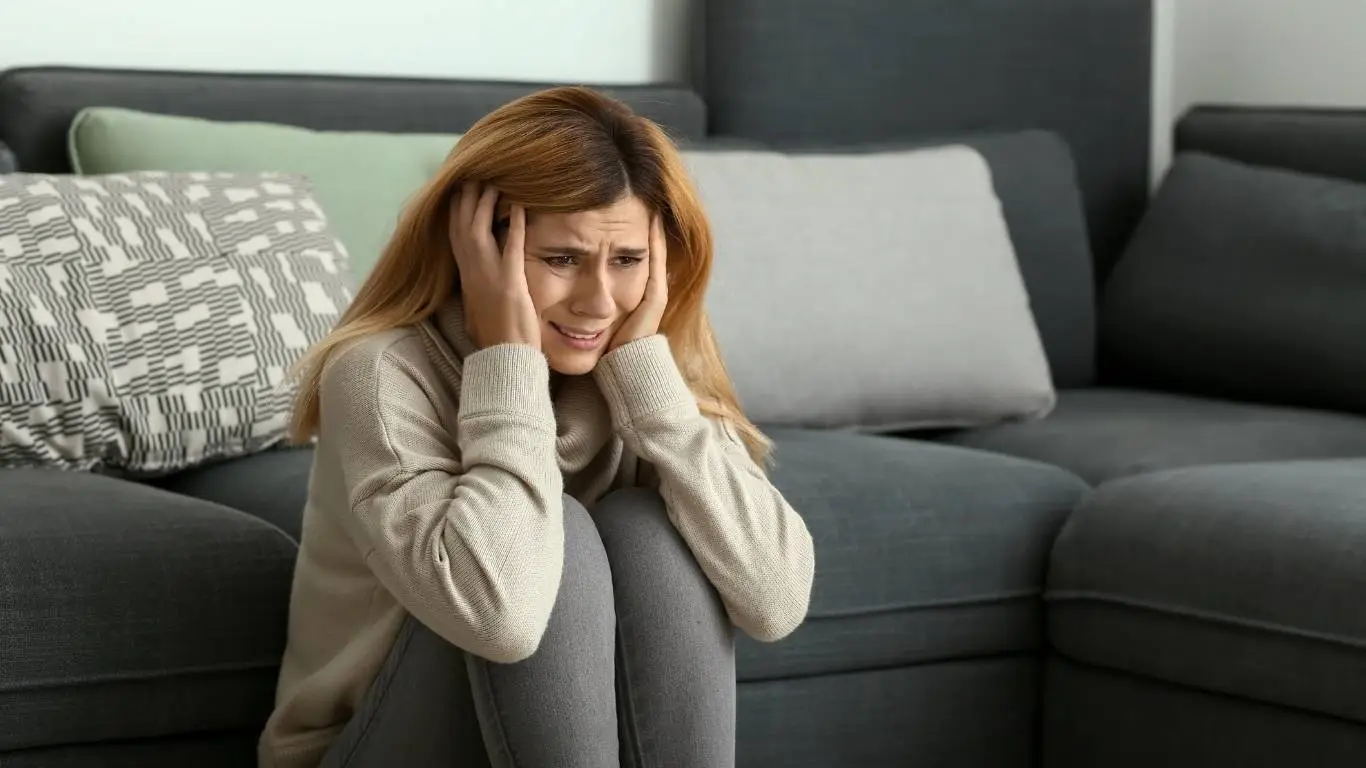
This mix-up happens more often than you’d think. The symptoms of a panic attack and a heart attack can look almost identical in the moment—chest pain, shortness of breath, dizziness, and that crushing feeling of doom. But one is a psychological response. The other is a medical emergency. And when your body is in fight-or-flight mode, it’s hard to tell the difference.
Here’s the kicker: even seasoned healthcare professionals sometimes struggle to differentiate without tests. According to the Centers for Disease Control and Prevention, heart disease is still the leading cause of death in the U.S., making any chest pain a serious concern. But at the same time, millions of panic attacks are misinterpreted as heart attacks every year—especially by those experiencing them for the first time.
Key Symptom Overlaps
- Chest pain or pressure (tight, stabbing, or aching)
- Shortness of breath
- Racing heartbeat or palpitations
- Sweating (often sudden and profuse)
- Dizziness or lightheadedness
- Sense of impending doom or death
When those symptoms hit all at once, it’s completely reasonable to panic—literally and figuratively.
What Panic Disorder Really Feels Like

I didn’t know what panic disorder was until it started happening repeatedly. One attack led to another, and before I knew it, I was living in fear of fear itself. That’s the brutal cycle panic disorder traps you in—you’re not just afraid of the symptoms, you’re afraid they’ll show up again. And that constant anticipation starts to rule your life.
Panic attacks are sudden, intense, and often come out of nowhere. They typically peak within 10 minutes but can leave an emotional and physical hangover that lingers for hours. You might feel detached from reality, convinced something is medically wrong, or even think you’re losing your mind.
Common Panic Attack Triggers
- Crowded spaces or unfamiliar environments
- Driving (especially on highways or bridges)
- Sudden loud noises or sensory overload
- Stress buildup from work, relationships, or personal pressures
- Physical exertion that mimics panic symptoms (like rapid heartbeat)
Here’s the frustrating part: even after multiple clean bills of health, I still found myself spiraling whenever a familiar symptom popped up. Rationally, I knew it was anxiety. But my body reacted like it was a life-or-death emergency every time.
Heart Attack Signs You Should Never Ignore

To be crystal clear—if you’re unsure whether it’s a heart attack or panic attack, always err on the side of caution and seek medical help. There’s no shame in making sure. Heart attacks are medical emergencies and ignoring the signs can be fatal.
The American Heart Association emphasizes that heart attack symptoms vary by person, especially between men and women.
Classic Heart Attack Symptoms
- Chest discomfort that lasts more than a few minutes or goes away and comes back
- Pain in one or both arms, the back, neck, jaw, or stomach
- Shortness of breath even without chest pain
- Cold sweat or nausea
- Sudden fatigue with no clear reason
Unlike a panic attack, heart attack symptoms often build gradually and don’t improve with calming techniques or breathing exercises. If you’ve never experienced a panic attack before, and the chest pain feels unfamiliar or persistent, always get checked.
The Emotional Toll of Misinterpreting Panic

After my third ER visit in two months, I stopped telling people. The looks, the awkward silences, the “Maybe you’re just stressed?” comments—it made me feel ridiculous. But internally, I was terrified. I didn’t know whether my body was betraying me or if I was losing control of my mind.
This is where panic disorder becomes incredibly isolating. You don’t trust your body. You question your reality. And unless someone’s been through it, they often don’t understand how physically real the fear is. That disconnect can make you withdraw, stop socializing, even stop going places altogether.
How Panic Attacks Affect Daily Life
- Canceling plans to avoid “what if” scenarios
- Avoiding places associated with past panic episodes
- Over-monitoring your health (constantly checking pulse or Googling symptoms)
- Feeling emotionally drained or ashamed afterward
- Struggling to explain the experience to others
This lived experience is one of the reasons I always recommend this breakdown of how anxiety disorders are properly diagnosed and assessed. It’s a great resource to understand how professionals distinguish panic disorder from other medical issues—and how a clear diagnosis can lead to real relief.
If you’re just starting to connect the dots between panic and anxiety, I highly recommend also exploring the bigger picture in this full overview of anxiety disorders and how they silently shape your world. It gives context for how something that feels so private actually impacts so many.
I used to keep aspirin in my wallet. Not because my doctor told me to, but because somewhere along the way, I convinced myself it might save me during “one of those moments.” The truth? I wasn’t battling a heart condition. I was dealing with panic disorder—undiagnosed, misunderstood, and completely consuming. The confusion between a panic attack and a heart attack doesn’t just create fear—it builds an entire lifestyle of avoidance, medical anxiety, and hypervigilance. But the more I learned, the more I began to take back control.
Why the Body Reacts This Way: The Science Behind the Panic

Panic attacks are your body’s alarm system going haywire. It’s like your brain is yelling “FIRE!” when all that really happened was someone turned up the heat. Your sympathetic nervous system floods your body with adrenaline, preparing you to fight, flee, or freeze—even when there’s no real danger. That’s why the symptoms feel so dramatic. It’s not in your head. It’s in your nervous system.
Here’s what happens during a typical panic response:
- Rapid heartbeat: Your body thinks you need to escape quickly.
- Shallow breathing: Your body wants oxygen, fast—but it can make you dizzy.
- Muscle tension: Prepping you for action, even if you’re just sitting on your couch.
- Digestive slowdown: Ever feel nauseous during anxiety? That’s why.
- Tingling or numbness: Blood being redirected to essential systems.
The symptoms are so intense that they mimic cardiac distress. That’s not a flaw. It’s a leftover survival mechanism from when “danger” meant running from predators. Only now, your body gets triggered by a stressful email or a crowded elevator.
The Role of Health Anxiety in the Panic vs Heart Attack Dilemma

If you’ve ever Googled your symptoms at 3 a.m. and convinced yourself you’re in immediate danger, you’re not alone. Health anxiety—also known as illness anxiety disorder—is a common sidekick to panic disorder. It trains you to monitor every sensation, every flutter, every heartbeat. And that constant body scanning feeds the cycle.
For me, it became a daily routine: wake up, check pulse, monitor breathing, evaluate whether “today’s tight chest” felt more dangerous than yesterday’s. I was always waiting for something bad to happen. That vigilance made me more anxious, which made the symptoms worse. You see the loop?
Patterns of Health Anxiety That Fuel Panic Episodes
- Frequent visits to the ER or urgent care for reassurance
- Compulsive research on heart conditions, symptoms, or statistics
- Avoidance of physical activity out of fear it’ll trigger symptoms
- Preoccupation with heart rate, blood pressure, or breathing patterns
- Difficulty trusting medical professionals, even after multiple clear tests
Once I started working with a therapist familiar with anxiety disorders, we traced this exact cycle and slowly started disrupting it. It’s not about ignoring symptoms—it’s about learning to respond differently when they arise.
Tools That Help Break the Panic-Avoidance Loop

Getting to the point where I could say, “This feels like a heart attack, but I know what it is,” took time. But the shift didn’t come from one big breakthrough. It came from a handful of simple tools I used daily to rebuild trust with my body.
Strategies That Helped Me Reclaim Calm
- Grounding exercises: Things like 5-4-3-2-1 (five things you can see, four you can touch…) helped me reconnect to the present.
- CO2 reset breathing: Breathing out longer than you inhale to calm hyperventilation.
- Reframing thoughts: “I’m not dying—I’m experiencing anxiety. My body thinks I’m in danger, but I’m safe.”
- Avoiding reassurance traps: I stopped checking my pulse and Googling symptoms obsessively. It was hard—but freeing.
- Scheduled worry time: Giving myself 10 minutes a day to journal about fears made them less overwhelming the rest of the day.
These aren’t instant solutions. But over time, they created a sense of stability that my nervous system desperately needed. And more importantly, they gave me something panic never does: control.
When to Get Help—And What That Actually Looks Like

There’s no gold star for “toughing it out.” If your panic is disrupting your life, impacting your relationships, or keeping you from doing normal things—get support. You don’t need to wait for it to get worse.
Professional Options That Make a Real Difference
- Cognitive Behavioral Therapy (CBT): Proven to help with panic disorder by targeting thought patterns.
- Interoceptive exposure: A therapy technique that helps you stop fearing physical symptoms.
- Medication: SSRIs or beta blockers can help regulate physical symptoms and reduce frequency of attacks.
- Panic-focused support groups: Talking to people who “get it” can be incredibly validating.
One of the best resources that gave me clarity was this guide on psychotherapy and counseling options for anxiety disorders. It walks through real treatment options without sounding clinical or overwhelming.
Because here’s the truth: living in fear of your own body is exhausting—but you don’t have to keep living like that. With support, information, and the right strategies, you can tell the difference between a panic attack and a heart attack with confidence. More importantly, you can start building a life that’s not ruled by either.

Camellia Wulansari is a dedicated Medical Assistant at a local clinic and a passionate health writer at Healthusias.com. With years of hands-on experience in patient care and a deep interest in preventive medicine, she bridges the gap between clinical knowledge and accessible health information. Camellia specializes in writing about digestive health, chronic conditions like GERD and hypertension, respiratory issues, and autoimmune diseases, aiming to empower readers with practical, easy-to-understand insights. When she’s not assisting patients or writing, you’ll find her enjoying quiet mornings with coffee and a medical journal in hand—or jamming to her favorite metal band, Lamb of God.