How Parenting While Managing Spinal Pain Can Be Less Overwhelming
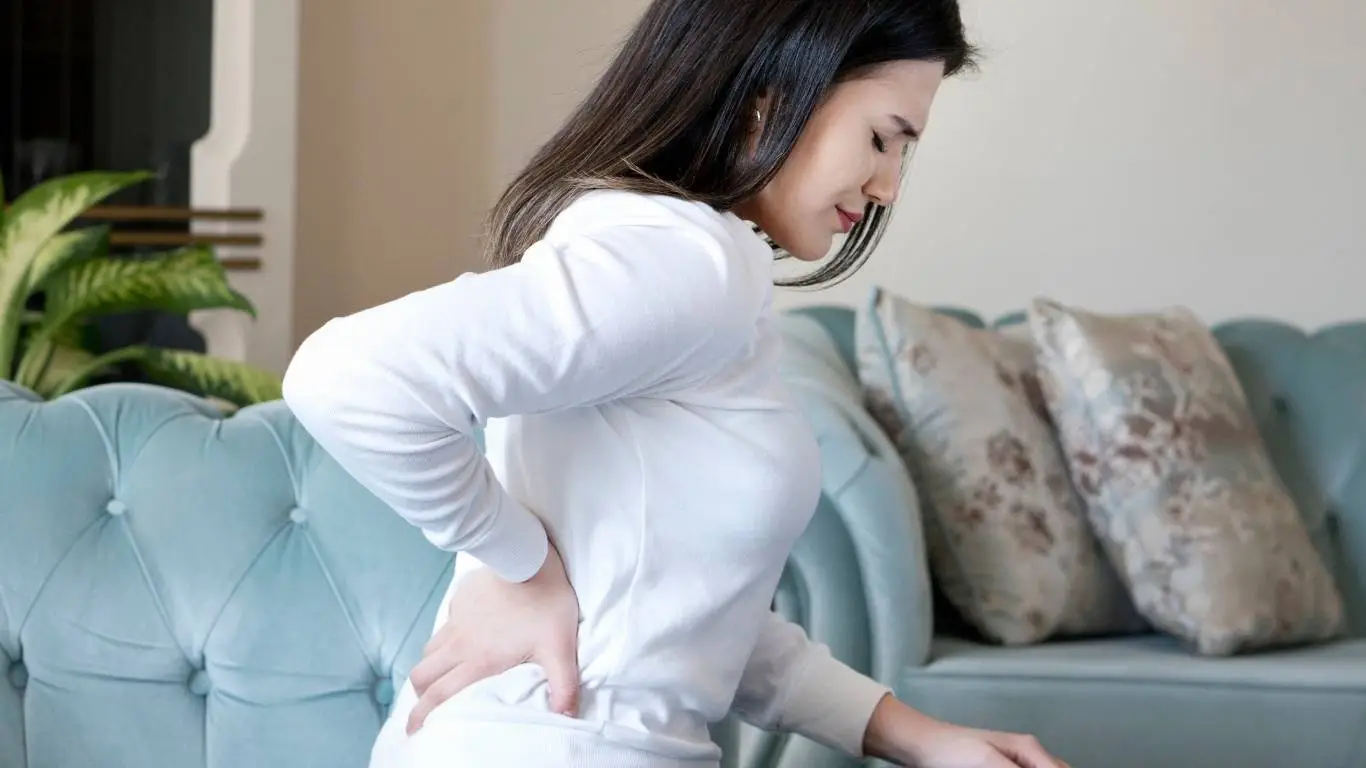
Juggling parenting and spinal pain? Yeah, I’ve been there. There’s nothing like bending over to pick up a Lego minefield while your back screams for mercy. You want to be the active, hands-on parent your kids deserve—but every diaper change, every car seat buckle, every piggyback ride feels like you’re pushing your spine to its limit. Managing chronic back pain while raising kids isn’t just hard—it’s a full-blown mental and physical marathon.
Why Parenting Makes Back Pain Worse Than It Needs to Be
It’s the Constant Repetition
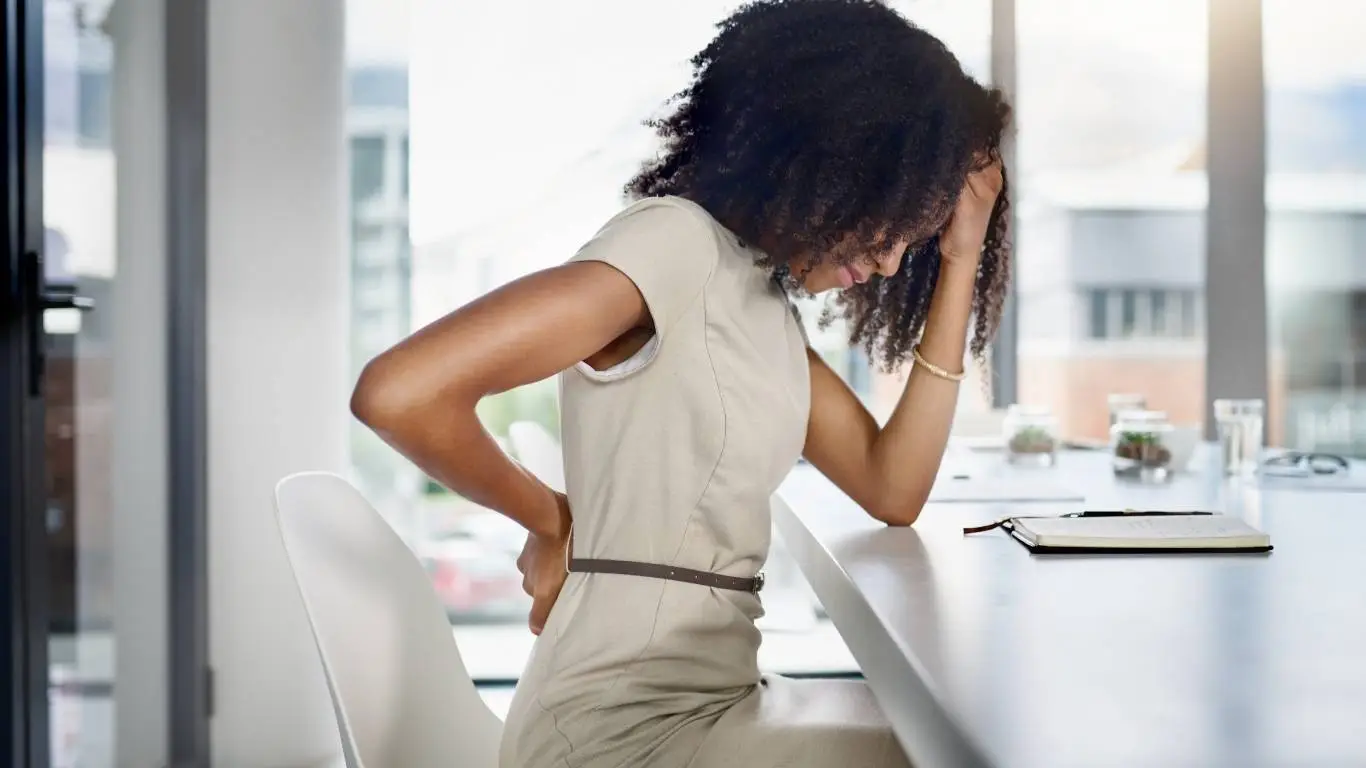
It’s not that any one task does you in—it’s the dozens of micro-movements. Reaching into cribs. Lugging toddlers. Twisting to grab a backpack from the floor. All these motions, especially when repeated daily with poor posture, silently chip away at your spine’s stability.
Lack of Recovery Time
Parents don’t get PTO. Sleep is chopped into segments. Breaks are nonexistent. And if you’re nursing a strained back muscle or dealing with recurrent low back pain, you know that downtime is gold. The problem? Your “downtime” is often loading the dishwasher or crawling around the floor playing dinosaurs.
How I Rewired My Parenting Style for a Healthier Back

1. Embrace the Squat—Ditch the Bend
One small shift that made a massive difference: squatting instead of bending. I used to fold at the waist a hundred times a day. Now? I drop my hips, engage my glutes, and protect that lumbar spine. It’s not about looking like a gym bro—it’s about keeping your back in one piece.
2. Babywearing Done Right
I learned (the hard way) that slinging your baby on your hip is a fast track to sciatic misery. Instead, I switched to an ergonomic front carrier with lumbar support. Game changer. If you’re feeling that hip ache creep up, this switch can ease the load—literally and figuratively.
3. Adapt Your Environment
- Raised changing tables (no more back bending)
- Step stools to avoid overreaching into cribs
- Low chairs with proper lumbar support in play areas
Even simple swaps like placing essentials at waist height can reduce awkward twists and bends. This stuff matters more than you think.
The Mental Load Adds Physical Strain

Spinal pain isn’t just structural—it’s emotional too. Stress tightens muscles, amplifies tension, and sets off pain flares. Parenting, especially without enough support, is emotionally taxing. Mental stress and chronic back pain go hand in hand.
It wasn’t until I acknowledged how overwhelmed I felt that I began to see real progress. Managing spinal pain is as much about managing expectations as muscles.
Try These:
- Mindful breaks: Five minutes of deep breathing can calm nervous system overdrive.
- Say no: Prioritize your body’s limits over social pressure.
- Talk it out: Therapy helped me unpack the guilt of not being a “perfect” parent while dealing with pain.
If you’re exploring the mind-body connection further, here’s an excellent deep dive on the mental and emotional aspects of back pain.
Daily Hacks That Helped Me Stay Mobile (and Sane)

Keep Mornings Gentle
One of the worst pain spikes I’d get? Right after waking. I learned that morning stiffness is super common for those with spinal conditions. Instead of rushing, I now take 10 minutes to stretch in bed before my feet hit the floor. Little rituals make a huge difference.
Use Your Kids as Exercise Partners
I started using playtime as rehab time. We do “animal walks,” where I get low into a bear crawl and they giggle like crazy. I sneak in core work while they ride their scooters. This way, I’m not skipping rehab—and I’m not missing out on memories.
Need more structure? These exercise and ergonomic tips are parent-approved and rehab safe.
The Tools That Became My Lifeline
Home Therapy Staples
- Lumbar cushion: Transformed my kitchen chair from painful to tolerable.
- Foam roller: My evening de-tension ritual after the kids crash.
- Hot and cold packs: On rotation like clockwork.
These little tools turned my house into a mini recovery zone. They’re not miracle cures, but they kept me functioning. And for many parents, that’s the goal.
If you’re just getting started with this stuff, check out these conservative treatment options for back pain that actually help without jumping to surgery.
Understanding the Bigger Picture of Your Back Pain

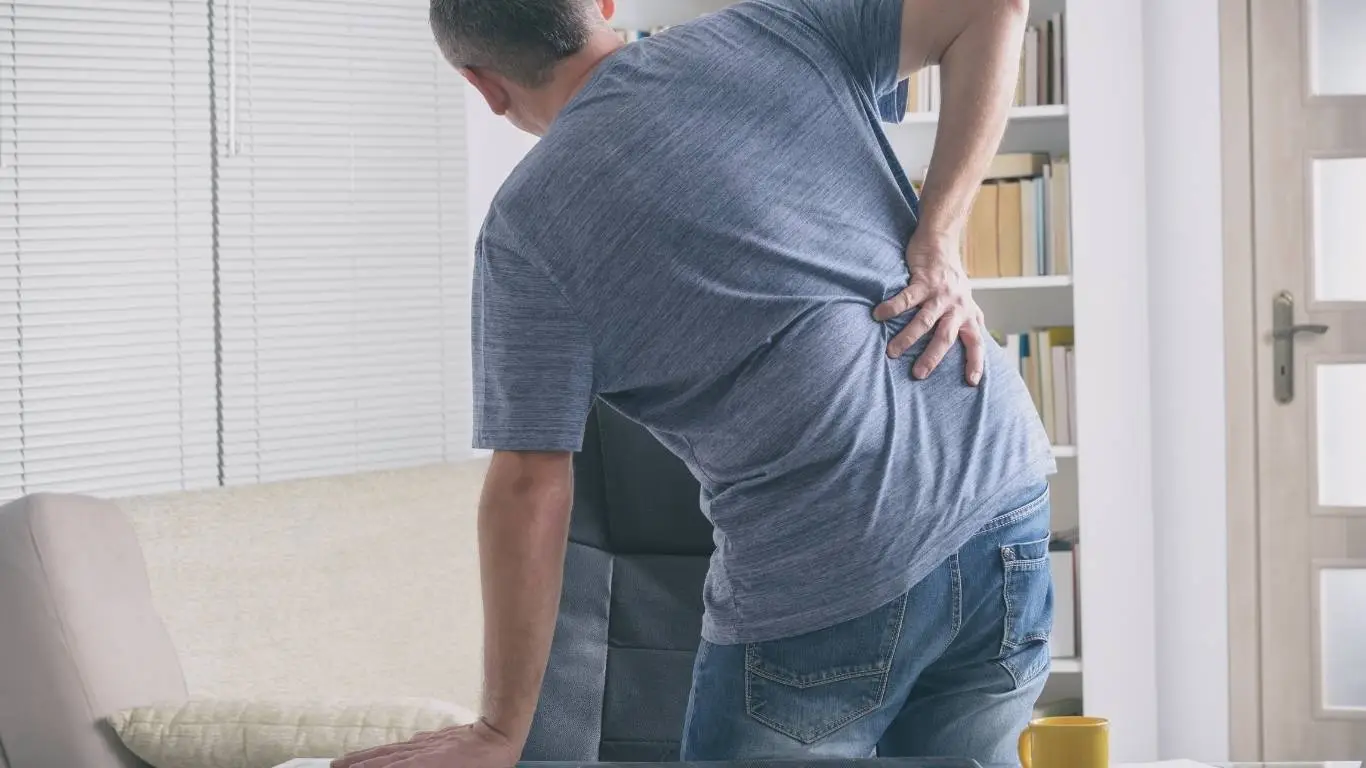
One of the most valuable things I ever did? I stopped guessing. I got a real diagnosis. Turns out, my recurring aches weren’t just “parent fatigue.” They were linked to degenerative disc disease. Knowing what I was dealing with changed everything.
If your pain seems to come and go or flare up during stress, it could be more than muscle strain. Don’t let the word “chronic” scare you—knowledge is power. And trust me, the right info is out there. Start with this comprehensive guide on symptoms and diagnosis to get your footing.
For a foundational understanding of all types, causes, and pathways of spinal pain, the Back Pain Types and Anatomy pillar page is a goldmine. And if you’re just beginning this journey, the main back pain hub is where to ground your research.
When Parenting With Pain Becomes Overwhelming: Knowing When to Ask for Help
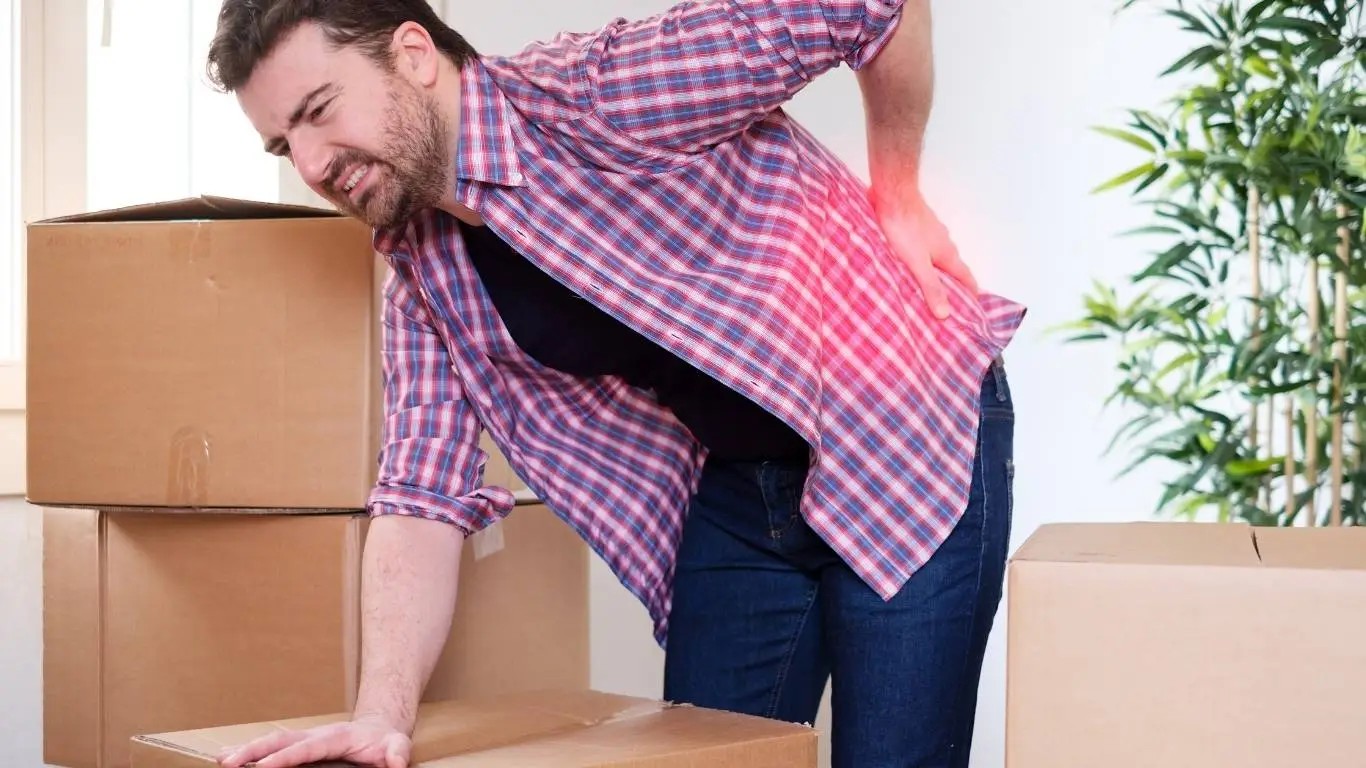
I used to think asking for help meant I was failing at being a parent. What I didn’t realize is that pushing through intense spinal pain without support doesn’t make you strong—it makes you sidelined. I’ve had flare-ups where even getting off the couch was brutal. During those moments, it was either ask for help or let everything fall apart.
Lean on Your Village—Even if It’s Virtual
Your “village” might be a partner, friend, co-parent, or even an online support group. I found a small online community of parents managing similar chronic pain challenges, and the shared experiences were eye-opening. They weren’t just venting; they were dropping practical gems—like how to manage sciatica without sacrificing bedtime routines.
Teach Your Kids Empathy Early
One surprising benefit of parenting through spinal pain? My kids learned compassion young. They knew when “Mom’s back is acting up,” it meant quiet time or slow walks. It taught them to help, to wait, to be kind. That’s a lesson no textbook can offer.
Parenting with Specific Spinal Conditions
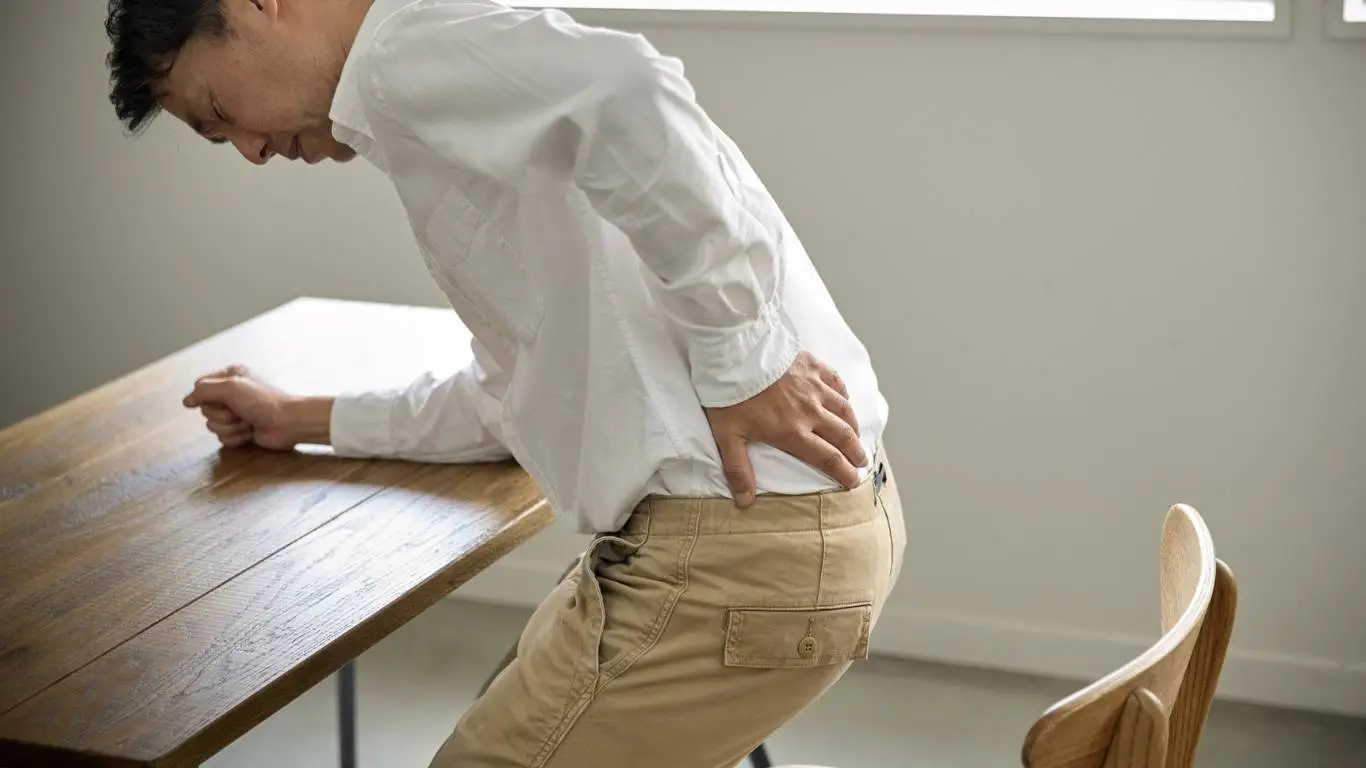
Not all back pain is created equal. Some days, I’d feel sharp pain from a herniated disc flare-up. Other weeks, it was a dull ache from prolonged sitting. Knowing what you’re dealing with can shape how you parent—strategically.
Herniated Disc
I’ve had days where herniated disc pain left me avoiding any twisting. Those weeks, I switched to activities like puzzle time at the dining table rather than the floor. I even started teaching my toddler to climb up for hugs instead of lifting them.
Degenerative Disc Disease
This sneaky one creeps up slowly. I learned that long walks holding a child or standing during long bath routines aggravated it most. I started using a stool in the bathroom and brought in bathtime toys I could manage from a seated position.
Spinal Stenosis or Spondylolisthesis
If you’re feeling pressure on your spine when standing or walking, don’t ignore it. These conditions often need real changes to your daily movement patterns. Here’s how to manage spinal stenosis as a parent without losing mobility completely.
What to Do When Pain Threatens Your Identity as a Parent

This one hit me hard. I’ve always been the active, fun parent. The tickle fights, the soccer games, the bear crawls. When spinal pain got in the way, I felt like I was losing part of who I was.
Redefine “Active” Parenting
Now, “active” means being emotionally present—even if physically limited. I sit on the sidelines, narrating the action. I read bedtime stories with dramatic voices instead of bedtime wrestling. It’s different, but it still counts.
You’re More Than What You Can Physically Do
This shift in mindset took time, therapy, and hard days. But your kids don’t need a superhero. They need *you*—authentic, trying, showing up the best you can. If your back pain has forced a pause, that doesn’t mean you’ve lost your parenting edge.
Building a Back-Friendly Home for Kids and Adults

Your home setup can make or break your spine’s ability to recover. I gradually made mine more supportive without turning it into a hospital room.
- Get an ergonomic nursery chair: I swapped out the cute but rigid rocker for a supportive recliner. Feeding and soothing became ten times easier.
- Toy baskets at hip height: No more floor digs.
- Convertible cribs: Let your crib grow with your child—and save your back.
Interested in other simple lifestyle changes that actually support spinal health? This page is loaded with real strategies, not fluff.
Long-Term Strategies for Balancing Recovery and Parenting

Plan Your Recovery Into Your Routine
Just like you meal prep or schedule playdates, your recovery needs to be part of the plan. I started blocking 15 minutes in the morning for a quick stretch session before the house woke up. On weekends, I tag my partner in for kid duty while I take a longer rehab walk.
Use Tools That Keep You Moving
When I’m in a flare-up, I don’t cancel everything. I adapt. I use a lumbar brace during longer walks, a standing desk when I need to work, and I rely on this amazing app that keeps me consistent with safe, doctor-backed movement routines.
Nutrition, Sleep & the Whole Picture
I didn’t give these enough credit in the early days. But poor sleep, inflammatory diets, and constant stress? They all feed spinal pain. I started using turmeric supplements and slowly shifted to a more anti-inflammatory meal plan.
This diet strategy truly made recovery smoother. And for anyone doubting the power of sleep and spine recovery—try three straight nights of deep rest. Your spine will thank you.
When Conservative Care Isn’t Cutting It
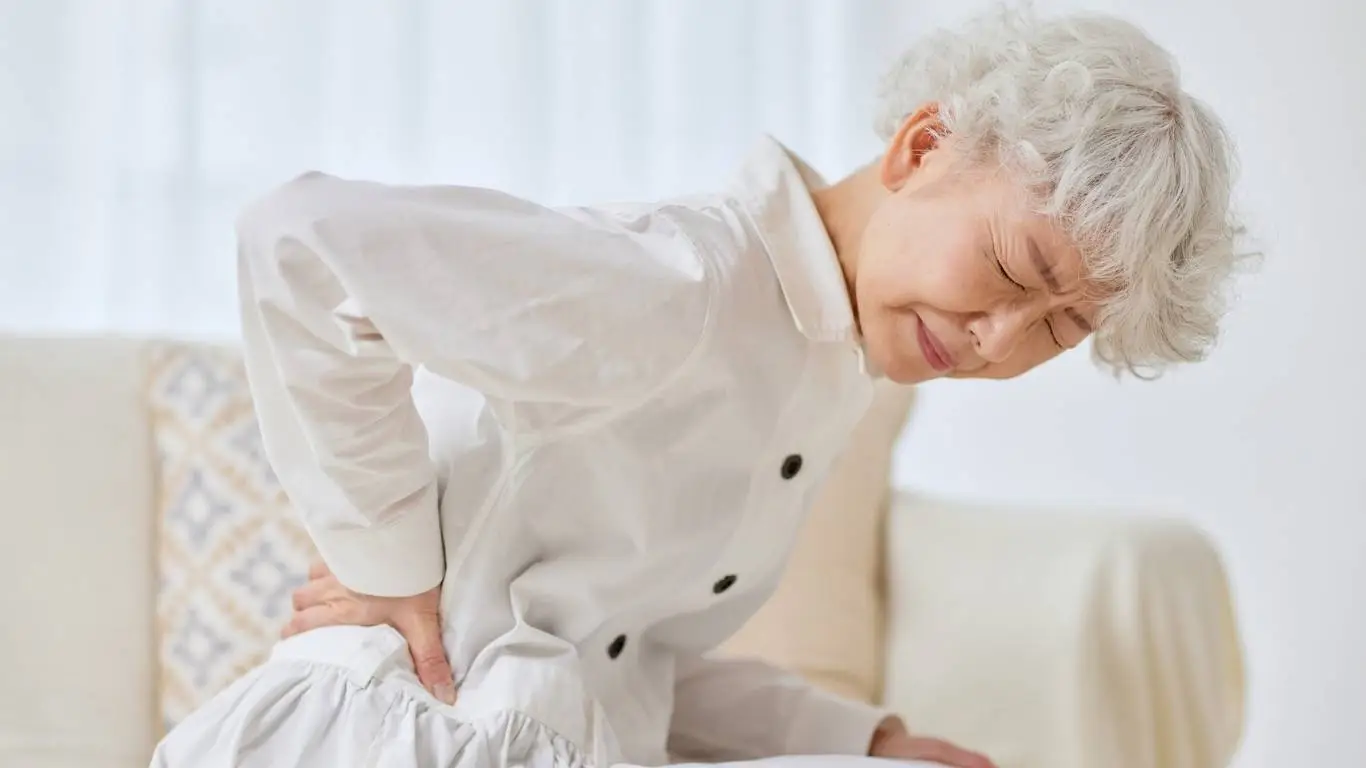
I hung on to conservative care as long as I could. Physical therapy, ergonomic changes, mindfulness—you name it, I tried it. But when pain started dictating everything, I explored options like steroid injections and eventually consulted about minor surgical procedures.
The key is knowing your limits. Not every parent with pain needs surgery. But if you’re hitting wall after wall, it’s okay to explore next steps. Knowledge is not commitment—it’s empowerment.
This guide to minimally invasive treatments helped me sort fact from fear. If you’re considering a next-level option, it’s a great place to start asking smarter questions.
And remember, it’s okay to admit you need more than hot packs and hope. Chronic pain doesn’t make you weak—it means your spine has a story that deserves professional attention.
For a wider view on how spinal pain affects various populations, the special populations pillar is a must-read. And don’t forget the main hub on back pain for ongoing updates, new treatment paths, and lifestyle guidance tailored for parents like us.

Camellia Wulansari is a dedicated Medical Assistant at a local clinic and a passionate health writer at Healthusias.com. With years of hands-on experience in patient care and a deep interest in preventive medicine, she bridges the gap between clinical knowledge and accessible health information. Camellia specializes in writing about digestive health, chronic conditions like GERD and hypertension, respiratory issues, and autoimmune diseases, aiming to empower readers with practical, easy-to-understand insights. When she’s not assisting patients or writing, you’ll find her enjoying quiet mornings with coffee and a medical journal in hand—or jamming to her favorite metal band, Lamb of God.