Performance anxiety tips that actually work and boost confidence
Not too long ago, I found myself stuck—sweaty palms, heart pounding, thoughts spiraling—right before a team presentation I had prepped for weeks. Sounds familiar? That’s performance anxiety, and it doesn’t care how prepared or talented you are. It shows up uninvited, right when you need your confidence the most. Over time, I’ve learned that overcoming it isn’t about silencing fear but managing it strategically. Let’s talk real, science-backed, and experience-tested performance anxiety tips that actually make a difference—not just generic advice you’ll forget in five minutes.
Understanding Why Performance Anxiety Hits So Hard

Performance anxiety isn’t just nerves—it’s a physiological and psychological storm. The brain senses threat, your sympathetic nervous system hits the gas, and your body starts reacting as if you’re facing a wild bear instead of a conference room. For some, it’s occasional jitters; for others, it’s a paralyzing hurdle.
The Biology Behind the Panic
When you’re under pressure, your brain floods your system with adrenaline. That surge can help you perform or derail you completely depending on how you’ve trained your response. According to research from NIH, heightened cortisol levels can directly impair working memory—bad news when you’re trying to remember your talking points.
It’s Not Just Stage Fright
Performance anxiety isn’t exclusive to public speakers or musicians. Athletes, students, executives—anyone with expectations placed on them can get hit. What makes it tricky is how quietly it embeds itself in your daily routine, often mistaken for procrastination or burnout. This article on anxiety and workplace performance hits the nail on the head.
Signs You’re Dealing with More Than Just Nerves

- Rapid heartbeat or chest tightness before a task
- Mind going blank during presentations
- Feeling dread or nausea hours (or days) before a performance
- Overthinking minor mistakes to the point of paralysis
One major red flag I ignored early on was how my sleep took a hit before important meetings. I dismissed it as work stress. But as explained in this deep dive on sleep disturbances and anxiety, the connection runs deeper than we think.
Performance Anxiety Tips That Actually Work

1. Practice with Pressure
Dry runs are great—but only if you replicate the conditions. Simulate the environment: wear what you’ll wear, stand where you’ll stand, and rehearse out loud. Even better, invite a trusted friend or two and ask them to throw in distractions. You want your brain to normalize that performance setting. According to APA findings, repeated exposure in safe environments reduces long-term anxiety.
2. Box Breathing: The Underrated Reset
I rolled my eyes at breathing techniques for years—until I actually tried them under pressure. Box breathing (inhale 4 seconds, hold 4, exhale 4, hold 4) is my go-to now. It doesn’t just calm you down; it recenters your thoughts. Try it before that big Zoom call.
If you’re curious about more breathing options, check out these breathing exercises tailored for anxiety. They’re simple, effective, and surprisingly powerful.
3. Ditch the Coffee—No, Really
One of the hardest habits to break was cutting back my pre-performance coffee ritual. But caffeine fuels anxiety symptoms like rapid heartbeat and jitteriness. Switching to herbal teas like chamomile or rooibos was a game-changer. This list of caffeine-free drinks for anxiety is a good starting point.
4. Create a Pre-Performance Ritual
This sounds odd, but rituals ground you. Mine includes light stretching, reviewing notes once (no cramming), and listening to a calming playlist. Rituals give the illusion of control, and that alone can lower your perceived stress. A friend of mine swears by scribbling affirmations. Whatever works, as long as it’s consistent.
5. Challenge the Thought Spiral
If you’re anything like me, your brain starts whispering worst-case scenarios the moment you’re on deck. One method I learned in therapy: “Name it and reframe it.” I say to myself: *This is just adrenaline. It’s not danger. I’ve done this before.* Surprisingly, that internal monologue rewires the loop. For more on effective therapeutic strategies, the CBT approach to anxiety has changed the game for many of us.
Nutrition and Performance: What You Eat Matters

You wouldn’t fuel a race car with junk, right? The same goes for your brain. Omega-3s, magnesium, and vitamin B-rich foods support mental clarity and reduce anxiety responses. I noticed a real shift when I made simple swaps—more walnuts and salmon, less sugar. Dive deeper into how diet affects anxiety, and don’t underestimate this overlooked angle.
Long-Term Tools to Build Performance Resilience

- Journaling: Helps you spot patterns and triggers over time
- Exercise: Releases tension and boosts mood-regulating endorphins
- Therapy: Even just a few sessions can reshape your internal narratives
When my therapist suggested I try journaling daily, I scoffed. But turns out, tracking my anxiety levels helped me realize they were predictable—and manageable. If you’re considering therapy, check out how psychotherapy supports anxiety management in a real, actionable way.
If you want to understand the broader impact of anxiety on your daily life, this powerful piece on how anxiety disorders silently control routines is a must-read. And for the full context of medical, lifestyle, and alternative approaches, start with the lifestyle and self-help guide for anxiety.
Redefining Success to Reduce Performance Pressure

One of the sneakiest contributors to performance anxiety? Unrealistic expectations. For years, I measured success by flawless execution—and anything less sent me spiraling. Eventually, I realized the anxiety wasn’t about failing. It was about *not living up to the image I had created*. That shift in mindset didn’t just help—it changed everything.
Focus on Progress, Not Perfection
If you’re obsessing over getting every word right, you’ll miss the chance to be present. Your audience (or team, coach, boss—whoever it is) isn’t looking for perfection. They’re looking for value. I now ask myself: “Was I clear? Did I connect? Did I offer something useful?” That’s my new scorecard.
Detach Self-Worth From Performance
Hard truth: tying your identity to how well you perform is a one-way ticket to burnout. I had to learn that one the hard way. Instead of thinking, *“If I bomb this, I’m a failure,”* I started framing it as, *“This is a skill I’m practicing.”* That internal language matters more than you think.
Smart Tech & Tools That Can Help

While performance anxiety isn’t something you can completely outsource, there are a few tools that have helped me build consistency and calm:
- Insight Timer: A free meditation app with short, pre-performance calming exercises
- Trello: For breaking down big projects into bite-sized, non-overwhelming pieces
- Grammarly: Helps eliminate the “what if I missed something obvious?” worry
Pairing these with daily routines gave me structure—which means less space for anxiety to fester. Speaking of structure, I found CBT therapy combined with apps surprisingly effective. You can explore how DBT and other hybrid therapies offer new ways to train your emotional response.
When to Seek Help (and How to Know You’re Not Weak for It)
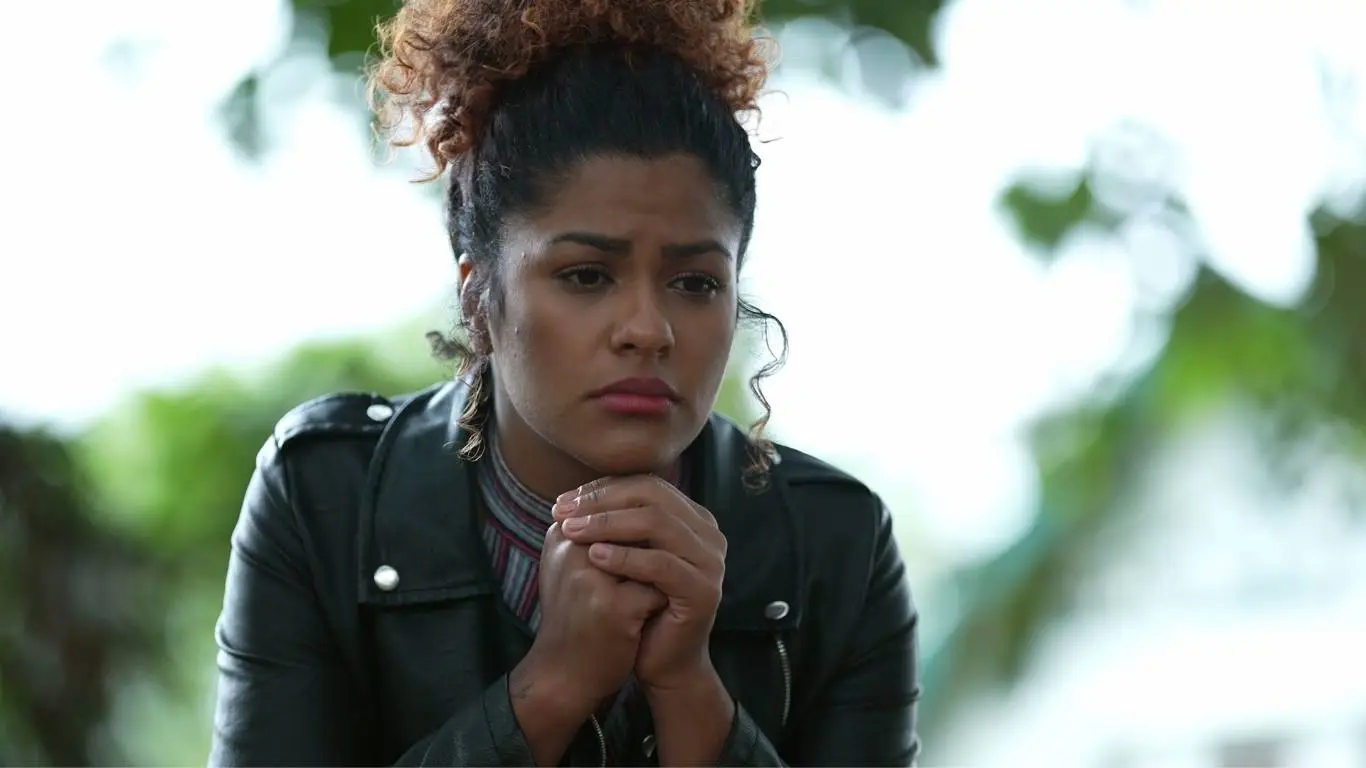
Let me be blunt: therapy saved me. I waited way too long, convinced that needing help meant I wasn’t “tough enough.” But working with a professional taught me that emotional skills are like physical ones—you don’t expect someone to deadlift 300 pounds without training, right?
You Might Want to Reach Out If:
- Your anxiety regularly interferes with work, school, or relationships
- You dread routine tasks because of fear of judgment or failure
- Your coping methods (like avoidance or perfectionism) no longer work
There’s no shame in using medical support either. Many people benefit from short-term treatment plans or natural options. Here’s a useful guide on anxiety medical treatments that don’t feel overbearing or intimidating.
How Lifestyle Changes Quietly Build Confidence

There’s something powerful about tiny wins. A walk in the morning, swapping soda for water, journaling once a day—each of these isn’t huge on its own, but together they build stability. And stability is performance anxiety’s kryptonite.
Simple Lifestyle Habits That Support Calm
- Movement: Regular low-intensity exercise (like yoga or walking) reduces cortisol levels
- Sleep Hygiene: A dark, quiet room and a set bedtime changed everything for me
- Hydration: Dehydration amplifies physical anxiety symptoms
If you’re curious how lifestyle ties into the broader picture, the anxiety lifestyle pillar article covers everything from routines to mindset resets in more detail.
Power of Reframing: It’s Not Fear, It’s Energy

One of the simplest but most powerful reframes I ever heard was: *“It’s not nervousness, it’s excitement.”* That blew my mind. The symptoms are the same: faster heart rate, quick breathing, heightened awareness. But labeling it as excitement activates a different part of the brain. I now start talks by thinking, *“My body is getting ready to do something important.”*
That mindset shift might sound small, but over time, it reshaped how I relate to performance itself. No longer something to fear—something to harness.
Break the Loop: Train Recovery as Much as Performance

Most of us train for the performance, but not the aftermath. After big moments, I used to beat myself up for stumbles. Now, I focus on post-performance recovery: decompressing, reviewing what went right, and rewarding the effort—not just the outcome.
This practice is backed by performance psychology. Athletes and CEOs alike use recovery cycles to stay in the game long-term. The same principle applies whether you’re on stage or in a job interview.
To understand how anxiety can stay hidden and quietly shape behavior long-term, I highly recommend reading this article on hidden causes of anxiety. Often, what feels like sudden overwhelm is actually a build-up we’ve been ignoring.
What Performance Anxiety Taught Me

If there’s one thing I’ve learned through all this, it’s that performance anxiety isn’t a sign of weakness—it’s a signal that something matters to you. The goal isn’t to eliminate anxiety but to work with it, use it, and not let it steal the moment you’ve worked for.
Whether you’re a student, speaker, athlete, or professional, you’re not alone. These strategies helped me move from dread to control—and I hope they help you, too.

Camellia Wulansari is a dedicated Medical Assistant at a local clinic and a passionate health writer at Healthusias.com. With years of hands-on experience in patient care and a deep interest in preventive medicine, she bridges the gap between clinical knowledge and accessible health information. Camellia specializes in writing about digestive health, chronic conditions like GERD and hypertension, respiratory issues, and autoimmune diseases, aiming to empower readers with practical, easy-to-understand insights. When she’s not assisting patients or writing, you’ll find her enjoying quiet mornings with coffee and a medical journal in hand—or jamming to her favorite metal band, Lamb of God.