Why Plantar Fasciitis Might Be the Real Cause of Your Back Pain
If someone had told me a few years ago that my nagging lower back pain was being triggered by a problem in my foot, I would’ve laughed it off. But after months of trying everything from massages to core exercises with little success, I stumbled upon a cause I never expected: plantar fasciitis. Yup, the intense heel pain that most people associate with runners or standing jobs was sneakily contributing to my back problems. Turns out, the body is a lot more connected than we think.
Understanding the Foot-Back Connection
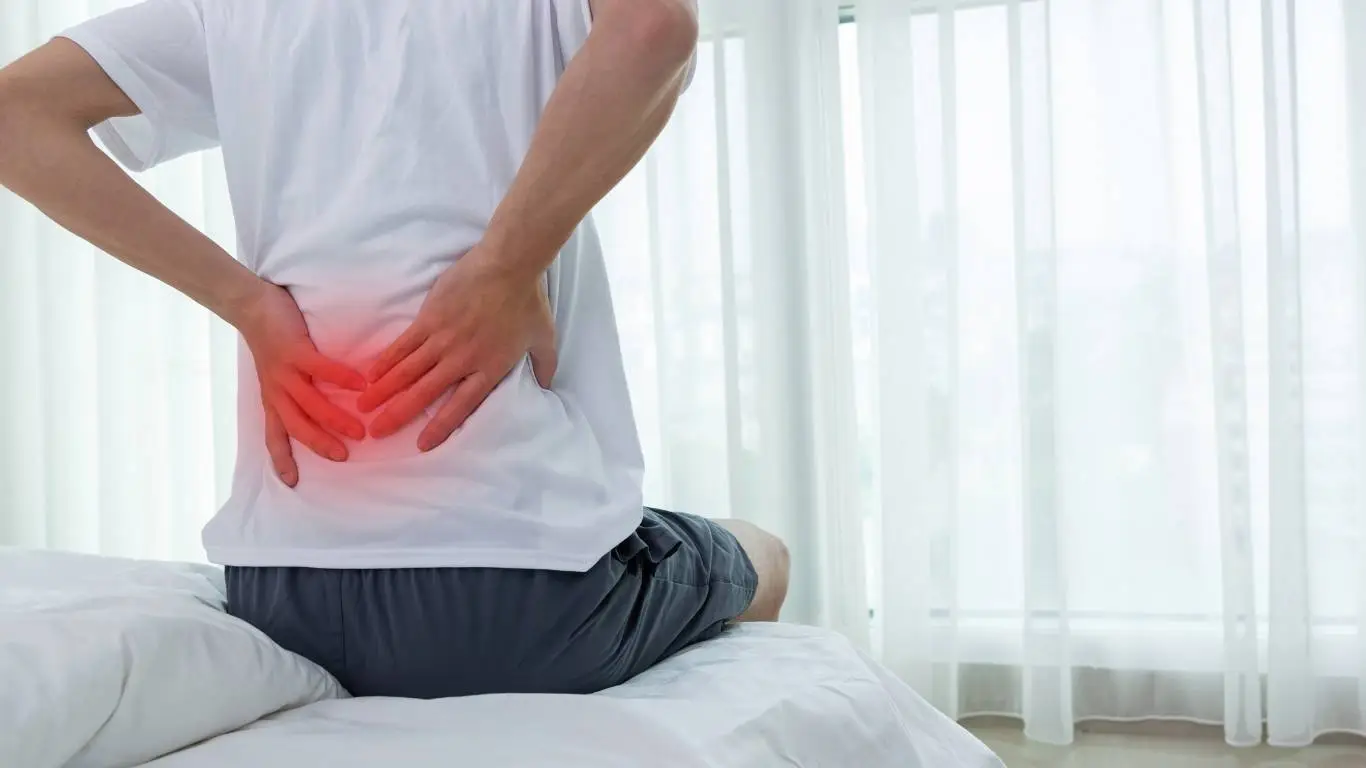
Most people think of back pain as a spine problem or maybe a posture issue. But what if the root cause is all the way down at your heel? That’s exactly what happens when plantar fasciitis leads to referred back pain. The plantar fascia is a thick band of connective tissue running along the bottom of your foot. When it’s inflamed or torn, your body compensates—subtly altering your walking pattern, posture, and spinal alignment.
Over time, this compensation can wreak havoc on your lumbar spine and pelvic alignment. It’s not just an ache in the foot anymore; it’s a structural issue echoing up your entire kinetic chain. In my case, I unconsciously shifted weight to the opposite side of my body, which eventually strained my lower back muscles and caused an imbalance I couldn’t ignore.
How Plantar Fasciitis Can Trigger Lower Back Pain

Altered Gait Mechanics
Walking with plantar fasciitis isn’t just uncomfortable—it’s biomechanically disruptive. You might:
- Shorten your stride to reduce pressure on the heel
- Roll your foot differently to avoid the pain
- Shift more weight onto the opposite hip or leg
These subtle changes can overload the sacroiliac joint, stress the lumbar vertebrae, and even pinch the sciatic nerve. It’s no wonder I started feeling a deep, dull ache in my back after just a few weeks of limping around.
Postural Compensation
Ever found yourself leaning forward or tilting to one side without even realizing it? That’s your body trying to protect the injured area. But these compensations can quickly become chronic postural distortions. According to clinical research, compensatory patterns from plantar fasciitis can result in anterior pelvic tilt and lordotic posture, two major culprits behind chronic back pain.
Myofascial Chains and Referred Pain
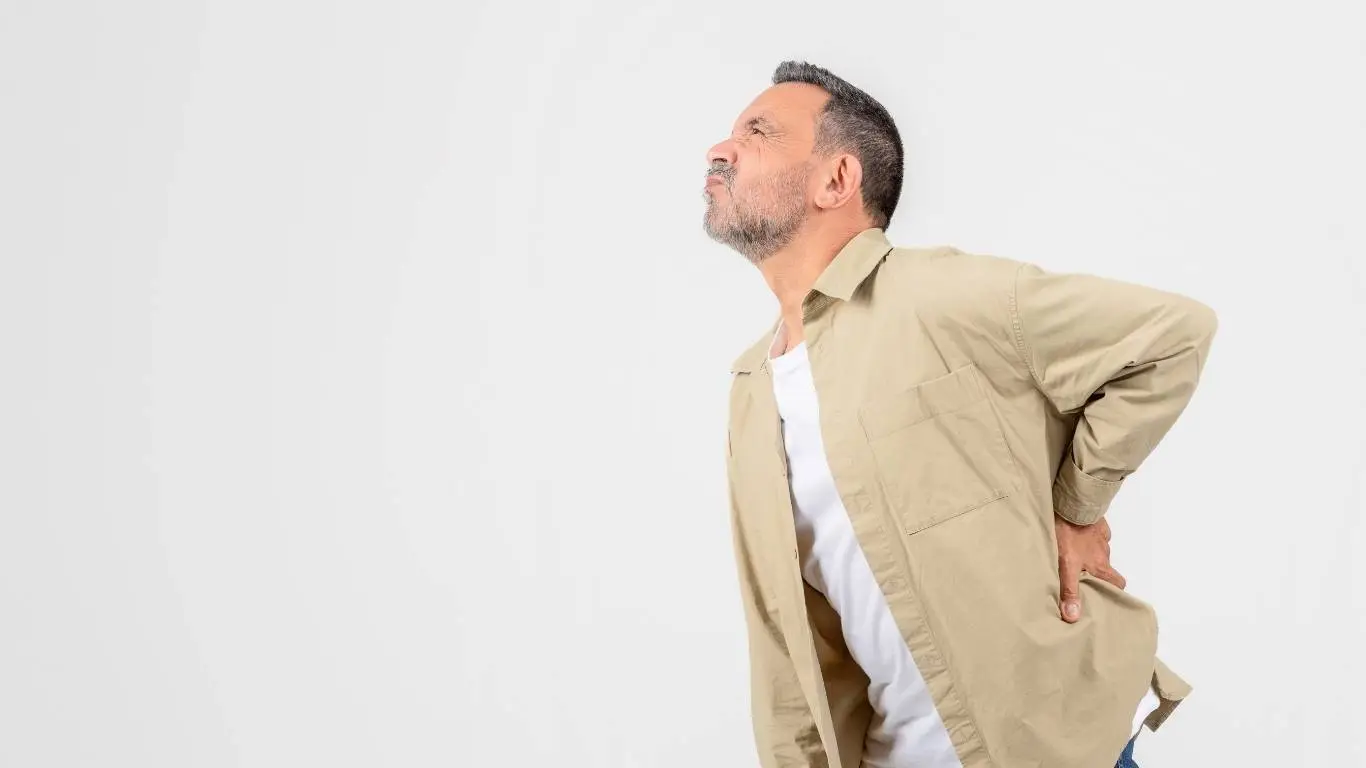
This is where it gets really interesting. The body is wrapped in fascial tissue that acts like one big interconnected suit. Pain in the plantar fascia can transmit tension all the way up to the back through the superficial back line. That’s not woo-woo; it’s science backed by anatomical studies and movement therapy principles.
When I started exploring this idea more seriously, I came across this article on muscle imbalances and back pain, and it was like someone finally explained what my body was doing. Tight calves, weak glutes, overworked lumbar muscles—everything was out of sync.
Why It’s Often Misdiagnosed

Most general practitioners are quick to focus on localized symptoms. You walk in complaining about lower back pain, and they’ll probably check your spine, maybe your hips—rarely your feet. That’s how plantar fasciitis-induced back pain slips under the radar. Unless you’re seeing a podiatrist, PT, or someone who understands functional movement systems, chances are you’ll get misdiagnosed or partially treated.
And honestly, I get it. Even I was skeptical at first. But once I started treating my plantar fasciitis seriously—using targeted stretching routines, better footwear, and even foam rolling—the back pain started to melt away. No magic, just mechanics.
Real-World Triggers That Make Things Worse

Here are some common daily habits that quietly aggravate both your heel and your spine:
- Standing on hard surfaces: This kills your plantar fascia and compresses the lumbar spine simultaneously.
- Wearing unsupportive shoes: Think flip-flops or flats with zero arch support.
- Long commutes: Sitting too long tightens the hip flexors, which then tugs at the lower back.
I made the mistake of standing for long hours on a concrete floor in cheap sneakers. No cushion, no arch, and no clue. My heel throbbed, and by the end of the day, my back felt like I’d done deadlifts with horrible form. Now, I rotate between orthopedic sandals and supportive sneakers with custom inserts—and my back thanks me every single day.
What Helped Me Break the Cycle
Let me be clear: treating just your back won’t fix this. You’ve got to start with your feet. These are some of the game-changers that helped me:
- Daily foot rolling with a lacrosse ball
- Toe spreads and calf stretches before bed
- Switching to anti-inflammatory foods like turmeric and leafy greens (see this diet guide)
- Using lumbar support cushions at work and in the car
These adjustments didn’t just improve my posture—they gave my back a real break. And once the fascia healed, the pain didn’t come back. That’s when I realized that no matter where you feel the pain, you’ve got to look at the full chain.
To learn more about structural causes of pain like this and how they’re diagnosed, this page is a must-read: Symptoms & Diagnosis of Back Pain. And for a complete, science-based overview, don’t miss the main pillar on back pain.
How to Treat Referred Back Pain from Plantar Fasciitis—For Real

Once I accepted that my foot was the root of the back pain, I realized my go-to heating pad wasn’t going to cut it anymore. The trick is not just managing pain—it’s correcting dysfunction. And that starts with a combination of targeted therapy, supportive habits, and smarter choices. I’m not a PT, but after seeing three different specialists and experimenting with dozens of techniques, here’s what actually worked for me.
1. Strengthen What Matters
Forget crunches and planks for a second. If you’re dealing with referred back pain from plantar fasciitis, your focus should be:
- Glutes – Weak glutes shift pressure onto your lower back
- Core stabilizers – Transverse abdominis is your back’s real MVP
- Posterior chain – Hamstrings, calves, and even mid-back muscles
I followed yoga-based stretches for back pain relief and incorporated single-leg bridges and eccentric calf raises. Within weeks, I noticed less compensation in my gait and better posture while walking.
2. Improve Foot Mechanics

This one’s obvious, but fixing foot mechanics takes more than rest. Here’s what actually made a difference:
- Short foot exercises (look them up—life-changing)
- Toe spacers to improve foot alignment at night
- Rolling my arches morning and night with a frozen water bottle
- Switching to zero-drop shoes with firm arch support
I also added this deep-dive on flat feet and back pain to my reading list—something I wish I had seen years earlier.
The Role of Manual Therapy (and When to Use It)

I used to think massage was just a luxury. Until one session with a therapist who focused on my calves, heel, and piriformis literally changed my walking pattern. Manual therapy can help release fascial tension and trigger points that exacerbate both foot and back pain. Don’t skip the calves—those tight suckers contribute way more than you think.
For me, massage therapy combined with dry needling helped improve blood flow and reduce stiffness. I also experimented with cupping therapy, which surprisingly gave immediate relief, especially around the sacroiliac joint.
Inflammation: The Hidden Aggravator
Whether it’s your heel or your back, inflammation makes everything worse. I used to rely on ibuprofen far too often—until I focused on reducing inflammation through food and lifestyle. Swapping processed snacks for omega-3-rich foods and leafy greens helped a lot more than I expected. I also looked into turmeric and magnesium supplements—especially helpful during flare-ups.
More than once, I came back to this comprehensive post: Omega-3 for joint and back health. Pair that with guidance from this external resource at Cleveland Clinic on inflammation’s impact on pain, and you’re golden.
Simple Daily Fixes That Prevent Setbacks

You don’t have to flip your life upside down to feel better. These small changes had a big impact on my daily pain levels:
- Using a standing desk with a supportive mat (learn more here)
- Wearing indoor shoes at home instead of going barefoot
- Stretching during work breaks—especially calves and hamstrings
- Sleeping with a pillow under my knees to reduce lumbar stress
None of these fixes are complicated. But together, they form a strong foundation that helped me stop the pain from coming back. Once I began stacking the right daily habits, I didn’t just manage pain—I reversed it.
When to See a Specialist

At some point, DIY tools may not cut it. If your back pain from plantar fasciitis doesn’t improve with rest, rehab, and support, it’s worth getting a professional opinion. A podiatrist can analyze your foot mechanics, while a physio or sports therapist can spot compensations in your gait or posture that you’d never catch on your own.
Imaging like MRI or ultrasound might be needed if pain persists despite conservative care. You’ll find a helpful breakdown of those options here: MRI for back pain evaluation.
Or head over to the guide on conservative back pain treatment strategies for more actionable solutions before considering surgery or injections.
Long-Term Recovery Mindset
What really surprised me during recovery was how mental the process became. Pain takes a toll. And when the source isn’t obvious, it can feel even more frustrating. So I started tracking symptoms, journaling flare-ups, and noting what helped. That gave me clarity and control—two things you rarely feel with chronic pain.
If you’ve ever felt like your pain is in your head because doctors couldn’t find the “cause”, trust me—you’re not alone. This article on how back pain and depression quietly feed each other really spoke to me. Once I addressed both, things shifted dramatically.
And of course, stay consistent. That’s the real key. No single therapy or tip will work if it’s only done occasionally. It’s the daily stacking of small wins—better shoes, better posture, smarter nutrition, regular movement—that leads to lasting change.
If you’re serious about getting to the bottom of your back pain and you’re open to exploring less obvious causes, check out the broader section on natural lifestyle approaches to back pain. And to revisit the full landscape of back pain understanding, don’t miss the main back pain pillar article.

Camellia Wulansari is a dedicated Medical Assistant at a local clinic and a passionate health writer at Healthusias.com. With years of hands-on experience in patient care and a deep interest in preventive medicine, she bridges the gap between clinical knowledge and accessible health information. Camellia specializes in writing about digestive health, chronic conditions like GERD and hypertension, respiratory issues, and autoimmune diseases, aiming to empower readers with practical, easy-to-understand insights. When she’s not assisting patients or writing, you’ll find her enjoying quiet mornings with coffee and a medical journal in hand—or jamming to her favorite metal band, Lamb of God.