Why Post-Breakup Anxiety Recovery Steps Can Feel So Overwhelming
Breaking up sucks. There’s no gentle way to say it. Whether it was mutual, messy, or just long overdue, the aftermath can feel like you’re trying to breathe underwater. I remember sitting on my couch, staring at a text thread like it would somehow bring clarity. Instead, all I got was a tidal wave of anxiety — overthinking, tight chest, restless nights. Post-breakup anxiety is real, and it’s more than just sadness — it’s a full-on mind-and-body hijack. Let’s talk about the recovery steps that actually help pull you out of that storm and back into yourself.
Understand What Post-Breakup Anxiety Actually Is

It’s not just feeling heartbroken. Post-breakup anxiety often shows up as:
- Racing thoughts about what went wrong or if they’re thinking about you
- Panic attacks, especially when you see reminders of them
- Physical symptoms like nausea, insomnia, and chest tightness
- Compulsive social media checking (been there, regretted that)
This isn’t just emotional; it’s physiological. The body reacts to emotional loss like withdrawal. That’s why chest pain from anxiety post-breakup feels so damn real.
Step 1: Cut the Contact — And That Means Digital Too

Yes, it’s hard. No, it’s not cruel. If you’re serious about healing, you need a full detox. And that includes:
- Deleting the chat thread (archive if you’re not ready — just don’t re-read)
- Unfollowing or muting them across all platforms
- Turning off “last seen” and “active now” statuses if you can’t resist checking
This isn’t about punishing them. It’s about protecting *you*. Repeated digital exposure keeps your brain in a loop of anxious attachment. There’s even a term for it — “digital rumination.”
Bonus Tip
If you’re tempted to reach out during an anxiety spike, try this: write the message, then save it in Notes — never send. It helps release the emotion without creating more mess.
Step 2: Anchor Your Day with Structure

After my breakup, I started waking up at wildly different hours, skipping meals, and losing track of time. That lack of structure? It feeds anxiety. Start simple:
- Wake up and go to bed at consistent times
- Eat something (even small) within an hour of waking
- Schedule one small task every morning — even if it’s just watering a plant
Your nervous system *loves* predictability. It’s why sleep disturbances after a breakup are so common — your rhythm gets hijacked.
Step 3: Move Your Body — Don’t Overthink It

Not for weight loss. Not to “glow up” for revenge. Just move to reset your stress hormones. Cortisol and adrenaline spike during emotional upheaval — movement helps flush them out. Start with:
- 10-minute walk after breakfast
- Stretching while watching Netflix
- Dance to that one breakup playlist (we all have one)
If you want science-backed relief, try progressive muscle relaxation. It’s like yoga’s lesser-known cousin — but easier and quicker.
Step 4: Lean Into Safe People, Not Rebound Energy

Resist the temptation to date right away. That’s not healing — that’s escaping. I once jumped into a “distraction situationship” a week after a breakup. It ended in more anxiety, not less. Instead, focus on:
- Reconnecting with people who remind you who you are outside the relationship
- Having low-pressure hangs (coffee, walks, game nights)
- Letting someone know when you’re spiraling
If you’re struggling to find safe people, anxiety support groups can be a lifeline. This article on support groups breaks down what to expect.
Step 5: Journal — But Make It Focused
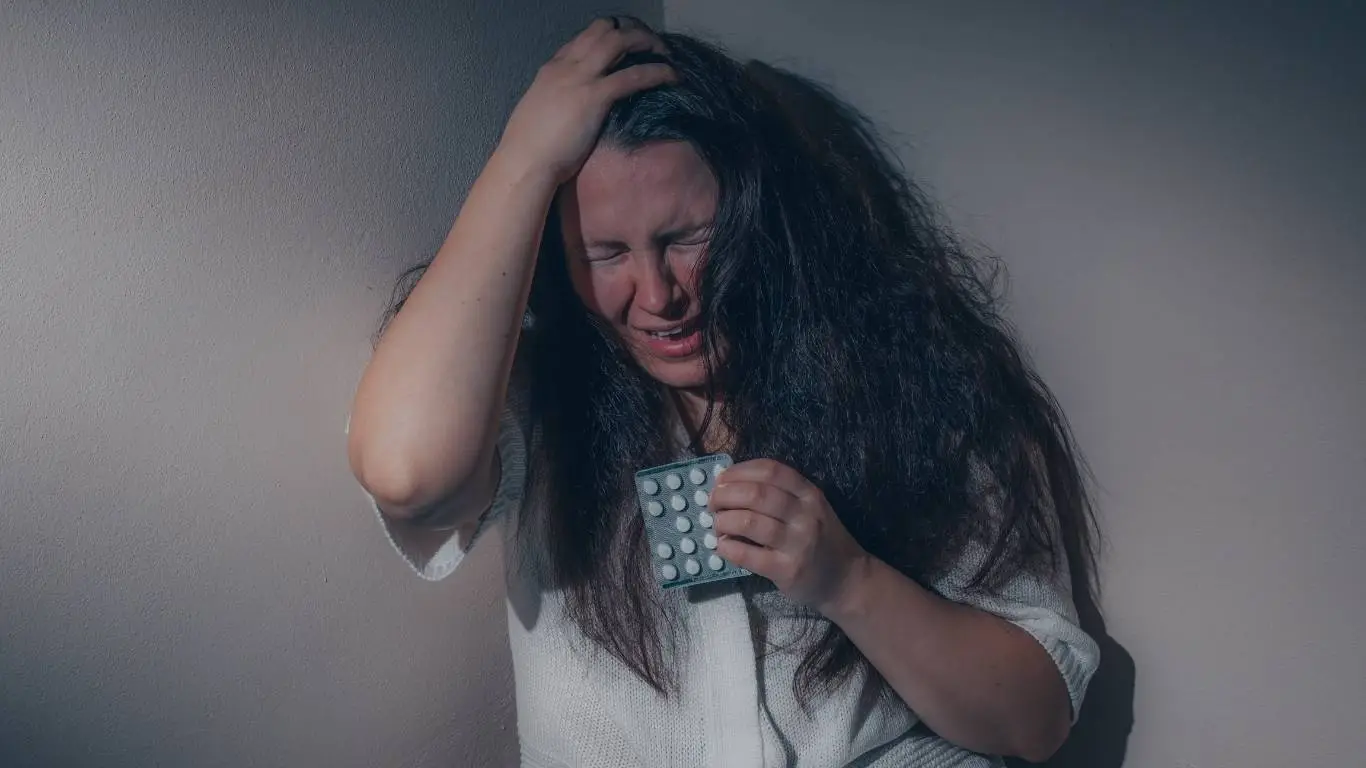
Journaling isn’t just emotional venting. When done right, it rewires the anxious brain. Start with prompts like:
- “Right now I feel…”
- “What I’m afraid might happen is…”
- “What’s one thing I can control today?”
Need a little nudge? Check out these journaling prompts crafted specifically for anxiety relief.
Why Post-Breakup Anxiety Feels So Much Harder Than Expected

You’re not just grieving the person — you’re grieving the *future* you imagined with them. That’s what makes it uniquely painful. And when anxiety joins the grief party, it can spiral fast. That’s why understanding the underlying cause matters. If you haven’t yet, dive into this breakdown of hidden anxiety triggers. It may surprise you.
Also worth reading: why anxiety disorders control more than you think — the *main pillar* that connects a lot of this.
For a more detailed perspective on what anxiety *really* feels like and how it creeps into daily life post-breakup, here’s a deep dive into how anxiety disrupts your day without you noticing.
Step 6: Redefine Your Self-Concept — Without the “Us”

One of the hardest things post-breakup? Remembering who you were before the “we.” When you’ve built a life with someone, even the little stuff — like coffee orders or weekend routines — feels tied to them. That blank slate can trigger a low-grade identity crisis. It did for me.
This is where small wins count:
- Try a new café (yes, even if it feels weird going alone)
- Revisit hobbies they never enjoyed but you secretly did
- Switch up your space — new sheets, different playlist, fresh scent
As you do, you’ll notice something: the anxiety softens. That tightening in your chest? It loosens when your identity starts expanding beyond the relationship container.
Step 7: Learn to Sit With the Discomfort

This one isn’t fun, but it’s essential. There’s no recovery without sitting in the emotional muck. I used to fill every quiet moment with noise — podcasts, calls, scrolling — just to avoid feeling it. But here’s the thing:
Avoidance feeds anxiety.
One practice that truly helped me: mindfulness meditation. I know, it sounds cliché. But when I read how mindfulness rewires anxiety, I gave it an honest try. And it worked. Not overnight, but slowly, I stopped panicking over every emotion I didn’t understand.
If that’s not your vibe, start with breathwork. This guide on breathwork is a good entry point if sitting still feels too intense.
Step 8: Stop Blaming Yourself (Seriously)
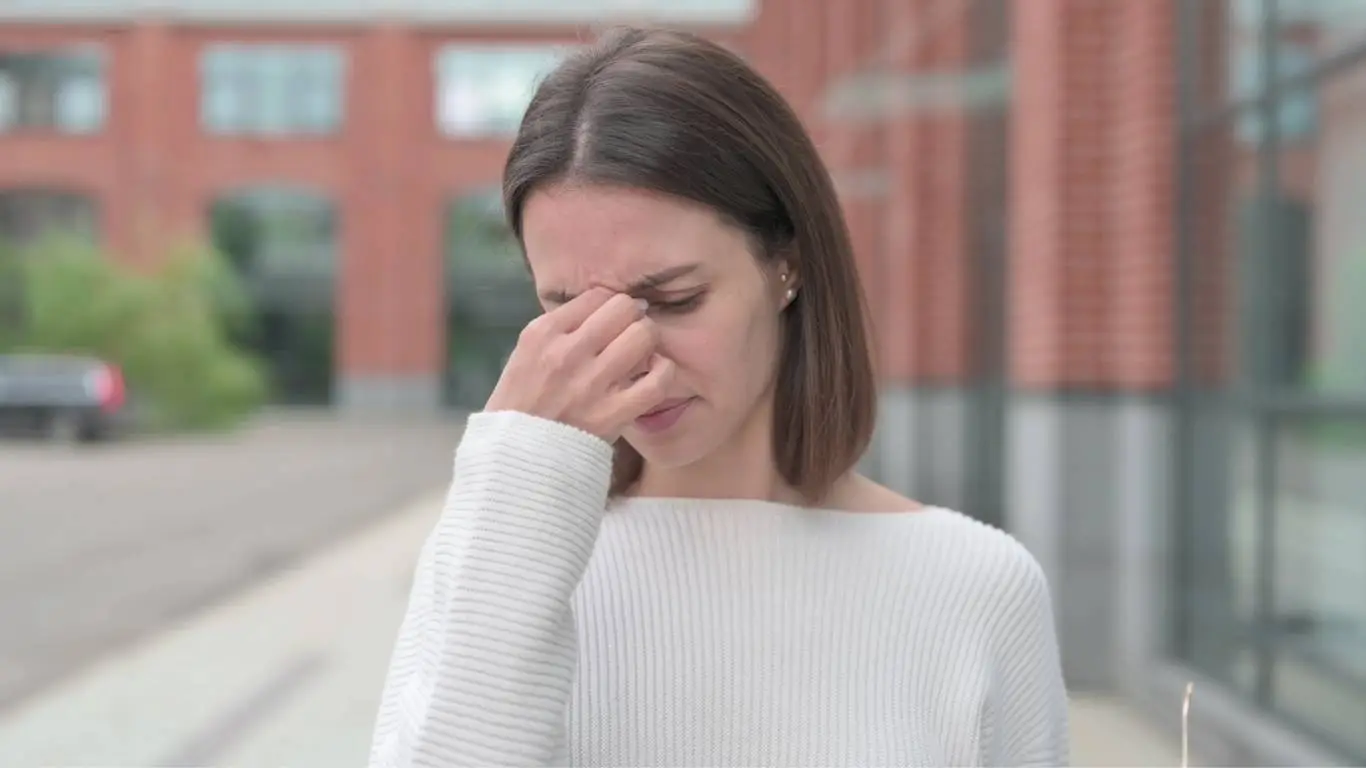
This one hit me like a brick. Even when I knew the breakup made sense, I kept replaying every argument in my head. I’d think, “If I’d just communicated better,” or “Maybe I was too sensitive.” Classic anxiety loops.
But here’s the truth: relationships end for a reason — and it’s rarely just one person’s fault. If you find yourself spiraling into self-blame, check out this breakdown of distorted thoughts. I had no idea how often I was falling into that trap until I read it.
And if you’re caught in regret? Acceptance and Commitment Therapy (ACT) might help. There’s a powerful story on how ACT shifted someone’s entire anxiety recovery.
Step 9: Fuel Your Brain — Not Just Your Feelings

After a breakup, I lived on frozen waffles and wine for way too long. No shame — but not helpful, either. Nutrition plays a bigger role in anxiety than we think. I started feeling noticeably better when I added magnesium-rich foods like dark leafy greens and pumpkin seeds to my routine. According to research on the gut-brain axis, what we eat really does impact how we feel.
Read more on how magnesium-rich foods ease anxiety — it’s worth the tiny grocery trip. And don’t skip the insights in this nutrition pillar piece for a broader perspective on how food connects to mental health.
Step 10: Rebuild Trust — In Yourself, First

Breakups can shake your trust — not just in others, but in yourself. You might second-guess your ability to love again, spot red flags, or even know what you want. I get it. That’s where journaling, therapy, and even a good chat with a no-nonsense friend come in.
But here’s what I wish someone told me sooner: Rebuilding self-trust starts with keeping small promises to yourself. Things like:
- Showing up to therapy even when it’s hard
- Doing the walk you planned, even if it’s just five minutes
- Letting yourself cry without judgment
If you’re open to therapy, there are so many approaches that can help. I personally found Cognitive Behavioral Therapy (CBT) incredibly grounding. This article on CBT for anxiety breaks it down without all the jargon.
When It’s More Than Just a Breakup

Sometimes, post-breakup anxiety isn’t just about the person. It’s tied to deeper things — abandonment wounds, trauma, unresolved childhood stuff. If you notice your anxiety isn’t easing up after a few weeks or is getting worse, it might be time to look at the root causes.
Check out this deep dive into how childhood trauma impacts adult anxiety. It changed the way I saw my patterns — and helped me approach healing with more self-compassion.
Where to Go From Here
If you’ve made it this far, you’re not just surviving the breakup — you’re taking active steps to heal from it. That matters. Don’t rush the process. Don’t force a glow-up. Let it be messy. Let it be real.
And if you’re still wondering why this breakup hit harder than expected, this main pillar article — Why Anxiety Disorders Can Secretly Control Your Daily Life — gives the big picture.

Camellia Wulansari is a dedicated Medical Assistant at a local clinic and a passionate health writer at Healthusias.com. With years of hands-on experience in patient care and a deep interest in preventive medicine, she bridges the gap between clinical knowledge and accessible health information. Camellia specializes in writing about digestive health, chronic conditions like GERD and hypertension, respiratory issues, and autoimmune diseases, aiming to empower readers with practical, easy-to-understand insights. When she’s not assisting patients or writing, you’ll find her enjoying quiet mornings with coffee and a medical journal in hand—or jamming to her favorite metal band, Lamb of God.