How Posterior Pelvic Tilt and Lumbar Strain Trigger Daily Pain
Ever spent a long day at your desk, only to feel like your lower back has turned into a stiff, uncooperative mess? Yeah, been there. A while back, after one too many marathon editing sessions, I noticed my hips were tilted awkwardly, and my lower back was screaming for help. Turns out, I had something called posterior pelvic tilt—a sneaky postural imbalance that messes with your spine’s natural curve. Pair that with lumbar strain from trying to “fix” my posture with poor form, and you’ve got a cocktail of back pain that’s more common than you’d think. Let’s break it down, because understanding it can be a game-changer for your spine.
What Is Posterior Pelvic Tilt—and Why It Matters

In a nutshell, posterior pelvic tilt happens when your pelvis rotates backward, flattening the natural curve of your lower back. It’s like your hips are tucking under, making you look like you’re constantly clenching your glutes. Not cute—and definitely not comfortable.
Common Signs You Might Have It
- Lower back feels tight or sore after sitting
- Your glutes are constantly “engaged”—even when they shouldn’t be
- You notice your upper back and shoulders leaning forward
- Your hamstrings feel tight, no matter how much you stretch
The problem with this tilt is it throws your entire kinetic chain out of whack. Over time, that misalignment puts strain on your lumbar spine—leading to inflammation, muscle fatigue, and that unmistakable nagging back pain after activity.
How Lumbar Strain Kicks In
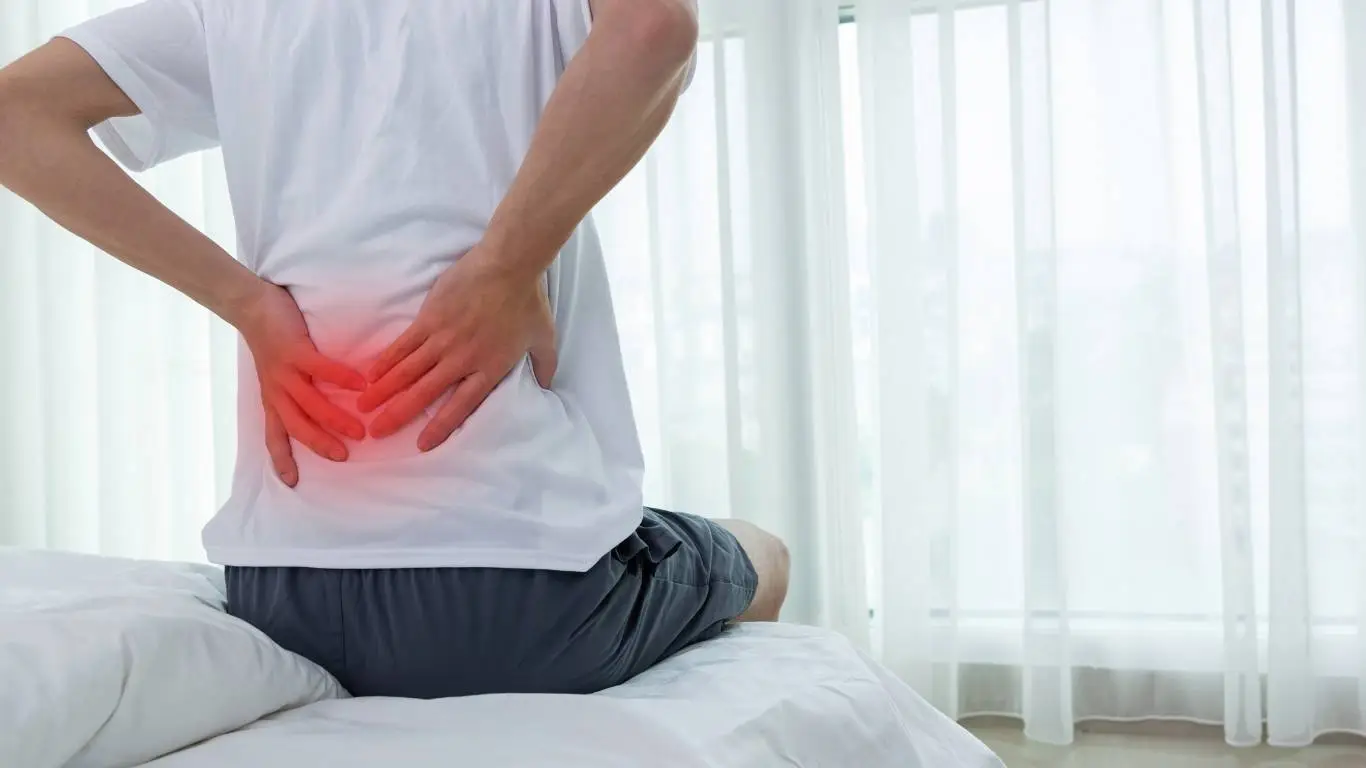
Your lumbar spine (the lower back section) is designed to curve inward. But when your pelvis is tilted backward, it loses that curve—flattening it like a pancake. And trust me, your back hates being a pancake.
The muscles around the lumbar spine then work overtime to stabilize your posture. This leads to lumbar strain, where small tears form in the muscle fibers or tendons. The more you push through it—lifting, walking, or even just sitting—the worse it gets.
What Causes the Tilt + Strain Combo?
- Sitting too long – especially in slouched or rounded positions
- Weak core and glutes – they’re not pulling their weight (literally)
- Overactive hamstrings – they shorten and pull the pelvis down
- Poor lifting form – trying to “use your back” instead of your legs
One study from ncbi.nlm.nih.gov shows a direct correlation between sedentary posture and posterior pelvic tilt in office workers. And it makes sense—when your glutes are always on the bench, your back ends up taking the hit.
The Muscle Imbalance Puzzle
Here’s where it gets tricky: fixing posterior pelvic tilt and lumbar strain isn’t just about stretching your hamstrings or rolling out your back. You need to address the muscle imbalances causing it.
The Core Trio That Needs Balancing
- Hip flexors – usually too tight and underused
- Glutes – often weak and inactive
- Lower abs – not stabilizing the pelvis effectively
Fixing the tilt means stretching what’s tight, strengthening what’s weak, and retraining the body to move with proper alignment. I used to rely on just yoga to “loosen up,” but until I incorporated glute activation work, I didn’t see lasting changes.
For those dealing with recurring discomfort, it’s worth exploring the difference between acute vs chronic back pain. Posterior pelvic tilt typically causes low-level chronic pain that flares up with activity—especially if the lumbar area is already strained.
Exercises That Actually Work (and What to Avoid)

I’ll be honest—I made things worse before I got better. I did endless hamstring stretches (spoiler: didn’t help) and ignored my glutes. What finally helped me turn things around?
Effective Moves for Posterior Pelvic Tilt
- Glute bridges – with proper form, activating glutes not hamstrings
- Hip flexor stretches – to open up the front of the hips
- Dead bugs – to engage deep core muscles
- Wall sits with posterior tilt correction – great for alignment awareness
What to Avoid
- Excessive forward bending stretches
- Crunches or sit-ups that strain the lower back
- Heavy squats without proper pelvic control
This guide on exercise and ergonomics offers more detail on how movement patterns affect posture and pain levels. If you’re in doubt, get evaluated by a physical therapist—it changed everything for me.
The Role of Daily Habits in Pain Management
Even with the right exercises, if your day-to-day habits don’t support a neutral pelvis and healthy spine, you’ll stay stuck in a pain loop. I started using a lumbar support cushion, switched to a standing desk part-time, and stopped sitting with my legs crossed (a big contributor, it turns out).
Back pain related to poor posture, especially from sitting, is no joke. Check out this breakdown on how sitting wrecks your spine. It’s one of the better visual explainers I’ve seen—and painfully relatable.
As I got deeper into fixing my own posture, I found the underlying causes of back pain way more complex than I’d assumed. And that’s where the real progress starts—understanding that back pain is rarely just about the back. It’s about the whole body moving (or not moving) in sync.
For a complete understanding of the types of back pain and the anatomy behind it, I recommend exploring this in-depth guide on back pain types and anatomy. It’s linked to the broader main pillar article on back pain that ties everything together.
How to Reverse Posterior Pelvic Tilt Naturally

One of the biggest shifts for me was realizing that you don’t need fancy equipment or hour-long routines to start fixing this imbalance. What helped most was integrating small corrections throughout my day. Fixing posterior pelvic tilt isn’t just about “fixing” during workouts—it’s about retraining your body during all the other hours you’re not at the gym.
Posture Awareness Is a Daily Practice
- Stack your ribs over your hips – that cue changed everything for me
- Don’t tuck your pelvis when standing – it’s a habit, not a necessity
- Keep feet active when seated – flat, grounded, and hip-width apart
There’s a solid explanation of this in this article on posterior chain mechanics, especially the part about how poor standing habits quietly train the body into bad alignment. Fixing mine felt awkward at first—but after a week, it felt natural.
Targeted Strengthening for the Win
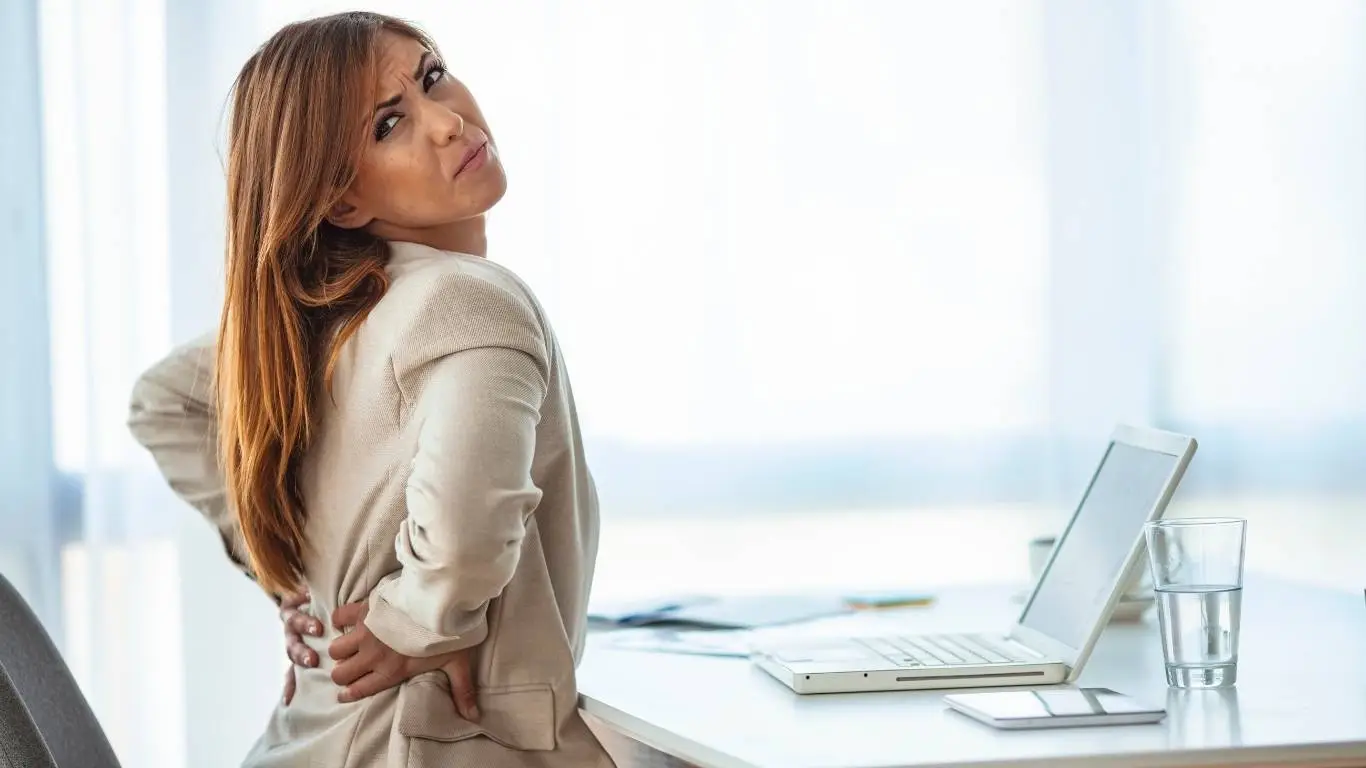
If you’ve ever heard that you should “strengthen your core” for back pain, but never knew where to start—you’re not alone. I was doing the wrong core exercises for months before switching to deep core activation and glute training that supported pelvic neutrality.
My Favorite Go-To Moves
- Bird dogs – great for building stability and coordination
- Side-lying clamshells – simple, but incredibly effective for glute medius
- Wall dead bugs – engage the deep core without spinal stress
- Standing marches – focus on control, not just movement
It took just a couple weeks of consistency to feel a huge difference. And according to mayoclinic.org, progressive strengthening is one of the key strategies for long-term postural correction and lumbar pain prevention. Their emphasis on form and quality over volume really matches my own experience.
For more guidance on structured back-friendly routines, this article on sciatic nerve exercises helped me better understand the nuances of movement with pain.
Stretching Without Overstretching

One mistake I made for years was stretching the hamstrings every time my back hurt. Turns out, when you’re dealing with posterior pelvic tilt, your hamstrings are often already too long and overactive. Overstretching them just reinforces the imbalance.
Smart Stretching Focus
- Hip flexor release – open the front to allow pelvic movement
- Quadriceps stretches – especially if you sit all day
- Thoracic spine mobility drills – keep the mid-back moving freely
Here’s a piece I recommend if you’ve ever wondered about tight muscles and back pain: muscle imbalances and how they drive pain. It’s wild how a single stiff hip can change everything from how you walk to how you breathe.
Managing Flare-Ups and Pain Peaks
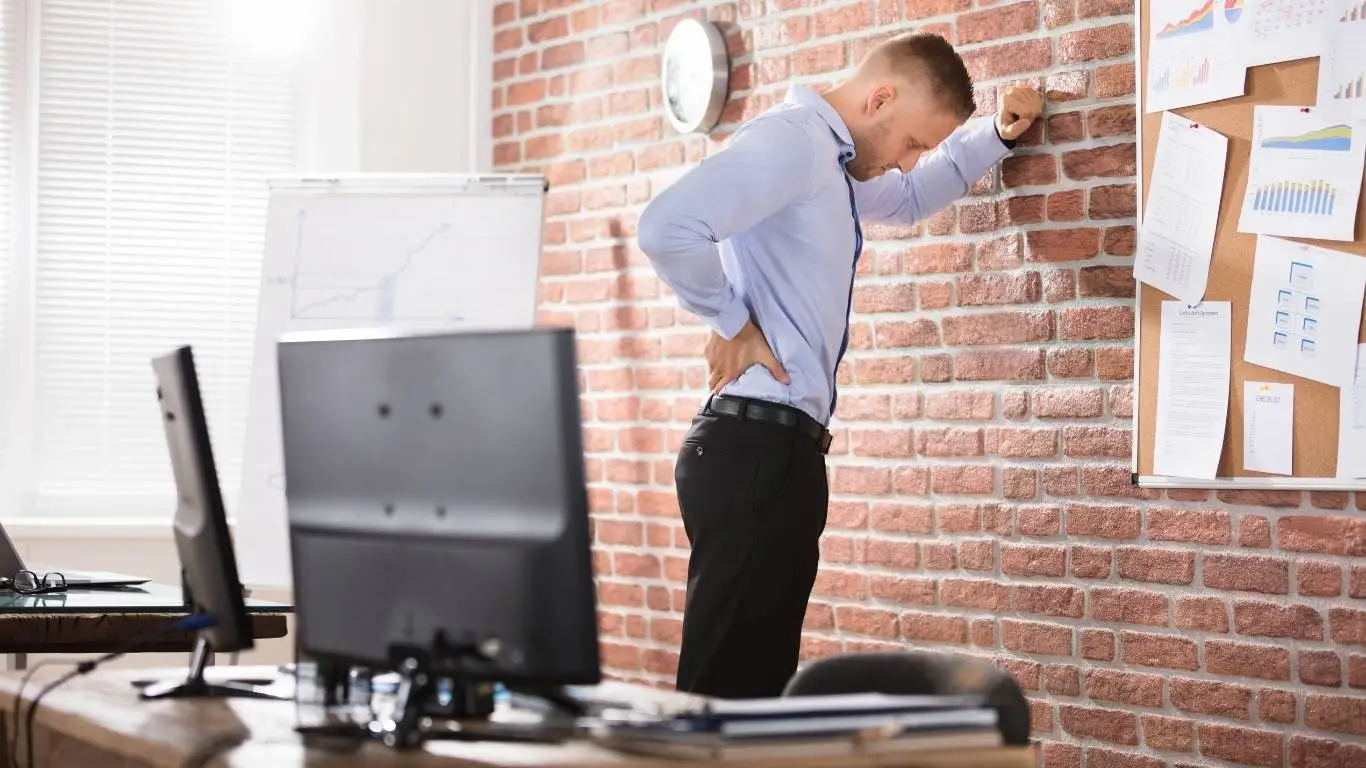
Let’s talk about those moments when everything feels like it’s falling apart. Maybe you overdid it with the squats, or just woke up sore from sleeping weird—those lumbar strain flare-ups are brutal. I used to panic and avoid movement, which made things worse.
What Helped Me Calm It Down
- Alternating heat and cold – for inflammation and tension release
- Light walking – keeps blood flowing and reduces stiffness
- Breathing drills – to downregulate the nervous system
If you’re curious about targeted strategies, this guide on hot vs cold therapy is super practical and helped me figure out what works best when.
Ergonomic Setups and Lifestyle Tweaks

Once I addressed my alignment issues, I started paying attention to the little things—like my home office setup, the shoes I wore, and how I held my phone. Turns out, all those micro-movements either support or sabotage your progress.
Simple Tweaks I Made That Helped Big Time
- Switched to an ergonomic chair with a slight lumbar curve
- Started using a footrest to keep hips aligned when seated
- Stopped wearing flat sneakers and went for supportive soles
I had no idea that bad footwear could contribute to pelvic tilt until I read this article on footwear and back pain. That was eye-opening—literally changed how I shop for shoes now.
You can dive deeper into how your environment affects back pain by checking out this piece on lifestyle habits and natural support options that go beyond stretching and lifting techniques.
Why You Shouldn’t Ignore the Emotional Connection

This part hit me harder than expected. Once I started paying attention, I realized I carried tension in my hips and lower back every time I was stressed. No amount of glute bridges can fix that. Chronic pain is often deeply connected to emotional stress—and once I acknowledged that, everything began to shift.
One resource that really opened my eyes is this article on the back pain–mental health connection. It’s a powerful reminder that the mind and body aren’t just connected—they’re in constant conversation.
When I incorporated mindfulness and breathing practices into my routine—just 5 minutes a day—I saw more consistent improvement in my pain levels. If you want to take that deeper, check out how mindfulness works for pain relief. Worth every breath.
Understanding your body’s alignment, adjusting your daily habits, and strengthening the right muscles makes all the difference. And if you haven’t already, start with this resource on exercise and posture rehab—it’s one of the most relevant guides that ties everything together with purpose.

Camellia Wulansari is a dedicated Medical Assistant at a local clinic and a passionate health writer at Healthusias.com. With years of hands-on experience in patient care and a deep interest in preventive medicine, she bridges the gap between clinical knowledge and accessible health information. Camellia specializes in writing about digestive health, chronic conditions like GERD and hypertension, respiratory issues, and autoimmune diseases, aiming to empower readers with practical, easy-to-understand insights. When she’s not assisting patients or writing, you’ll find her enjoying quiet mornings with coffee and a medical journal in hand—or jamming to her favorite metal band, Lamb of God.