Powerful Tips to Overcome Performance Anxiety in Public Speaking
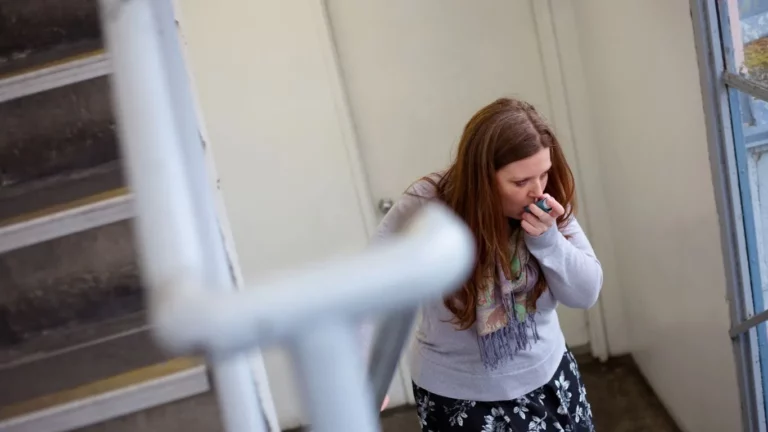
Let me tell you, I used to sweat buckets just thinking about standing up and speaking in front of a crowd. It didn’t matter if it was five coworkers or fifty strangers—my throat would dry up, my palms would go clammy, and I’d feel like my brain had just walked out on me. If that sounds familiar, you’re not alone. Performance anxiety, especially when it comes to public speaking, is way more common than we talk about. The good news? It’s totally manageable with the right strategies—and that’s what we’re getting into today.
Understanding the Roots of Performance Anxiety

Performance anxiety, often called stage fright, hits hardest when you feel judged, exposed, or like everything has to be perfect. It’s not just in your head—there are real neurological and psychological mechanisms behind it. When you’re in front of people, your brain senses a threat. The amygdala (our brain’s fear center) goes into overdrive, triggering that classic fight-or-flight response.
It’s Not About Confidence—It’s About Control
Here’s something I wish someone had told me sooner: feeling anxious doesn’t mean you’re not confident or good at what you do. It just means your body’s reacting to perceived risk. And that’s something we can work with.
Practical Tips That Actually Work

1. Practice Like You Mean It
I used to wing it. Big mistake. Once I started practicing out loud—actually standing up, pacing a bit, using hand gestures—the shift was noticeable. Your brain responds to repetition. The more realistic your practice, the more natural it feels when you’re up there for real.
- Rehearse with a mirror or record yourself
- Time your talk to get comfortable with pacing
- Practice with someone who’ll give honest feedback
Check out this guide on anxiety-related performance issues that helped me build a structured rehearsal strategy.
2. Breath Work Isn’t Just Woo-Woo
Breathing exercises literally calm your nervous system. I use a 4-7-8 technique: inhale for 4, hold for 7, exhale for 8. It brings my heart rate down fast, especially right before stepping on stage. Want more techniques? This breathing guide for anxiety relief breaks it down perfectly.
3. Visualize the Win
Visualization sounded cheesy to me—until it worked. The key is to see yourself succeeding—confident posture, clear voice, people nodding along. Athletes use it. Performers use it. Speakers should too. It trains your brain to expect success rather than fear failure.
4. Know the First 30 Seconds Cold
Memorize your opening. Not in a robotic way—but internalize it so well that even if your brain blanks, you’ll still launch confidently. That initial momentum can completely shift how the rest flows.
5. Accept That Nerves Are Normal
This is a big one. I used to beat myself up for feeling nervous. Now I just accept it. That anxiety is energy, and it means I care. Reframing it made all the difference. It’s not weakness. It’s passion.
When It’s More Than Nerves

Sometimes performance anxiety isn’t just butterflies—it’s a full-blown mental block. That’s when it helps to dig a little deeper. Tools like the GAD-7 questionnaire can help assess whether your anxiety is part of something broader.
It’s also worth reading up on therapy approaches for anxiety if the fear feels too overwhelming to tackle solo. For me, a short stint with cognitive behavioral therapy helped reset how I viewed speaking scenarios entirely.
Physical Symptoms? You’re Not Imagining It
I once had a full-blown panic attack five minutes before a team meeting. Tight chest, racing heart—I thought it was a heart issue. Turns out, anxiety can mimic all kinds of physical problems. This explanation of shortness of breath from anxiety cleared up a lot of confusion for me.
Supplements and Natural Support
While I’m always cautious about supplements, I did find that omega-3s and magnesium helped my overall calm levels. You can explore a bunch of evidence-based suggestions in this nutrition-based anxiety resource.
Small Habits That Build Public Speaking Resilience

- Hydration: Dehydration spikes cortisol. Water helps regulate stress responses.
- Sleep hygiene: Quality sleep can cut anxiety symptoms dramatically.
- Mindful journaling: I spend 5 minutes after each speaking event writing what went well.
Even small rituals—like listening to calming music beforehand or doing a few jumping jacks backstage—can make a difference. Build a pre-talk routine that works for you.
For a broader perspective on how anxiety disorders show up in everyday life, don’t miss the main article on anxiety’s hidden impact. Also, check out this related piece on lifestyle changes that support anxiety relief.
Experts at adaa.org and nimh.nih.gov have also published helpful tools if you’re digging into research-backed strategies.
The Mental Game: Rewriting Your Inner Script

One of the biggest breakthroughs I had wasn’t on stage—it was between my ears. The anxiety didn’t always come from the audience; it came from my own inner critic whispering, “Don’t mess this up.” Once I started paying attention to those thoughts and intentionally replacing them with more realistic ones, things began to shift.
Use Cognitive Reframing
Here’s how I do it: instead of thinking “What if I forget what to say?”, I flip it to “Even if I pause, I can recover smoothly.” This reframing takes time, but it’s powerful. According to psychologytoday.com, self-talk directly impacts anxiety levels and performance quality.
Stop Trying to Eliminate Anxiety
This one’s counterintuitive. If you treat anxiety like the enemy, it fights back harder. But if you treat it like background noise—something you acknowledge but don’t react to—you rob it of its power. Acceptance doesn’t mean liking it. It just means you’re not wrestling with it the whole time.
Know Your Triggers and Plan for Them
For me, triggers included having slides with animations (they never loaded right) or being introduced with a long bio (which made me feel overhyped). I’ve learned to simplify tech and ask the host for a brief intro. Small stuff, big impact.
Game Day Rituals for Confident Delivery

Everyone talks about rehearsing, but what you do in the final hour before you go live? That’s the difference between surviving and thriving. Here’s the ritual I swear by now—and honestly, it took a while to develop.
- Walk the room. If possible, get to the venue early. Stand where you’ll speak. Feel it out. I even imagine where the laughs might land or where I’ll pause.
- Move your body. Stretch, shake out your arms, do a few shoulder rolls. Your nervous system loves movement—it resets the jitters.
- Anchor with something physical. I carry a smooth stone in my pocket. Before speaking, I hold it and take a deep breath. It sounds silly but adds a tactile cue that reminds me I’ve got this.
- Avoid last-minute cramming. This was tough to break. But reviewing slides 3 minutes before the talk? It only adds tension. Trust your prep.
If you want even more grounding tools, this article on progressive muscle relaxation goes deep into calming the body before high-stress events.
Fuel Yourself Like It Matters
I used to skip meals before speaking. Big mistake. An empty stomach + adrenaline = shaky hands, dizzy thoughts, and zero energy. Now, I keep it simple: protein, some slow carbs, water. Skip caffeine if it spikes your jitters—this piece on caffeine and anxiety really opened my eyes.
Use the Power of Human Connection
Let me be real—what changed everything for me was realizing the audience wants me to succeed. They’re not sitting there to judge; they’re hoping to learn, laugh, or be inspired. When I started connecting with faces instead of avoiding eye contact, I felt grounded. I wasn’t performing. I was communicating.
Start With One Friendly Face
Find someone nodding or smiling and anchor to them. Once your brain registers that positive feedback, it starts relaxing. That one connection can break the anxiety loop fast.
Don’t Chase Perfection
In one talk, I completely lost my train of thought midway. I laughed, admitted it, and asked the audience if they’d ever done the same. Huge laugh. Connection deepened. That moment of “failure” turned out better than I could’ve scripted. Audiences love real over rehearsed. Authenticity beats polish every time.
Know When to Get Extra Help

If performance anxiety is bleeding into other areas of your life—sleep, work, relationships—it might be time to get some extra support. There are therapies designed specifically for this, including CBT and DBT, which have shown strong results.
Also, tools like beta blockers or short-term medication under professional guidance can be life-changing for situational anxiety like public speaking. Not a forever solution—but for some events? They’re a lifeline.
Try Group-Based Practice Environments
Joining a local Toastmasters group honestly pushed me over the edge confidence-wise. There’s something about safe, consistent exposure that melts the fear away over time. Learn more in this article on group therapy benefits—not just for therapy, but for exposure.
Make It Your Own

You don’t need to be a TED Talk-level genius to own the room. You just need to be prepared, grounded, and willing to be seen. Every speaker develops their own rhythm, rituals, and mindset. You will too. Over time, what feels like a mountain becomes something you can scale with ease.
Want to explore more about the lifestyle shifts that make this possible? Head to our full guide on self-help strategies for anxiety. It ties into every piece of this puzzle, from daily habits to long-term resilience. And if you haven’t yet, don’t miss our foundational article: Why anxiety disorders can quietly take over daily life.
The road to becoming a confident speaker isn’t about erasing fear—it’s about getting comfortable alongside it. And if I can do that? So can you.

Camellia Wulansari is a dedicated Medical Assistant at a local clinic and a passionate health writer at Healthusias.com. With years of hands-on experience in patient care and a deep interest in preventive medicine, she bridges the gap between clinical knowledge and accessible health information. Camellia specializes in writing about digestive health, chronic conditions like GERD and hypertension, respiratory issues, and autoimmune diseases, aiming to empower readers with practical, easy-to-understand insights. When she’s not assisting patients or writing, you’ll find her enjoying quiet mornings with coffee and a medical journal in hand—or jamming to her favorite metal band, Lamb of God.