How To Prevent Lower Back Sag During Pushups For Pain-Free Workouts
Pushups are a staple in many workout routines, but if you’re like me, you’ve probably felt that annoying lower back sag creeping in halfway through your set. Been there, done that, and let’s be honest—it’s not just about bad form; it’s about understanding how to engage the right muscles to protect your back. Lower back sag during pushups isn’t just an aesthetic flaw; it can lead to nagging pain, strain, and even long-term issues if ignored.
Why Does Your Lower Back Sag During Pushups?

Most people assume pushups are all about upper body strength, but your core plays a far bigger role than you might think. When your core isn’t activated properly, your pelvis tilts forward, leading to an exaggerated lumbar curve — that’s your lower back sagging. Trust me, I used to think planks were boring until I realized they were the missing piece in fixing my pushups.
Common Culprits of Pushup Back Sag
- Weak Core Engagement: Your abs and obliques aren’t just for show; they stabilize your spine during movement.
- Poor Pelvic Positioning: Anterior pelvic tilt can silently wreck your form.
- Glute Inactivity: Lazy glutes? Expect your lower back to compensate.
If you’ve ever wondered why your back hurts after pushups, poor posture habits are likely a hidden cause.
Mastering Core Activation for Sag-Free Pushups

I learned this the hard way—years of doing pushups with a floppy midsection led to persistent discomfort. Engaging the core isn’t about sucking in your stomach; it’s about bracing like someone’s about to punch you. This simple cue changed everything for me.
How to Activate Your Core Effectively
- Pretend you’re zipping up a tight pair of jeans.
- Imagine drawing your ribcage slightly downward, flattening the lower back curve.
- Hold this brace while breathing normally—this is your anti-sag armor.
Still struggling? You might benefit from incorporating core engagement techniques specifically designed for spinal protection.
Glutes: The Unsung Hero in Pushup Form

Here’s a confession: I neglected glute work for years. The result? My lower back bore the brunt of every pushup. Activating your glutes is essential for maintaining a neutral spine position.
Simple Glute Activation Drill
- Lie face down and squeeze your glutes as hard as you can.
- Hold for 10 seconds, release, and repeat for 10 reps before starting pushups.
This pre-activation drill primes your hips, ensuring your posterior chain supports you when you hit the floor.
Posture Correction: The Game-Changer
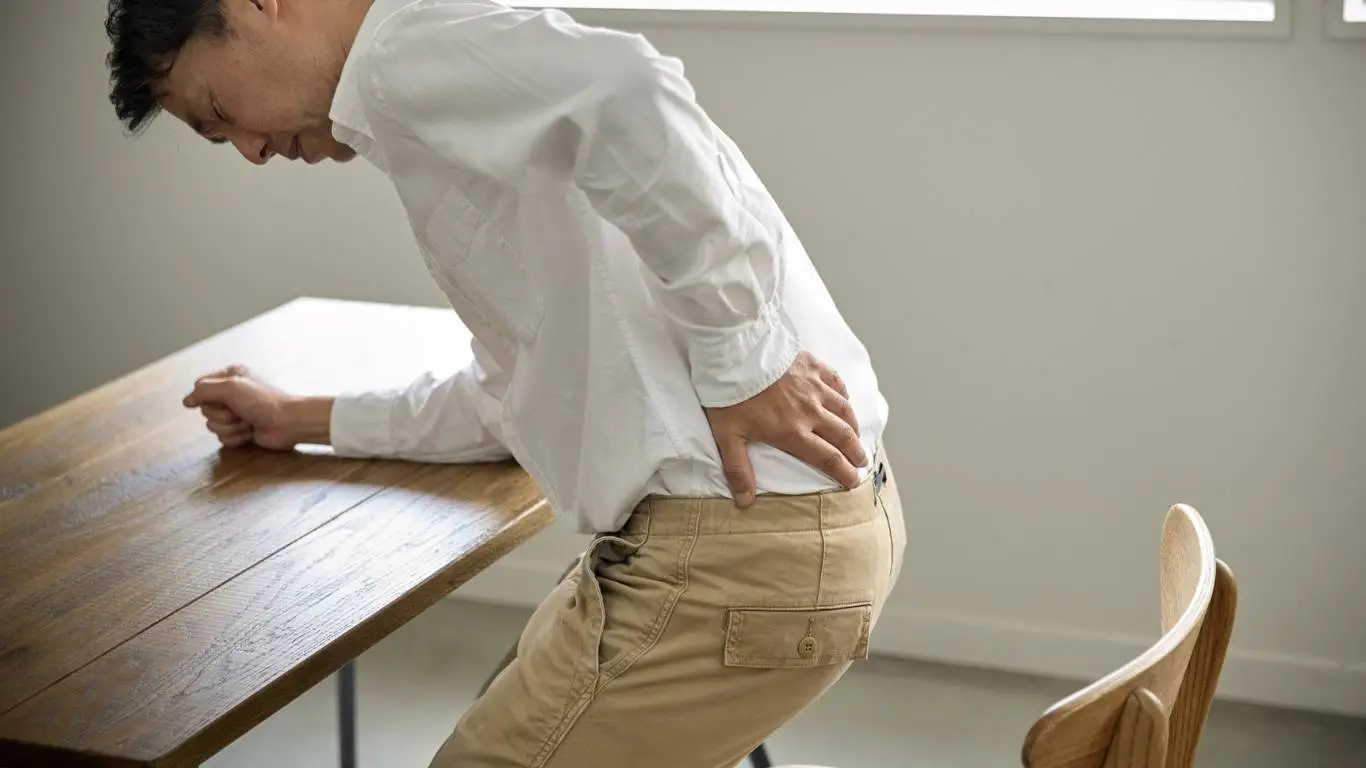
Before I fixed my pushup posture, I never realized how much my daily habits sabotaged my form. Long hours of slouching at a desk led to tight hip flexors and weak spinal stabilizers. This vicious cycle became evident every time I performed pushups. If this resonates, desk stretches could be your first step toward better alignment.
Visual Cues for Perfect Pushup Posture
- Imagine a straight line from your head to your heels.
- Keep your chin tucked slightly to avoid neck strain.
- Engage glutes and core like you’re performing a standing plank.
Exercises to Bulletproof Your Back During Pushups

Not all solutions are found in doing more pushups. Targeted exercises are necessary to build a resilient posterior chain. Here are a few that made a significant difference in my routine:
Must-Do Moves
- Bird Dog: Teaches spinal stability and cross-body coordination.
- Glute Bridges: Activates glutes while keeping lumbar extension in check.
- Dead Bugs: Engages the core in a safe, spine-neutral position.
Incorporating these exercises alongside regular pushups ensures your body develops strength symmetrically, reducing undue stress on your lower back.
For a more in-depth understanding of back anatomy and pushup form, you can explore our detailed guide on types and anatomy of back pain which dives deep into spinal mechanics during exercise.
When Lower Back Pain from Pushups Signals a Bigger Problem

Let’s get real—occasional discomfort is normal, but if you’re experiencing sharp or lingering pain after pushups, it’s time to dig deeper. Issues like sciatica or disc-related conditions could be aggravated by improper form.
It’s not about fear-mongering; it’s about staying informed. Many folks dismiss subtle signs, only to find themselves dealing with chronic conditions later. You’ll want to familiarize yourself with these red flags in back pain diagnosis to avoid such pitfalls.
For a comprehensive overview of back health and preventive strategies, check out our main resource on back pain essentials.
Progression Drills to Perfect Pushups Without Lower Back Sag

One mistake I made early on was trying to jump straight into full pushups without mastering the basics. Sound familiar? Building a strong foundation with progression drills is crucial if you want to kiss that lower back sag goodbye.
Step-by-Step Pushup Progressions
- Wall Pushups: Perfect for beginners to establish core-bracing habits.
- Incline Pushups: Use a sturdy bench to reduce load while maintaining form.
- Negative Pushups: Focus on the slow, controlled descent—your core will thank you.
- Full Pushups: Only after you can hold a straight line from head to heel effortlessly.
Still finding your lower back dipping as you fatigue? Adding foam rolling into your cooldowns can release tension before it messes with your form.
Ergonomic Tweaks That Reinforce Pushup Posture

Your daily environment matters more than you think. I noticed a direct correlation between my pushup posture and how I sat at my desk. If your workstation encourages slouching, your core switches off, hips tilt forward, and bam—back sag shows up in your workouts.
Simple Adjustments You Can Make Today
- Adjust your chair height so knees are at a 90-degree angle.
- Use a lumbar support cushion to maintain spinal curves.
- Switch to a standing desk or a hybrid sit-stand setup if possible.
For those spending hours behind a screen, our guide on back pain in occupational settings dives deeper into posture-saving hacks.
Recovery Routines That Protect Your Lower Back After Pushups

I used to skip cooldowns after workouts—big mistake. Over time, my tight hip flexors and fatigued lower back started affecting not just my pushups but even simple activities like walking or sitting. Integrating a short recovery routine changed that.
Must-Do Post-Pushup Recovery Moves
- Child’s Pose Stretch: Lengthens the spine and decompresses the lumbar area.
- Hip Flexor Stretch: Opens up the hips to counteract anterior pelvic tilt.
- Glute Foam Rolling: Loosens tight glutes that may pull on the lower back.
If you’re serious about long-term relief, these stress-reduction techniques can also help manage muscle tension post-exercise.
Advanced Pushup Form Hacks You Probably Didn’t Know

As I got more experienced, I realized tiny tweaks can make a world of difference in pushup form. These aren’t gimmicks—they’re cues that professionals swear by to maintain impeccable alignment.
Form Hacks to Eliminate Lower Back Sag
- External Shoulder Rotation: Think about screwing your hands into the floor—this engages lats and stabilizes the spine.
- Press the Ground Away: Focus on actively pushing the floor, not just moving your body up and down.
- Use a PVC Pipe Cue: Balance a light PVC pipe along your spine during pushups to ensure your head, back, and hips remain aligned.
These subtle adjustments can dramatically reduce lower back strain. If you’re dealing with persistent tightness, learning about muscle imbalances could be the missing link.
When to Seek Professional Help

While sagging during pushups is often a form issue, sometimes it’s a symptom of deeper problems. If you’ve been diligent with corrections and still experience discomfort, it might be time to consult a physiotherapist. I learned this the hard way after months of DIY fixes that didn’t resolve my lingering back strain.
Modern assessment tools like MRI evaluations can detect underlying conditions that simple observation might miss. Early detection often means less invasive solutions.
Rebuilding Pushup Performance with a Holistic Approach

In the end, fixing lower back sag during pushups isn’t about a single tweak—it’s a holistic upgrade. From your core strength and glute engagement to daily posture habits and recovery protocols, every piece matters. Trust me, once I started addressing all these factors, my pushups transformed, and so did my back health.
For a broader look at exercise strategies, ergonomics, and rehab tips that work together seamlessly, our comprehensive guide on exercise rehabilitation and ergonomics is a must-read.
And if you’re looking to dive deeper into the fundamentals of maintaining a healthy spine, don’t miss our main pillar resource on back pain essentials.

Camellia Wulansari is a dedicated Medical Assistant at a local clinic and a passionate health writer at Healthusias.com. With years of hands-on experience in patient care and a deep interest in preventive medicine, she bridges the gap between clinical knowledge and accessible health information. Camellia specializes in writing about digestive health, chronic conditions like GERD and hypertension, respiratory issues, and autoimmune diseases, aiming to empower readers with practical, easy-to-understand insights. When she’s not assisting patients or writing, you’ll find her enjoying quiet mornings with coffee and a medical journal in hand—or jamming to her favorite metal band, Lamb of God.