
Smart Return-to-Work Plans With Back Limitations That Work
When I first returned to work after my lower back injury, I underestimated how complex the transition would be. It wasn’t just about managing pain—it was about navigating expectations, communication, and real limitations that my coworkers couldn’t see. I learned quickly that a strong return-to-work plan isn’t a luxury. It’s survival. Whether you’re recovering from a herniated disc, chronic back strain, or post-surgery stiffness, having a strategy can make the difference between sustainable recovery and spiraling setbacks.
Understanding Your Physical Limitations Before Returning

Before stepping back into a work environment, it’s crucial to understand exactly what your back can—and can’t—handle. Your doctor or physical therapist should be involved in this conversation. Many people assume they’ll just “feel it out,” but that approach often leads to re-injury.
- Do you have lifting restrictions? Many back conditions, such as bulging discs, mean you should avoid loads heavier than 10-15 pounds.
- Is prolonged sitting a trigger? This was my biggest hurdle—sitting too long led to spasms and nerve irritation.
- Are you still in a rehab program? If so, your work schedule should allow space for those sessions.
Communicating With Your Employer and HR

One of the most overlooked parts of returning to work with back limitations is communication. If your company has an HR department or occupational health specialist, this is the time to engage them. Clear and early communication can save you from awkward moments or even resentment later on.
It’s important to document your medical recommendations in a formal way. Most doctors are used to filling out work restriction forms. Share this documentation before your return so your employer can prepare. If your job is physically demanding or involves long periods of sitting, you may need accommodations under ADA (Americans with Disabilities Act), and it’s within your rights to request them.
Key Points to Cover in Conversations
- Your current physical capabilities
- What you need to avoid (e.g., repetitive lifting, twisting motions, standing over X minutes)
- Recommended work hours or break schedules
For those in manual labor roles, the stakes are higher. This guide on back pain in manual labor jobs breaks down why communication and early accommodations matter more than you think.
Gradual Reintroduction to Work Tasks

Jumping straight back into your pre-injury workload is one of the fastest ways to undo months of recovery. That’s why a graduated return-to-work plan—sometimes called a “phased return”—is not just useful, it’s often essential.
Start with reduced hours or modified duties. Maybe your day starts with 4 hours of desk work, then slowly builds up over weeks. This isn’t about weakness—it’s about setting up long-term strength. For example, when I returned after dealing with herniated disc pain, I took a half-day schedule for the first 10 days, gradually increasing based on my PT’s feedback.
Good Practices During This Phase
- Track your symptoms daily. A simple journal or phone note will help you notice trends.
- Report setbacks early. Don’t “push through” if pain worsens—that mindset is harmful.
- Keep in contact with your healthcare provider. They can adjust your plan as needed.
Ergonomics: Setting Up a Safe Work Environment

Even with the best intentions, a poorly set-up workstation can sabotage your recovery. Ergonomics plays a huge role in managing back pain long term. I found out the hard way that my cheap desk chair was causing more harm than good. It wasn’t until I read up on ergonomic office chairs that I understood the importance of lumbar support and adjustable height.
Office Ergonomic Essentials
- Chair with lumbar support: Your spine’s natural curve needs reinforcement.
- Monitor height: Your screen should be at eye level to avoid neck strain.
- Standing desks: Consider alternating between sitting and standing. Learn more in this guide.
According to CDC recommendations, integrating movement and posture changes throughout the workday can significantly reduce musculoskeletal strain, particularly in the lower back.
Mental and Emotional Readiness

Physically, you might be ready to return—but how’s your head? I’ll be honest: I felt anxious and even embarrassed at first. I worried people would think I was milking it or being dramatic. That’s why preparing mentally is just as vital.
If your back pain was caused by something traumatic—like a car accident or major surgery—you might also be dealing with some emotional triggers. This article on the link between back pain and depression opened my eyes to patterns I hadn’t recognized in myself. Mental health plays a major role in physical recovery.
According to Psychology Today, stress and anxiety can amplify pain signals in the brain. In other words, if your mental game is off, your body feels it.
Ways to Build Mental Readiness
- Practice mindfulness or meditation before your return
- Speak openly with your manager if you’re feeling overwhelmed
- Join online or local support communities with others navigating work-life post-injury
To explore how lifestyle shifts can support both mental and physical recovery, I found this page on lifestyle and natural back pain remedies incredibly practical.
For a broader context on back pain and workplace implications, the main Back Pain Pillar gives a complete overview of treatment paths and occupational concerns. Also, don’t miss the comprehensive breakdown of return-to-work and ergonomic strategies in Back Pain at Work & Travel.
Using Movement Breaks to Prevent Setbacks

If there’s one mistake I kept making early on, it was sitting too long—thinking I’d just “push through” and catch up on tasks. But backs don’t work that way. One of the smartest adjustments I made was building in non-negotiable movement breaks into my workday. These aren’t long, just intentional.
Standing up every 30 minutes to stretch, shift position, or walk a short distance can prevent stiffness from setting in. According to NINDS, periodic movement improves circulation to spinal tissues, which helps reduce pain and inflammation.
Effective Micro-Breaks Ideas
- Wall stretches: Take 60 seconds to gently stretch your lower back against a wall
- Standing posture resets: Practice 2-minute upright posture resets with deep breathing
- Walk-and-hydrate: Combine your water break with a lap around the office
Don’t wait until your back locks up. Set a timer if you need to at first—it gets easier with habit. The insights in sciatic nerve pain relief tips really helped me refine my break routines.
Assistive Tools That Actually Make a Difference

Sometimes pride gets in the way of common sense. I resisted tools like lumbar cushions and back braces at first, thinking I could power through. But using the right gear changed everything.
If you haven’t tried assistive tools yet, don’t dismiss them. A simple lumbar support cushion transformed my chair. And during days when pain crept in mid-afternoon, a flexible lower back brace made the last few hours bearable—without meds.
Assistive Tools Worth Exploring
- Posture trainers or wearable sensors
- Adjustable standing desks or desk converters
- Anti-fatigue mats if you stand often
- Seat cushions designed to reduce tailbone pressure
Ergonomics isn’t just furniture—it’s anything that reduces strain while allowing productivity. Tools should work with your body, not against it. The detailed breakdown in standing desk benefits was especially convincing for me.
Fueling Recovery Through Nutrition

I underestimated how much food could affect my back pain. When I switched to a more anti-inflammatory diet, I noticed less morning stiffness and better post-work recovery. We often think of nutrition as separate from pain, but they’re completely intertwined.
Inflammatory foods—think refined sugar, seed oils, heavy processed meals—can keep your body in a low-grade flare-up mode. The flip side? Natural anti-inflammatories like omega-3s, turmeric, leafy greens, and nuts can support joint and spine health.
What Helped Me the Most
- Omega-3 supplements (with approval from my doctor)
- Replacing lunch sandwiches with grain bowls and protein
- Cutting back on coffee + adding ginger tea during breaks
It’s not a miracle fix—but when combined with movement, ergonomics, and proper recovery, the results stack up.
Setting Boundaries Without Guilt
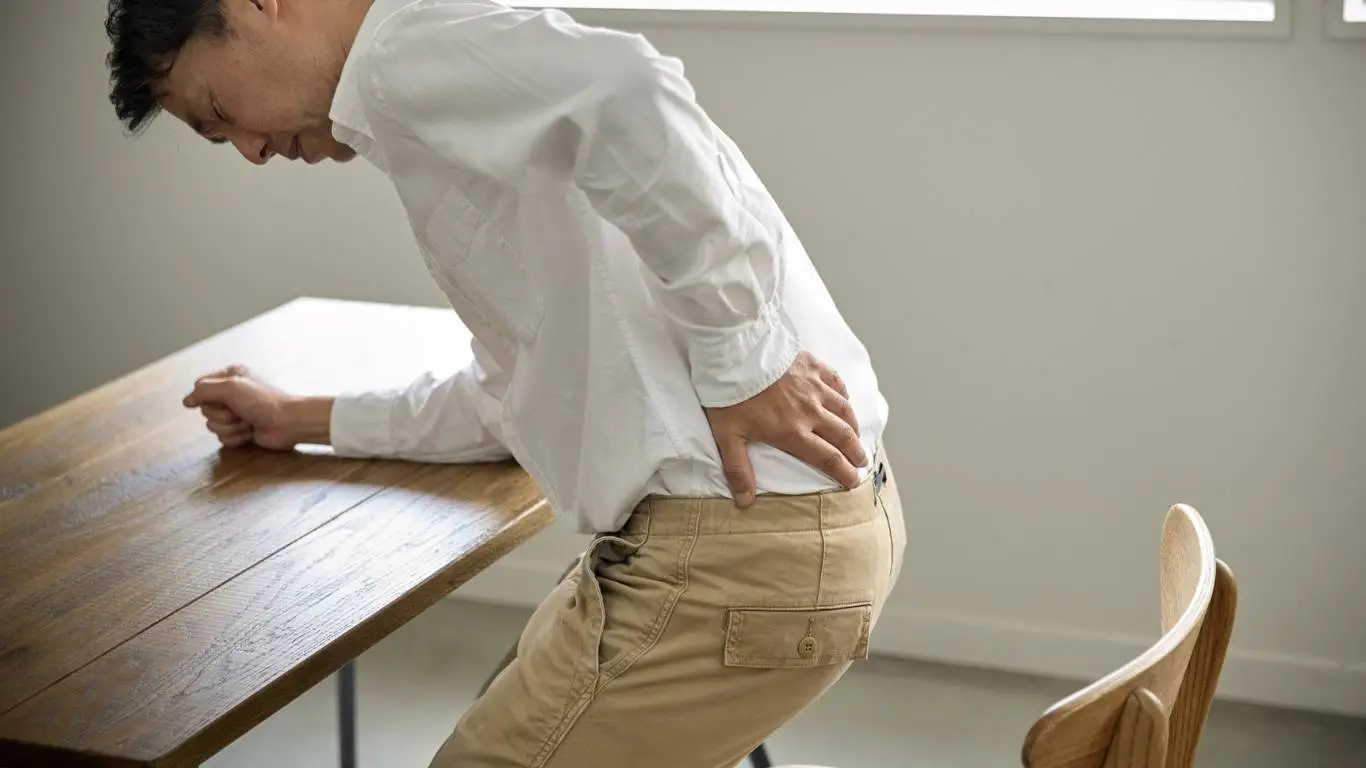
Returning to work after a back issue requires more than just physical adjustments—it demands boundaries. And if you’re anything like me, that can feel uncomfortable at first. Saying “I need to pause here” or “I can’t do that lift today” doesn’t make you less valuable. It makes you smart.
I had to retrain myself to speak up without apology. That boundary is what kept me out of surgery. If your team doesn’t understand right away, gently point them to education-based resources. This article on back pain myths was one I casually shared with a manager who didn’t get it at first.
Key Boundaries I Hold Firm On
- No lifting over 15 pounds, period
- No back-to-back meetings without movement breaks
- No skipped meals (I need fuel to keep going)
It’s also helpful to align your limits with your recovery plan. Referencing trusted resources like Mayo Clinic can give legitimacy when boundaries are questioned.
Recognizing Red Flags That Demand a Re-Evaluation

Unfortunately, not every return-to-work story is linear. Some days, you’ll feel like you’re sliding backward—and that’s when you need to pay attention. I ignored nerve twinges for a week once, thinking they’d pass. That mistake cost me a whole month of recovery.
Know the red flags. Don’t rationalize them. If you’re feeling weakness, tingling, increased stiffness, or radiating pain, it might be time to adjust your plan or consult your provider.
- Shooting pain down the leg? Revisit your ergonomics or consult your doctor ASAP
- Early morning stiffness? You may need better evening stretches or better sleep support
- Fatigue or stress symptoms? Could indicate mental overload impacting your back
This detailed breakdown of red flags in back pain diagnosis is something I keep bookmarked. It reminds me that pushing through isn’t strength—it’s sabotage.
Bringing It All Together for a Sustainable Return

What worked for me—and countless others—is layering all of these strategies consistently. It’s not about one silver bullet. It’s about getting just a little smarter each week. Communicate. Move. Fuel. Recover. Set boundaries. Recognize when to pivot.
If you’re serious about a sustainable return to work with back limitations, don’t try to “tough it out” in silence. Use tools. Lean on community. Check out the guidance in conservative back pain treatments if you’re still figuring out non-surgical strategies.
And revisit the main Back Pain Resource Hub for everything from anatomy and symptoms to lifestyle changes that can help you get through the workday stronger.

Camellia Wulansari is a dedicated Medical Assistant at a local clinic and a passionate health writer at Healthusias.com. With years of hands-on experience in patient care and a deep interest in preventive medicine, she bridges the gap between clinical knowledge and accessible health information. Camellia specializes in writing about digestive health, chronic conditions like GERD and hypertension, respiratory issues, and autoimmune diseases, aiming to empower readers with practical, easy-to-understand insights. When she’s not assisting patients or writing, you’ll find her enjoying quiet mornings with coffee and a medical journal in hand—or jamming to her favorite metal band, Lamb of God.