
Why Seasonal Affective Pain Worsens Your Spine Health
Not sure why your back starts acting up when the seasons shift? You’re not alone. Every year, like clockwork, my lower spine reminds me winter is coming—before I even see the weather forecast. While most people associate Seasonal Affective Disorder (SAD) with mood changes, there’s growing awareness that it can mess with your spine too. Strange? Not really. Our bodies respond to weather, light, and temperature shifts in more ways than we realize.
Why Spine Pain Gets Worse in Certain Seasons

There’s something about the cold that stiffens everything—not just your fingers but your entire spine. When temperatures dip and sunlight disappears, inflammation tends to spike. That low-grade ache in your back that you usually ignore? Yeah, it gets louder. I’ve felt it first-hand: that deep soreness in my lower back every time the temps drop below 40°F.
Lower Light Levels Affect Pain Perception
Lack of sunlight messes with your body’s vitamin D production. Less vitamin D means more inflammation, slower muscle recovery, and weaker bones. There’s a reason vitamin D deficiency is linked to back pain. In colder, darker months, this becomes even more critical. A friend of mine was diagnosed with degenerative disc disease last year, and the winter flare-ups were brutal—until his doctor ran a simple vitamin D panel. Sure enough, he was low. After supplementing and adding more sun exposure, things improved significantly.
Cold Muscles Are Tight Muscles
Colder weather constricts blood vessels and reduces blood flow to muscles. Your spinal muscles and ligaments get tight and stiff, and your back becomes more injury-prone. Have you ever stepped outside on a cold day and felt your whole back go stiff in seconds? That’s your body bracing itself. It’s also why smart prevention strategies matter even more when the temps drop.
Postural Changes in Colder Months

Winter usually means less activity and more time hunched over screens indoors. For a lot of us, that’s a recipe for disaster. When I’m spending more time indoors, my posture takes a hit—and so does my spine. Working from a couch, curling up with a blanket, or lounging for hours throws off spinal alignment.
Reduced Movement = Increased Stiffness
It’s easy to skip daily walks when it’s cold out. But decreased mobility adds to joint stiffness and muscular imbalance. Your spine thrives on motion. One of the best things I’ve done for my back in winter is following simple yoga stretches indoors every morning. Even just 10 minutes of focused movement gets the blood flowing and helps my back feel less “locked.”
Layered Clothing Can Misalign You
Heavy winter coats, boots, and scarves can subtly shift your center of gravity. You wouldn’t think that a thick parka could affect your posture, but it absolutely does. The added weight and bulkiness force your body into awkward angles, especially if you’re also carrying bags or kids. Try wearing well-fitted layers and distributing weight evenly to reduce strain.
The Emotional-Spinal Pain Connection

One of the most overlooked factors in seasonal back pain? Your mental state. SAD doesn’t just drain your mood—it’s directly tied to physical pain. There’s a reason I always feel my back pain spike around the holidays. Stress, anxiety, and low motivation all play a role.
Depression and Pain Sensitivity
When you’re feeling down, your pain threshold drops. A twinge that might be tolerable in summer can feel unbearable in January. That’s why it’s worth understanding the connection between back pain and depression. Addressing the emotional side of pain is just as important as stretching or taking meds.
Sleep Disruptions Make It Worse
Shorter days mess with your circadian rhythm. If you’re sleeping poorly—less REM sleep, more tossing and turning—your spine doesn’t get the rest it needs. Inadequate sleep increases inflammation and reduces pain tolerance. I started using blackout curtains and a white noise machine last winter, and it actually made a huge difference in both my sleep and back discomfort.
How to Build a Winter-Friendly Spine Routine

If your spine flares up during seasonal transitions, it’s time to tweak your routine. You don’t have to overhaul your life—but small, consistent changes can pay off big.
Get Natural Light Every Day
- Spend 20 minutes outside in the morning if possible
- Sit near a bright window while working or relaxing
- Consider light therapy boxes—especially if you live in northern areas
Vitamin D and Anti-Inflammatory Foods
- Take a high-quality vitamin D3 supplement (check with your doctor)
- Include more anti-inflammatory foods like berries, turmeric, and leafy greens
- Consider omega-3s and magnesium for added support
Optimize Your Ergonomics
If you’re working indoors more, now’s the time to evaluate your chair, monitor height, and foot support. These ergonomic tips can go a long way toward preserving spinal alignment all winter long.
Want a more holistic approach? Explore the lifestyle and natural remedy strategies for year-round back care. And don’t miss the main guide on back pain that covers every angle from prevention to treatment with expert insights and actionable tips.
Rehabilitation Tips for Seasonal Spine Flare-Ups
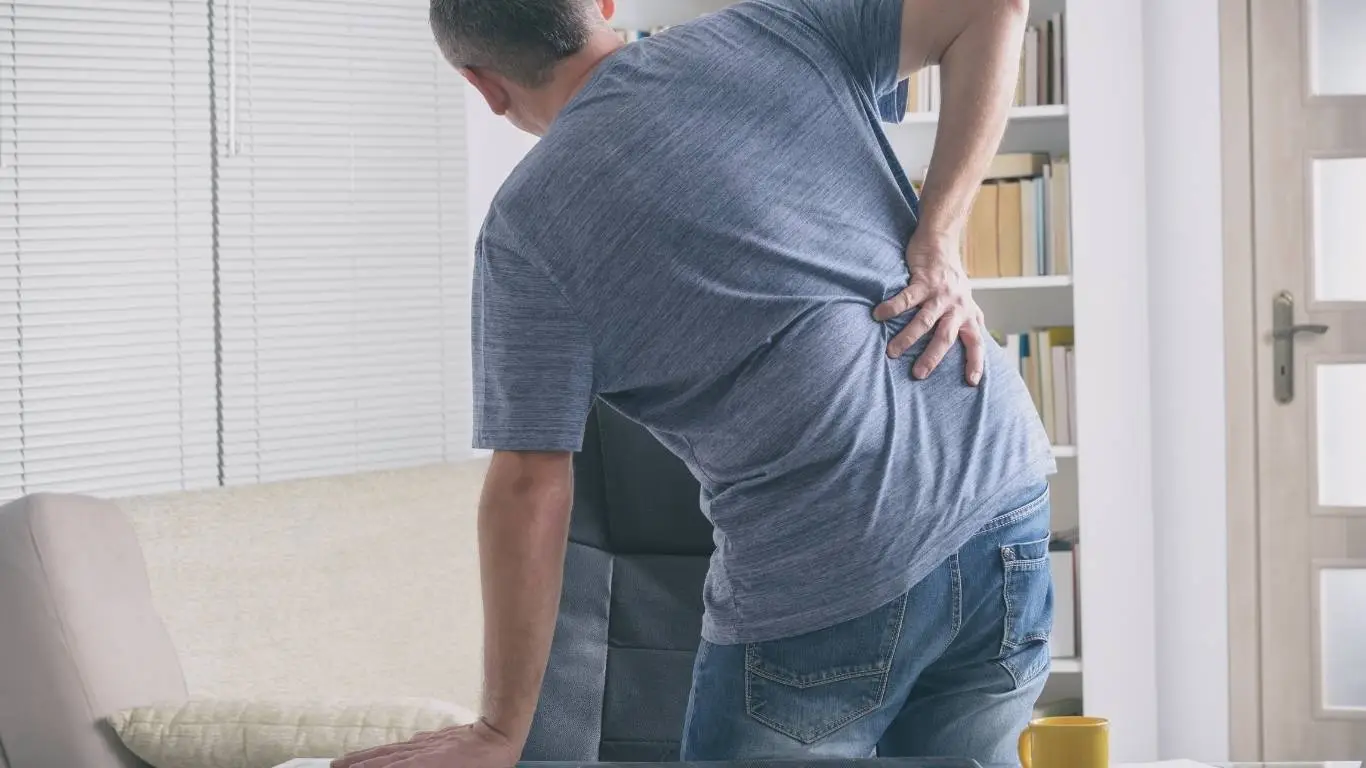
When winter hits, your spine doesn’t need a hero—it needs consistency. One thing I’ve learned the hard way is that skipping rehab exercises “just for a week” during the cold season turns into a full-blown setback. Your spine is like any other part of your body: use it or lose it. You don’t need to break a sweat to keep it mobile. It’s about targeted movements and regularity.
Daily Micro-Movements Matter
Simple activities like getting up every 30 minutes, using a standing desk, or stretching while the coffee brews can prevent seasonal stiffness. I follow a basic back mobility flow that takes less than 10 minutes and I swear by it. If you’re not sure where to start, these sciatic-friendly movements work wonders for general spine discomfort too.
Find an Indoor Movement Practice
Whether it’s Pilates, bodyweight rehab, or resistance bands, what matters is that it fits your lifestyle. I use a mobile app with back pain routines I can do from my bedroom. Consistency is what heals, not intensity.
How Weather Sensitivity Impacts Chronic Back Pain

Some people roll their eyes when I say I can “feel the rain coming” in my spine—but if you know, you know. The connection between weather and joint pain is real. Barometric pressure changes can mess with soft tissue, trigger inflammation, and even affect how nerves send pain signals.
Why Humidity Makes It Worse
High humidity paired with cold tends to amplify stiffness. The moisture in the air seeps into your joints and soft tissue, slowing blood flow. It’s like trying to move through molasses. It’s one reason why my back aches more on rainy days. These heat vs cold therapy tips helped me pinpoint what worked best on humid days versus dry ones.
Is It All in Your Head? Not Really
The mind-body connection plays a role too. If your brain associates gloomy weather with pain (based on past experiences), it may literally “expect” more pain—and guess what? It delivers. Techniques like mindfulness for pain or light cognitive behavioral tools have made a big difference in how I interpret my symptoms.
Supplements That Actually Help in Cold Months

I’ve tried everything from turmeric lattes to collagen powders, but not all supplements are created equal. Especially during seasonal shifts, you want ones that truly address inflammation, bone support, and nerve health. Here’s what’s worked for me—and what the research backs up too.
Top Picks for Cold Weather Spine Support
- Vitamin D3: Essential in winter for reducing systemic inflammation
- Omega-3 Fatty Acids: Great for joint lubrication and reducing flare-ups
- Turmeric with Black Pepper: Powerful anti-inflammatory combo
- Magnesium: Helps relax tight muscles and improves sleep quality
- Collagen Peptides: May support disc hydration and spinal tissue
Still unsure where to begin? Start with this anti-inflammatory spine health guide—a clean, food-based approach is always the foundation before piling on pills.
Improving Sleep Hygiene When Your Back Hurts

Winter nights and back pain do not mix. I’ve lost count of how many nights I’ve stared at the ceiling, unable to find a position that didn’t make my spine feel like it was on fire. Cold weather often stiffens muscles at night, especially when circulation slows.
Mattress & Pillow Check
If your mattress is older than seven years and your pillow flattens in seconds, it’s probably doing more harm than good. I switched to a medium-firm hybrid mattress and a contour memory foam pillow—total game-changer.
Sleeping Positions That Support Your Spine
- Sleep on your side with a pillow between your knees
- If on your back, place a pillow under your knees
- Avoid stomach sleeping—it twists your neck and spine
More details on positioning and sleep gear in the ultimate sleep support guide.
Environmental Adjustments That Actually Work

I underestimated how much my surroundings contributed to my pain. Small tweaks in your environment can make a world of difference in how your spine feels—especially when you’re stuck indoors more often.
Lighting, Warmth & Seating
Sunlight isn’t just for mood—it signals your body to reduce melatonin and boost serotonin, which affects pain too. Keep curtains open during the day, sit by windows, and use warm task lighting when it’s dark. Keep the house comfortably warm to prevent muscle tension.
For seating, the right ergonomic chair makes a massive difference. I also added a small lumbar pillow and footrest to keep my posture on point.
Take Advantage of Thermal Therapy
I swear by heating pads in winter. Fifteen minutes every evening on my lower back helps release tension. For days when stiffness is intense, alternating heat with short cold packs really helps.
Explore more treatment strategies under conservative treatment approaches for back pain—many of which you can do from the comfort of your home.
If you’re serious about understanding all the layers behind your pain, from seasonal triggers to long-term solutions, don’t miss the full back pain overview for expert-backed, actionable guidance across all causes and conditions.

Camellia Wulansari is a dedicated Medical Assistant at a local clinic and a passionate health writer at Healthusias.com. With years of hands-on experience in patient care and a deep interest in preventive medicine, she bridges the gap between clinical knowledge and accessible health information. Camellia specializes in writing about digestive health, chronic conditions like GERD and hypertension, respiratory issues, and autoimmune diseases, aiming to empower readers with practical, easy-to-understand insights. When she’s not assisting patients or writing, you’ll find her enjoying quiet mornings with coffee and a medical journal in hand—or jamming to her favorite metal band, Lamb of God.