Sharp Eye Pain With Floaters May Signal Retinal Damage
It started for me one regular afternoon—those tiny floaters drifting into my vision like little ghosts. At first, I brushed them off. But then came the sharp, stabbing pain in one eye. I remember thinking, “This doesn’t feel normal.” Turns out, it wasn’t. If you’ve ever experienced floaters that appear with sharp eye pain, you’re not alone—and you definitely shouldn’t ignore it. While occasional floaters are usually harmless, combining them with pain can mean your eyes are trying to tell you something urgent.
When Floaters Show Up With Pain — What Could Be Going On?
Floaters by themselves are fairly common. But once you add sharp pain into the mix, the situation shifts dramatically. I made the mistake of googling for hours, getting lost between terms like vitreous detachment, retinal tears, and optic neuritis. Eventually, a visit to my ophthalmologist shed real light on what could be going on—turns out, a variety of conditions can cause both symptoms together.
1. Posterior Vitreous Detachment (PVD)
One of the most common causes of floaters is Posterior Vitreous Detachment. It happens when the gel-like substance inside your eye (the vitreous) begins to shrink and pull away from the retina. This can cause floaters, flashes, and in some cases, pain.
- Common in people over 50
- Often accompanied by flashes of light
- Can mimic signs of retinal tear initially
2. Retinal Tear or Detachment
This was my big scare. I was told that sharp, sudden pain along with floaters can sometimes signal a retinal tear or detachment. In this case, the floaters aren’t just an annoyance—they’re a warning flare. When the retina detaches, it pulls away from the back of the eye and loses its blood supply. It’s a medical emergency.
- Immediate floaters increase
- Sudden vision loss or shadow in peripheral vision
- Sharp pain and light sensitivity
Don’t Shrug Off Pain With Floaters — Here’s Why
I used to think floaters were just an aging thing. That was until the discomfort made it impossible to concentrate, and the anxiety kicked in. The pain I felt wasn’t a dull ache—it was like a needle jab, often triggered when I moved my eyes too quickly or focused too hard on bright screens.
Other Conditions to Consider
Let’s not forget the lesser-known culprits. Infections and inflammation are often behind the scenes:
- Uveitis: Inflammation inside the eye that causes pain, light sensitivity, and floaters.
- Autoimmune-related floaters: Often linked with systemic issues like lupus or rheumatoid arthritis.
- Blunt eye trauma: Can lead to sudden floater appearance with intense pain.
According to American Academy of Ophthalmology, floaters accompanied by sharp pain or flashes are signs you need to seek medical attention right away.
Floaters With Pain Aren’t Just a Visual Nuisance
What really surprised me is how much the discomfort affected my daily life. Driving became stressful, especially at night. My work productivity took a hit because I was distracted constantly by both the visual interference and discomfort. It wasn’t just physical—it messes with your mental state too.
Could It Be Something Like Optic Neuritis?
In rarer cases, floaters and pain can be early signs of optic nerve inflammation, or optic neuritis. It often comes with color vision distortion, blurry vision, and that nagging ache behind the eye.
If you’re like me, you probably ignored these symptoms thinking they’d go away. But pain is a big red flag, especially when paired with visual changes. That’s what sets normal floaters apart from the dangerous kind.
Key Red Flags You Shouldn’t Ignore
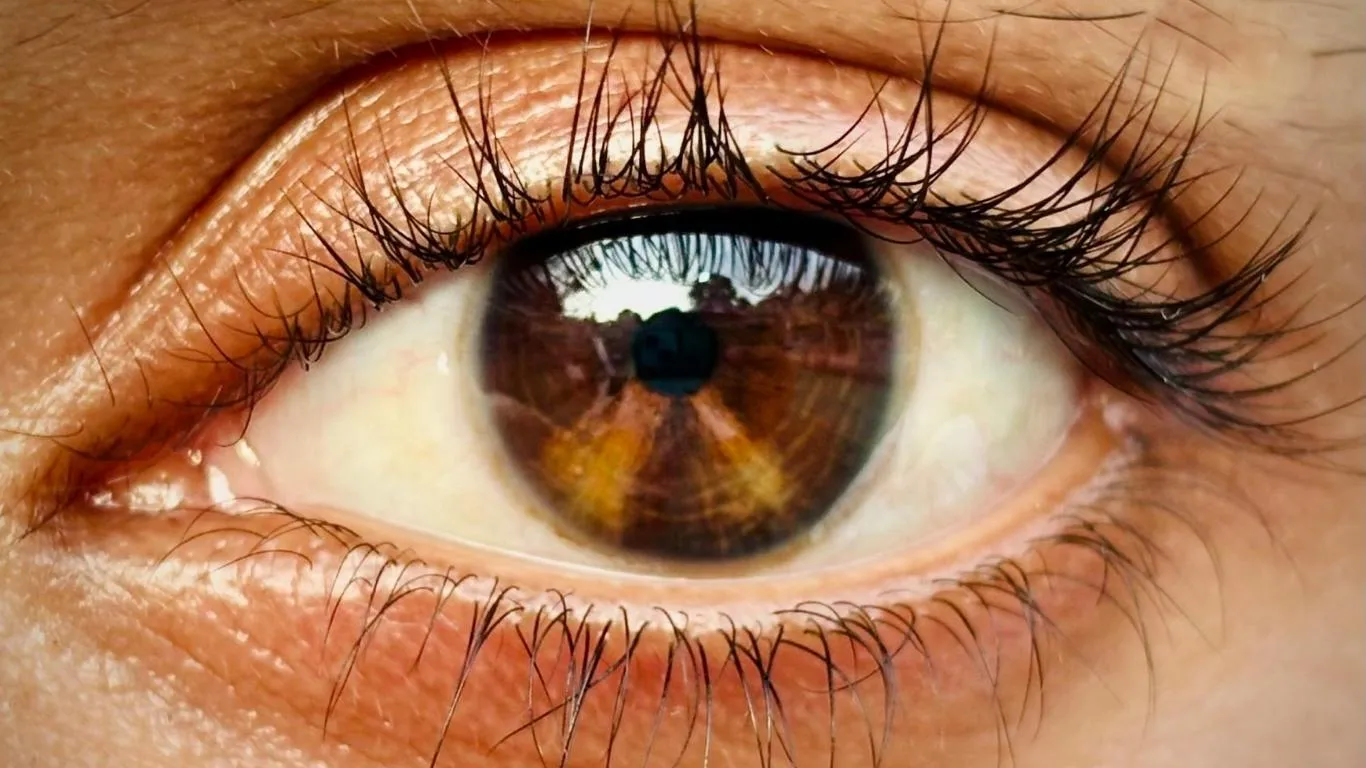
- Sudden onset of many floaters
- Sharp, stabbing pain in or behind the eye
- Loss of peripheral or central vision
- Flashes of light or “curtain” vision
One of the most helpful reads I found when dealing with this was this in-depth breakdown on when eye floaters become dangerous. It gave me the reassurance that I wasn’t overreacting—and the motivation to act fast.
If you’re new to floaters or trying to understand what they mean when mixed with pain, the main overview on what eye floaters are is a solid foundation. It helped me put the pieces together and prepare better for that visit to the eye clinic.
What Doctors Look for When You Mention Pain with Floaters
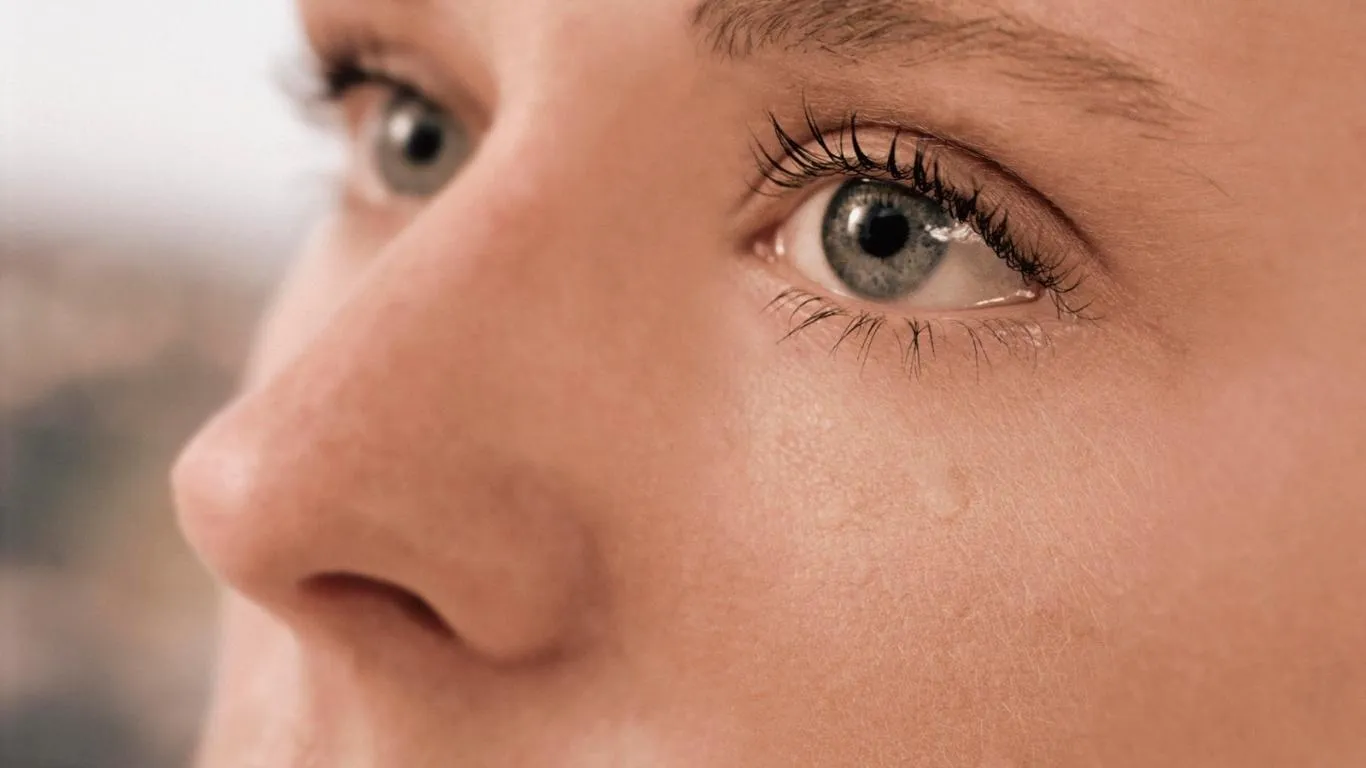
The moment I told my eye doctor that I was seeing floaters and feeling sharp pain, the mood shifted. He immediately started checking for signs of a retinal tear using dilated eye exams and optical coherence tomography (OCT). I learned firsthand that they don’t take this symptom combo lightly—and they shouldn’t. Retinal damage can escalate quickly.
The most surprising part? I didn’t need surgery. Just a strict follow-up plan and some lifestyle adjustments. But that’s not the case for everyone. Some people may need laser treatment or even vitrectomy if a tear is confirmed. It’s why the diagnosis phase is so crucial.
Expect These Assessments:
- Detailed medical and symptom history
- Retinal imaging scans (OCT)
- Fluorescein angiography in complex cases
- Pressure check (to rule out glaucoma)
A lot of these evaluations are non-invasive, but the dilation part might leave your vision blurry for a few hours. Totally worth it for peace of mind.
How Lifestyle and Habits Play a Role
When I started digging into causes, I realized that my screen habits, poor hydration, and even sleep deprivation were all feeding into my eye discomfort. There’s growing evidence that lifestyle factors contribute to both floaters and the pain that sometimes tags along. A few things made a noticeable difference for me:
- Upping water intake consistently (no skipping!)
- Using blue light filter glasses
- Applying warm compresses on tired eyes
- Limiting high-contrast screen time at night
This article on how lack of sleep worsens floaters really opened my eyes (pun intended). I thought I was just tired—turns out, it was all connected.
Are There Long-Term Risks If You Ignore It?
Yes, 100%. This isn’t fear-mongering—it’s real. I ignored my pain for a few days and almost missed the early signs of vitreous traction. If I had waited longer, it could have led to retinal detachment. And once the retina is involved, things get tricky.
According to Mayo Clinic, early detection of floaters combined with sharp pain can prevent major vision loss. The key is paying attention not just to the visuals, but the way your eyes feel—especially if the pain feels internal and sudden.
Potential Complications Include:
- Permanent vision loss in affected eye
- Development of scar tissue in retina
- Chronic eye inflammation (posterior uveitis)
- Need for invasive procedures like vitrectomy
If you’re seeing more than a few floaters and feel any pain at all—don’t guess. It’s not worth the risk. I found this resource helpful in understanding how floaters post-treatment can behave and why immediate diagnosis matters.
When Pain is Something Else: Hidden Triggers
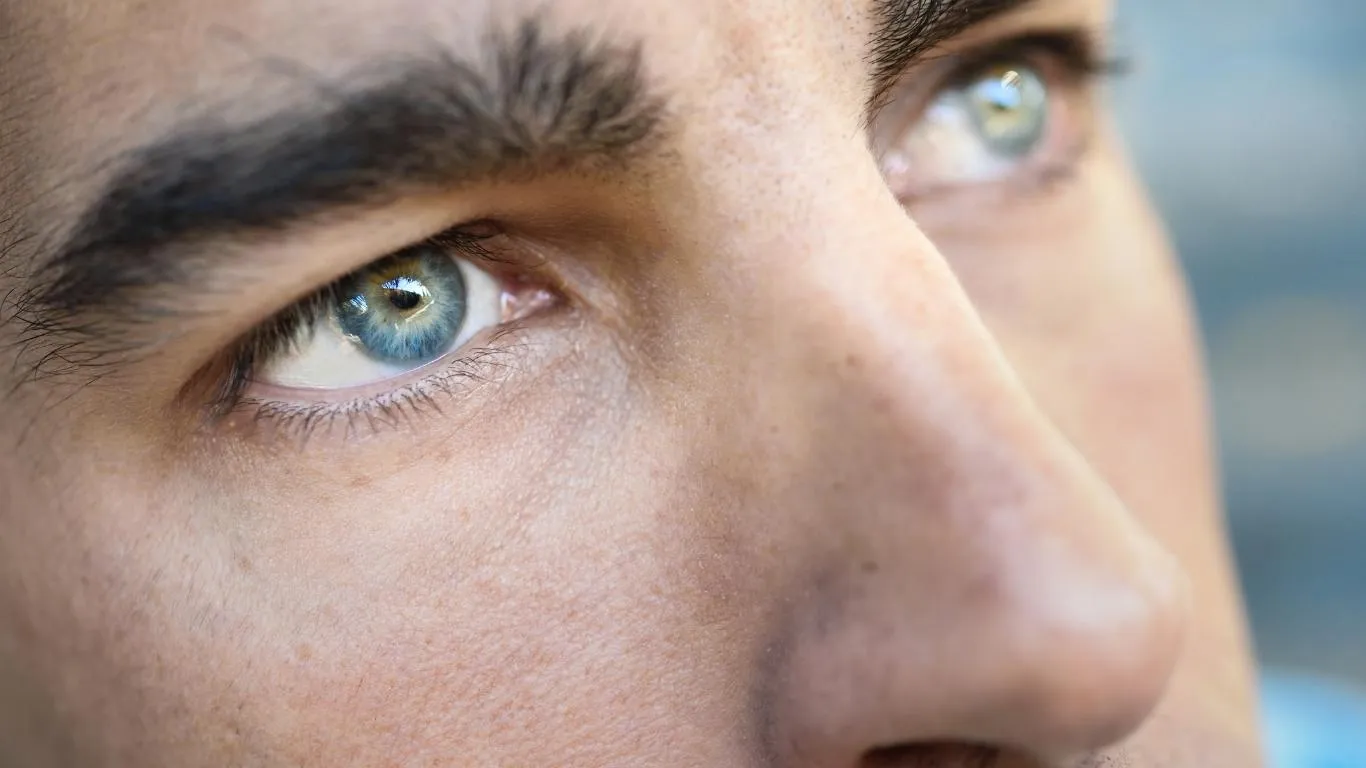
Not all pain behind the eye is from the retina or vitreous. I learned that sometimes, eye strain or even sinus pressure can mimic the pain we associate with retinal issues. But if floaters are showing up simultaneously? It still warrants a real look.
Here are some overlooked causes of floaters with sharp eye discomfort:
- Post-viral inflammation after conjunctivitis
- Retinal vein occlusion and blood flow problems
- Diabetic retinopathy, especially with high sugar fluctuations
- Severe allergic responses involving the sclera or cornea
My own case ended up being a mix—mild PVD with optic nerve inflammation due to underlying autoimmune activity. Who would’ve guessed? But getting it looked at early made all the difference.
What You Can Do Right Now
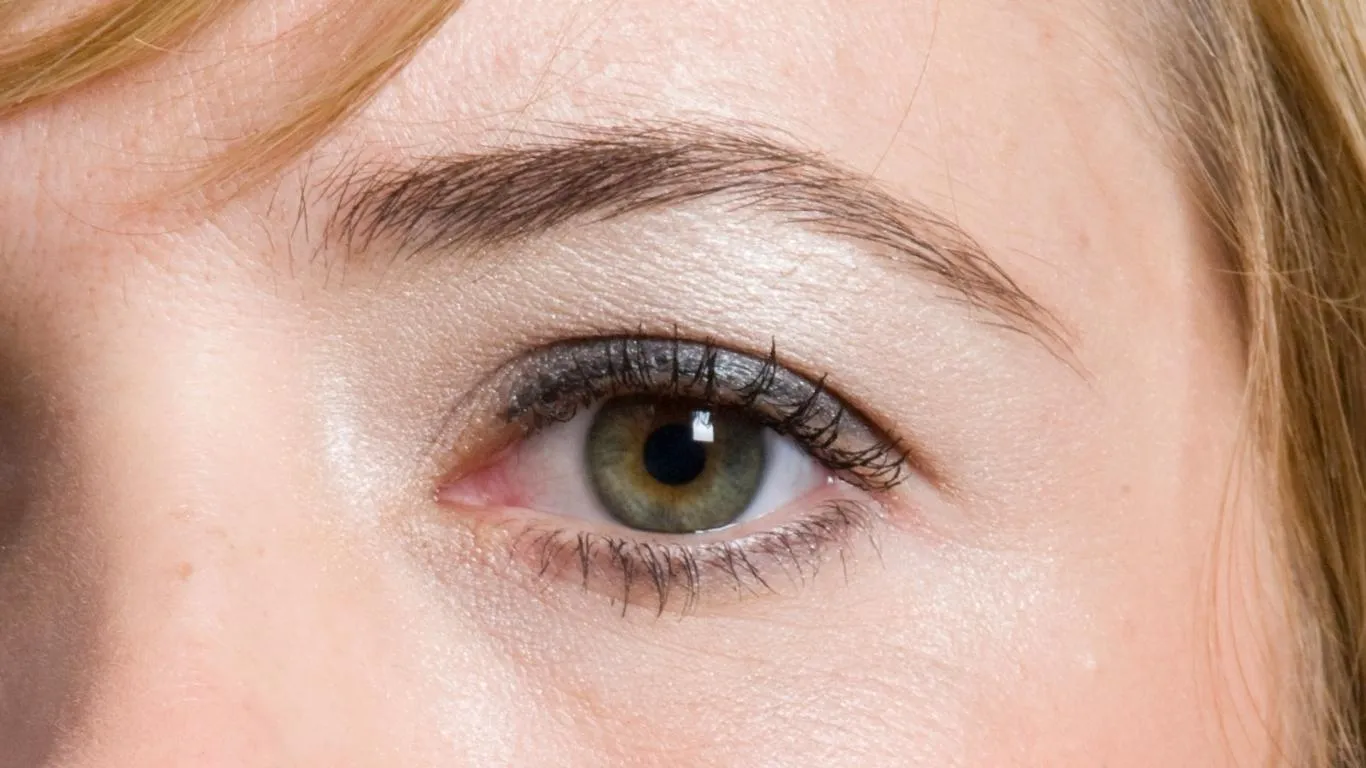
The first step? Stop ignoring it. It’s so easy to dismiss floaters—especially if you’re busy or don’t want to deal with doctors. But if they’re paired with pain, your eye is raising a red flag.
Try This Shortlist:
- Schedule an ophthalmologist appointment (don’t just go to an optometrist)
- Keep a symptom journal—when did the floaters and pain start?
- Stay hydrated and rest your eyes frequently during screen time
- Use protective eyewear in harsh lighting or extreme wind
This guide on eye floater treatment options breaks down what might be recommended depending on your diagnosis.
For anyone trying to connect all the dots between causes, symptoms, and treatments, this foundational guide on eye floaters causes and treatment is worth bookmarking.
I’ve been living with floaters and managing the occasional flare-up for a couple of years now. The difference now is—I don’t ignore them. And when that sharp pain creeps in, I know exactly what to watch for, and when to act.

Camellia Wulansari is a dedicated Medical Assistant at a local clinic and a passionate health writer at Healthusias.com. With years of hands-on experience in patient care and a deep interest in preventive medicine, she bridges the gap between clinical knowledge and accessible health information. Camellia specializes in writing about digestive health, chronic conditions like GERD and hypertension, respiratory issues, and autoimmune diseases, aiming to empower readers with practical, easy-to-understand insights. When she’s not assisting patients or writing, you’ll find her enjoying quiet mornings with coffee and a medical journal in hand—or jamming to her favorite metal band, Lamb of God.