Should You Be Concerned About Black Eye Floaters?
I’ll be honest—I never really paid attention to the little squiggly shadows in my vision until one day I got clocked in the eye during a casual basketball game. What followed wasn’t just a black eye; it was these annoying little floaters dancing across my vision that wouldn’t go away. I panicked. Was I losing my sight? Was this normal? And that’s what brings us here: black eye floaters. If you’ve ever had a black eye and noticed strange floaty things afterward, you’re not alone. Let’s get into what’s going on behind the scenes and whether it’s something to stress over—or not.
What Exactly Are Black Eye Floaters?
First, let’s clear something up—floaters aren’t exclusive to trauma. You might have them even if you’ve never been hit in the face. But in the case of a black eye, trauma might suddenly make these floaters more noticeable—or even trigger new ones. Floaters are those transparent cobweb-like shapes or specks that drift in your field of vision. They’re most visible when you’re staring at something bright, like a white wall or the sky.
They form when the vitreous humor—the gel-like substance inside your eye—starts to shrink or becomes disrupted. After a direct impact, like a punch or sports injury, this gel can shift, pull on the retina, or even bleed slightly, creating new floaters.
Can a Black Eye Actually Cause Floaters?
Here’s where things get interesting. Not all black eyes result in floaters, but yes, it can happen. When you suffer blunt trauma to the eye or surrounding area, the force can cause microtears or disturbances in the vitreous. In some cases, it might even lead to bleeding inside the eye—called a vitreous hemorrhage. That’s when floaters can show up almost instantly or within a few hours of the injury.
According to the American Academy of Ophthalmology, trauma is a known cause of sudden-onset floaters, and it should never be ignored. Even if you think it’s “just a bruise,” your retina might think otherwise.
Key Mechanisms Behind Trauma-Related Floaters
- Vitreous detachment – The jelly detaches from the retina due to sudden force
- Microbleeds – Small blood vessels rupture, leaving specks in your vision
- Retinal tears – More serious, can lead to permanent vision damage if untreated
When Should You Start Worrying?
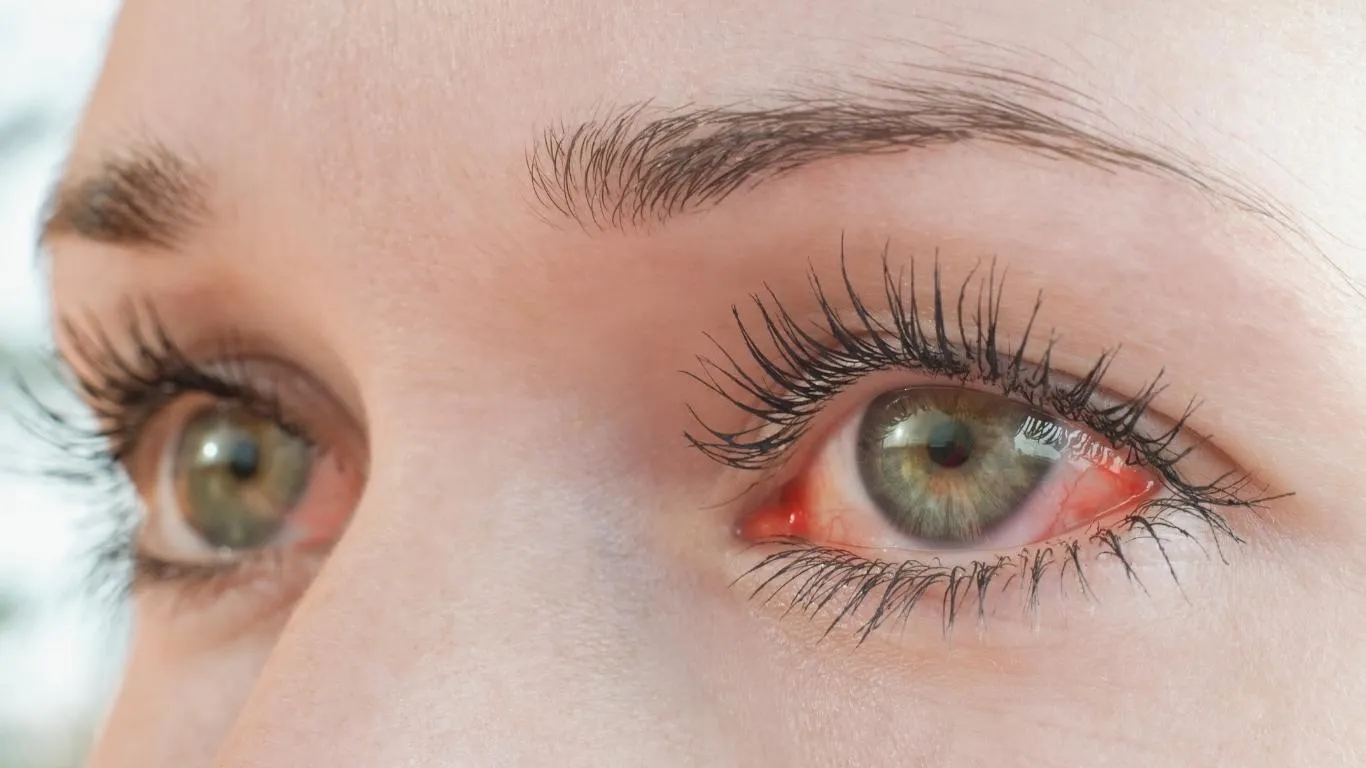
I’m not one to overreact, but when floaters appear right after getting a black eye—especially if they come with light flashes or vision loss—you should take it seriously. It could be more than a simple floater issue.
Red flags include:
- Sudden onset of floaters immediately after trauma
- Accompanied flashes of light
- Shadows or curtains in your peripheral vision
- Blurry or distorted vision
In these cases, a trip to the optometrist or ophthalmologist isn’t just a suggestion—it’s a must. These could be signs of a retinal tear or detachment, which, if caught early, can often be treated without surgery. Delay it, and things get risky.
Are They Permanent or Do They Fade?
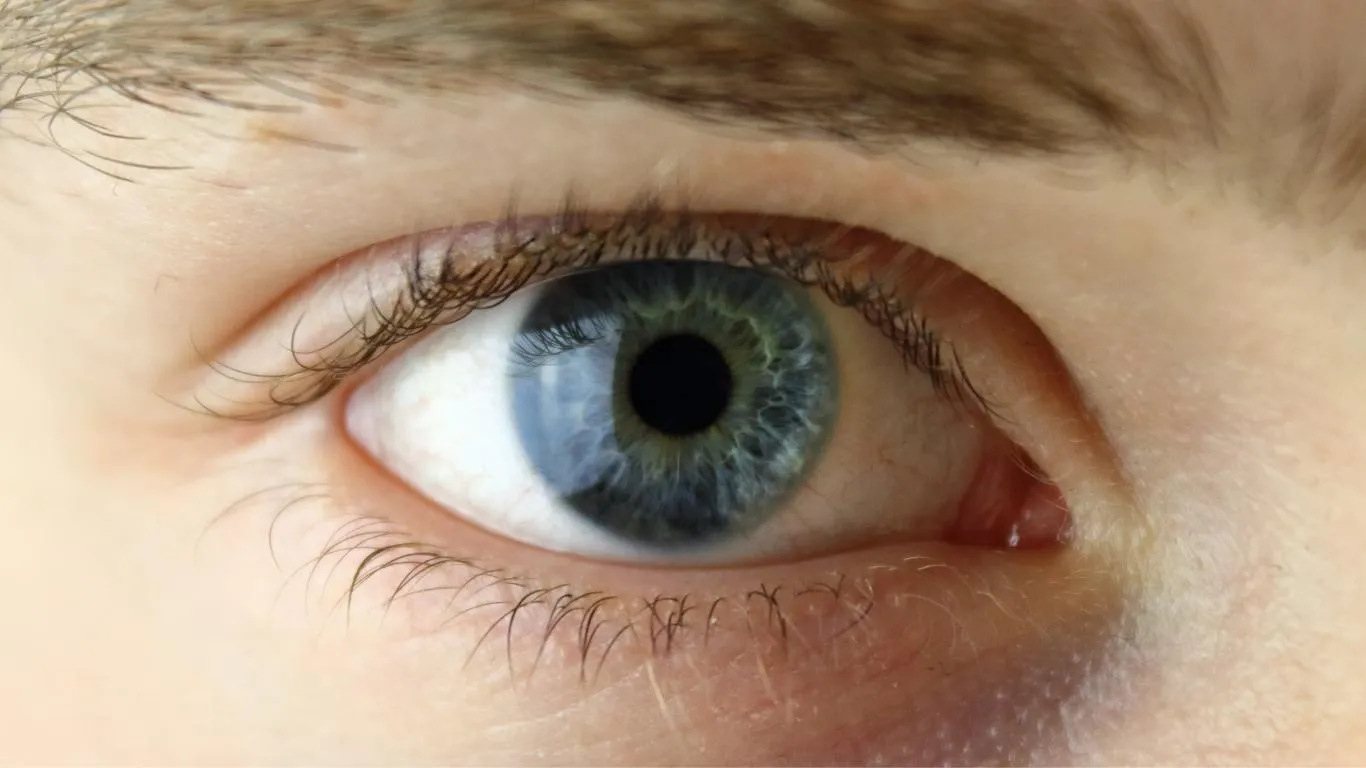
In my experience, the floaters I got after my black eye faded over a few weeks. That’s actually pretty common. The brain is great at ignoring floaters over time, and if there’s no ongoing bleeding or retinal damage, they often become less noticeable.
According to Cleveland Clinic, most floaters from trauma resolve naturally. But—and this is important—some may linger or even multiply if underlying damage wasn’t treated.
Here’s What to Expect:
- 1–2 weeks: Floaters may feel intense or distracting
- 3–4 weeks: Brain starts to adapt, visibility reduces
- 1+ month: Many fade or settle at the bottom of your vision
If they’re sticking around longer than that—or worsening—get re-evaluated.
Self-Care After a Black Eye to Minimize Floaters
Let’s say you just took a hit, and you’re worried about the aftermath. There are a few things you can do to reduce the risk of complications:
- Cold compresses – Helps reduce swelling and internal bleeding
- Keep your head elevated – Prevents blood pooling in the eye area
- Avoid rubbing your eyes – Can worsen irritation or pressure
- Rest your eyes and limit screen time
And while we’re here, don’t assume this is something you can treat with drops or over-the-counter meds. Floaters don’t work that way.
Important Note on Recovery:
Be cautious if floaters increase over time. One of the most informative reads on this topic is this guide on eye floater causes and treatments, which breaks down both natural progression and when to consider intervention.
Do Floaters Mean Something Serious Is Brewing?
Here’s the deal—floaters by themselves aren’t always a big deal. But when they’re the result of trauma like a black eye, it’s a little different. Your eye just took a hit. Things shifted. That could be harmless—or it could mean something’s going on that needs real medical attention.
I remember reading that certain floaters can be red flags for more serious issues. Turns out, that’s absolutely true. If floaters show up suddenly and intensely, especially with light flashes or vision dimming, it might be pointing to a retinal tear or detachment—neither of which you want to mess around with.
One minute you’re thinking, “It’s just a bruise,” and the next you’re sitting in an ophthalmologist’s office getting prepped for laser surgery. Not to scare you, but ignoring eye trauma can sometimes escalate a minor issue into a full-on medical emergency.
What Eye Doctors Will Look For
- Signs of vitreous hemorrhage
- Retinal tears or thinning (especially in trauma cases)
- Increased intraocular pressure
- Detached vitreous or retina
They might use special eye drops to dilate your pupil and scan the back of your eye. If they spot anything odd, they’ll talk treatment—sometimes it’s just monitoring, sometimes it’s laser or surgical repair. The good news? Most trauma-related floaters aren’t dangerous. But it’s best not to gamble with your vision.
What Can You Do About Them?
Unfortunately, there’s no magic pill to make floaters disappear. I wish there was—I would’ve taken a dozen. But there are legit ways to deal with them if they’re becoming a real nuisance, even after your black eye heals.
Here’s What Helped Me (And Might Help You Too)
- Eye rest breaks: I started following the 20-20-20 rule: every 20 minutes, look at something 20 feet away for 20 seconds. It sounds silly, but it helped reduce eye strain and made floaters less noticeable.
- Hydration and diet: I noticed when I slacked on water or had a high-salt day, the floaters felt worse. Staying hydrated really does help. Foods rich in antioxidants (like leafy greens and citrus) seemed to help long-term.
- Avoid high-impact sports (for now): This was tough—I love weekend soccer. But any jarring movement just made things worse while my eye was still healing.
For more natural options (and which ones are total myths), this breakdown of natural floater treatments is worth checking out. It cuts through the nonsense and tells you what’s actually worth trying.
Can Floaters Get Worse with Age After an Eye Injury?
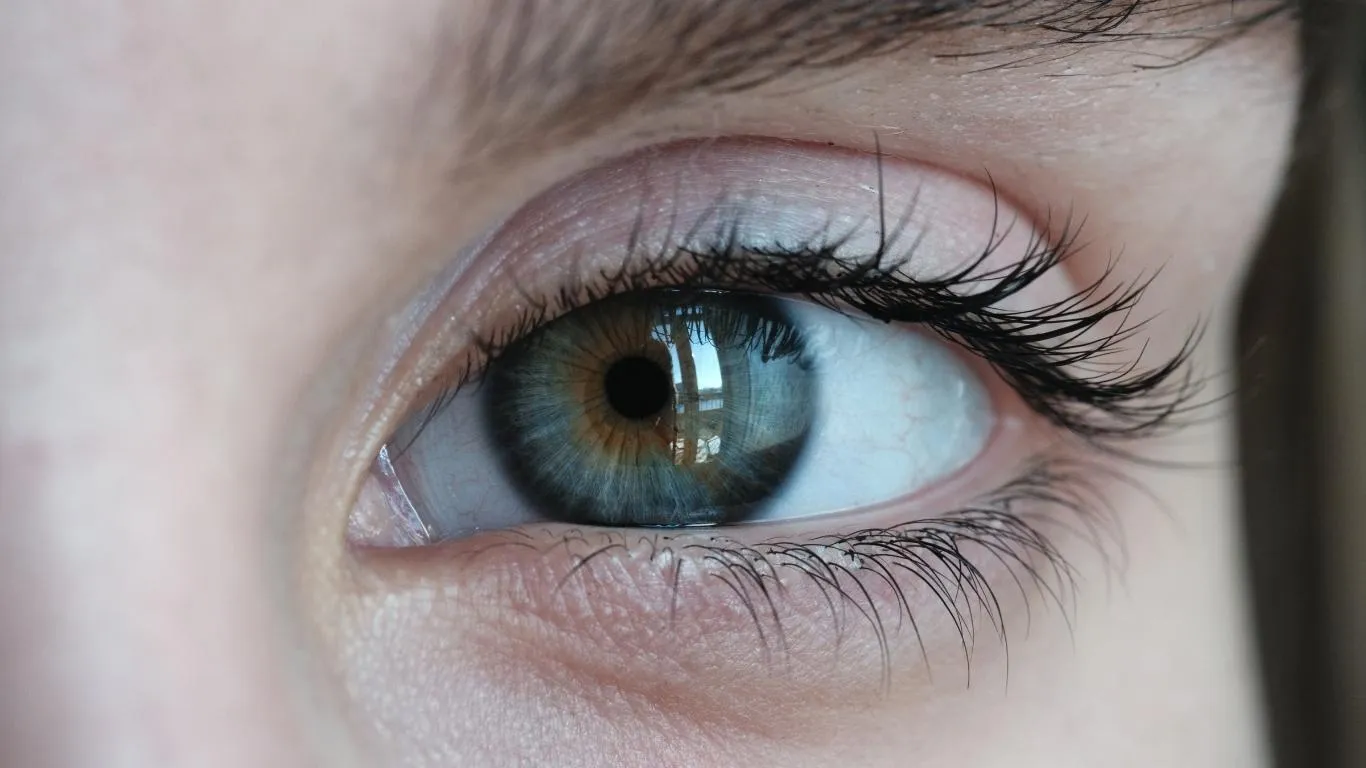
Absolutely. Just because the trauma happened years ago doesn’t mean your eye gets a pass forever. Once the vitreous has been disturbed—whether from a black eye, surgery, or just aging—it tends to become more mobile, and that can mean more floaters down the line.
As I’ve gotten older, I’ve noticed more of them pop up, especially in the eye I injured. That’s normal, but it’s worth monitoring. Especially since floaters can occasionally mask other developing eye problems.
Some eye conditions—like diabetic retinopathy or high blood pressure—can contribute to floater development too. It’s all connected.
Preventive Eye Health Tips
- Get an annual eye exam—even if you think your vision is fine
- Let your doctor know about past eye trauma
- Ask for a retinal scan if you’re noticing more floaters
- Use protective eyewear for sports or risky jobs
Once you’ve had one eye injury, you start to realize how fragile your vision actually is. I don’t take that lightly anymore.
How Floaters Can Affect Daily Life—And What To Do About It

If black eye floaters are sticking around, they can become more than just an annoyance. Reading can be frustrating, driving might feel risky, and forget enjoying a bright sunny day—it just becomes a floater party in your field of view.
That said, there are options beyond just “living with it.” You might want to talk to a specialist about:
- YAG Laser Vitreolysis: Targets and breaks up larger floaters
- Vitrectomy: A surgical procedure that removes the vitreous gel entirely—only for severe cases
- Vision therapy: Helps your brain adapt and ignore persistent floaters
I haven’t gone the laser route myself—yet—but I know a few folks who did, and the results can be pretty life-changing when floaters are seriously affecting your day-to-day life.
Wrap-Up: Protecting Your Eyes After Trauma
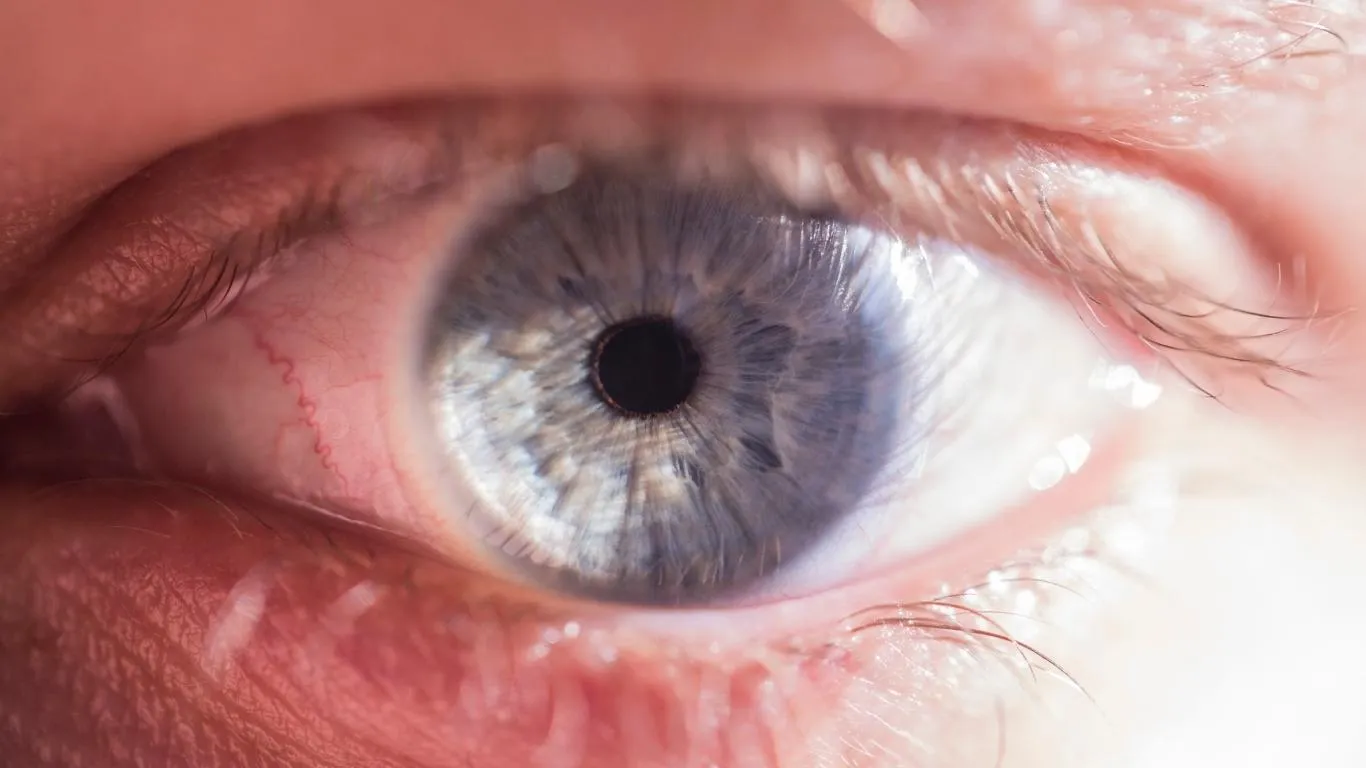
Getting a black eye is rough enough. Add floaters to the mix, and it’s straight-up annoying. But floaters after trauma aren’t always a crisis. Sometimes they’re temporary, sometimes they’re a sign of something deeper—but either way, they’re a wake-up call to start taking your eye health seriously.
If you’re noticing changes in your vision after any kind of eye injury, don’t wait. The sooner you check it out, the more options you’ll have—and the better your chances are at keeping your vision sharp for the long haul.
And if you’re new to the world of floaters and want a full breakdown of the causes, types, and treatment paths, the main guide to eye floaters is the perfect deep dive.

Camellia Wulansari is a dedicated Medical Assistant at a local clinic and a passionate health writer at Healthusias.com. With years of hands-on experience in patient care and a deep interest in preventive medicine, she bridges the gap between clinical knowledge and accessible health information. Camellia specializes in writing about digestive health, chronic conditions like GERD and hypertension, respiratory issues, and autoimmune diseases, aiming to empower readers with practical, easy-to-understand insights. When she’s not assisting patients or writing, you’ll find her enjoying quiet mornings with coffee and a medical journal in hand—or jamming to her favorite metal band, Lamb of God.