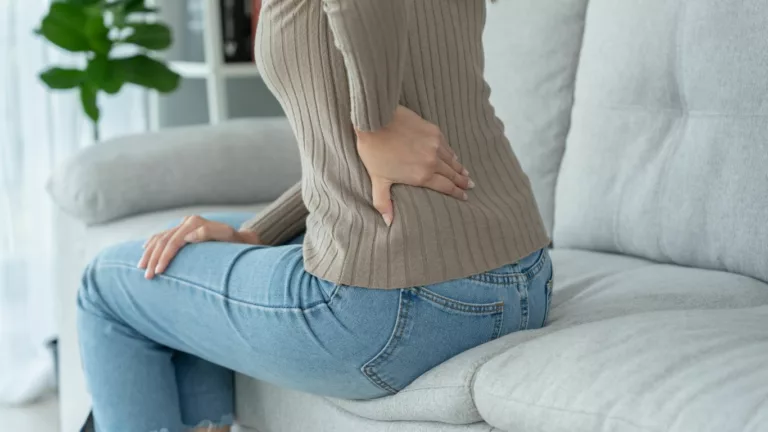
How Sitting Cross-Legged Can Cause Pelvic Rotation And Back Pain
Ever noticed how sitting cross-legged for extended periods can make your hips feel uneven or your lower back start to ache? You’re not imagining things. I used to plop down on the couch, legs folded, binge-watching Netflix for hours, only to stand up feeling twisted. Over time, I learned that this casual sitting habit was silently messing with my pelvic alignment and triggering back pain. Let’s talk about how something as innocent as sitting cross-legged can gradually lead to pelvic rotation issues that wreak havoc on your posture and spine health.
Why Sitting Cross-Legged Can Wreck Your Pelvic Alignment
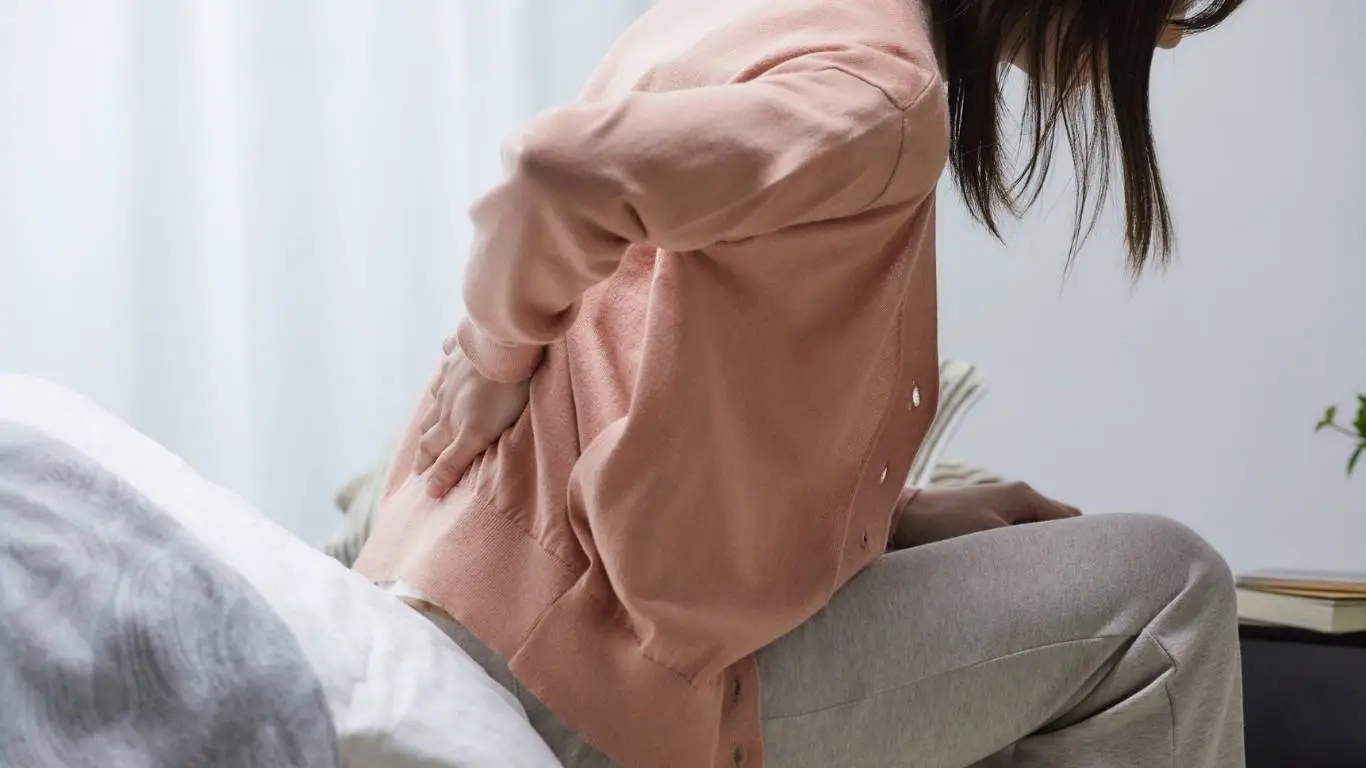
When you sit cross-legged, you’re tilting your pelvis in a way that’s not symmetrical. One side might be rotated forward while the other shifts back, which over time, can create a functional leg length discrepancy. This leads to what’s often called pelvic rotation, and it can disrupt your entire spinal alignment from the ground up.
Here’s how it usually plays out:
- Your hip flexors tighten, pulling your pelvis anteriorly (forward tilt).
- One glute may become underactive while the other overcompensates.
- Your lumbar spine starts curving abnormally to adapt to the misaligned pelvis.
Trust me, I learned the hard way after months of unexplained lower back tightness. Physical therapy revealed it wasn’t some massive disc issue; it was my sitting posture all along.
The Domino Effect of Pelvic Rotation on Your Spine
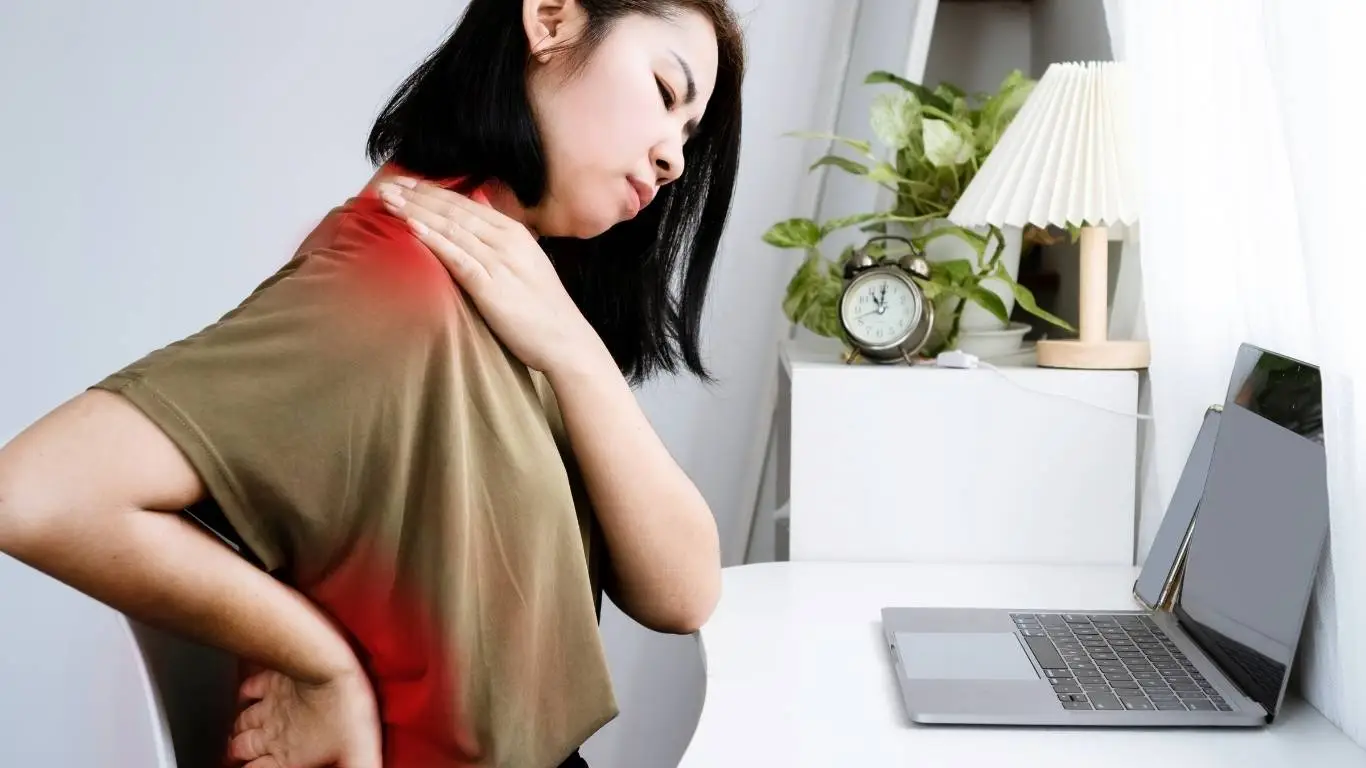
Once the pelvis rotates, the body starts compensating in strange ways. This misalignment doesn’t stay confined to your hips. It cascades upward:
- Lower Back Strain: Uneven pelvic positioning places excessive stress on one side of your lumbar spine, leading to chronic discomfort. This can often be mistaken for herniated disc symptoms, though the root cause is postural.
- Thoracic Spine Compensation: To balance out the tilted pelvis, the thoracic spine may develop a compensatory curve, setting the stage for mid-back stiffness.
- Neck and Shoulder Misalignment: Eventually, the effects ripple all the way to your upper body, triggering tension headaches and upper back tightness.
In fact, this domino effect is why many people dealing with weak glutes and lower back strain often have a history of poor sitting habits.
Daily Habits That Exacerbate Pelvic Rotation

While sitting cross-legged is a major culprit, other everyday activities quietly worsen the problem:
- Always crossing the same leg over the other when seated
- Slouching on soft couches that lack lumbar support
- Carrying bags on one shoulder
- Standing with weight shifted to one hip
It’s these repetitive, asymmetrical movements that reinforce muscle imbalances. Over time, I noticed that even a casual grocery trip with my heavy shoulder bag would trigger my back discomfort if I wasn’t careful.
Signs You’re Dealing with Pelvic Rotation Issues

Wondering if you might be facing pelvic rotation issues? Here are some telltale signs:
- One pant leg feels shorter than the other
- Chronic lower back or hip tightness, especially after sitting
- One side of your pelvis feels higher when lying on a firm surface
- Visible hip hike or lateral pelvic tilt in the mirror
In my case, it was always the right pant leg riding up and constant tension in my left hip that clued me in. A visit to my physical therapist confirmed it—classic pelvic rotation scenario.
Practical Fixes: Realigning Your Pelvis in Everyday Life
Correcting pelvic rotation doesn’t require fancy equipment or hours at the gym. Here’s what helped me:
- Conscious Sitting: Swap sitting cross-legged for feet-flat-on-the-floor positions. When possible, use a lumbar support cushion (learn why lumbar supports are game-changers here).
- Pelvic Tilts and Hip Flexor Stretches: Gentle posterior pelvic tilts and stretching tight hip flexors daily can gradually reset the alignment.
- Glute Activation Exercises: I added simple bridges and clam shells to re-engage my underactive glutes, which helped stabilize my pelvis over time.
- Frequent Micro-Movements: Breaking long sitting spells with standing or walking for 2 minutes every 30 minutes made a noticeable difference.
For a deep dive into targeted exercises, this guide on pelvic tilt back pain correction is incredibly useful.
Why Ignoring Pelvic Misalignment Can Worsen Chronic Back Pain

Leaving pelvic rotation unaddressed often leads to persistent, frustrating lower back pain that no massage or painkiller seems to fix. Over time, it can also predispose you to conditions like sacroiliac joint dysfunction and even early-onset osteoarthritis in the hips and spine. That’s why experts emphasize early identification and correction strategies.
For more in-depth information on how posture-related issues escalate into chronic pain syndromes, this resource on symptoms and diagnosis of back pain is a must-read.
Additionally, the comprehensive back pain main pillar page provides a hub of practical strategies, from conservative treatments to ergonomic interventions, to keep your spine healthy in the long run.
Advanced Correction Techniques for Persistent Pelvic Rotation

Sometimes, simple posture fixes and stretches aren’t enough. I had reached a point where my hips felt perpetually “off,” despite my best efforts. That’s when I explored more advanced interventions:
- Manual Therapy: Working with a skilled physical therapist who used hands-on mobilization techniques made a massive difference. They helped reset my sacroiliac joint alignment which no amount of stretching could achieve alone.
- Myofascial Release: Deep tissue work focused on the hip flexors, glutes, and lower back fascia relieved hidden tension that was perpetuating the asymmetry. I found this fascial release guide extremely helpful.
- Core Stability Programs: Strengthening my transverse abdominis through specific, low-impact exercises taught me to maintain pelvic neutrality even during daily activities.
If your pelvic rotation feels stubborn, these targeted therapies could be the missing piece of the puzzle.
Everyday Ergonomic Adjustments to Prevent Recurrence

Once I corrected my alignment, the next battle was preventing it from slipping back into dysfunction. Small ergonomic tweaks had a big impact:
- Desk Setup: Switching to a standing desk allowed me to alternate between sitting and standing, which helped maintain pelvic symmetry throughout the workday.
- Car Seat Position: Adjusting my car seat to support a neutral pelvis (hips level with knees, slight lumbar curve) stopped long drives from flaring up my symptoms. You can check out these car seat ergonomics tips.
- Footwear Matters: Ditching flat, unsupportive shoes and opting for options with proper arch support helped stabilize my pelvis while walking.
These micro-adjustments, when combined, created a significant improvement in my posture and long-term back comfort.
Exercises That Reinforce a Balanced Pelvis

Beyond correction, the goal is to build resilience. Here are a few exercises that became my go-to:
- Wall Sits: Excellent for teaching your hips, glutes, and core to work together in maintaining pelvic neutrality.
- Single-Leg Glute Bridges: Targets imbalances by forcing each side to activate independently.
- Standing Hip Hikes: Simple yet effective for engaging lateral hip stabilizers, crucial for balanced pelvis positioning.
On days when I didn’t have time for a full workout, these 10-minute routines kept my alignment in check.
When to Seek Professional Help for Pelvic Misalignment

While self-correction works for many, there are red flags indicating it’s time to consult a professional:
- Persistent lower back pain that doesn’t improve with home exercises
- Visible pelvic tilt or one hip noticeably higher when standing
- Frequent SI joint “locking” or sharp groin pain
In such cases, collaborating with a physiotherapist or orthopedic specialist is key. Ignoring these signs can lead to more complex issues like sacroiliac joint dysfunction or chronic sciatica. For detailed insights, the back pain causes pillar provides a thorough breakdown of how postural habits evolve into chronic pain conditions.
Combining Mind-Body Approaches for Long-Term Relief

One thing I didn’t expect was how much stress and mental tension contributed to my pelvic imbalances. Incorporating mindfulness and body-awareness practices like mindfulness meditation and breathwork helped me notice when I was unconsciously tensing or shifting asymmetrically during the day.
It’s also worth exploring how emotional factors can manifest physically. The mental and emotional aspects of back pain pillar dives into these mind-body connections in-depth.
Combining these strategies with physical interventions gave me a holistic approach that not only corrected my posture but also sustained it.

Camellia Wulansari is a dedicated Medical Assistant at a local clinic and a passionate health writer at Healthusias.com. With years of hands-on experience in patient care and a deep interest in preventive medicine, she bridges the gap between clinical knowledge and accessible health information. Camellia specializes in writing about digestive health, chronic conditions like GERD and hypertension, respiratory issues, and autoimmune diseases, aiming to empower readers with practical, easy-to-understand insights. When she’s not assisting patients or writing, you’ll find her enjoying quiet mornings with coffee and a medical journal in hand—or jamming to her favorite metal band, Lamb of God.