Slouched Posture In Teenagers Can Harm Spinal Maturity
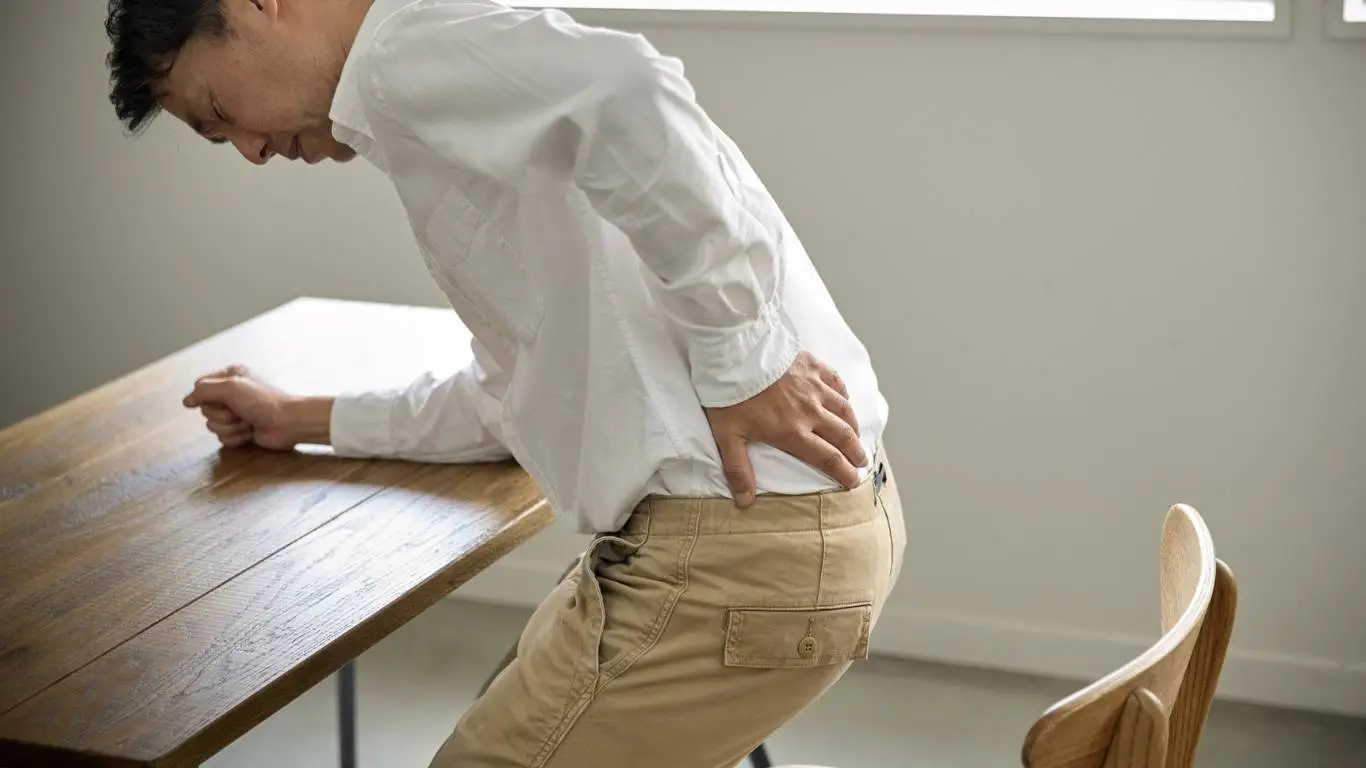
If you’ve ever caught yourself telling a teenager to “stand up straight” or “stop slouching,” you’re not alone. I’ve done it plenty of times, sometimes because I was genuinely concerned, and other times because I could see a little of my own teenage slouch in them. Back then, I had no clue how much that casual, rounded-shoulder posture could influence my spine’s development. It wasn’t until years later—after dealing with occasional stiffness and reading up on spinal health—that I understood how crucial those years are for spinal maturity. The teenage spine is still developing, and repeated slouching can shape more than just appearance—it can influence spinal alignment, muscle balance, and even future comfort.
Why Slouched Posture in Teenagers Is More Than a Cosmetic Issue

Teenagers are at a critical stage in spinal anatomy development. Growth plates are still active, vertebrae are maturing, and postural habits are being locked in—whether good or bad. A slouched posture isn’t just about looking lazy; it can disrupt the natural curves of the spine, particularly the thoracic and lumbar regions.
From a biomechanical perspective, the head moves forward in a slouch, increasing the load on the cervical spine. Over time, this can lead to compensations in the lower back and pelvis, creating a cascade of muscular imbalances. In my own case, years of leaning over a school desk left my upper back perpetually tight, and my core muscles underused.
Common Triggers for Teenage Slouching
- Extended screen time – Hunching over phones and laptops shifts posture forward.
- Overloaded backpacks – Carrying heavy loads encourages leaning forward.
- Lack of core strength – Weak muscles fail to hold the spine in proper alignment.
- Self-consciousness – Some teens slouch to “blend in” physically.
Interestingly, research shows that prolonged sitting in a slouched position can lead to changes in spinal alignment similar to those seen in early kyphosis (ncbi.nlm.nih.gov).
How Slouching Influences Spinal Maturity
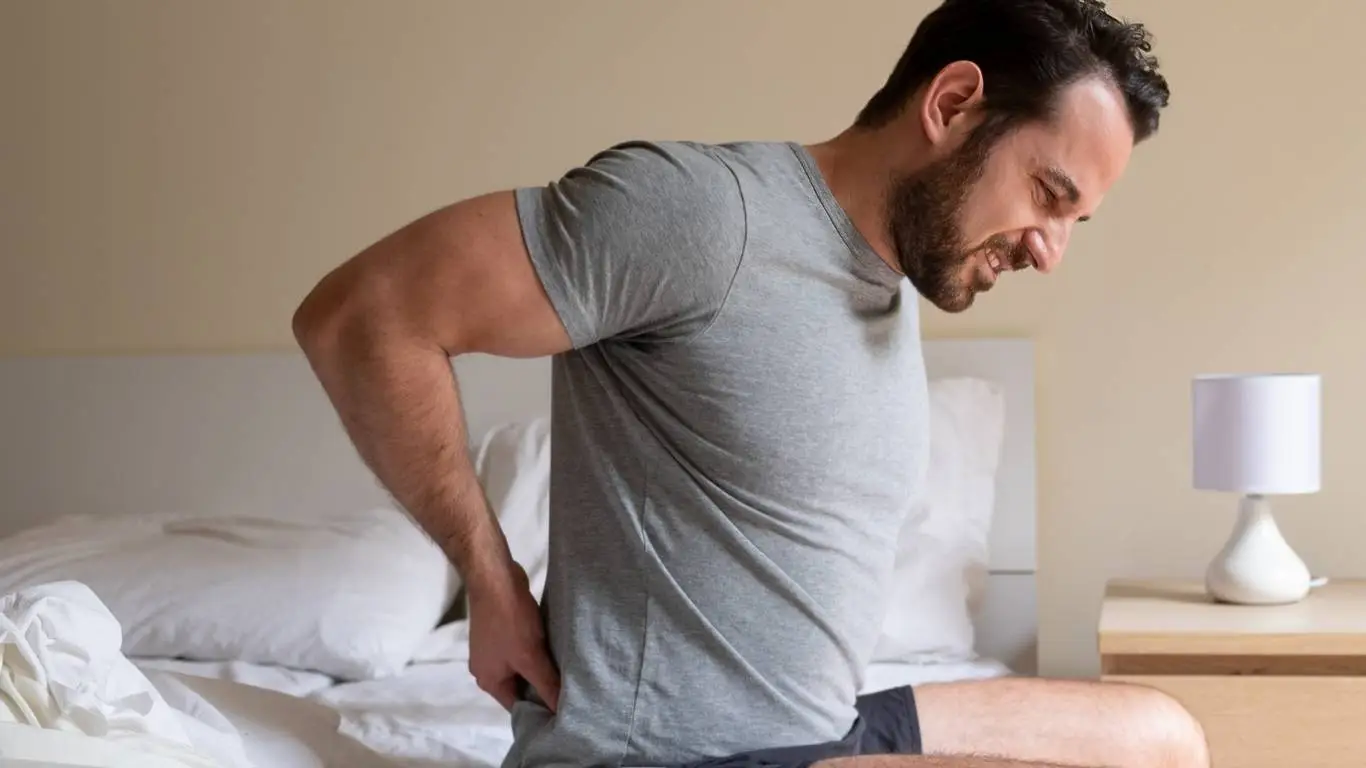
During adolescence, the spine is in a state of structural and functional adaptation. That means it’s still responding to external forces—whether from sports, sitting, or posture. Slouching can cause:
- Altered spinal curves – Overemphasis of thoracic kyphosis and reduction of lumbar lordosis.
- Asymmetric muscle development – Overactive chest muscles and weakened back extensors.
- Reduced lung capacity – Forward shoulder posture compresses the rib cage.
- Increased risk of chronic pain – Issues may appear years later, often in early adulthood.
From a personal standpoint, I remember noticing my shoulders rounding in high school photos. At the time, I brushed it off. But now, I realize those subtle changes reflected real shifts in my spinal structure.
Long-Term Consequences if Left Unchecked
Without intervention, habitual slouching can set the stage for conditions like postural kyphosis, tension headaches, and even nerve-related discomfort. For teens involved in sports, poor posture may increase injury risk due to altered biomechanics.
Correcting Slouched Posture: Strategies That Work

The good news is that slouched posture in teenagers is highly correctable with consistent effort. Based on my own trial-and-error (and some hard-learned lessons), these strategies are worth implementing:
1. Build Core and Back Strength
Exercises like planks, reverse flys, and targeted stretches can help balance muscle activity. Teens who maintain a stronger posterior chain tend to sit taller naturally.
2. Adjust the Study Setup
Ergonomics isn’t just for office workers. Teenagers benefit from chairs that support the lower back and desks that keep screens at eye level. I once swapped my desk chair for one with lumbar support and noticed less mid-back fatigue within a week.
3. Limit Continuous Screen Time
Encourage standing breaks every 30–45 minutes. Even quick desk stretches make a difference in postural reset.
4. Use Backpack Smarts
Backpacks should be no more than 10–15% of body weight. Wide straps and even weight distribution reduce the tendency to hunch forward.
The Role of Awareness and Early Intervention

Sometimes, the biggest challenge is simply getting teenagers to notice their posture. I’ve had conversations with teens who didn’t realize they were slouching until shown a side-profile photo. This awareness is often the first step toward change.
Parents and educators can play a proactive role by integrating posture checks into daily routines. Sports coaches, in particular, can reinforce upright form during practice, reducing the risk of posture-related injuries.
Professional guidance, such as from a physical therapist, can speed up correction and ensure the exercises are targeted to the individual’s needs. In some cases, posture issues may be linked to underlying structural conditions like scoliosis (how scoliosis affects lower back pain), which require specific interventions.
Why Teenage Years Are the Perfect Window for Postural Change

The spine’s adaptability during teenage years is a double-edged sword—it can adapt positively to healthy movement or negatively to chronic slouching. This is why early correction is so effective. A teenager who learns proper alignment now may avoid the long-term issues that often bring adults into clinics for exercise and rehabilitation programs later in life.
One of the best things I did in my own posture journey was start small. Instead of trying to “sit perfectly” all day (which is exhausting), I focused on frequent resets. Every time I caught myself slouching, I’d roll my shoulders back, engage my core, and lift my chin slightly. Over months, this became second nature.
For more foundational information on spine care and overall back health, the main back pain guide and its dedicated section on special populations offer deeper insights tailored to different age groups.
Thinking back to my own teenage years, I wish someone had explained that posture wasn’t just about looking confident—it was literally shaping my spine. When I finally started working on my alignment in my twenties, I realized I could have saved myself a lot of stiffness and awkward aches if I’d been more proactive earlier. That’s why the second half of understanding slouched posture in teenagers is all about practical, sustainable change—and recognizing that spinal maturity is a moving target during adolescence.
Small Daily Habits That Transform Teenage Posture
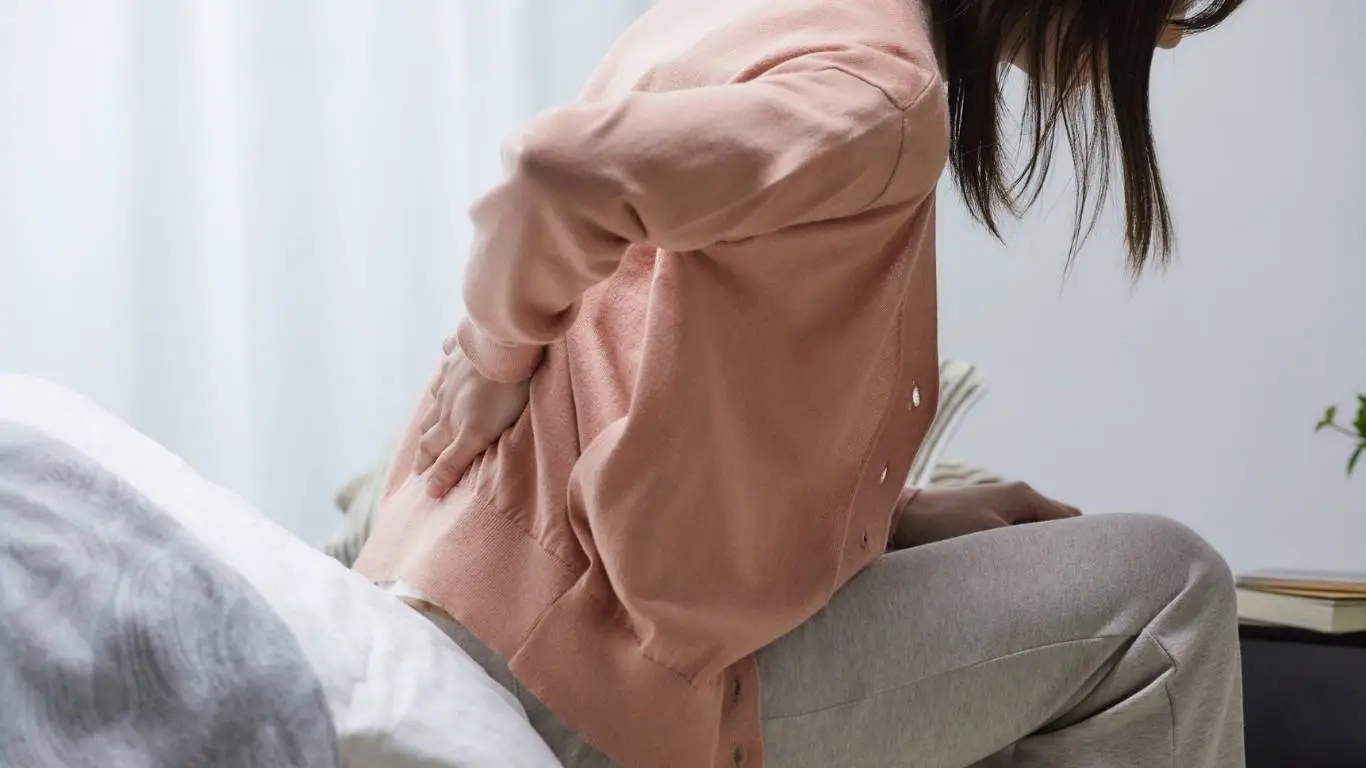
Correcting slouched posture doesn’t have to mean overhauling a teenager’s life. Often, it’s the subtle, repeated adjustments that make the biggest difference over time. These changes become muscle memory, supporting spinal alignment long after growth plates have closed.
1. Posture-Friendly Study Spaces
I’ve seen firsthand how a poorly set-up desk can undo hours of good posture habits. Teens need screens at eye level, feet flat on the floor, and chairs with supportive backs. This simple shift encourages the spine to stack naturally, reducing the tendency to round forward.
2. The 30-Second Reset Rule
This trick worked wonders for me. Every half hour, pause and run through three quick checks: shoulders back, chin level, core engaged. It’s fast enough that even the most screen-absorbed teenager won’t feel interrupted, but effective enough to retrain muscle patterns.
3. Encouraging Active Breaks
Whether it’s walking the dog, shooting hoops, or a short band workout, movement is the antidote to slouching. The spine thrives on dynamic activity, not hours of frozen, forward-leaning posture.
Strength and Flexibility: The Core of Postural Correction

Muscles are the scaffolding of the spine. In teenagers, strengthening the upper back, core, and glutes while improving chest and hip flexibility creates a balanced support system that naturally resists slouching.
- Strength moves: Reverse flys, prone Y/T/W holds, planks, and glute bridges.
- Stretching focus: Chest openers, hip flexor stretches, and gentle thoracic extensions.
When I committed to a routine like this in college, I noticed my shoulders naturally rested farther back without conscious effort. For teens, these results often appear even faster because their bodies adapt more quickly.
Incorporating Fun into Postural Training
Not every teenager is excited about “posture drills.” Activities like swimming, climbing, or yoga can strengthen postural muscles without feeling like work. The key is to find something they enjoy enough to stick with consistently.
When Slouched Posture Signals a Deeper Issue

While most cases of teenage slouching are habit-based, some are rooted in structural or medical causes. Conditions like Scheuermann’s disease, scoliosis, or even certain muscular imbalances require professional assessment and targeted care.
If a teen experiences back pain, fatigue, or difficulty standing straight even after posture cues, it’s worth exploring with a healthcare provider. Early diagnosis means early treatment—preventing issues from affecting spinal maturity. The warning signs in mid-back pain guide is an excellent resource for recognizing when slouching might indicate more than just a habit.
Special Considerations for Active Teens
In sports like cycling or rowing, the posture naturally leans forward. Without counterbalancing exercises, these athletes can develop shortened chest muscles and overstretched back muscles. Structured recovery routines can keep the spine in balance.
Mindset and Awareness: Making Posture Stick
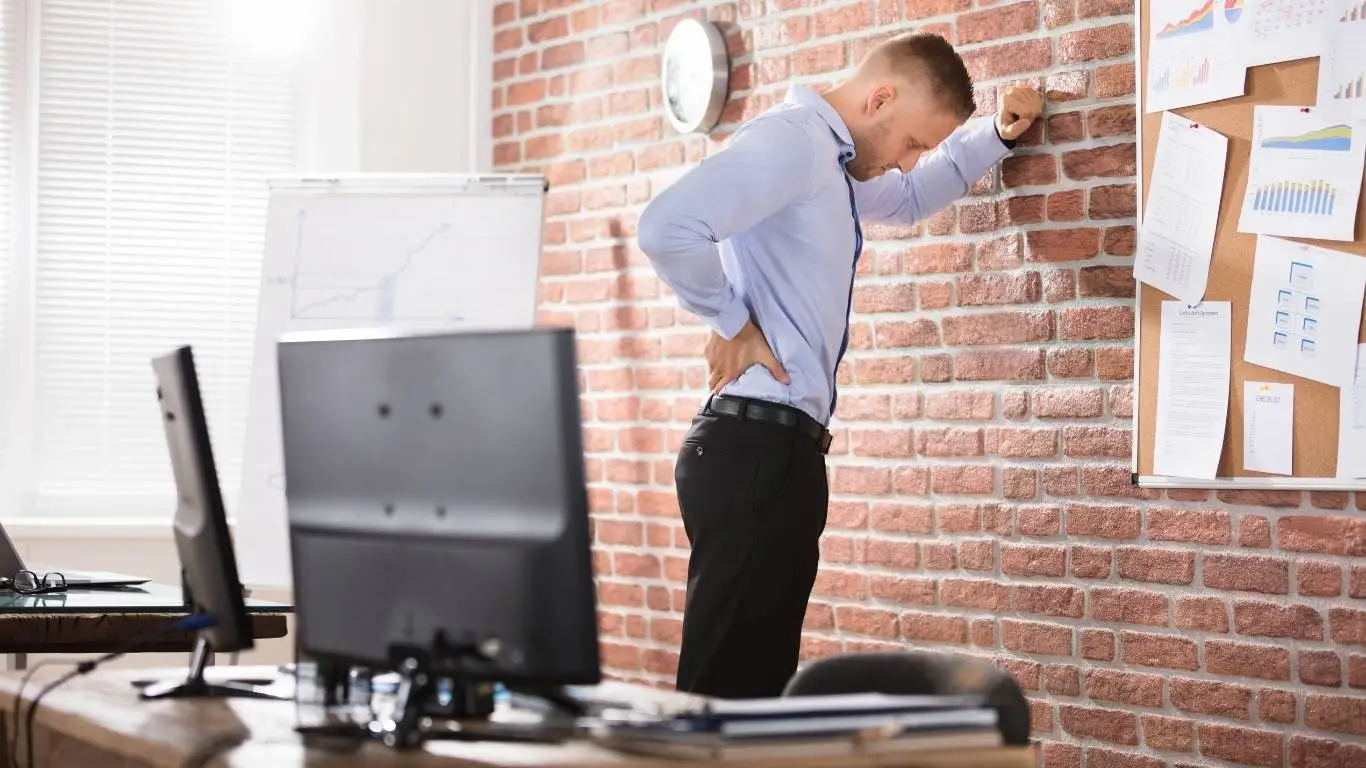
One thing I’ve learned—both personally and from working with younger family members—is that posture correction only works when the teenager buys in. That means explaining why it matters, not just nagging about “standing up straight.” When they connect posture to comfort, sports performance, or even appearance, they’re more likely to stay consistent.
Awareness can also be built through visual feedback. Simple tools like posture tracking apps, mirrors during workouts, or even before-and-after photos can highlight progress in a motivating way.
Family and Community Support
Teenagers model what they see. If the adults around them maintain good posture, they’re more likely to follow suit. Schools can integrate posture education into PE classes, and sports teams can include alignment checks in warm-ups.
Future-Proofing the Spine

The habits built during adolescence often persist into adulthood. That’s both the challenge and the opportunity. A teen who learns to stand tall today may avoid the cascade of issues—like chronic back pain from poor posture—that so many adults face later on.
Spinal maturity isn’t a fixed milestone; it’s a process influenced by growth, activity, and daily choices. Even once the spine is fully developed, those foundational habits keep paying dividends in strength, balance, and resilience.
For comprehensive guidance on optimizing back health at every stage of life, the main back pain resource and exercise and ergonomics section provide expert-backed strategies anyone can adapt—teenager or not.

Camellia Wulansari is a dedicated Medical Assistant at a local clinic and a passionate health writer at Healthusias.com. With years of hands-on experience in patient care and a deep interest in preventive medicine, she bridges the gap between clinical knowledge and accessible health information. Camellia specializes in writing about digestive health, chronic conditions like GERD and hypertension, respiratory issues, and autoimmune diseases, aiming to empower readers with practical, easy-to-understand insights. When she’s not assisting patients or writing, you’ll find her enjoying quiet mornings with coffee and a medical journal in hand—or jamming to her favorite metal band, Lamb of God.