Why Smart Shirts for Posture Correction Are Changing Daily Habits
If you’ve ever found yourself hunched over your laptop, only to look up hours later with a stiff neck and throbbing lower back, welcome to the club. I’ve been there more times than I’d like to admit. That daily grind, especially working remotely or sitting through long meetings, adds up—and the posture tax is real. That’s why I got curious about *smart shirts for posture correction*. I wasn’t looking for a miracle gadget. I wanted something that could subtly coach my body back into better alignment—without looking like I was wearing a medical device.
How Smart Shirts Are Quietly Revolutionizing Posture Correction
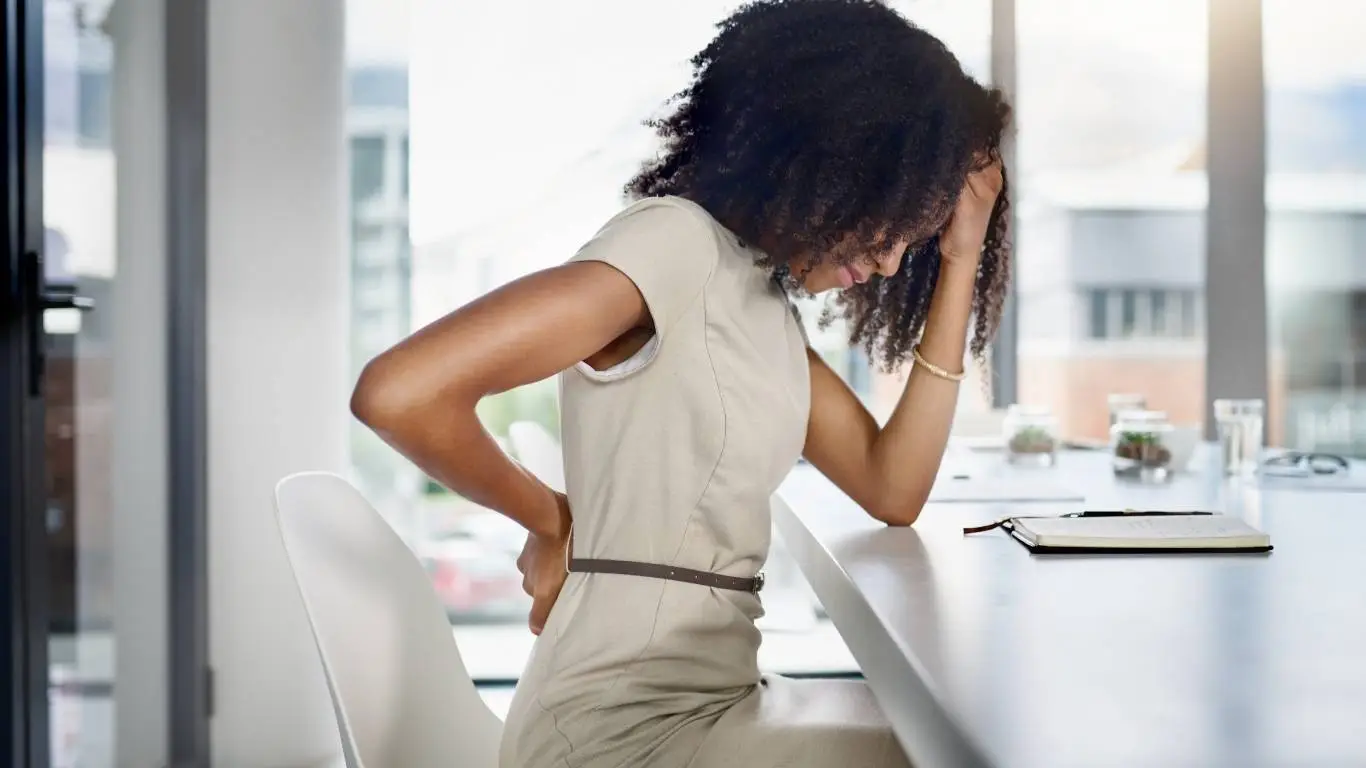
So what are these shirts, and why is everyone—from desk warriors to athletes—raving about them? Smart posture shirts are essentially fitted garments embedded with sensors. These sensors detect poor posture in real-time and provide feedback—either via gentle vibration or through a paired mobile app. And here’s what sets them apart from traditional braces: they *teach* your muscles to engage properly, rather than *forcing* them into place.
That’s a game-changer. Traditional posture braces? I’ve tried a few. They feel restrictive, and the second you take them off, you’re back to slouching like a tired panda. But a smart shirt? It’s like having a posture coach stitched into your wardrobe.
Subtle Guidance Without the Embarrassment
Unlike bulky support braces, most smart shirts blend seamlessly into everyday wear. They look like athletic wear—sometimes even better. No one in your Zoom meeting will know you’re being gently nudged to sit up straighter.
- Vibration-based reminders train muscle memory
- Companion apps track posture trends over time
- Moisture-wicking, breathable materials for all-day comfort
Why Posture Matters More Than You Think
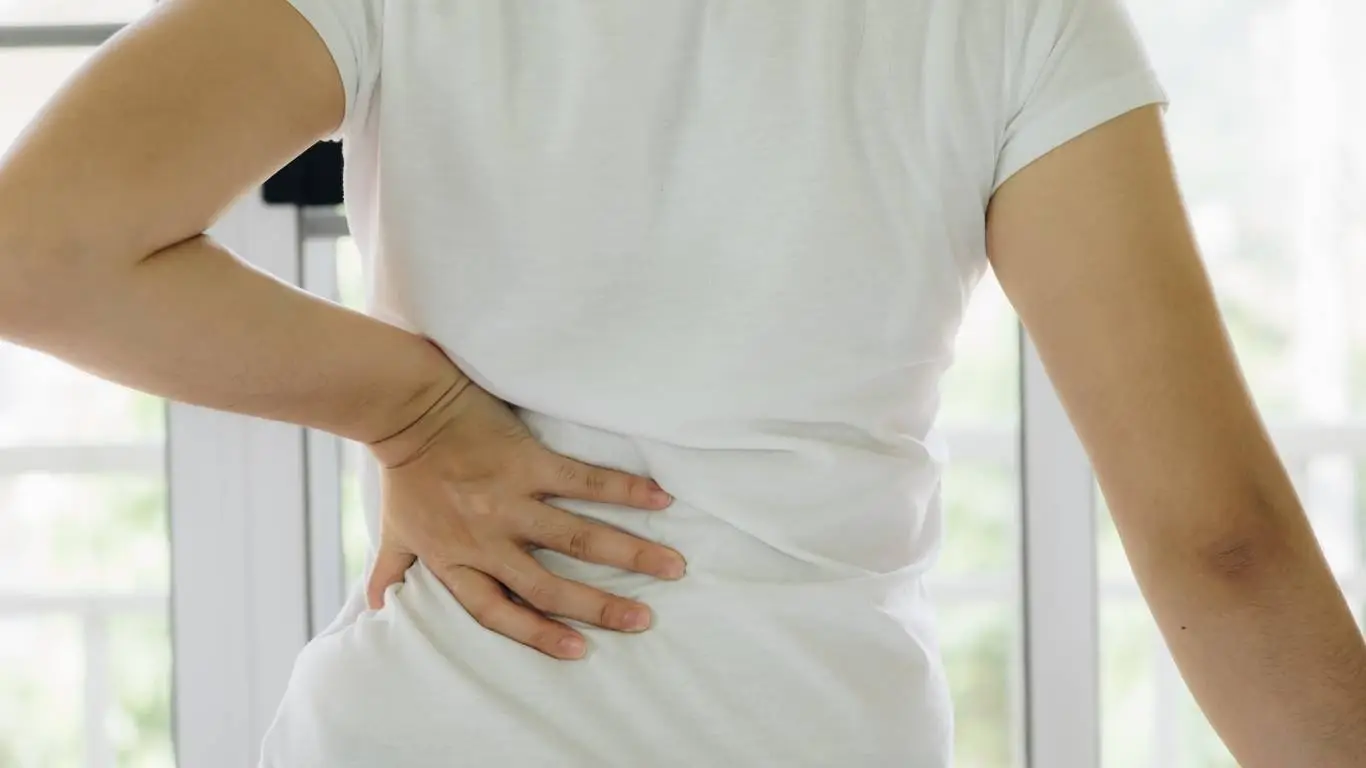
Before diving into the tech, let’s talk posture. Poor posture isn’t just about looks—it messes with *everything*. Chronic slouching compresses your spine, weakens your core, and can even impair breathing and digestion. I used to think I had bad back luck. Turns out, it was mostly bad posture.
According to the National Library of Medicine, prolonged sitting and forward head posture can lead to musculoskeletal disorders over time. It’s not just a short-term nuisance; it’s a long-term health risk.
Common Side Effects of Poor Posture
- Lower back pain
- Neck stiffness and headaches
- Reduced lung capacity
- Fatigue and lack of focus
And if you’re like me—spending hours at a desk or hunched over your phone—the damage accumulates silently. That’s why a smart shirt felt like a no-brainer investment, especially once I learned how many back issues stem directly from prolonged sitting habits. This piece on how sitting wrecks your spine opened my eyes.
How Smart Shirts Compare to Other Posture Devices

When it comes to posture aids, you’ve got options—braces, wearable sensors, reminder apps, even standing desks. But none offer the *blend* of function and convenience quite like a smart posture shirt. Here’s how it stacks up:
| Tool | Pros | Cons |
|---|---|---|
| Smart Shirt | Discreet, trains muscles, long-term correction | Initial cost, app dependency |
| Posture Brace | Immediate support | Restrictive, weakens muscles over time |
| Reminder App | Gentle cues | Easy to ignore, no physical feedback |
| Standing Desk | Promotes movement | Doesn’t directly address posture habits |
From my experience, posture isn’t about forcing yourself upright—it’s about building awareness. That’s where these shirts shine. They don’t bully your spine into submission; they *teach* it what good alignment feels like. I personally saw improvements within two weeks of using mine, especially with tension relief in my mid-back and shoulders.
Who Can Benefit from Smart Posture Shirts?

If you think smart posture shirts are just for tech geeks or fitness influencers—think again. They’re incredibly helpful for:
- Remote workers glued to their desks
- Students carrying heavy backpacks and bad habits
- Fitness enthusiasts needing form correction
- Older adults fighting posture-related fatigue
I came across a deep dive on back pain in teenagers and realized how early posture problems can start. These shirts could be a solid tool for kids as young as middle school age. Early correction means fewer chronic issues later.
Preventing Long-Term Damage
What starts as a “minor slouch” now can spiral into degenerative spinal issues later. According to Cleveland Clinic, poor posture contributes significantly to herniated discs and muscular imbalance. Prevention is cheaper (and far less painful) than cure.
And it’s not just physical health on the line. I’ve felt the mental fog that comes with tight shoulders and a crunched neck. Sitting up straight literally makes me feel more alert and confident. That subtle boost in posture? It carries into your mood, mindset, and even how others perceive you.
If posture struggles are already giving you daily discomfort, you may want to read more about early warning signs before things spiral. There’s also an excellent section on Healthusias’ main back pain hub for understanding foundational spine health.
Integrating Smart Posture Shirts Into Daily Life (Without Making It Weird)

Let’s be honest. The idea of wearing a shirt that buzzes when you slouch sounds awkward—until you actually try it. After the first couple of days, it became second nature. I’d wear mine during the hours I knew I was most vulnerable to “slouch mode”—usually mid-morning and late afternoon. It turns out, *you don’t have to wear these all day* to get results.
One of the biggest benefits? It made me *aware*. Not just of my posture but of the things triggering bad posture—my chair height, my monitor angle, even how I held my phone during doomscrolling. It’s not magic. It’s habit reconditioning, and that’s where these smart shirts really shine.
Pairing It With Other Smart Habits
Here’s where things got interesting: when I combined the shirt with a few other tweaks, the improvement was fast-tracked.
- Switched to an ergonomic chair (I used this ergonomic chair guide to choose)
- Started using a standing desk for part of my workday
- Added 10-minute mobility stretches before lunch
- Cut my screen time at night to reduce spinal tension while sleeping
All of this paired beautifully with the feedback from the smart shirt. It was like building a feedback loop—my shirt corrected me, and I made permanent adjustments in my space and routines.
Posture Feedback: What the Data Taught Me

Most smart posture shirts come with a companion app. I used one that showed daily graphs of when I slouched most. Initially, I thought mornings would be my worst time—but no. It was always right after lunch. That sleepy dip? It hits hard—and so did my shoulder slump.
Once I saw the pattern, I started scheduling a short post-lunch walk and standing calls around that time. Small move, big impact. My mid-afternoon tension almost vanished. It’s wild how something as subtle as a posture shift can affect everything from energy to mood.
Gamifying Better Posture
I’ll admit: I got slightly addicted to seeing my “posture score” rise every week. One day I hit 92% upright time and felt like I’d won a trophy. It’s silly, but it works. Gamifying posture correction makes it less of a chore and more of a personal challenge. I even got a friend to try one, and we started comparing weekly reports. Nerdy? Maybe. Effective? Absolutely.
Back Pain Relief: What Changed for Me
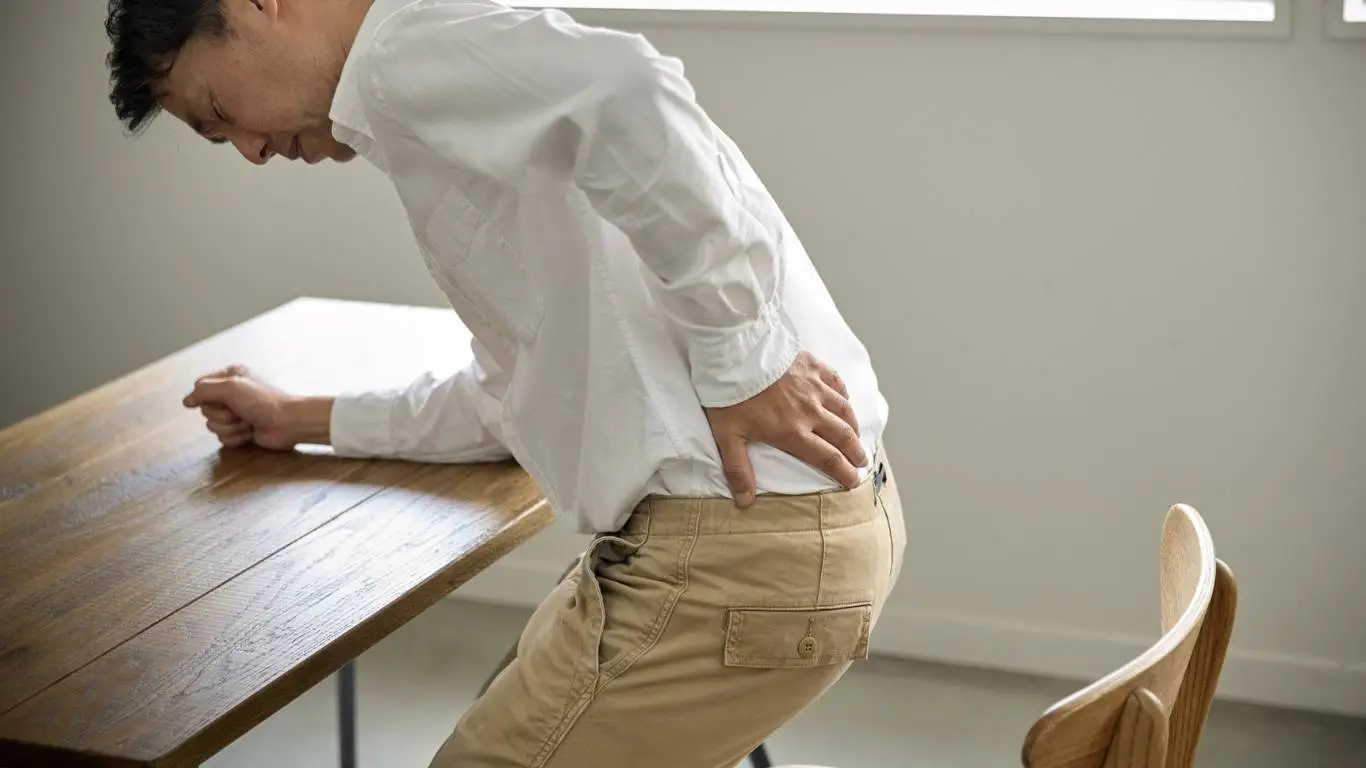
Let’s get to the real reason I tried the smart shirt: the back pain. Mine used to flare up after sitting too long, usually centered in my lower spine. It wasn’t debilitating, but it was annoying—and it made me dread long meetings or road trips. Three weeks in, that ache was almost nonexistent.
There’s a solid reason for that. The shirt helped me naturally engage my core and upper back, redistributing the load. My spine wasn’t collapsing into itself. It was being supported—by my own muscles. That’s a *huge* difference from just putting on a brace and hoping for the best.
There’s even clinical evidence to back this up. According to NCBI, consistent posture training helps reduce musculoskeletal strain and improves proprioception. You’re not just standing straighter; you’re *moving better overall*.
For anyone experiencing chronic discomfort, I’d recommend checking out these deeper insights on common posture-related back pain causes—especially if your pain worsens throughout the day or after prolonged sitting.
What to Look for When Buying a Smart Posture Shirt
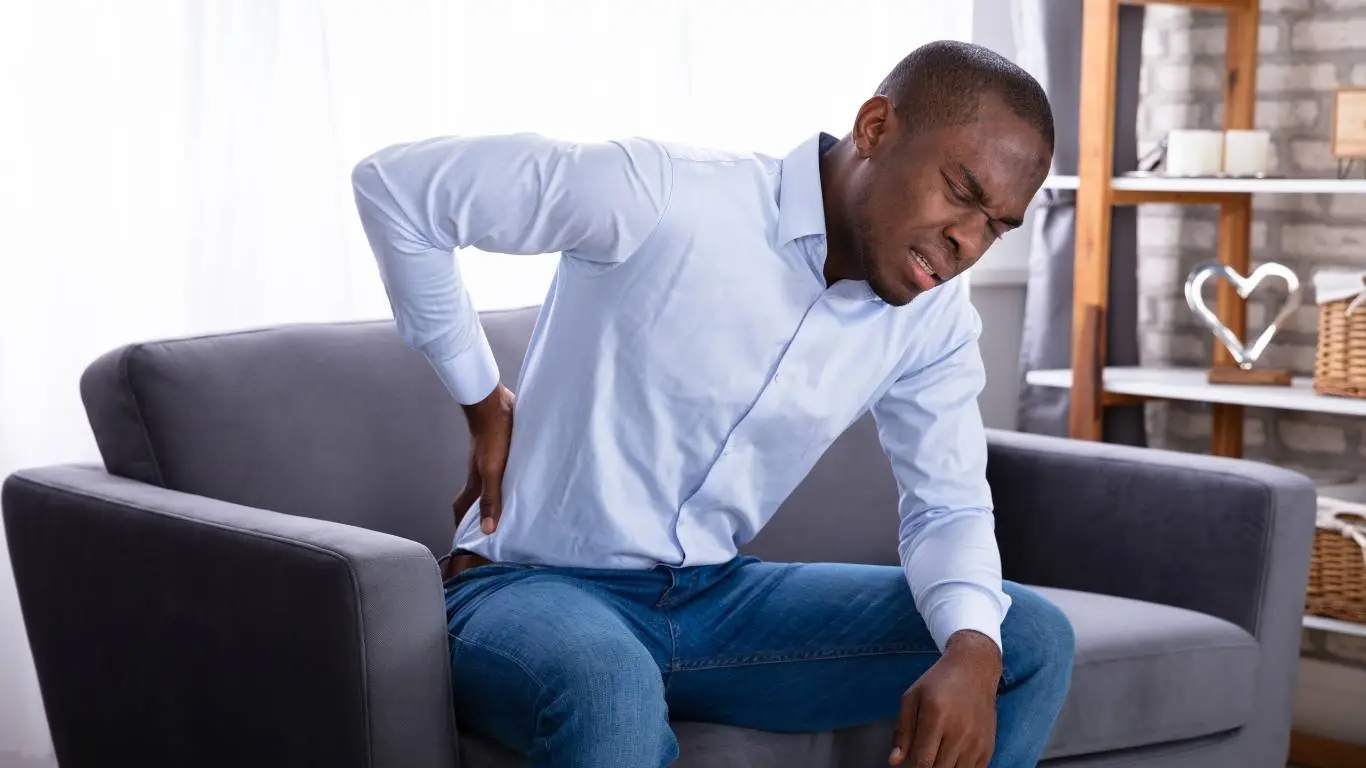
After testing a few models, I can confidently say not all posture shirts are created equal. Some were too stiff, others had dodgy Bluetooth connectivity. Here’s what to look for:
- Comfortable Fit: You want a shirt that hugs, not squeezes. It should feel like athletic wear.
- Sensor Accuracy: If it vibrates when you’re upright, it’s more frustrating than helpful. Look for well-reviewed sensor calibration.
- App Functionality: Graphs, trends, and push reminders are great. Clunky UIs? Not so much.
- Battery Life: Ideally 2–3 days between charges, especially if you’re wearing it several hours a day.
I personally leaned on reviews and breakdowns like this one on back-friendly apps to choose the right companion tech. Compatibility matters—especially if you’re already tracking posture or movement in other devices like a smartwatch.
Smart Shirts Won’t Fix Everything—But They’ll Nudge You In The Right Direction
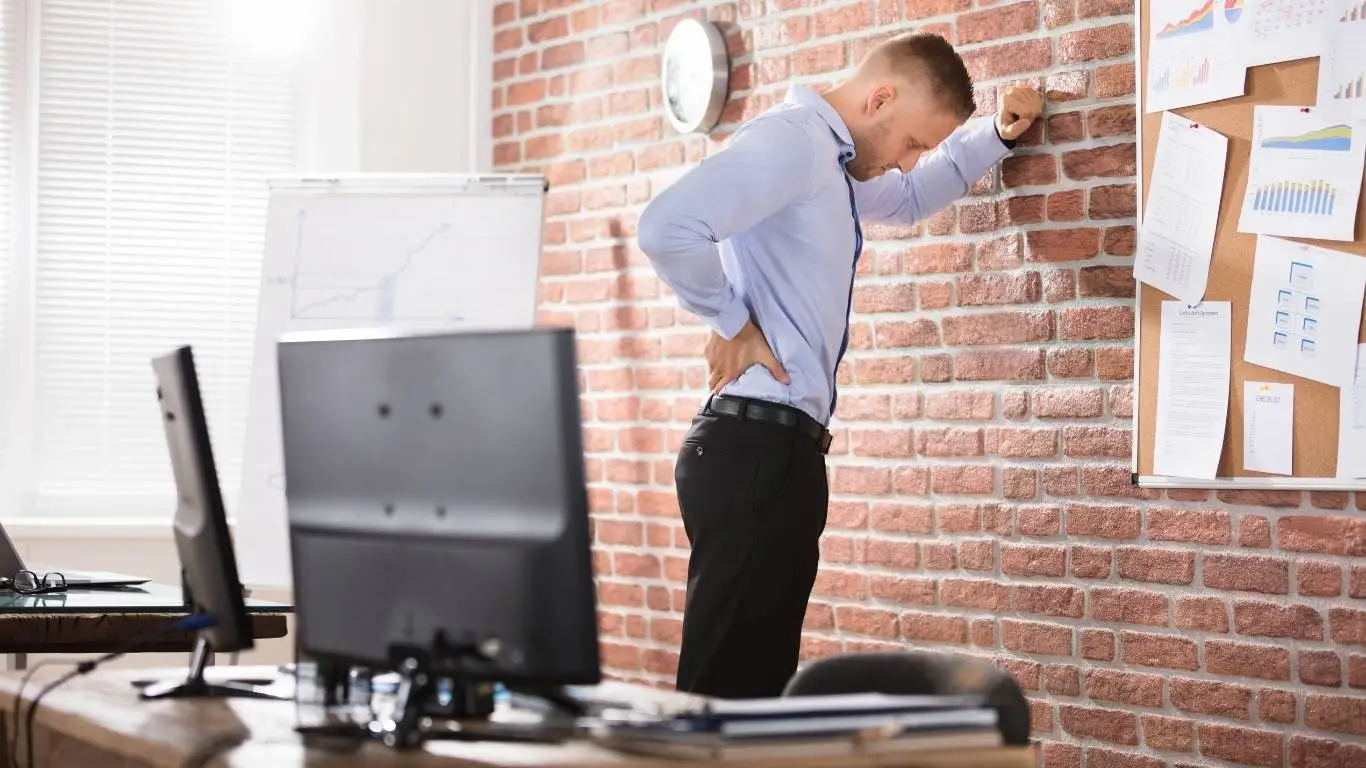
This isn’t a magic shirt. It won’t fix scoliosis, it won’t cure chronic injury pain, and it won’t undo decades of bad habits overnight. But for everyday slouching, desk fatigue, and posture awareness? It’s easily one of the best investments I’ve made for my back health.
If you’re managing more severe or persistent issues, you’ll definitely want to read through this page on conservative back pain treatments. It covers non-invasive approaches that pair well with wearable tech, stretching, and physical therapy.
And if you’re just starting your back pain journey, or want to prevent future problems, here’s the full guide on back pain essentials—tons of foundational advice I wish I’d read years ago.
From someone who used to start and end each day with a groan and a grimace, trust me: improving your posture is absolutely worth the effort. And a smart shirt might just be your smartest move yet.

Camellia Wulansari is a dedicated Medical Assistant at a local clinic and a passionate health writer at Healthusias.com. With years of hands-on experience in patient care and a deep interest in preventive medicine, she bridges the gap between clinical knowledge and accessible health information. Camellia specializes in writing about digestive health, chronic conditions like GERD and hypertension, respiratory issues, and autoimmune diseases, aiming to empower readers with practical, easy-to-understand insights. When she’s not assisting patients or writing, you’ll find her enjoying quiet mornings with coffee and a medical journal in hand—or jamming to her favorite metal band, Lamb of God.