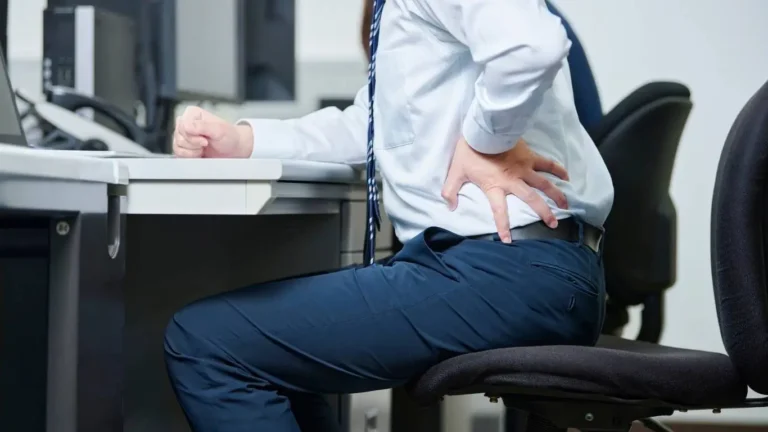
Smart Ways Construction Workers Can Prevent Painful Back Injuries
Being in construction most of my life, I’ve seen my fair share of back injuries—and had a few myself. Let’s just say, crawling out of a jobsite trailer in your 30s like you’re 80 isn’t the highlight of anyone’s career. But here’s the thing: most back injuries among construction workers are preventable. Yeah, really. It’s not always about lifting heavy stuff—it’s the way we move, the posture we hold, and the habits we repeat every day. So if you’re swinging a hammer, driving rebar, or just hauling around your body weight on uneven terrain all day, this one’s for you.
Understanding the Backbreaking Nature of Construction Work

The Numbers Don’t Lie
According to OSHA, construction workers suffer one of the highest rates of musculoskeletal disorders in any industry, and back injuries top the list. We’re talking about strains, herniated discs, sciatica, and more. In fact, a major portion of missed workdays in construction is due to back-related issues.
Daily Wear and Tear
The repetitive tasks—lifting, bending, twisting, climbing, kneeling—sound familiar? They pile up. Over time, that daily grind can trigger chronic inflammation, muscle fatigue, or worse, structural damage. For many of us, it doesn’t take a dramatic fall or mishap to land us in pain—it’s the slow, relentless grind that gets us.
Why Most Back Injuries Are Preventable

Form Over Force
It’s not always about how strong your back is—it’s how smartly you use it. Using your legs instead of your lower back when lifting is Back Safety 101, yet it’s shocking how often we default to poor mechanics when in a rush or distracted.
Fatigue Equals Risk
Tired muscles can’t support your spine properly. If you’re pushing through a long shift with minimal rest, your risk of injury skyrockets. That’s why understanding your physical limits and taking breaks—yes, even short ones—can reduce strain.
The Wrong Tools and Gear
Improper footwear, lack of lumbar support belts, and outdated tools all contribute to unnecessary strain. A solid ergonomic setup might not sound tough, but it saves your back long-term.
Practical Strategies That Actually Help

1. Daily Stretch Routine
Start your day with a five-minute stretch—nothing fancy, just enough to loosen your hips, hamstrings, and lower back. Try these:
- Hip flexor stretch: Tight hips are a hidden back pain culprit.
- Child’s pose: A go-to for decompressing the spine.
- Standing hamstring stretch: Keep it gentle—no bouncing.
Want more? Check out these stretches for back pain that actually deliver.
2. Train Your Core, Not Just for Looks
I learned this the hard way—ripped arms don’t mean squat if your core can’t support your spine. Integrating planks, bird-dogs, or even Pilates (trust me, it’s not just for Instagram models) builds the kind of core strength that protects your back on the job.
Seriously, Pilates for back health is a game-changer—especially for repetitive motion stress.
3. Use Back-Friendly Lifting Techniques
The basics:
- Bend at the knees, not the waist.
- Keep the load close to your body.
- Engage your core before lifting.
- Never twist while lifting—pivot with your feet instead.
When in doubt, don’t lift it alone. And no shame in using a dolly or asking for help.
4. Recovery Is Non-Negotiable
Back pain from muscle fatigue or inflammation needs attention—not bravado. Ice, heat, stretching, and even massage therapy (yes, I said massage) can reduce pain and help prevent it from coming back. Here are some massage techniques that construction guys I know swear by.
Watch Out for Warning Signs

Ignoring It Will Cost You
That nagging ache in your lower back? It might be a pulled muscle—or the start of a herniated disc. Don’t brush off persistent pain, tingling, or numbness. It could be your body waving a red flag.
This is especially true if you’ve had a recent injury. Learn to spot the warning signs before it’s too late.
Check In With Your Spine Regularly
You wouldn’t ignore an oil leak in your truck—why ignore your back? Regular chiropractic or osteopathic check-ins can prevent small issues from turning into surgery-level disasters. If you’re curious, chiropractic adjustments might be worth exploring.
Back-Friendly Equipment and Lifestyle Tweaks

Support Starts With Your Shoes
Get this: your feet are the foundation of your posture. If your boots lack arch support, or you’re wearing worn-out soles, it throws everything off. That chronic lower back pain? Could start with your feet. Read more about footwear’s role in back pain.
Rethink Your Tools
Long-handled tools reduce the need to bend. Power tools with ergonomic grips reduce wrist and shoulder strain. Invest in gear that works with your body, not against it. This might also be the time to look into lumbar-support harnesses.
Diet and Anti-Inflammation
As someone who used to eat like a gas station regular, I can tell you—junk food doesn’t help. Inflammation from poor diet slows recovery and increases pain sensitivity. Try an anti-inflammatory diet—cut down on processed stuff, up your greens, and maybe even give turmeric a go. Your back will thank you.
Want to explore how natural remedies and lifestyle changes can boost your spine health even further? Visit our guide on lifestyle and natural back pain relief.
For a comprehensive dive into everything back pain—from causes to prevention—check out our Back Pain Main Pillar and back pain causes section.
Post-Injury Recovery That Doesn’t Derail Your Career

Back on Site After Injury
Coming back to work after a back injury isn’t just physical—it’s mental, too. I remember dragging myself into light duty, half-worried I’d reinjure something and half-worried they’d bench me for good. But proper recovery strategies made all the difference. If you’ve been through surgery or just a nasty strain, easing back into work safely is key.
Using physical therapy as your launchpad helps restore movement, rebuild muscle balance, and correct habits that may have caused the injury in the first place. If you’re unsure whether your recovery plan is enough, look into this spinal recovery guide—it’s solid even if you didn’t go under the knife.
Work Modifications That Actually Work
When you’re returning from a back injury, don’t just jump into full duty with zero changes. Talk to your site manager or safety lead about modified tasks. A few practical examples:
- Break large loads into smaller ones
- Tag in on rotating duties (especially repetitive ones)
- Use carts, lifts, or hoists when possible
And don’t skip your pre-shift warmups—they aren’t just for athletes. They keep your muscles engaged and aligned before the heavy stuff starts.
Everyday Habits That Keep Pain from Coming Back

Move More, Sit Less
This one surprised me. Long periods of sitting can actually trigger more pain than moving around all day. If you’re riding between job sites or stuck in traffic, try this trick: shift position every 15–20 minutes, and always use lumbar support.
Here’s a tip I stole from a safety inspector—he keeps a lumbar cushion in his truck. Looks goofy, works wonders.
Back-Friendly Sleep Setup
If your back’s shot in the morning, your mattress might be the real villain. After switching to one with proper support—and adding a medium-firm topper—I started waking up way less stiff. Your sleeping position matters too. Side sleepers? Put a pillow between your knees. Back sleepers? Slip one under your knees.
Check out these sleeping positions that actually help—not just the ones your buddy recommends at the bar.
When It’s Time to Explore Advanced Solutions

Know When Conservative Isn’t Enough
Sometimes, rest and rehab just don’t cut it. If you’re still hurting after trying everything from physical therapy to posture correction, it might be time to explore more advanced options. One friend of mine swore by radiofrequency ablation—less invasive than surgery, with solid relief results.
Injection Therapies and Surgery Options
Depending on your diagnosis, your doctor may recommend corticosteroid injections, nerve blocks, or even microdiscectomy. These aren’t quick fixes—they’re strategic interventions when nothing else works. Just make sure you’re working with someone who understands the unique strain construction puts on the body.
There’s some great info on epidural injections and minimally invasive surgery that’s worth reviewing with your doctor.
Support Systems Beyond the Jobsite

Build a Safety-Minded Culture
If you’re a foreman, site manager, or safety coordinator, don’t wait for HR to run the show. Back pain isn’t just a personal problem—it’s a jobsite issue. Weekly toolbox talks, mandatory stretch breaks, and gear checks should be standard, not optional.
Mental Health Check-Ins
This one gets overlooked. Chronic pain messes with your head. Anxiety, frustration, even depression can creep in—especially when your identity is tied to being the strong, capable one on site. It’s okay to admit it. Even a quick chat with a counselor or trusted buddy helps unload that mental pressure.
The Bigger Picture: Prevention as a Lifestyle

Small Choices, Big Payoffs
Swapping out cheap work boots for ones with solid support, stretching before and after work, dialing in your sleep setup—none of these take much effort. But together, they drastically reduce the odds of waking up one day with a back you can’t count on.
Staying Ahead of the Game
Make it a habit to learn more about your back. The spine isn’t just bones—it’s nerves, muscles, and tissue that all work together. If one part’s off, the rest feels it. Deepen your understanding with this guide to types and anatomy of back pain. Trust me—it’s eye-opening when you see just how connected everything is.
For a deeper understanding of what’s causing your back issues and how to prevent them long-term, check out our full Back Pain resource hub.

Camellia Wulansari is a dedicated Medical Assistant at a local clinic and a passionate health writer at Healthusias.com. With years of hands-on experience in patient care and a deep interest in preventive medicine, she bridges the gap between clinical knowledge and accessible health information. Camellia specializes in writing about digestive health, chronic conditions like GERD and hypertension, respiratory issues, and autoimmune diseases, aiming to empower readers with practical, easy-to-understand insights. When she’s not assisting patients or writing, you’ll find her enjoying quiet mornings with coffee and a medical journal in hand—or jamming to her favorite metal band, Lamb of God.