Why Spiritual Healing May Be the Missing Link in Chronic Back Relief
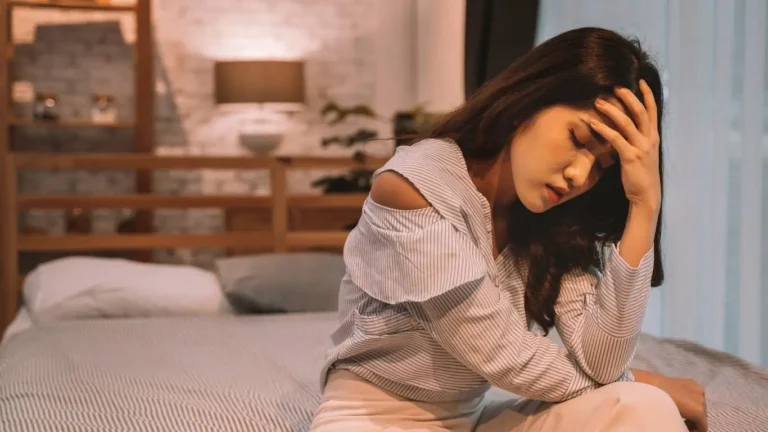
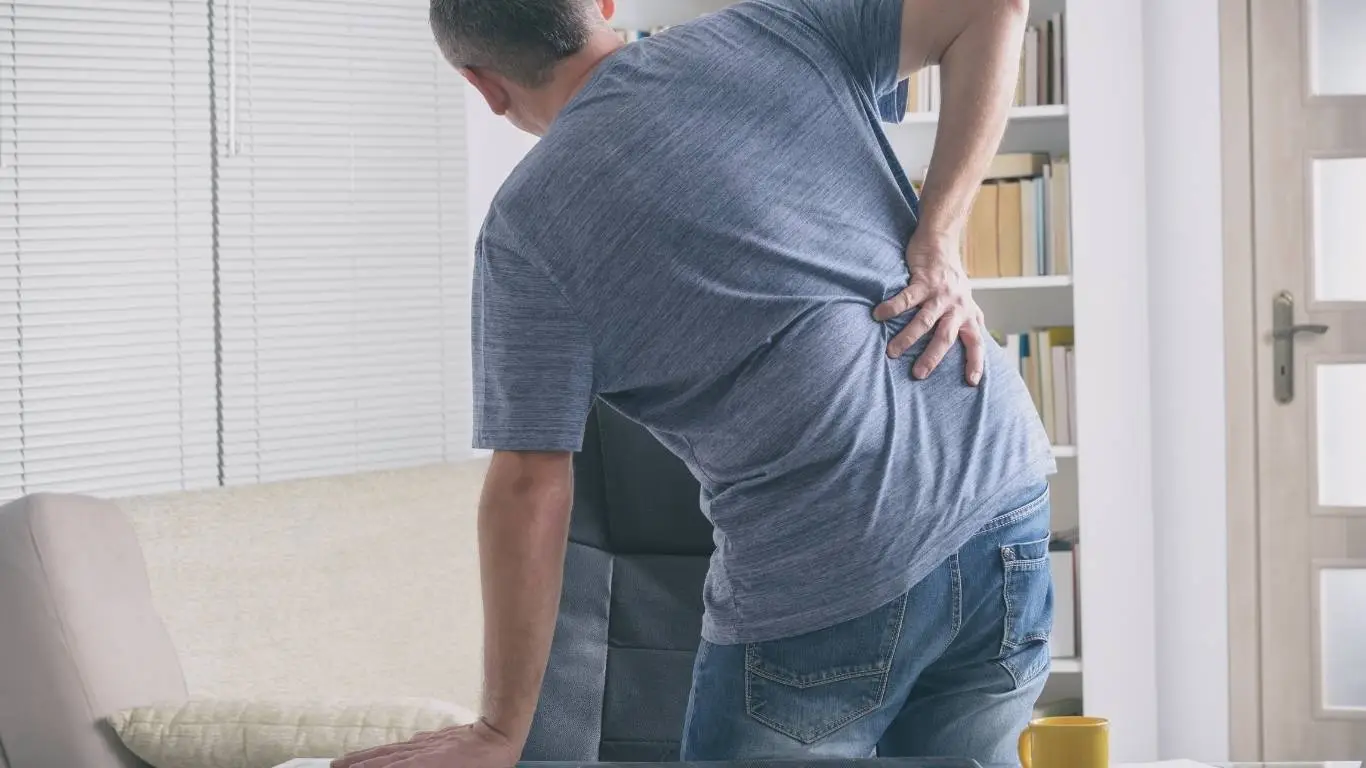
Chronic back discomfort can quietly take over your life. I’ve been there—stretching in the middle of grocery aisles, canceling plans because the pain flared up again, sleeping with a heating pad like it’s a second pillow. You chase solutions: pills, physical therapy, posture gadgets. But if you’re like me, eventually you start wondering—what if the pain isn’t just physical?
Understanding Chronic Back Discomfort Beyond the Physical

Modern medicine does an incredible job diagnosing the mechanics of back pain—herniated discs, muscle strains, degenerative changes. But what happens when all the scans look normal and yet… you’re still hurting? That’s where many people (myself included) begin exploring deeper—specifically, the spiritual and emotional roots of chronic back discomfort.
This isn’t about replacing conventional care—far from it. But rather, layering in another dimension of healing that might be overlooked. Spiritual healing doesn’t mean waving crystals or chanting in a forest (unless that’s your thing). It’s about reconnecting with inner balance, emotional release, and deeper self-awareness.
The Mind-Body-Spirit Link in Back Pain
Research has long recognized the connection between emotional stress and physical pain. The lower back, for example, is often associated (in psychosomatic theory) with issues around security, support, and fear. Carrying the weight of unspoken grief, unresolved trauma, or daily overwhelm might just show up in your spine.
- Ever notice how your back tenses when you’re anxious?
- Do flare-ups happen during emotionally charged weeks?
- Does your pain ease—even slightly—after meditation or journaling?
These aren’t coincidences. The body is an intelligent communicator. Pain can be a signal—not just of damage, but of disconnection.
Spiritual Practices That Have Helped Me Manage Pain

Over the past few years, I’ve integrated several spiritual healing practices into my routine. I didn’t start out as a believer in this stuff—far from it. But as I ran out of options, I opened the door… just a little. And what came in was life-changing.
1. Meditation and Guided Imagery
Sitting still was torture at first. But with time, even just five minutes of mindfulness helped quiet the chaos in my nervous system. I used guided meditations focused on body scanning, pain awareness, and emotional release. A great place to start is with resources from nccih.nih.gov, which explores meditation for pain relief.
One surprising discovery? When I meditated consistently, I needed fewer anti-inflammatories. The pain didn’t vanish—but my relationship to it shifted.
2. Energy Healing (Reiki and Pranic Healing)
Yep, I was skeptical. But after a close friend dragged me to a Reiki session, I felt something shift. It’s not dramatic—more like an internal sigh. Energy healing works with subtle energy fields in the body, aiming to unblock stagnation that could be contributing to physical pain. There’s growing literature on its benefits, including from reputable sites like mayoclinic.org.
3. Breathwork and Somatic Release
Our breath mirrors our nervous system state. Shallow breathing keeps us stuck in “fight or flight.” Deep, conscious breathing brings us into “rest and repair.” I started simple—just 4-7-8 breathing twice a day. Then I explored deeper techniques like holotropic breathwork. The emotional releases were… unexpected but powerful.
I paired this with somatic movement—simple stretches and spontaneous motions guided by how my body felt, not what a routine said. It complemented everything I was doing in physical therapy and helped unlock stiffness that wouldn’t budge with exercises alone.
Letting Go of What Hurts You (More Than Just Muscles)

Chronic pain has a way of chaining you to the past—physically and emotionally. I’ve spoken to dozens of people (in online communities and real life) who share this: when they began addressing suppressed anger, old grief, or toxic relationships, their chronic back discomfort started to shift.
Body Memories and Emotional Triggers
Trauma, especially from childhood or major life stressors, can lodge itself in the tissues—literally. This isn’t just woo-woo talk. Experts like Dr. Bessel van der Kolk have written extensively about this in The Body Keeps the Score. When I began somatic journaling—writing where I felt pain and what emotion I associated with it—old memories surfaced. It was rough. But deeply healing.
If this resonates, you might want to explore how depression and back pain are more connected than we think.
Setting Spiritual Intentions for Recovery
I started setting intentions before bed—not just “I want to be pain-free,” but things like “I release the fear around my back,” or “I allow support into my life.” Over time, those intentions became beliefs. And those beliefs translated into how I moved, stood, worked, and lived. Spiritual healing is often subtle—but the cumulative effect? Huge.
Where Spiritual Meets Practical

Combining spiritual practices with conservative treatments like those outlined in our exercise and rehabilitation guide gives you the best of both worlds. You can stretch and strengthen while also healing what lies beneath the surface.
And if you’re still exploring the basics of your back pain journey, I highly recommend visiting our main back pain resource page for a full overview.
Spirituality as a Daily Practice, Not a Weekend Ritual
What surprised me most? It wasn’t the big rituals that helped me feel better—it was the small, repeatable moments of connection. Lighting a candle with intention. Whispering affirmations while stretching. Practicing forgiveness before falling asleep. Each one added a subtle softness to my nervous system. When your nervous system relaxes, pain tends to follow.
And yes, the pain still comes and goes. But now I meet it with curiosity, not panic. With presence, not frustration. That’s something I never got from any pill.
How I Layer My Daily Routine With Healing Intentions
- Morning: I journal for 5 minutes—just feelings, no filters. Then I set a healing intention like “I am supported today.”
- Midday: I move gently. Not always yoga—sometimes it’s a walk, sometimes dancing in my kitchen. Movement is medicine when it’s intuitive.
- Evening: I unplug early and do breathwork or a short body scan meditation. This often leads to better sleep—key for reducing inflammation.
Want something more structured? Here’s a great guide on back pain-relieving yoga poses that helped me build my own rituals over time.
When Emotional Clarity Unlocks Physical Relief

I still remember a night I was lying in bed, pain in my lower back stabbing like usual, and I suddenly broke into tears. I didn’t even know why—something just bubbled up. After 15 minutes of crying, the pain eased up. That moment made me realize just how much emotional baggage I was storing… in my spine.
Don’t underestimate emotional release as a therapy. Sometimes it’s talk therapy. Sometimes it’s art, dance, or breathwork. If you’ve tried everything physical, maybe your body’s asking for something deeper.
Explore how CBT can reduce chronic back pain by changing your mental patterns that quietly sustain physical symptoms.
The Role of Belief in Healing
Here’s something a lot of people don’t talk about: belief changes biology. If you believe you’re broken, your nervous system will behave as though you are. But if you begin to trust in your body’s capacity to heal, something shifts. Placebo research shows how powerful our minds truly are. So, why not use that power for healing?
Practices like gratitude journaling, visualizing yourself walking pain-free, or repeating affirmations like “my body knows how to heal” might seem minor—but over time, they influence how your brain processes pain signals.
Supporting Spiritual Healing With Nutrition and Environment

One mistake I made early on was separating my spiritual work from my lifestyle choices. But healing asks for consistency across the board. When I cleaned up my diet, reduced inflammation, and created a calming physical environment, my spiritual practice landed deeper.
- Swap processed foods with an anti-inflammatory diet.
- Set up a small, clutter-free space where you can sit, breathe, and reflect.
- Limit screen time and negativity—both overload the nervous system.
Think of it as sacred self-care. Not self-indulgent. Just… necessary.
Crystals, Herbs, and Other Controversial Tools
I hesitated to write this part—but let’s be honest, people are curious. I don’t depend on crystals or essential oils, but I’ve used them as symbolic anchors. A piece of amethyst on my desk reminds me to pause. Lavender oil in my bath? Just calming. These tools don’t “heal” back pain—but they create the kind of peaceful state in which healing can occur.
Want something simple? Essential oils for back pain are a great entry point without diving into the deep end of energy medicine.
When to Integrate Spiritual Healing With Medical Support

If you’re dealing with chronic pain, you deserve a multi-layered care plan. That means working with your doctor while also exploring holistic care. You don’t have to choose. For example, I kept seeing my physical therapist while trying acupuncture. And I was surprised by how effective acupuncture became once I added breathwork and journaling to the mix.
If you’re unsure where to begin, start with conservative treatments from our conservative back pain care guide and begin layering in spiritual practices gradually.
Opening the Door to Holistic Recovery

You don’t need to be a guru or attend a retreat to embrace spiritual healing. You just need to listen. Your back pain might be asking for deeper attention—not just to your spine, but to your soul. Start where you are. Trust your gut. Try what resonates, leave what doesn’t. And most importantly, remember: you are not broken. You are healing.
To explore how lifestyle choices can further support this journey, check out our detailed guide on lifestyle and natural remedies for back pain.
For the full foundation of back health—physical, emotional, and spiritual—our main back pain pillar article is the perfect place to start building a whole-self approach to lasting relief.

Camellia Wulansari is a dedicated Medical Assistant at a local clinic and a passionate health writer at Healthusias.com. With years of hands-on experience in patient care and a deep interest in preventive medicine, she bridges the gap between clinical knowledge and accessible health information. Camellia specializes in writing about digestive health, chronic conditions like GERD and hypertension, respiratory issues, and autoimmune diseases, aiming to empower readers with practical, easy-to-understand insights. When she’s not assisting patients or writing, you’ll find her enjoying quiet mornings with coffee and a medical journal in hand—or jamming to her favorite metal band, Lamb of God.