Staying Hydrated May Reduce Eye Floaters Visibility Naturally
Last summer, after a long hike under the blazing sun, I noticed those weird little squiggly shadows floating across my vision again. You know the ones—like translucent worms drifting lazily in your line of sight. I’d seen them before, especially when staring at a bright sky or white wall, but this time they seemed more noticeable than usual. It got me thinking: does hydration improve floaters visibility? So I started digging deep, talking to my eye doctor, and tracking my own habits. Here’s what I discovered that might just surprise you.
Understanding Eye Floaters and Their Triggers
Eye floaters are those tiny specks or thread-like shapes that drift across your vision. They’re usually most visible when you’re looking at something bright, like a clear sky or a computer screen. These floaters are actually tiny clumps of collagen or cells inside the vitreous—the gel-like substance that fills your eye. Most of the time, they’re harmless, but they can be incredibly distracting.
Common Reasons You See More Floaters
- Aging and vitreous degeneration
- Eye trauma or injury
- Post eye-surgery effects
- Inflammation like uveitis
- Underlying conditions like diabetes or autoimmune issues
But what many don’t realize is how much hydration levels can subtly influence how visible those floaters become.
What Hydration Really Does to Your Eyes
Your eyes are made up of a whole lot of water. So, when you’re dehydrated, everything from your tear production to the viscosity of your vitreous humor is affected. Ever felt your eyes get dry and scratchy after a few hours without water? That’s not just surface level—your eye’s internal fluids can suffer too. It may not cause floaters, but it sure can make them more noticeable.
Signs You’re Not Hydrated Enough (Beyond Thirst)
- Increased floaters or visual disturbances in bright light
- Dry, irritated eyes that feel strained
- Eye fatigue during screen use or reading
It makes sense. When your body lacks water, the consistency of the vitreous gel inside your eye may change. According to National Eye Institute, aging and dehydration can both affect how the vitreous separates or collapses over time.
The Link Between Dehydration and Increased Floater Visibility
From my own experience, every time I was running low on water—after intense workouts, long flights, or even just a hot day—my floaters became more prominent. There’s growing anecdotal and clinical interest in how adequate hydration supports overall eye health, especially as we age. While staying hydrated won’t eliminate floaters, it can absolutely minimize how much they interfere with your vision.
Some research even points to the possibility that hydration may help reduce floater intensity over time, especially in conjunction with better lifestyle habits.
Quick Hydration Fixes That Help
- Drink a glass of water first thing in the morning
- Use a humidifier during sleep or dry seasons
- Add electrolyte-rich drinks post-workout
- Limit caffeine and alcohol—they’re dehydrating
Personally, I started keeping a refillable bottle nearby at all times and noticed fewer “floater flare-ups” during my workday. I also cut back a little on the coffee and that helped more than I expected.
Hydration and Underlying Conditions
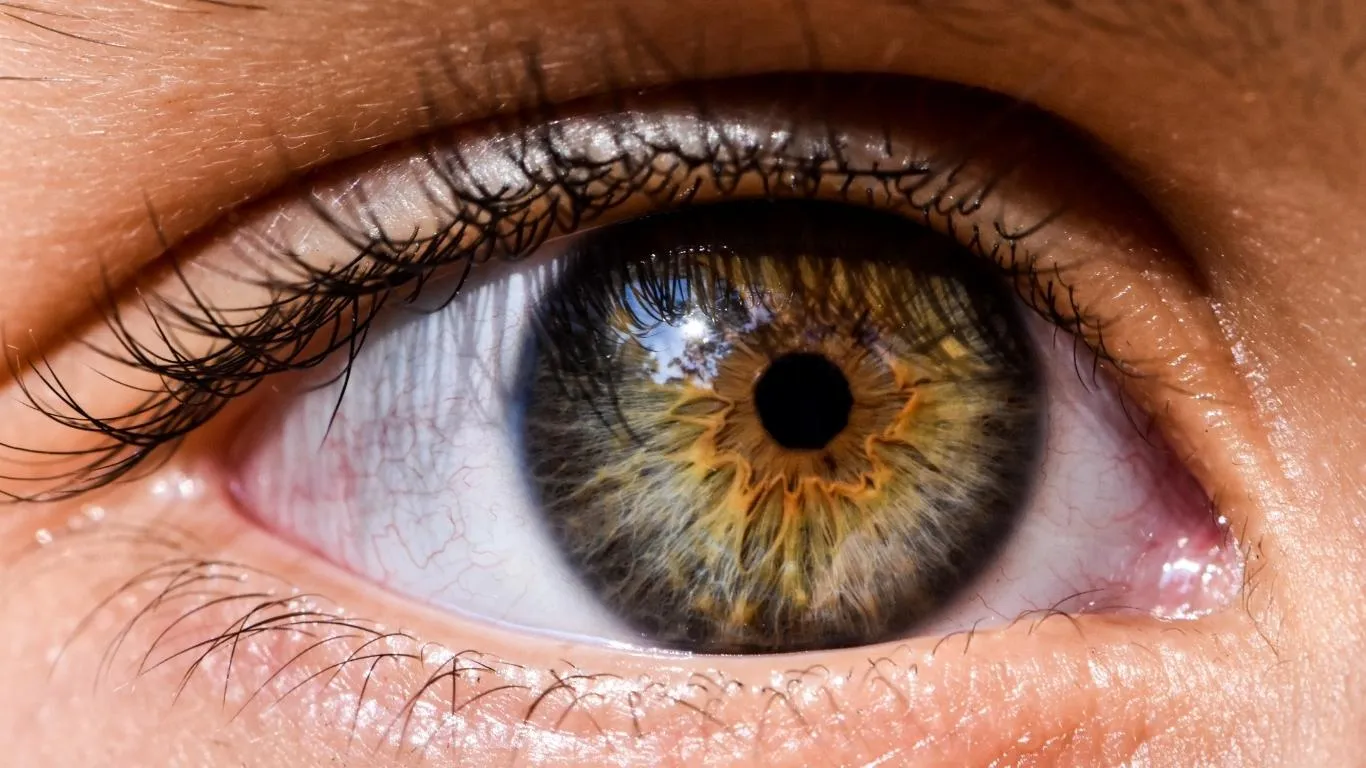
Let’s be clear: if you have floaters due to a serious condition like diabetes or high blood pressure, hydration won’t be a magic cure. But it still plays a role. Chronic dehydration can lead to complications in already sensitive eyes. If you’re dealing with metabolic or systemic issues, it’s worth reading about how diabetes affects eye floaters too.
That’s why doctors often stress keeping hydrated not just for your skin or digestion—but your eyes too. And the older we get, the more it matters. Floaters are more common with age, as explained in the main article on eye floater causes and treatments.
Should You See a Doctor About Floaters?
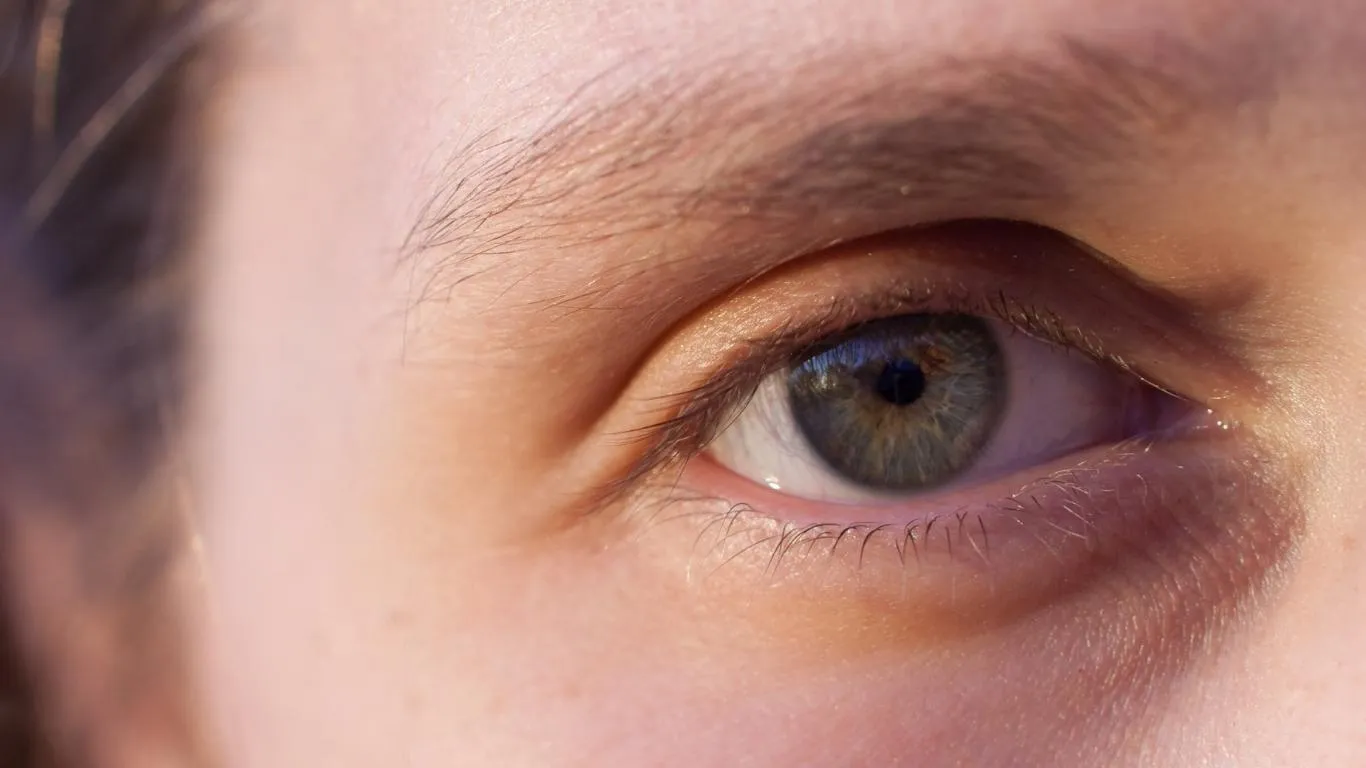
Hydration is part of the picture, but it’s not the whole story. Sudden increases in floaters, especially if paired with flashes of light or vision loss, could signal something more serious like a retinal tear. These are red flags, and you should definitely get them checked out.
If you’re unsure, this resource breaks it down well: when floaters are dangerous.
In general though, for most of us just dealing with annoying but harmless floaters, simple hydration could be one of the easiest daily changes we can make to manage them. And it’s low-risk, affordable, and good for the rest of your body too.
For a deeper dive into other possible causes and fixes, the full eye floater treatment guide offers solid options beyond just lifestyle tweaks.
How Lifestyle Habits and Diet Influence Eye Floaters
After getting serious about hydration, I started noticing a pattern—certain lifestyle habits also played a role in how much those pesky floaters showed up. It wasn’t just about how much water I drank, but also when and what I ate, how long I stared at screens, and even how well I slept. The connection between floaters and daily routines is stronger than most people think.
Small Habits That Make a Big Difference
- Eating antioxidant-rich foods like spinach, oranges, and blueberries
- Practicing the 20-20-20 rule to reduce digital eye strain
- Getting 7–8 hours of sleep to help eyes reset
- Avoiding harsh lighting or overly bright environments
For anyone wondering whether specific supplements can help—yes, some people (myself included) have had positive results. Especially those containing lutein, zeaxanthin, and omega-3s. They support overall eye health and could reduce oxidative stress that may worsen floaters over time. There’s also research pointing toward Nutritional Eye Health showing promise for improving vitreous quality.
If you’re dealing with floaters post-surgery or after eye trauma, additional support might be needed. Check out this guide on floaters after surgery or trauma for more insight into what recovery looks like.
Does Drinking Water Actually Reduce Floaters?
Let’s be real—there’s no magic number of glasses that will “clear up” your floaters overnight. But staying well-hydrated consistently helps maintain the natural structure of your vitreous. That’s important because the clearer and more uniform the gel in your eye is, the less likely those clumps (that cause floaters) will be prominent or annoying.
One interesting thing I noticed: on days I drank around 2.5 to 3 liters of water spaced throughout the day, my floaters were far less noticeable. It’s not a cure, but it feels like giving your eyes the environment they need to function without added strain or dryness. This is especially true if you’ve ever had that “sudden increase in floaters” experience that follows a day of sweating a lot or skipping meals—classic signs of fluid loss.
There’s also a subtle link between hydration and systemic inflammation. According to American Academy of Ophthalmology, inflammation in the eye—whether from autoimmune conditions or injury—can worsen floaters. Drinking enough water helps flush out toxins and support a healthy inflammatory balance.
When Hydration Alone Isn’t Enough
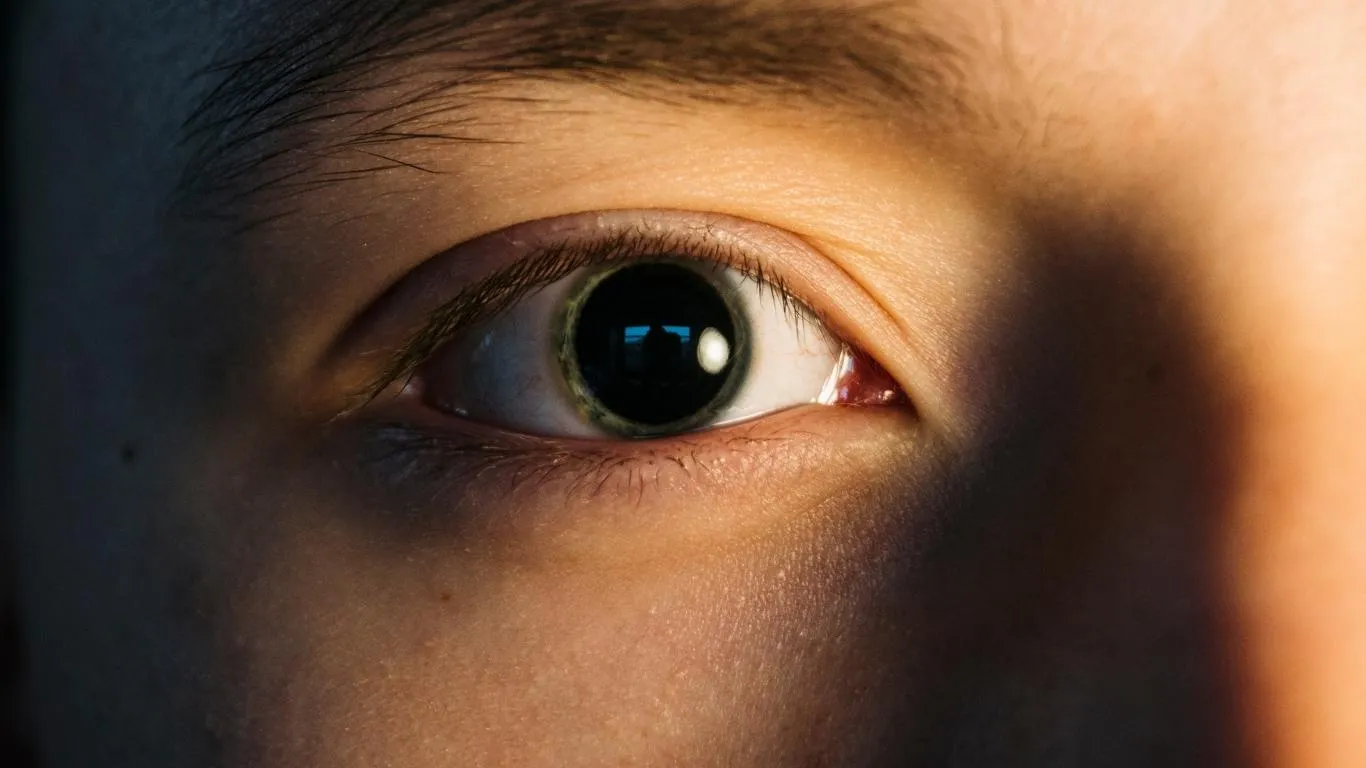
If you’re someone who’s staying hydrated, eating right, and still seeing tons of floaters—don’t panic, but don’t ignore it either. Floaters can be persistent and sometimes tied to posterior vitreous detachment or more serious changes in the retina. In these cases, hydration won’t make a big impact—you need a medical evaluation.
I’ve had friends who thought their floaters were no big deal until they started noticing peripheral vision issues or flashes of light. If that’s you, go see a retina specialist. Early detection really is key with anything eye-related.
Realistic Expectations: What Hydration Can and Can’t Do
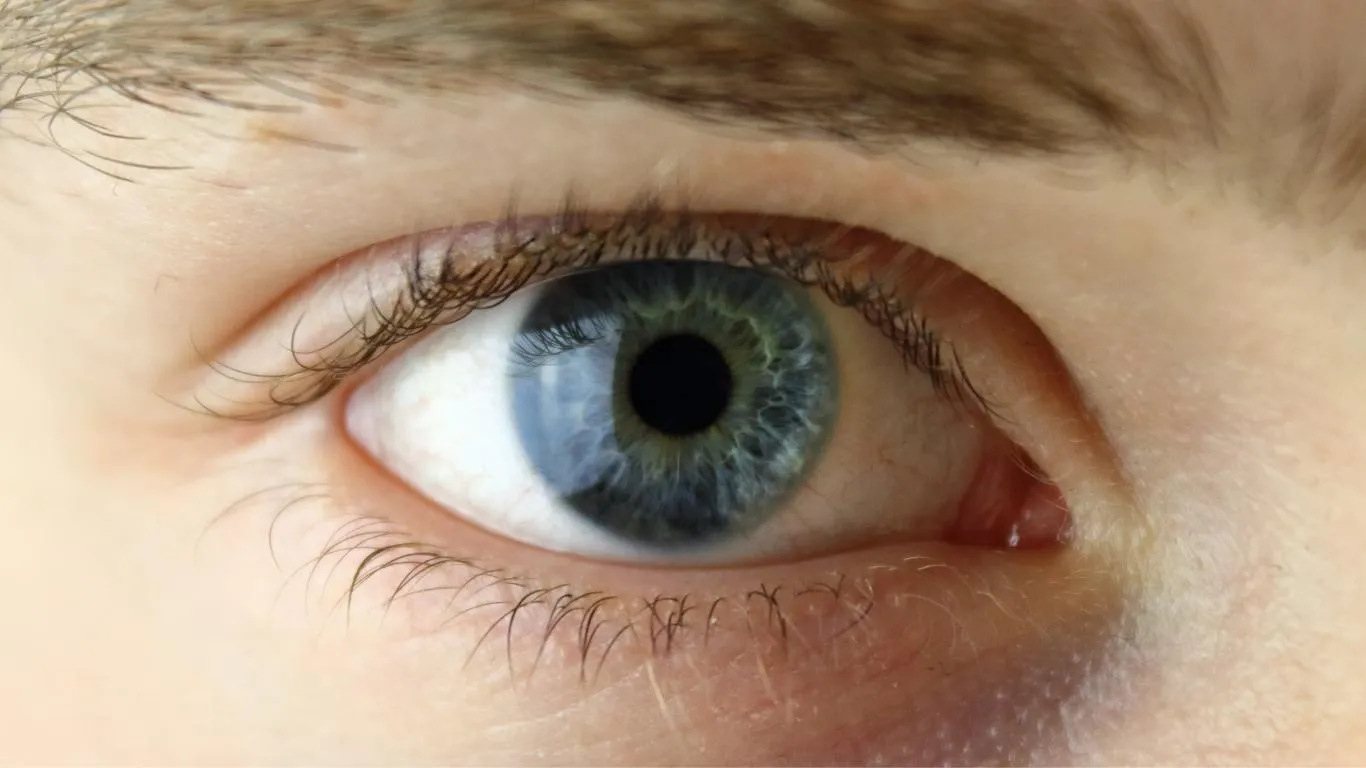
So, let’s answer the question head-on—does hydration improve floaters visibility? Based on everything I’ve read, observed, and tried: yes, to a degree. It’s not going to make them disappear entirely, but it absolutely helps make them less visible and less intrusive for many people. Especially those dealing with dry environments, excessive screen time, or mild dehydration.
But if you’re hoping hydration will remove floaters entirely, that’s where realistic expectations come in. Floaters formed from degenerative vitreous changes, post-surgical scarring, or chronic inflammation will likely need more intensive treatment. If you’re at that stage, this comprehensive look at available treatment options breaks down everything from laser therapy to vitrectomy.
Keep Exploring: More on Causes and Natural Remedies
If you’re like me and want to tackle floaters from all angles, it helps to explore potential root causes—things like stress, eye strain, or even past head injuries. There’s an excellent read on how head trauma links to floaters and another on how stress plays a surprising role.
You can also explore the full eye floaters guide here for everything you could possibly want to know—from causes and symptoms to natural treatments and lifestyle hacks that really help over time.

Camellia Wulansari is a dedicated Medical Assistant at a local clinic and a passionate health writer at Healthusias.com. With years of hands-on experience in patient care and a deep interest in preventive medicine, she bridges the gap between clinical knowledge and accessible health information. Camellia specializes in writing about digestive health, chronic conditions like GERD and hypertension, respiratory issues, and autoimmune diseases, aiming to empower readers with practical, easy-to-understand insights. When she’s not assisting patients or writing, you’ll find her enjoying quiet mornings with coffee and a medical journal in hand—or jamming to her favorite metal band, Lamb of God.