Proven Strategies to Handle Performance Anxiety and Boost Your Confidence
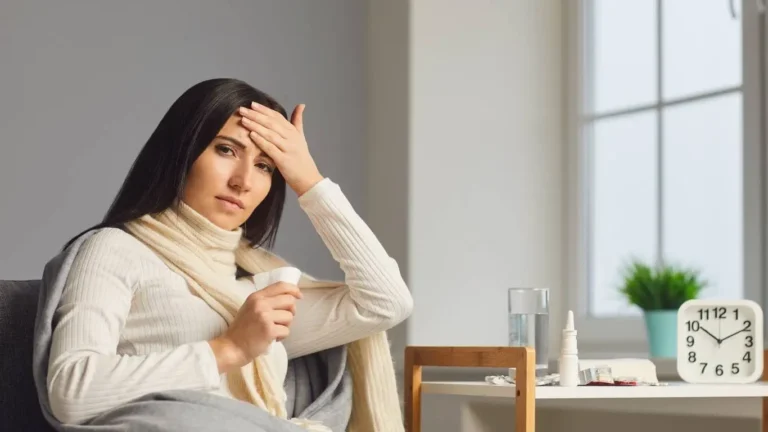
Performance anxiety isn’t just something that happens to actors or musicians on stage. It sneaks up on people in meetings, during presentations, even when you’re just speaking up in a group discussion. I’ve personally felt that intense, heart-racing panic right before presenting to my own team—people I talk to daily! It’s frustrating when your mind goes blank, and your palms sweat as if you’re facing a crowd of thousands. So, if you’ve been wondering about realistic strategies to handle performance anxiety, you’re definitely not alone.
Understanding Why Performance Anxiety Hits So Hard

It’s Not Just in Your Head — It’s in Your Body Too
That sudden rush of adrenaline, the shaky voice, the pounding heart — it’s your body’s **fight-or-flight** response firing up, even though you’re not in real danger. I used to think I could just “mentally power through” it, but performance anxiety has a way of hijacking your nervous system. Understanding this physical component is the first step to taming it.
- Adrenaline Surge: Your body’s instant reaction to perceived threats, making you hyper-alert but also jittery.
- Muscle Tension: I’ve often noticed my shoulders tighten up, almost as if bracing for impact.
- Rapid Breathing: A sneaky one that creeps in, making you feel like you can’t catch your breath.
The Mental Loop That Traps You
Overthinking is a big culprit here. You start imagining every possible thing that could go wrong. It becomes a vicious cycle — worry about messing up, feel anxious, and then worry because you’re anxious. Articles like this one have helped me see that reframing these thoughts is half the battle.
Real-Life Strategies to Handle Performance Anxiety That Actually Work

1. Controlled Breathing Exercises
One of the most effective methods I’ve used is simple but powerful — slow, controlled breathing. Try the 4-7-8 technique: inhale for 4 seconds, hold for 7, and exhale for 8. It sounds basic, but it calms your nervous system quickly. You can read more actionable techniques in our detailed guide on breathing exercises for anxiety relief.
2. Progressive Muscle Relaxation (PMR)
PMR is a life-saver when it comes to easing that physical tension. I’ve made it a pre-meeting ritual. You deliberately tense and relax muscle groups, working from your toes up to your shoulders. The full guide on progressive muscle relaxation breaks it down step-by-step.
3. Mental Rehearsal & Visualization
This one might sound cliché, but picturing yourself succeeding actually rewires your brain. I used to imagine the worst-case scenarios, but shifting to visualizing success changed everything. It aligns with the concept in Cognitive Behavioral Therapy (CBT), which is proven to reshape anxious thought patterns.
What You Eat (and Don’t Eat) Can Influence Performance Anxiety

Stay Away from Stimulants Before Performances
Here’s a mistake I’ve made more times than I’d like to admit — downing coffee before a big presentation. Caffeine can amplify the jittery feelings that come with anxiety. If you’re prone to performance anxiety, it’s worth exploring how caffeine might be making your anxiety worse.
Opt for Calming Nutrients
Foods rich in magnesium and Omega-3s have shown calming effects on the nervous system. I started incorporating more magnesium-rich foods after reading this helpful guide. Also, Omega-3 supplements are a simple addition with substantial benefits, as discussed in Omega-3 and anxiety relief research.
The Role of Lifestyle Tweaks in Managing Performance Anxiety Long-Term

Consistency Beats Perfection
I used to think I needed to “fix” my anxiety once and for all. But, truth be told, anxiety management is an ongoing process. Establishing daily routines like journaling, brief meditation, and realistic to-do lists have been key for me. Resources like journaling for anxiety relief explain how small daily habits create long-term resilience.
Psychotherapy Can Be a Game-Changer
Sometimes, despite all the DIY strategies, professional help is needed. Cognitive Behavioral Therapy (CBT) and Acceptance and Commitment Therapy (ACT) are evidence-backed methods for managing anxiety disorders effectively. You can explore therapy options in this comprehensive guide on psychotherapy counseling for anxiety.
Performance Anxiety’s Quiet Impact on Your Daily Life

Performance anxiety doesn’t just hit during obvious high-stakes situations. It quietly infiltrates day-to-day activities — like speaking up in a meeting or leading a team call. The article on how anxiety disrupts daily routines really resonated with me. It’s a reminder that managing performance anxiety is not about eliminating it, but learning to navigate through it smoothly.
For a deeper understanding of how various anxiety disorders silently shape your life, the comprehensive overview at types of anxiety disorders is a must-read. Additionally, this pillar article explains the subtle ways anxiety disorders take control far beyond performances.
Advanced Strategies to Handle Performance Anxiety Like a Pro

Exposure Therapy — The Confidence Rebuilder
One strategy that pushed me out of the anxiety loop was gradually exposing myself to anxiety-triggering situations. It’s called exposure therapy, and it works wonders. You don’t dive into the deep end right away. Start small — maybe practicing your presentation to a close friend — and build up from there. Here’s a deeper dive into how exposure therapy rebuilds confidence without overwhelming you.
Mindfulness Techniques That Actually Fit Busy Schedules
Let’s be real — most of us don’t have an hour to meditate daily. But mindfulness doesn’t require a cushion and incense. I’ve found mindful breathing during my morning coffee to be just as grounding. The key is consistency. Practical mindfulness practices like those found in this guide can be squeezed into any routine, no excuses.
Using Physical Movement to Burn Off Performance Anxiety
Light Exercise Before a Performance
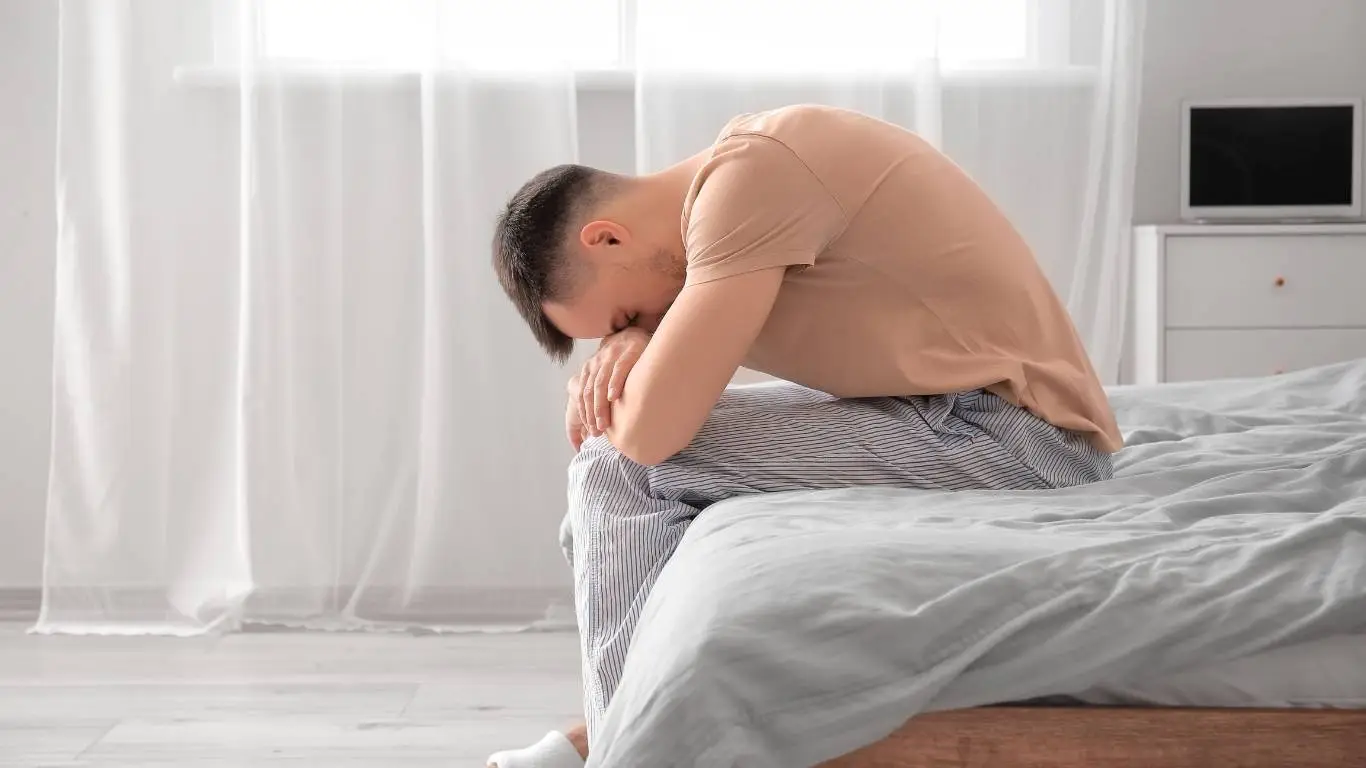
I used to pace around nervously before meetings. Then I realized — structured light exercise could channel that nervous energy. A quick walk, some dynamic stretching, or even 5-minute yoga flows work like a charm. You’ll be amazed how much gentle yoga can ease those pre-performance jitters.
Breathwork + Movement Combo
Combining movement with breathing techniques amplifies the calming effect. This isn’t about intense workouts but mindful movement synced with deep breaths. It’s like hitting the reset button on your nervous system. You can explore simple routines from this breathwork guide.
Mindset Shifts That Quietly Reduce Performance Anxiety
Reframing “Nerves” as “Excitement”
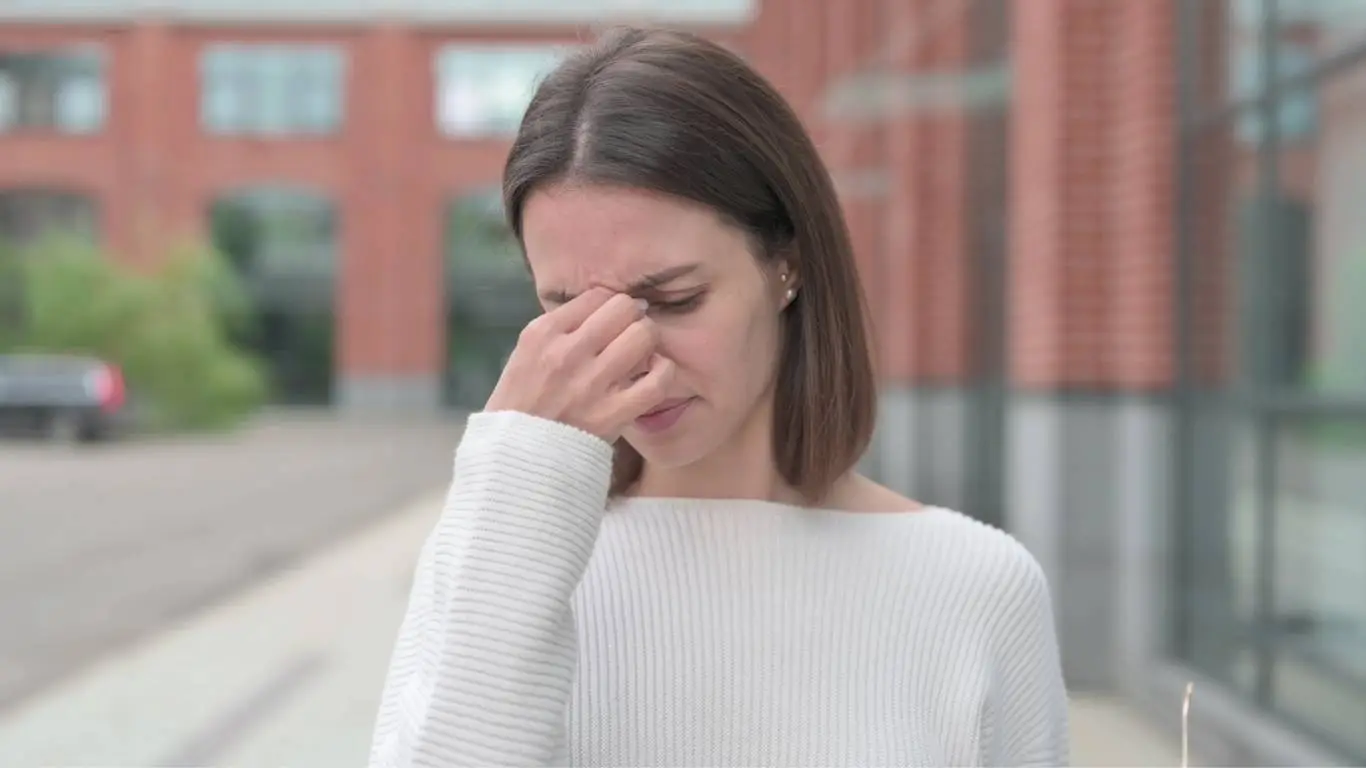
One of the simplest, yet most powerful tricks I’ve learned is changing how I label my physical symptoms. The racing heart? It’s excitement. The shaky hands? Anticipation. This subtle mental reframe is grounded in cognitive psychology and helps reduce the sense of threat.
Let Go of Perfectionism
Trying to be flawless is a recipe for anxiety. I’ve learned to aim for connection over perfection. An engaging presentation with minor stumbles will always outshine a sterile, memorized script. You can explore more about breaking the anxiety-perfectionism loop in this insightful article on how perfectionism fuels anxiety.
Natural Supplements and Alternative Approaches That Help Calm Nerves

Herbal Remedies with Real Backing
Herbal teas like chamomile and lemon balm have been my go-to pre-presentation. They’re subtle but effective. For those curious, here’s a well-researched look at herbal remedies that truly help.
Magnesium & Omega-3s — Underrated Game-Changers
I’ve personally experienced how magnesium calms frazzled nerves. Combined with Omega-3 fatty acids, these nutrients help regulate mood and reduce the intensity of anxiety symptoms. You can read more about their benefits here and here.
Why Self-Assessment Can Be the Wake-Up Call You Need
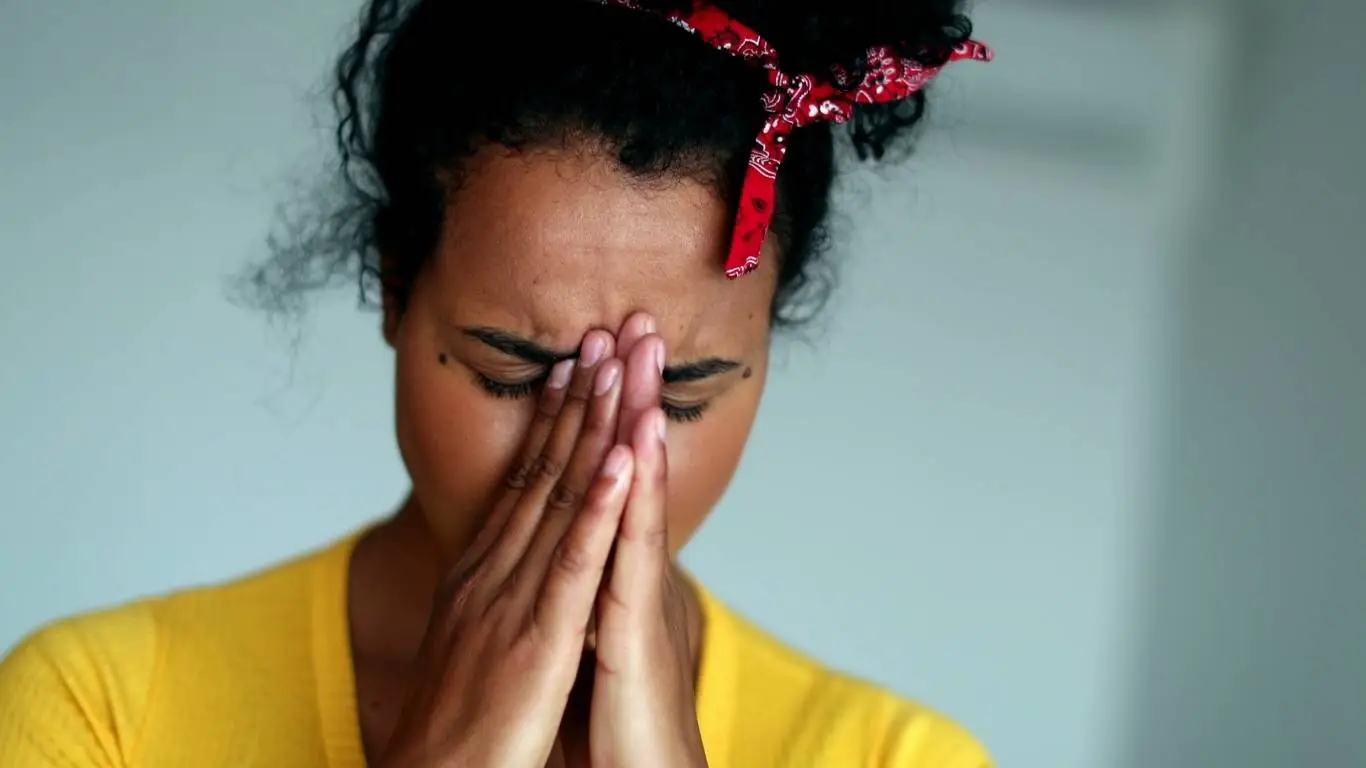
Sometimes we downplay how much performance anxiety is affecting us. Self-assessment tools like the GAD-7 questionnaire or Beck Anxiety Inventory can offer eye-opening insights. It was a game-changer for me to realize my symptoms weren’t “just nerves.” You can find an easy-to-understand guide on self-assessments here.
When to Seek Professional Help for Performance Anxiety
Performance anxiety becomes a problem when it starts limiting your personal or professional life. Therapy isn’t a last resort—it’s a powerful ally. Options like CBT, ACT, or even EMDR have transformed anxiety management for many, including myself. For a broader perspective on therapeutic approaches, this article on therapy for anxiety is an excellent resource.
And if you’ve ever wondered why anxiety disorders can take over parts of your life you didn’t expect, this pillar piece on hidden causes of anxiety disorders uncovers the underlying factors many overlook. Also, the in-depth breakdown at why anxiety disorders control daily life is a must-read for anyone dealing with performance-related anxiety.

Camellia Wulansari is a dedicated Medical Assistant at a local clinic and a passionate health writer at Healthusias.com. With years of hands-on experience in patient care and a deep interest in preventive medicine, she bridges the gap between clinical knowledge and accessible health information. Camellia specializes in writing about digestive health, chronic conditions like GERD and hypertension, respiratory issues, and autoimmune diseases, aiming to empower readers with practical, easy-to-understand insights. When she’s not assisting patients or writing, you’ll find her enjoying quiet mornings with coffee and a medical journal in hand—or jamming to her favorite metal band, Lamb of God.