Sudden Burst of Floaters Could Signal Serious Eye Issues
If you’ve ever been sitting at your desk, sipping coffee, and suddenly—boom—a bunch of tiny shadows or squiggly threads dart across your vision, you’re not alone. That sudden burst of floaters can be pretty alarming. I remember my first time experiencing it after a long hike in bright sunlight. At first, I thought it was a trick of the light, but when they stuck around, I knew something wasn’t quite right. Floaters themselves aren’t new to most people, but a sudden cluster appearing all at once? That’s worth paying attention to.
What Causes a Sudden Burst of Eye Floaters?
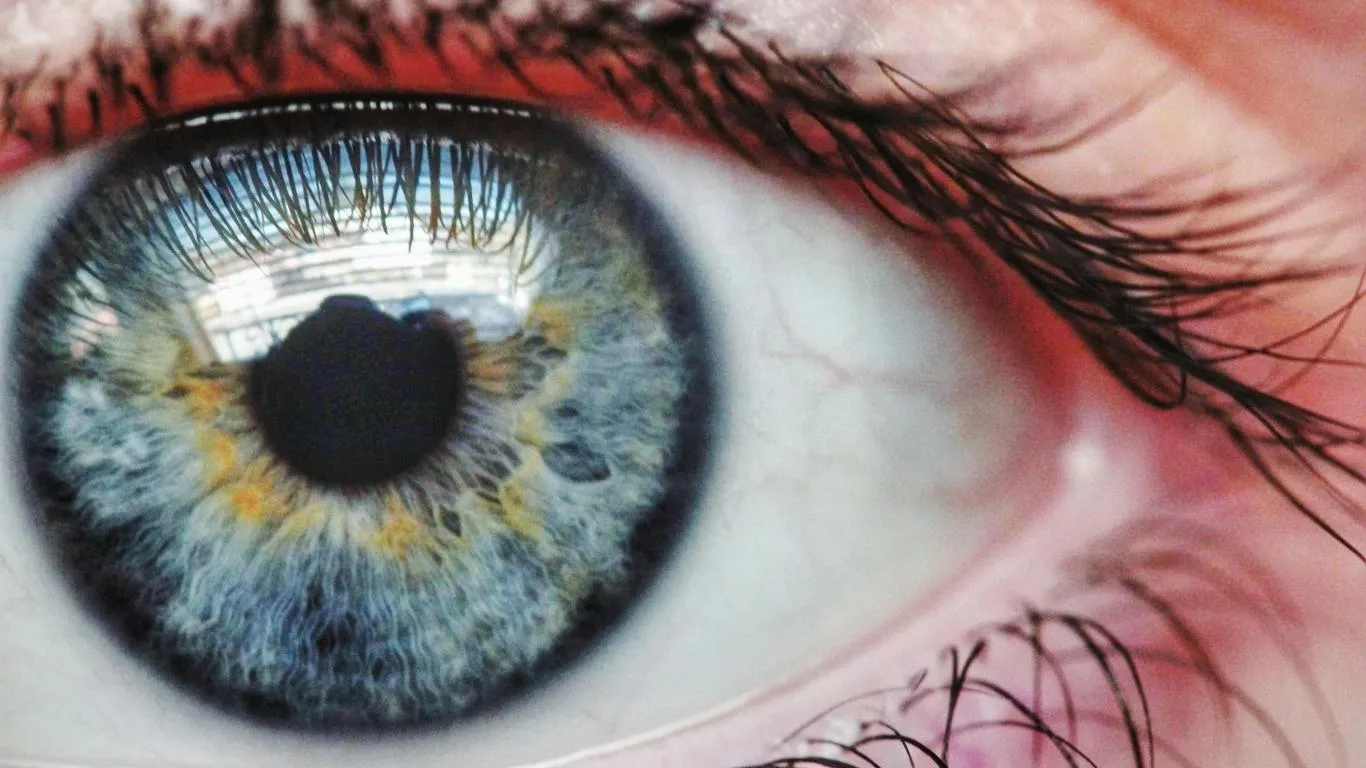
Floaters usually drift into your field of vision when small clumps of the gel-like vitreous in your eye cast shadows on your retina. Most of the time, they’re harmless. But when they show up suddenly and in large numbers, it could signal something more serious.
1. Posterior Vitreous Detachment (PVD)
This is by far the most common cause of a sudden burst of floaters. It happens when the vitreous gel begins to shrink and pull away from the retina—typically a part of the aging process. I had an ophthalmologist tell me that this usually hits people in their 50s or 60s, but it can occur earlier if you’re nearsighted or have had eye trauma. It’s usually harmless, but in some cases, it can lead to retinal tears or detachment.
If you’re curious, check out this deep dive on posterior vitreous detachment for more context.
2. Retinal Tear or Detachment
Here’s where things get serious. A sudden shower of floaters—especially if it’s accompanied by flashes of light or a curtain-like shadow—could mean the retina has torn or started to detach. This is a medical emergency. Delaying treatment could lead to permanent vision loss.
Even blunt trauma to the eye from a car accident or fall might lead to a tear. Eye trauma floaters aren’t something to shrug off.
3. Eye Inflammation (Uveitis)
Eye inflammation, particularly in the uvea (middle layer of the eye), can cause floaters to suddenly appear. This condition, known as uveitis, may be triggered by autoimmune disorders, infections, or even unknown causes. It’s not just discomfort—uveitis can seriously threaten your vision if left untreated.
More on this here: how uveitis affects floaters.
4. Diabetic Retinopathy
If you’re diabetic and experiencing a burst of floaters, don’t ignore it. Diabetes can damage the blood vessels in your retina, causing them to leak or bleed into the vitreous. Those sudden floaters might actually be blood cells floating in your eye.
You can learn more about this risk in this article on diabetic floaters.
5. Eye Surgery or Trauma
Recent eye surgeries like LASIK or cataract removal can also lead to a sudden spike in floaters. Even seemingly minor trauma—say, rubbing your eyes too hard or getting poked—might be enough to jostle the vitreous.
Curious how that works? Here’s a useful post that breaks it down.
Less Common but Noteworthy Causes
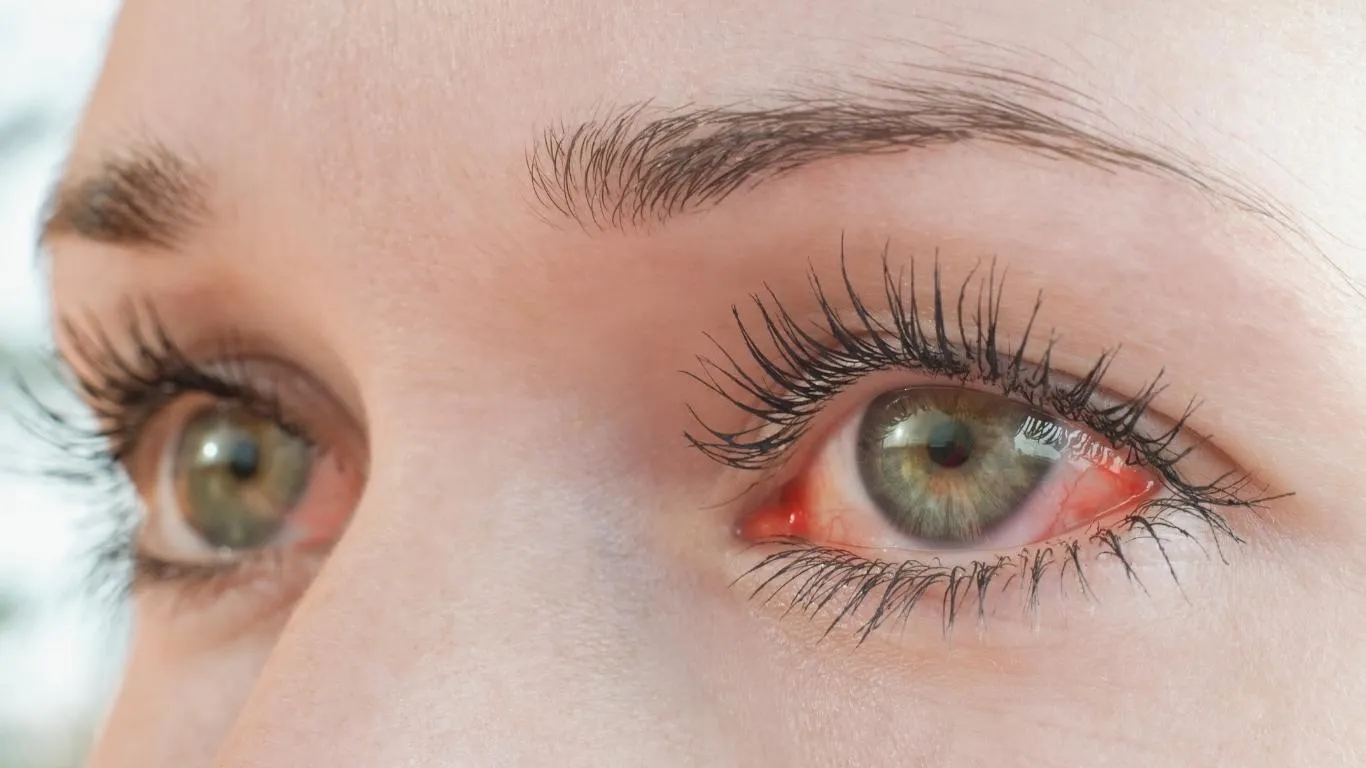
Autoimmune Diseases
Diseases like lupus, rheumatoid arthritis, and multiple sclerosis can lead to inflammatory changes in the eye. That inflammation can be enough to cause sudden floaters. I’ve heard from a friend with lupus who experienced this exact symptom before a flare-up.
Dig deeper into autoimmune-linked floaters here.
High Blood Pressure
Yep, hypertension can mess with your eyes too. Extremely high blood pressure may damage blood vessels in the retina, causing bleeding and floaters. It’s rare, but not impossible—especially if your blood pressure has been uncontrolled for a while.
This piece on blood pressure and floaters is a worthwhile read.
Infections and Inflammation
Bacterial or viral eye infections can inflame the vitreous and cause floaters to appear. I’ve had a bout of viral conjunctivitis once, and while it didn’t cause floaters for me, others aren’t always so lucky. Especially if you’re dealing with viral eye infections or something deeper in the eye like endophthalmitis.
When to See a Doctor

- You suddenly see dozens of floaters or a “shower” of them
- Floaters are accompanied by flashes of light
- There’s a dark curtain-like shadow moving across your vision
- You recently experienced eye trauma or had eye surgery
It’s one thing to notice a few specks here and there—especially as we age—but a sudden cluster is a red flag. Your best bet? Book an appointment with an ophthalmologist right away.
Where to Learn More
If you’re interested in the full picture of floaters—what they are, how they form, and treatment options—check out this foundational article on eye floaters.
You can also get an in-depth understanding of their root causes from this comprehensive guide.
Could Stress, Dehydration, or Lifestyle Be Contributing?
This might surprise you, but stress and dehydration may actually contribute to eye floaters appearing more frequently—or more noticeably. I had a really rough week last year: tons of screen time, barely any water, and barely any sleep. By Friday, boom—new floaters. Could’ve been coincidence, but when I started hydrating better and dialing back the screens, they eased up a bit.
While floaters caused by these factors don’t always lead to serious issues, they can make underlying floaters more prominent. Curious about this connection? This article digs deeper: does dehydration worsen floaters.
Also worth checking out: how stress plays a role in floaters.
Screen Time and Eye Strain
Spending hours locked onto screens can lead to digital eye strain, which won’t directly cause floaters, but it sure can amplify how visible they feel. Especially against bright, white backgrounds. If you’re noticing floaters while working or scrolling, give your eyes regular breaks and tweak screen brightness.
There’s a really helpful write-up here on how screen time affects floaters.
Other Unusual but Real Triggers
Altitude and Bright Light Exposure
Believe it or not, some people report a sudden increase in floaters after air travel or hiking in high-altitude environments. The shift in pressure and oxygen levels may not directly cause floaters but could temporarily intensify them. Same goes for exposure to bright sunlight without proper eye protection.
Explore more: altitude and floaters or bright light and floaters.
Eye Rubbing and Allergy Meds
I used to rub my eyes constantly during allergy season—until my optometrist warned me that aggressive rubbing can stir up floaters by shifting the vitreous. And if you’re taking allergy meds like antihistamines, there’s a slim chance they may affect the eye’s fluid balance.
These are worth a look: eye rubbing and floaters or medications making floaters worse.
Can Hormones Be a Factor?
For women, hormonal shifts—especially during menopause or pregnancy—can change the consistency of the vitreous gel, potentially triggering new floaters. A close friend of mine actually saw her first floaters during her third trimester, and her OB said it’s more common than you’d think.
If this sounds familiar, these might be helpful: floaters during pregnancy or menopause-related floaters.
How to Tell If It’s Urgent or Just Annoying
- Pattern change: If floaters appear suddenly in clusters or worsen quickly
- Accompanied by flashes: This could indicate retinal involvement
- Dark curtain effect: May signal retinal detachment
- Vision loss: Even slight dimming is cause for concern
If you’re noticing these red flags, don’t wait. Get checked. It’s far better to have a “false alarm” than miss something serious like a retinal tear.
What Can You Actually Do About Them?
Observation and Reassurance
Most floaters fade or settle below your central line of vision. If they’re not severe or connected to something more serious, you might just need time and patience. A doctor might simply monitor things over the coming months.
Laser Vitreolysis
For persistent, disruptive floaters, laser vitreolysis is a minimally invasive treatment that breaks them apart. Not everyone is a candidate, though—and results vary.
Vitrectomy
This is the last-resort option where the vitreous gel is removed and replaced. It’s effective but comes with serious risks like infection or retinal detachment. Make sure to talk through all options with a qualified retinal specialist.
More treatment options are broken down in this article: eye floater treatments.
Build a Healthier Eye Routine
- Stay hydrated—seriously, drink more water
- Limit screen time and practice the 20-20-20 rule
- Wear sunglasses to reduce UV exposure
- Manage chronic conditions like diabetes or hypertension
- Eat a nutrient-rich diet, especially foods high in lutein and omega-3
And if you’re looking for natural tips that aren’t just fluff, this guide lays it out well: natural ways to manage floaters.
Understanding the Bigger Picture
Sometimes floaters are just floaters. Other times, they’re messengers—warning you that something deeper is happening inside your eye. The sudden burst of floaters isn’t something to panic over, but it’s definitely something to respect.
If this is the first time you’ve looked into the topic, don’t stop here. This main article on eye floaters gives a solid foundation. And if you want a focused look at what causes floaters in the first place—from aging to trauma—bookmark this comprehensive causes guide.
Your eyes are worth the attention. Floaters may be annoying, sure—but they’re also one of the few symptoms we can actually see… that could be trying to show us something more.

Camellia Wulansari is a dedicated Medical Assistant at a local clinic and a passionate health writer at Healthusias.com. With years of hands-on experience in patient care and a deep interest in preventive medicine, she bridges the gap between clinical knowledge and accessible health information. Camellia specializes in writing about digestive health, chronic conditions like GERD and hypertension, respiratory issues, and autoimmune diseases, aiming to empower readers with practical, easy-to-understand insights. When she’s not assisting patients or writing, you’ll find her enjoying quiet mornings with coffee and a medical journal in hand—or jamming to her favorite metal band, Lamb of God.