Sudden Increase In Floaters After Exercise Might Signal Eye Trouble
Ever noticed those tiny squiggly lines or shadowy spots drifting across your vision after a good workout? You’re not alone. A few months ago, after a long trail run under the afternoon sun, I suddenly saw what looked like faint cobwebs floating in my peripheral vision. I blinked, rubbed my eyes, even splashed water on my face, but they didn’t go away. It got me curious — and a little concerned. Turns out, there’s more to a sudden increase in floaters after exercise than you might think.
What Are Eye Floaters and Why Do They Appear?
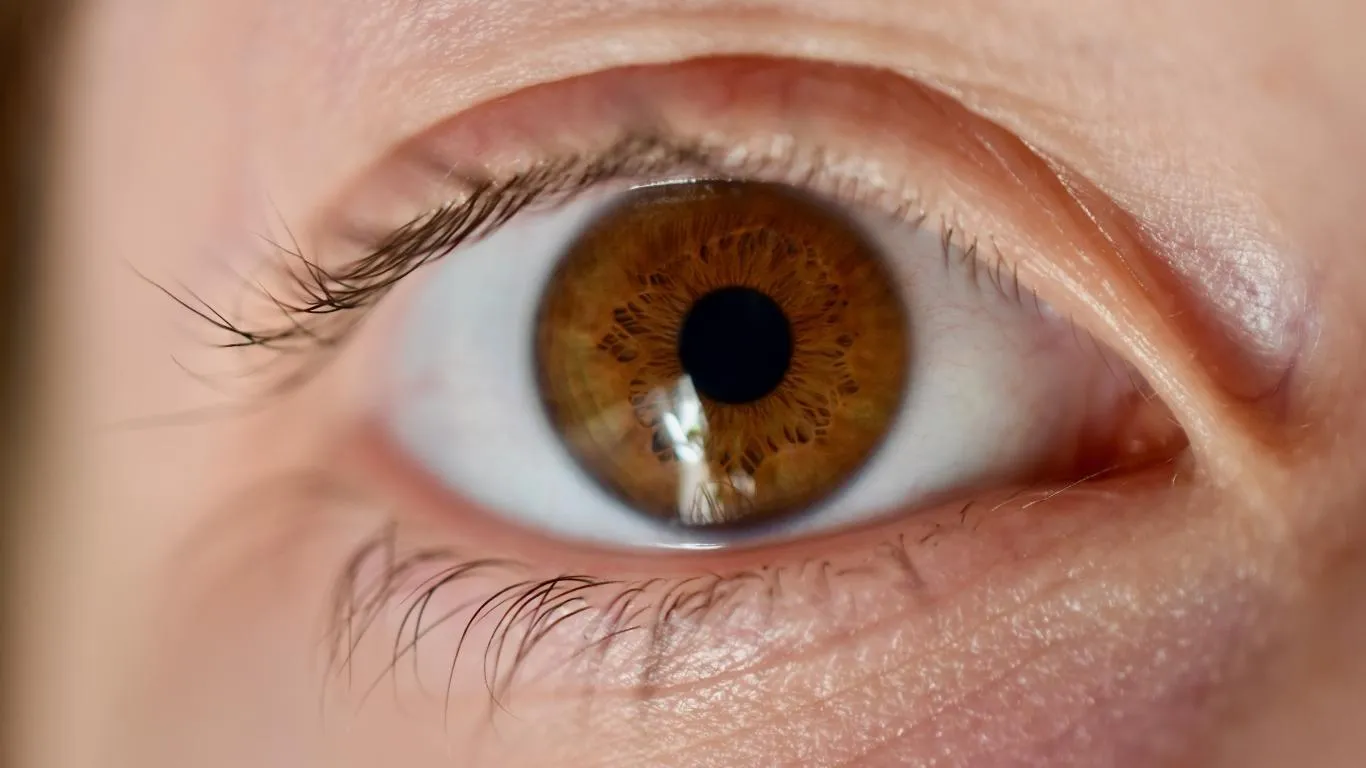
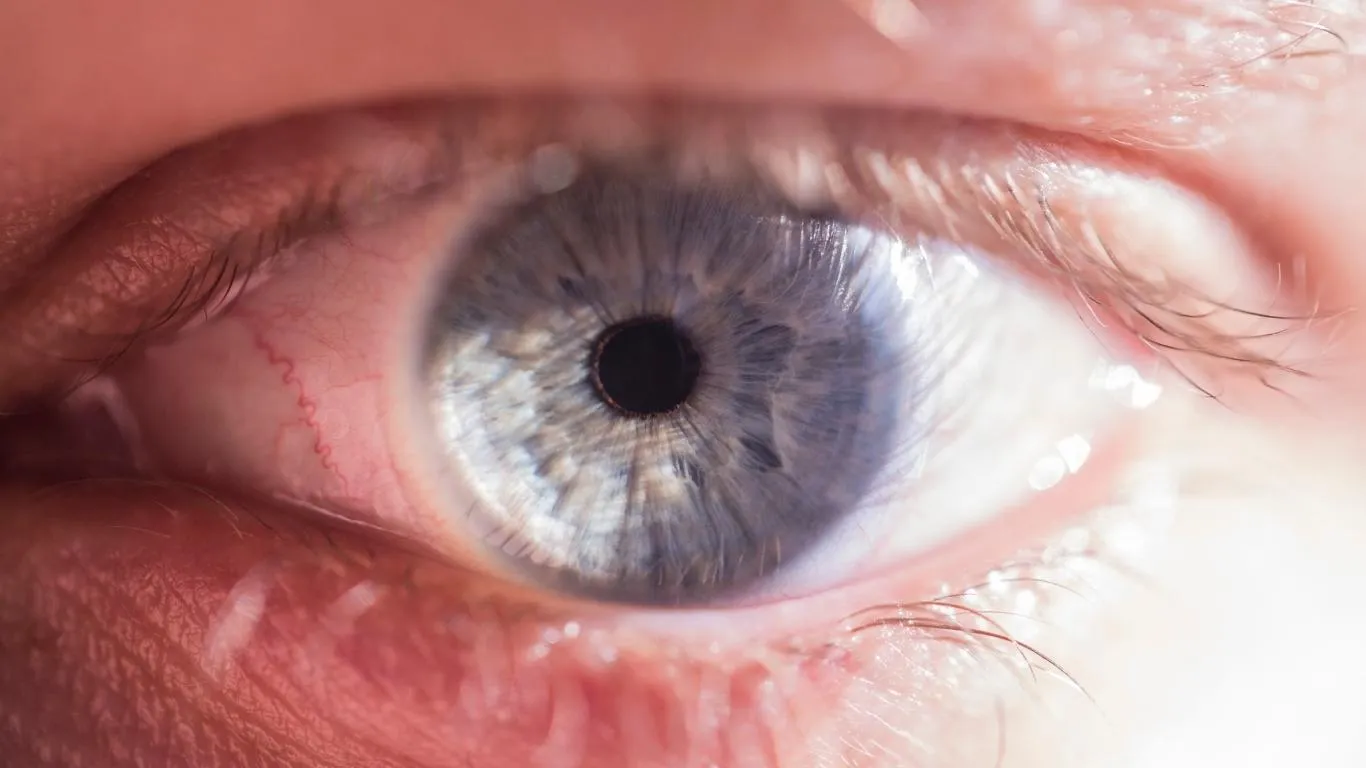
Eye floaters are tiny clumps or strands of collagen that form in the vitreous — the clear gel-like substance inside your eyeball. As we age or put certain kinds of stress on our eyes, this gel can shrink and become stringy, causing shadows to fall on the retina. These shadows are what you see as floaters.
Normally, floaters are harmless and come and go. But if they show up suddenly, especially right after a workout, there could be more going on than meets the eye (pun intended).
Why Do Floaters Suddenly Increase After Exercise?
One of the most common questions I hear from people who are active is: “Why do I suddenly see floaters after cardio or lifting weights?” The answer isn’t one-size-fits-all, but here are some of the most likely culprits:
1. Temporary Changes in Intraocular Pressure
During intense exercise, your body’s blood pressure fluctuates. These changes can affect intraocular pressure (IOP) — the pressure inside your eye — which might temporarily stir the vitreous gel or cause it to tug slightly at the retina.
That mechanical tugging? It can stir up floaters that were previously unnoticeable or, worse, trigger new ones.
2. Dehydration and Electrolyte Loss
Let’s be honest — how many of us forget to drink enough water while working out? Dehydration affects every part of your body, including your eyes. When the vitreous loses hydration, it becomes more prone to clumping or pulling away from the retina.
For a deeper dive into this, this article explains how dehydration worsens floaters especially during hot weather or long endurance workouts.
3. Sudden Head Movements or High-Impact Activity
Activities like HIIT, CrossFit, or trail running involve quick, repetitive jolts. That shaking motion might agitate the vitreous or even accelerate conditions like posterior vitreous detachment (PVD).
I remember the first time I did burpee sets after a long hiatus, and the next day — bam, new floaters. Coincidence? I don’t think so.
Should You Be Worried About Sudden Floaters Post-Workout?
The big question is whether your floaters are just annoying or a sign of something more serious. A few red flags to watch for include:
- Flashes of light — like little sparks in your vision
- Sudden shower of floaters
- Dark curtain or shadow over part of your visual field
- Accompanying eye discharge or pain
If you notice any of these, especially after a workout, don’t wait it out. It could be an early sign of a retinal tear or detachment — both of which are vision-threatening emergencies. You’ll want to get checked by an eye doctor, stat.
What About Eye Conditions That Flare Up with Exercise?
If you’ve got underlying conditions, certain ones might get triggered by strenuous activity. For example:
- Uveitis flare-ups — Especially when inflammation is already lurking beneath the surface. Here’s how uveitis ties into floaters.
- Systemic conditions like lupus or MS — Exercise might provoke an immune or inflammatory response that stirs up the vitreous. See autoimmune-related floater issues here.
While floaters may seem minor, they can sometimes be the canary in the coal mine for something deeper — especially after exertion.
When to See an Eye Specialist (And What They’ll Likely Do)
If floaters show up out of the blue, especially after exercise, it’s a good idea to get an eye exam. What your ophthalmologist may do includes:
- Dilated eye exam to check for retinal tears or detachment
- Ultrasound imaging if the retina can’t be fully visualized
- Vitreous analysis if infection or inflammation is suspected
If they find something serious, treatment can range from laser procedures to surgery. But often, they’ll simply monitor it — because yes, sometimes these floaters fade on their own. But don’t just assume that’s the case.
To understand more about treatment options if floaters persist, this eye floater treatment guide covers the full range from wait-and-watch to vitrectomy.
Also, check out the full causes of eye floaters article here to see where your situation might fit in. For a broader perspective, the main article on what eye floaters are is another must-read.
Is It Okay to Keep Exercising with Eye Floaters?
Here’s the truth — seeing floaters during or after a workout doesn’t automatically mean you need to stop exercising. I didn’t quit running when I noticed mine, but I did tweak how I approached training. The key is knowing when your eyes are just adjusting and when they’re trying to warn you.
If your floaters remain unchanged and there are no flashing lights or vision loss, it’s usually safe to keep moving — maybe a bit more gently for a few days. But if they’re worsening or you’ve had eye trauma in the past, it’s worth dialing it back until you get an exam. More detail on that here: sports-related floater risks.
Safe Movement Tips If You’re Seeing Floaters
- Stay hydrated — not just water, but electrolytes too
- Avoid exercises with rapid head snapping or bouncing
- Wear eye protection during contact or risky sports
- Take breaks and give your eyes a rest post-workout
In some cases, floaters related to jarring physical activity can be connected to conditions like blunt trauma or even vitreous hemorrhage if blood vessels inside the eye are damaged — both serious.
Can Supplements or Nutrition Help Reduce Floaters?
This is a question I get asked all the time. While there’s no miracle pill that’ll erase floaters instantly, certain nutrients do support long-term eye health — especially the vitreous and retina.
Some options worth exploring include:
- Lutein and Zeaxanthin – antioxidants found in leafy greens
- Vitamin C and E – supports collagen integrity
- Omega-3 fatty acids – may reduce inflammation in the eyes
- Zinc and copper – essential for retinal health
These don’t just apply to aging — if you’re frequently active, these can help balance oxidative stress in your body that may affect your eyes too. Learn more about effective supplements for floaters here.
Stress, Sleep, and Your Eyes After Exercise
We often think floaters are all physical, but the brain–eye connection matters too. Ever notice floaters feel more visible when you’re stressed, underslept, or anxious? There’s a reason.
Exercise is generally great for reducing stress, but intense training with chronic lack of sleep or mental burnout might actually worsen the appearance of floaters. Been there. During a phase of back-to-back deadlines and daily gym grinds, my floaters became a lot more noticeable — especially during cool-downs or stretching sessions.
Turns out, sleep and floaters are closely linked. Less rest means slower recovery for your whole body — eyes included.
What You Can Do Right Now
- Prioritize 7–8 hours of restful sleep
- Cut back caffeine, especially pre-bedtime
- Incorporate active rest days — yoga, walking, stretching
- Journal or talk it out if anxiety is amplifying your awareness of floaters
Can Long-Term Exercise Habits Cause Persistent Floaters?
There’s no solid evidence that working out consistently will cause permanent floaters — in fact, most eye specialists encourage physical activity as part of a healthy lifestyle. But there are exceptions.
If you’ve had eye surgery, inflammatory conditions, or diabetes-related eye issues, certain exercises might elevate your risk. Activities involving breath holding (like heavy lifts or deep squats) can also briefly spike pressure in your eye. This is known as the Valsalva maneuver and has been linked to eye changes in rare cases.
Another factor? Retinal vein issues that can sneak up in older adults who are highly active — particularly those with untreated high blood pressure or clotting risks.
When Are Floaters a Warning Sign After Physical Activity?
This is where E-E-A-T really comes in. Based on conversations with multiple ophthalmologists (including my own), here’s a quick checklist for when to stop and call your doctor:
- You see more than 10 floaters appear suddenly
- They’re paired with light flashes or vision distortion
- One part of your vision feels “missing” or shadowed
- You’ve had recent eye surgery, trauma, or head injury
For example, post-trauma floaters might seem mild at first but can progress rapidly into retinal issues. Don’t wait if something feels off. Eyes aren’t something to gamble with.
So, Are Floaters After Exercise Normal or Not?
Here’s what I’ve learned over the years — a few floaters after your morning jog? Probably harmless. A sudden explosion of floaters, paired with light flickers or tunnel vision? Not normal. And not worth brushing off.
Most importantly, floaters can be your body’s subtle signal to pay attention. Whether it’s hydration, inflammation, or a more serious eye condition lurking, those little dots and squiggles might just be trying to tell you something.
If you’re unsure where your symptoms fall on the spectrum, it’s always smart to consult an expert. This guide on differentiating eye floaters from other eye problems can also give you clarity on what you’re really dealing with.
For the full breakdown on how floaters happen, how to treat them, and what to expect long-term, you’ll want to read this comprehensive overview that ties everything together with expert insights and real-world advice.

Camellia Wulansari is a dedicated Medical Assistant at a local clinic and a passionate health writer at Healthusias.com. With years of hands-on experience in patient care and a deep interest in preventive medicine, she bridges the gap between clinical knowledge and accessible health information. Camellia specializes in writing about digestive health, chronic conditions like GERD and hypertension, respiratory issues, and autoimmune diseases, aiming to empower readers with practical, easy-to-understand insights. When she’s not assisting patients or writing, you’ll find her enjoying quiet mornings with coffee and a medical journal in hand—or jamming to her favorite metal band, Lamb of God.