Sudden Sharp Back Pain Causes That Should Never Be Ignored
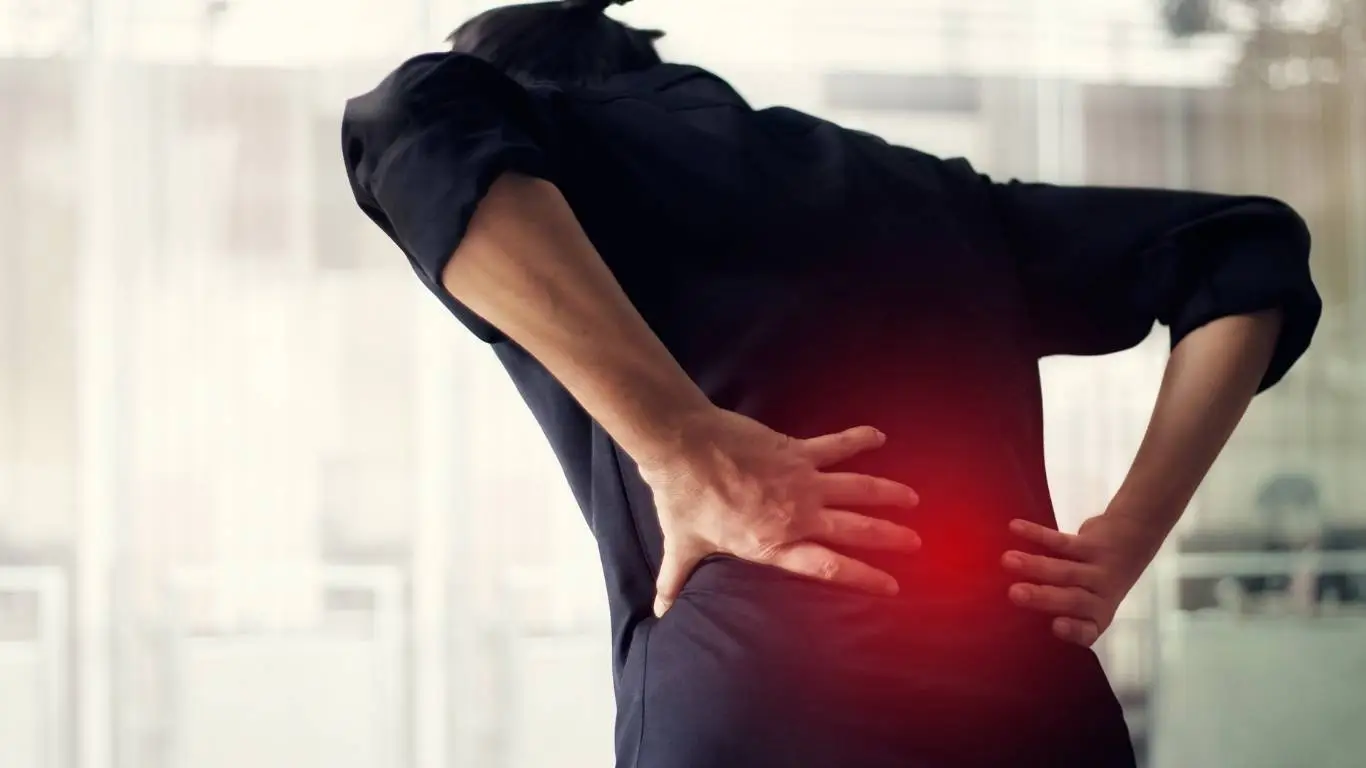
Ever felt like someone just stabbed your back out of nowhere? One second you’re fine, the next—bam! That sudden sharp back pain hits like lightning. I’ve been there, mid grocery aisle, completely frozen for a few seconds. No warning, no lifting heavy boxes, just a random zap that made me question everything. If you’ve experienced something similar, trust me, you’re not alone. And more importantly, it’s not always something to brush off.
Common But Overlooked Causes of Sudden Sharp Back Pain
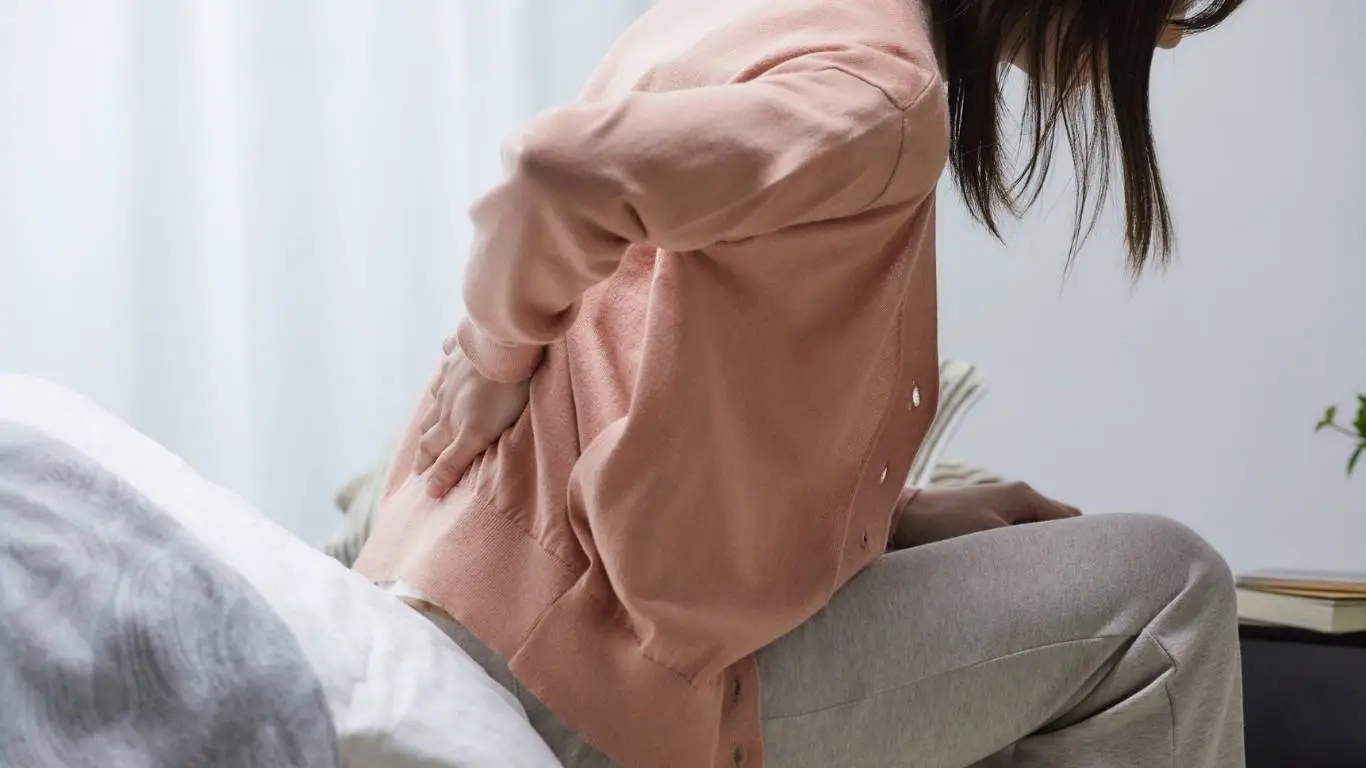
Let’s get one thing clear—this isn’t your average dull backache from a bad mattress. Sudden sharp pain usually comes from a very specific trigger. And yes, some of them are sneakier than you’d expect.
1. Muscle Strain or Spasm (Even Without Lifting)
This one might seem obvious, but here’s the catch: you don’t have to be bench pressing 200 pounds for a muscle to freak out. Quick movements, twisting while sneezing (seriously), or standing up too fast can cause a sudden muscle strain.
I’ve personally felt this after a simple stretch post-shower. That zap made me drop to my knees. Turns out, muscle fibers can react with intense pain when overstretched or fatigued—even without hardcore physical effort.
2. Herniated Disc You Didn’t Know You Had
You might have been walking around with a disc issue and had no clue. A herniated disc can press on nearby nerves, and one wrong move can trigger instant pain. Lower back herniations are infamous for this—especially if you’ve been slouching or sitting for hours.
Many patients don’t realize they’re dealing with disc degeneration until the pain is too intense to ignore. If you’re curious how this plays out in the real world, check this guide on herniated disc back pain.
3. Pinched Nerve (Nerve Impingement)
Sharp, shooting pain that radiates down the leg or buttock? That’s often a sign of a pinched nerve. Think of it like an electrical short circuit in your spine—irritated nerve roots cause sudden spasms and jolts of pain. This can stem from disc issues, poor posture, or even sleeping weirdly one night.
4. Spinal Misalignment from Simple Daily Habits
I’ll admit—I used to slouch on my couch like a shrimp. My chiropractor showed me how months of poor posture can compress spinal joints. One day, getting out of the car, I felt a painful “snap.” That was my body saying, “Enough.” Read more on how poor posture triggers sudden back pain.

Surprising Triggers You Might Not Suspect

5. Kidney Problems
This isn’t one most people expect, but kidney infections or stones can mimic back pain—and sharply, too. If the pain is one-sided and deep, especially accompanied by fever or urinary changes, don’t ignore it. Mayo Clinic and Cleveland Clinic both confirm that kidney issues can present as sudden back pain episodes. It’s worth checking, especially if the pain doesn’t respond to usual remedies.
6. Stress and Tension (No Joke)
Sounds woo-woo, but stress-induced muscle tension is very real. I had a phase where work stress was sky-high, and out of nowhere, I’d get sharp upper back pain—usually around deadlines. Chronic stress makes muscles tighter, especially in the back and shoulders. Then all it takes is a sneeze or a stretch… and you’re stuck in bed.
It’s not just anecdotal. Harvard Health and psychologytoday.com back this up—emotional strain can manifest physically, especially in the spine.
7. Sciatica Flare-Up
If you’ve ever felt a lightning bolt down your leg, you’ve met sciatica. But not all sciatica pain is long-term or chronic. Sometimes it flares up out of nowhere due to a misaligned pelvis, irritated disc, or even sitting too long. The pain is sharp, fast, and borderline electric. This breakdown on sciatica vs. back pain shows exactly why that sudden zap happens.
8. Joint Dysfunction
Your spine has small joints (called facet joints) that can get inflamed or irritated. And when they do, it’s not a gentle ache—it’s a short burst of hellish sharpness. Moving the wrong way, like twisting in your chair, can trigger it instantly. Read up on facet joint syndrome to understand what could be silently brewing in your spine.
When Sharp Pain Isn’t Just “Back Pain”

9. Compression Fracture (Yes, Really)
Especially common in people with osteoporosis or older adults. But it can also happen after trauma, like slipping in the bathroom. These fractures can cause immediate and severe pain. This isn’t something that gets better with a heating pad—urgent care is needed. You can dive deeper into this condition here: compression fracture relief.
10. Tumors, Infections, or Red Flag Causes
Rare, yes—but important to note. If the pain is persistent, sharp, wakes you up at night, or is paired with weight loss or fever, it’s not a regular strain. According to WebMD and nhs.uk, spinal infections, tumors, or inflammatory diseases like ankylosing spondylitis can show up this way. Here’s a breakdown of red flags you shouldn’t ignore.
Want to Understand the Bigger Picture?

If you’re diving into the world of back pain and want a complete picture of what could be happening inside your body, this guide to causes of back pain breaks it all down beautifully—whether it’s muscular, nerve-related, or structural. You can also check the main resource page on back pain for a holistic overview.
How Lifestyle Habits May Be Fueling Sudden Sharp Back Pain

Let’s talk real-life stuff. I didn’t realize how my daily habits were secretly contributing to those random back zaps. It wasn’t until I started tracking patterns—like sitting too long, poor diet, or even my footwear—that I saw the connection. Turns out, your spine has a memory, and it stores everything you do to it.
1. Poor Sitting and Work Ergonomics
Raise your hand if you’ve been hunched over a laptop for 6+ hours on a wooden chair (guilty). Sitting in an awkward position shortens hip flexors, weakens the core, and puts crazy pressure on the spine. This tightens up your lower back, setting you up for a surprise pain attack.
Check out this breakdown on how sitting destroys spinal balance and what to do instead.
2. Bad Shoes, Flat Feet, and Back Pain?
Yep, your sneakers—or lack thereof—could be contributing. I learned this the hard way after doing errands in flat sandals. My arch collapsed slightly with each step, misaligning my hips and spine. That night? A sharp stab in my lower back. Footwear matters more than we give it credit for.
3. Carrying Bags the Wrong Way
Whether it’s a work laptop or a toddler, how you carry weight on one side of your body matters. Repetitive imbalance strains your spine, and one unexpected movement can trigger a sudden sharp pull. Use a backpack or crossbody whenever you can to distribute weight more evenly.
4. Lack of Movement (Surprisingly Dangerous)
Weirdly enough, being sedentary is just as risky as overexerting. Muscles weaken, posture slumps, and the spine loses mobility. Even a simple twist or bend becomes a hazard. Start small—gentle yoga, walking breaks, light mobility drills. This stretching guide for back pain helped me ease back into movement after a bad flare-up.
The Sleep–Spine Connection
Your spine doesn’t shut down when you sleep. In fact, your sleeping position and mattress can either heal or hurt. I once woke up mid-night from what felt like a jolt of electricity through my back—thanks to a saggy old mattress and bad sleeping posture.
Are You Sleeping Wrong?
- Stomach sleepers: Big no. It forces your spine into unnatural alignment.
- Side sleepers: Better, but needs a pillow between knees.
- Back sleepers: Great with support under the knees.
If you’re waking up sore or stiff, it may be time to reassess. This detailed post on sleeping positions for back pain covers what to do and what to avoid.
Mattress and Support Check
I made the switch to a firmer mattress and it changed everything. No more sinking into a spine-twisting crater. According to Spine-Health and clevelandclinic.org, a supportive mattress can prevent sudden pressure-point flare-ups. Pair it with proper lumbar support cushions if you sit for long hours, and your back will thank you.
Natural Remedies That Work (and What to Avoid)

Don’t Jump to Painkillers First
I get it—when sharp pain strikes, popping an over-the-counter pill feels like the fastest option. But masking the pain often backfires. You keep moving like nothing’s wrong, and boom—it gets worse. Instead, go for root-cause solutions first:
- Gentle movement: Walk, stretch, and keep blood flowing.
- Hot/cold therapy: Ice within the first 24 hours, then heat after.
- Support gear: Use a brace or lumbar support temporarily if the pain is disabling.
Here’s a deep dive into when to use heat vs. cold for back pain—super helpful for tailoring relief to the type of pain you’re feeling.
Supplements, Diet, and Anti-Inflammatory Fixes
What you eat shows up in how your back feels. Inflammation makes back tissues more sensitive to flare-ups. I noticed a big difference when I added turmeric and omega-3s to my routine. And surprisingly, cutting sugar helped more than I expected.
Check out how an anti-inflammatory diet helps relieve pain and reduces those “out-of-nowhere” episodes.
When to Get Expert Help

If sharp pain is frequent, lasts more than a few days, or keeps coming back, don’t just DIY it. This is where you want the pros to step in. I waited way too long to see a specialist and paid the price with prolonged downtime. A physical therapist, chiropractor, or spine specialist can spot things you can’t feel—imbalances, nerve issues, disc shifts, and more.
Want to explore natural but professional-level treatments? This page on conservative back pain therapies offers an excellent rundown of proven approaches that avoid surgery but actually work.
Or, for the bigger picture and all related symptoms, take a look at our main resource page: Complete Back Pain Hub.

Camellia Wulansari is a dedicated Medical Assistant at a local clinic and a passionate health writer at Healthusias.com. With years of hands-on experience in patient care and a deep interest in preventive medicine, she bridges the gap between clinical knowledge and accessible health information. Camellia specializes in writing about digestive health, chronic conditions like GERD and hypertension, respiratory issues, and autoimmune diseases, aiming to empower readers with practical, easy-to-understand insights. When she’s not assisting patients or writing, you’ll find her enjoying quiet mornings with coffee and a medical journal in hand—or jamming to her favorite metal band, Lamb of God.