Supporting A Teenager With Exam-Related Anxiety Without Making It Worse
It was a Tuesday morning when I found my teenage son sitting on the floor of his room, staring blankly at his open physics textbook. No earbuds, no phone in hand, just silence—and tension you could slice with a butter knife. I asked what was up, and he just muttered, “I can’t do this.” That’s when I realized his anxiety wasn’t about the material—it was about the pressure. If you’ve got a teen who’s sweating over exam week, you’re not alone. Supporting a teenager with exam-related anxiety isn’t about pushing them harder. It’s about giving them the tools, space, and emotional safety they need to breathe—and thrive.
Understanding Where Teen Exam Anxiety Comes From

Before you can offer any kind of real support, it helps to know where the anxiety is coming from. It’s not always about grades. Sometimes it’s about perfectionism. Other times, it’s pressure from peers, fear of disappointing you, or even something deeper like low self-worth.
It’s Not Just “Nerves”
This kind of anxiety can show up like:
- Procrastination that looks like laziness but is actually fear
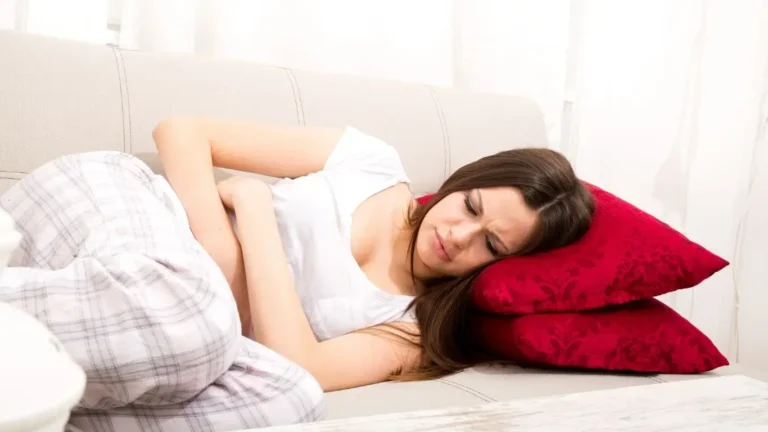
- Physical symptoms like headaches, stomach aches, or insomnia
- Negative self-talk: “I’m gonna fail anyway, so what’s the point?”
According to NIMH, untreated anxiety in teens can increase risk for depression and interfere with social development. And the worst part? Many teens hide it well until it spirals.
How to Spot Exam Anxiety in Your Teen

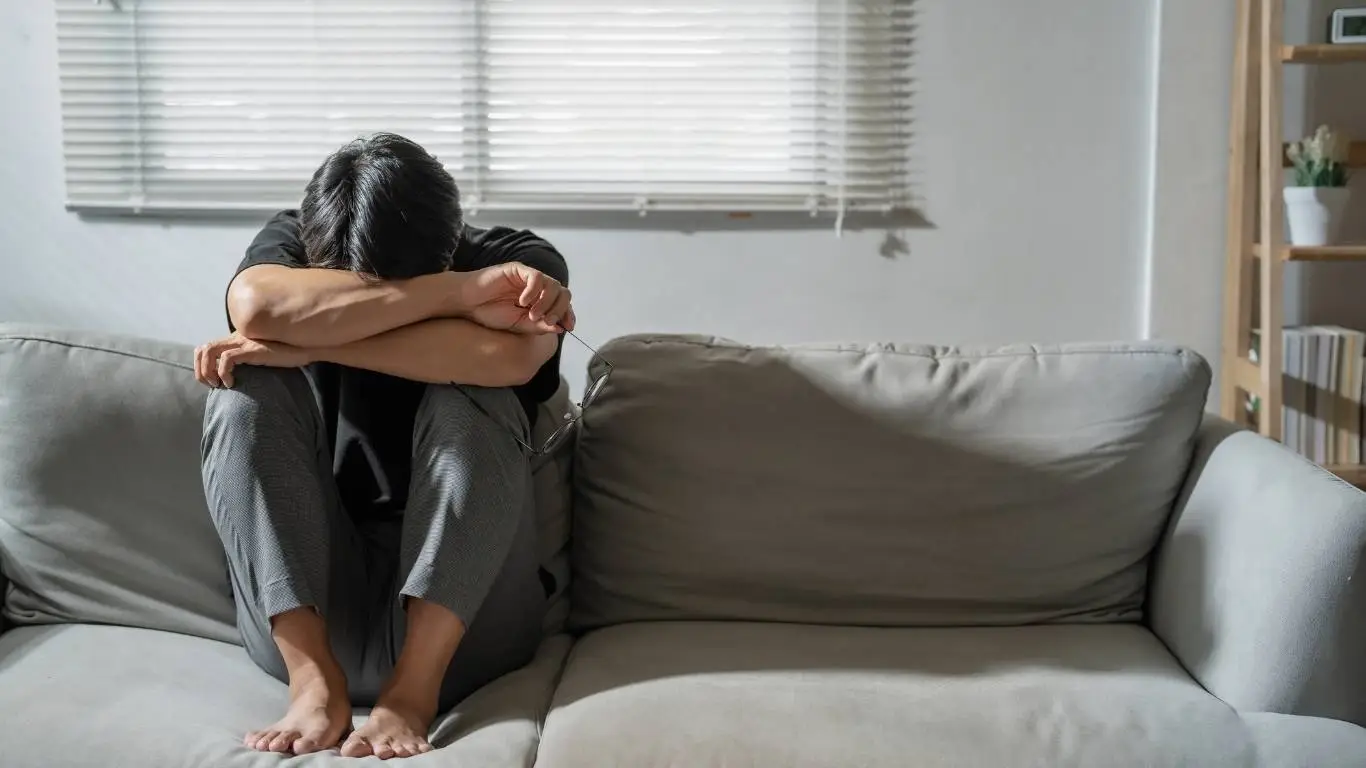
Teenagers don’t always come out and say “I’m anxious.” Instead, they may start acting out, withdrawing, or becoming unusually irritable. I saw it firsthand with my son—short temper, late-night pacing, and yes, even crying in frustration when no one was watching.
Red Flags You Shouldn’t Ignore
- Sudden drop in academic performance
- Complaints of physical symptoms, especially on test days
- Changes in eating or sleep patterns
- Avoidance of school or specific classes
Some of these symptoms mimic general teenage behavior, but if they intensify around exam periods, anxiety is likely at play. Articles like this one can help outline signs of performance anxiety that often go unnoticed.
Simple But Effective Ways to Support Your Teen
1. Normalize Their Feelings
Start by reminding them it’s okay to feel anxious. Avoid minimizing their stress (“You’ll be fine!” doesn’t help) and instead validate it with responses like, “I know this feels overwhelming—it’s okay to be nervous.”
2. Encourage Rest and Routine
Teens aren’t always great at self-regulating. Help them build a realistic study schedule that includes:
- Short, focused study blocks
- Built-in breaks for movement or downtime
- Regular sleep and meals (yes, even during finals week)
If your teen is struggling with racing thoughts at night, this guide on bedtime anxiety is worth a read.
3. Reframe the “Failure” Mindset
This one’s big. So many teens catastrophize results—one bad grade feels like the end of the world. I started sharing stories of my own screw-ups (like bombing my first college stats exam) to remind my son that failure isn’t fatal—it’s part of learning.
4. Teach Grounding Techniques
If they’re open to it, show them basic breathing techniques or body-based strategies. The breathing exercises here have worked wonders for some teens. Others find relief through journaling or movement, like yoga or walking meditations.
Be Their Safe Space—Not Another Pressure Point
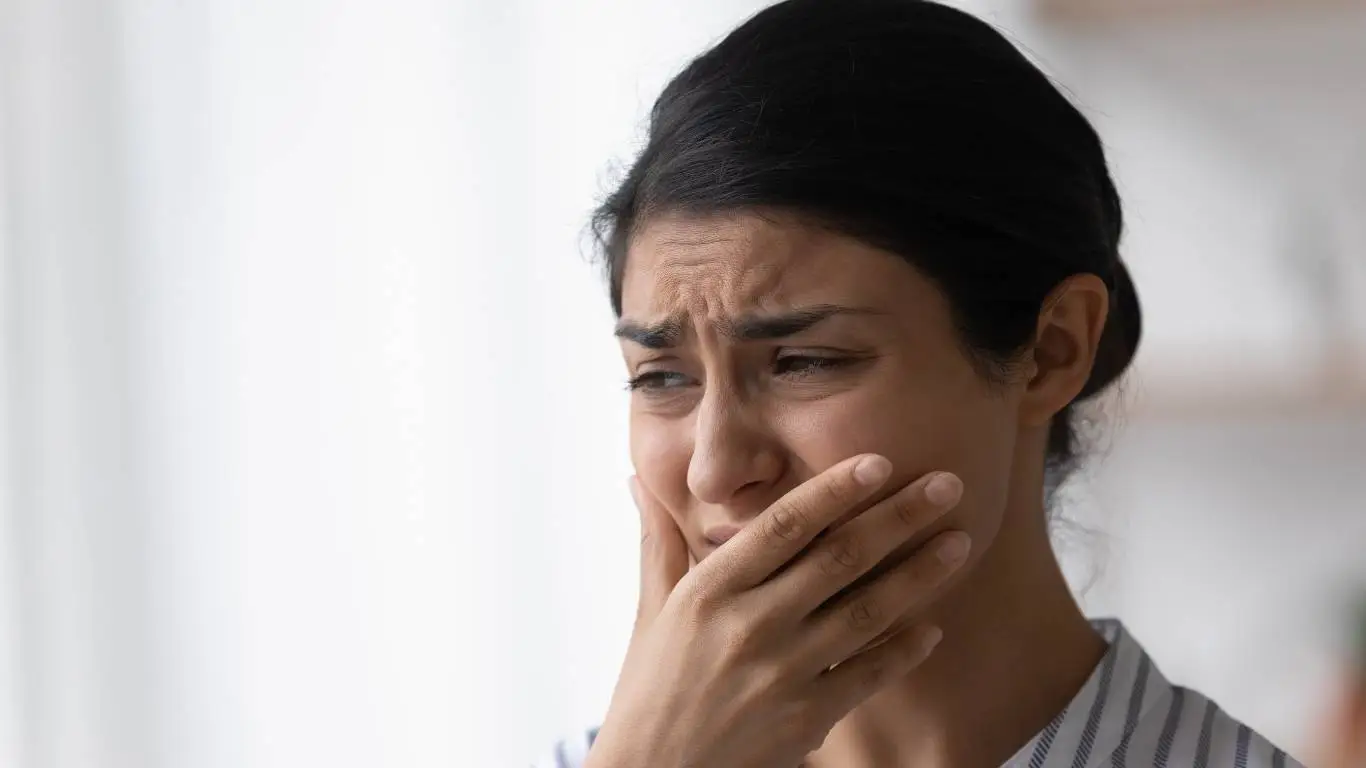
When teens feel like their worth depends on results, they stop taking risks. They start to hide their struggles instead of reaching out. And here’s the thing—your relationship is way more important than their report card. Your calm presence can be the anchor they need when everything else feels out of control.
Consider integrating lifestyle strategies from this pillar guide that covers how small, consistent habits can make a massive difference. If you feel the anxiety may be deeper rooted or persistent, start here with this article for an overview of how anxiety can silently shape daily life without you even realizing it.
Work With the School—Not Against It
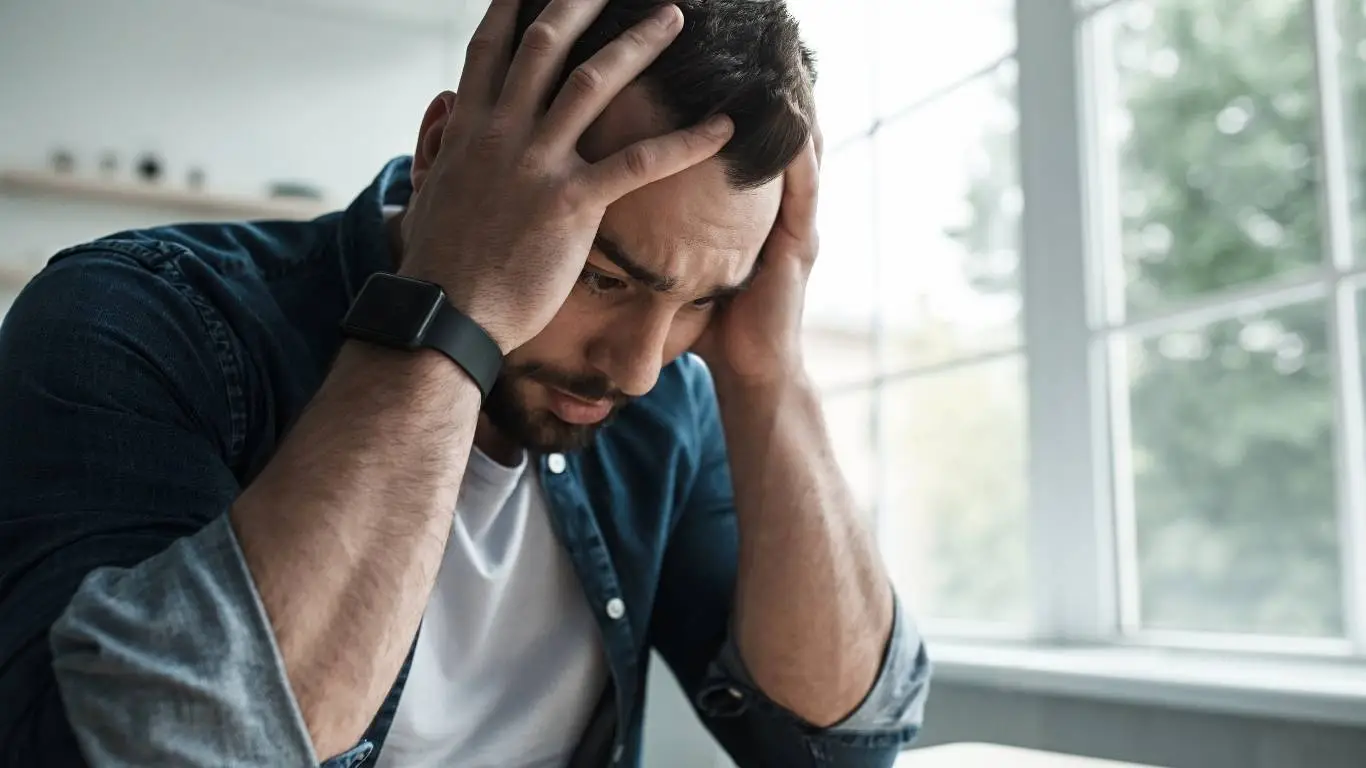
One of the most underrated moves I ever made was talking to my son’s school counselor before midterms. I used to think reaching out made it seem like I was babying him. But in reality, educators want to help—they just need to know what’s going on.
Open Up Lines of Communication
If your teen’s anxiety is interfering with their performance or attendance, it’s worth requesting a meeting with a counselor or teacher. Don’t wait for things to crash and burn. Most schools offer accommodations like:
- Extra time on exams or assignments
- Testing in a quieter room
- Flexibility on deadlines during flare-ups
For teens who struggle with perfectionism or social comparison in school settings, this piece on performance anxiety shows how pressure affects all ages—not just adults.
Know When It’s Time to Seek Help

As a parent, it’s tempting to believe we can fix everything with love and structure. And while those are essential, sometimes anxiety runs deeper. If your teen is shutting down, isolating, or showing symptoms of depression, it may be time to involve a professional.
Signs Your Teen May Need Professional Support
- They’re refusing school or having frequent panic attacks
- You’ve tried lifestyle changes and they aren’t working
- There’s a history of anxiety or trauma in your family
- They talk about hopelessness, shame, or wanting to give up
CBT (Cognitive Behavioral Therapy) is one of the most evidence-backed approaches for adolescent anxiety. For a clear breakdown, check out this CBT guide. Many teens also respond well to alternatives like EMDR or ACT, depending on their needs and preferences.
Let Them Build Their Own Coping Toolkit

Teenagers need to feel ownership over their mental health journey. Instead of handing them a pre-made checklist, involve them in building a “calm plan.” Ask what helps them decompress—music, movement, talking to a friend, stepping away from screens?
Toolkit Ideas That Actually Resonate With Teens
- Calming sensory tools: stress balls, essential oils, soothing textures
- Digital breaks: 20 minutes offline for every hour of screen time
- Creative outlets: drawing, writing, or music (not necessarily school-related)
- Gentle reminders: sticky notes with encouragement, not pressure
There’s even a guide on how journaling prompts help teens work through tough feelings in a way that doesn’t feel like therapy.
Help Them Redefine Success

One of the quietest killers of teenage confidence is the idea that success only looks one way: top grades, glowing teacher feedback, and perfect college applications. When anxiety kicks in, that belief turns toxic.
I had a long talk with my son about this, and we came up with a different metric for success: effort, consistency, and growth—not perfection. It helped him see progress in ways he’d never noticed before.
Teach Resilience Over Results
When your teen learns that setbacks are part of the process—not proof of failure—they’re more likely to bounce back. Show them stories of people who failed and still made it. Better yet, share your own. Vulnerability builds trust.
Need help showing your teen they’re not alone? This article on high-functioning anxiety illustrates how even the most outwardly “together” people struggle silently.
Create an Anxiety-Aware Household
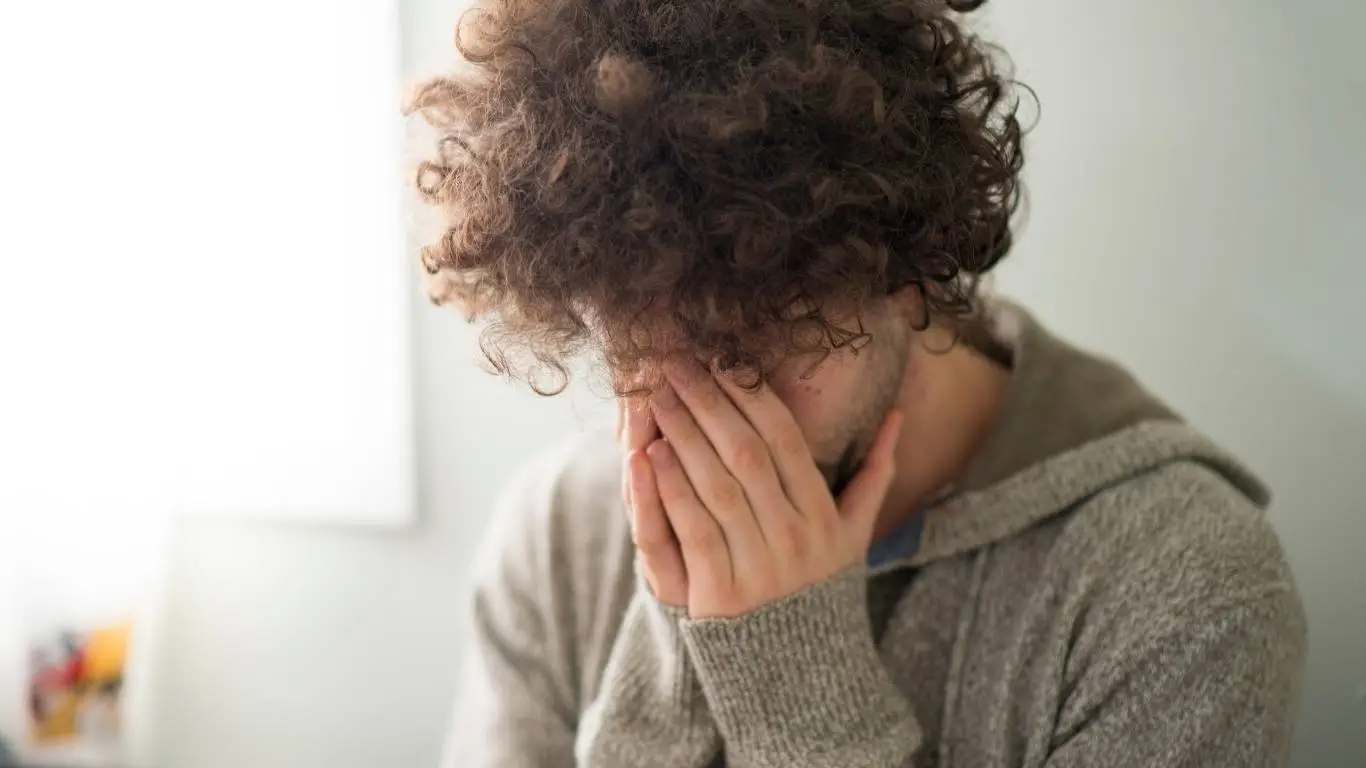
The way we talk about anxiety at home sets the tone for how teens cope with it. If it’s treated like a weakness or taboo topic, they’ll internalize that. But if it’s seen as just another part of the human experience—like stress, sadness, or frustration—they’ll be more open about it.
Family Habits That Make a Difference
- Normalize checking in emotionally—not just asking about school
- Talk about your own stress openly (without making it their burden)
- Model calm coping strategies, like taking breaks, deep breaths, or even laughing it out
You might be surprised how helpful it is to explore counseling as a family tool, not just something “for broken people.” Some teens find it less threatening when they see adults doing it too.
For a broader context on symptoms and red flags to never ignore, especially if anxiety is escalating beyond exams, refer to this pillar post. It’s one of the most comprehensive starting points on anxiety behavior patterns in youth and adults alike.

Camellia Wulansari is a dedicated Medical Assistant at a local clinic and a passionate health writer at Healthusias.com. With years of hands-on experience in patient care and a deep interest in preventive medicine, she bridges the gap between clinical knowledge and accessible health information. Camellia specializes in writing about digestive health, chronic conditions like GERD and hypertension, respiratory issues, and autoimmune diseases, aiming to empower readers with practical, easy-to-understand insights. When she’s not assisting patients or writing, you’ll find her enjoying quiet mornings with coffee and a medical journal in hand—or jamming to her favorite metal band, Lamb of God.