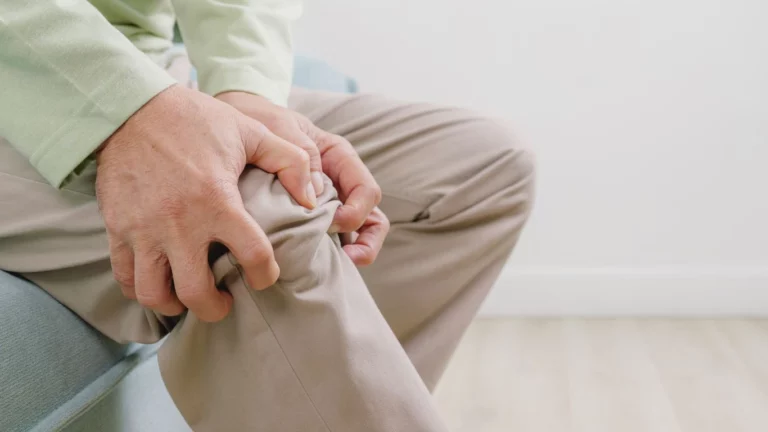
Symptoms of Anxiety Disorders You Should Never Ignore
I used to think anxiety was just being “on edge” or feeling nervous before something big. Like that jittery sensation before a job interview or giving a speech in high school. But over time, I learned there’s a massive difference between everyday stress and what’s clinically known as an anxiety disorder. What started for me as occasional tension slowly evolved into full-blown symptoms I couldn’t ignore—and honestly, didn’t fully understand. I’d wake up with my heart racing, even on days with nothing stressful planned. Sometimes I couldn’t fall asleep, no matter how tired I was. I didn’t realize these were all warning signs that something deeper was going on.
Understanding the Real Signs of Anxiety Disorders
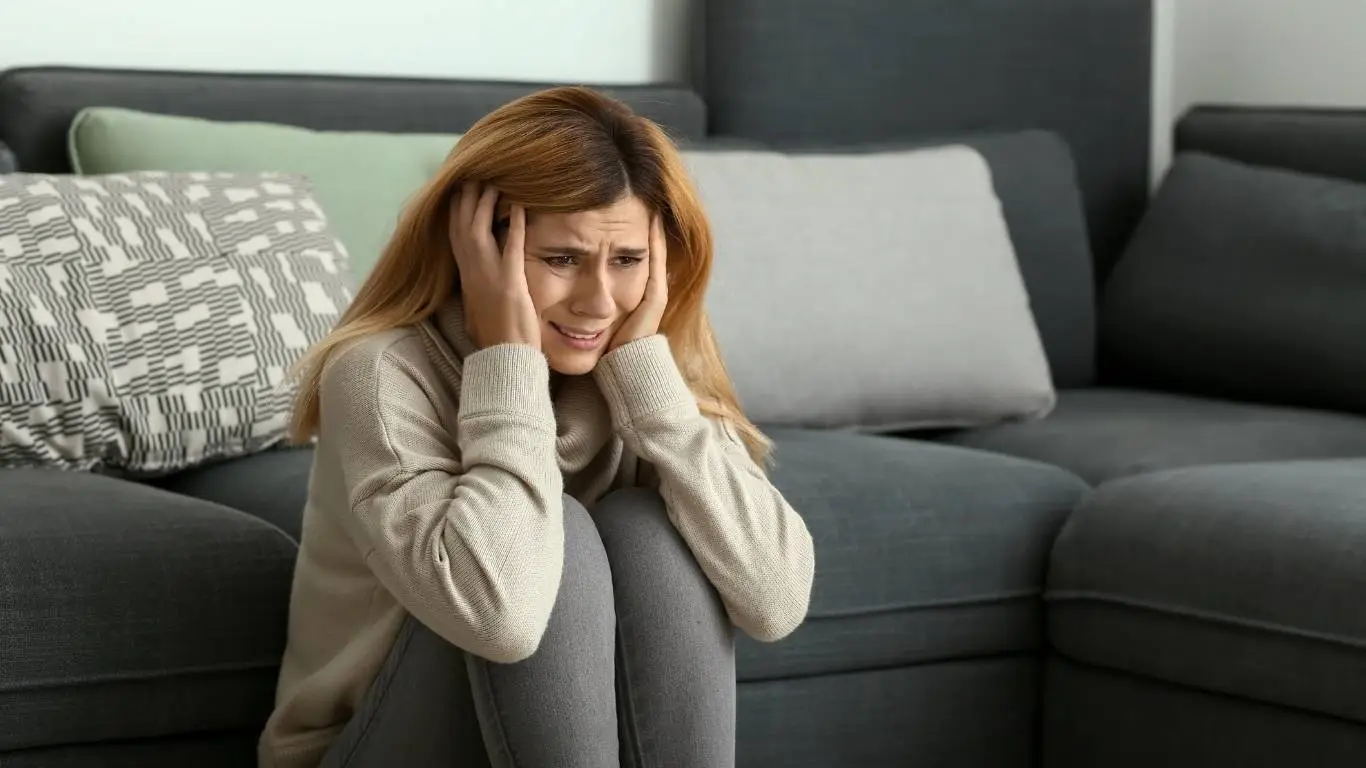
Anxiety disorders show up in more ways than just feeling worried. In fact, some of the symptoms can be so subtle that people chalk them up to being “just tired” or “burned out.” But knowing how to spot these symptoms can make all the difference in getting the right support.
Emotional and Mental Symptoms
The most obvious signs are usually internal—racing thoughts, irrational fears, the sense that something bad is about to happen even when there’s no real danger. If you’ve ever spent the whole day mentally rehearsing a conversation that may never happen, you know what I mean.
- Persistent worry that feels impossible to turn off
- Feeling restless or on edge, even while doing nothing
- Irritability over small things that wouldn’t normally bother you
- Overthinking decisions or constantly second-guessing yourself
- Fear of losing control or going crazy (common during panic attacks)
For me, these signs crept in slowly. I’d have trouble focusing, lose interest in things I loved, and feel like I was always waiting for something to go wrong. That mental tension would wear me down fast, and I didn’t realize how much it was draining my emotional energy.
Physical Symptoms You Shouldn’t Ignore

One of the trickiest parts of anxiety is how it shows up in your body. These physical signs often mimic other health issues, so it’s easy to think you’re dealing with something else entirely. According to the National Institute of Mental Health, physical symptoms are incredibly common with anxiety disorders.
- Racing heart or palpitations even when you’re still
- Shortness of breath or tightness in the chest
- Trouble sleeping or waking up with anxiety spikes
- Digestive problems like nausea, diarrhea, or stomach cramps
- Muscle tension, especially in the shoulders and neck
- Lightheadedness or feeling dizzy during stressful moments
There were nights I’d lie in bed with my heart pounding so hard I thought something was physically wrong. More than once, I ended up in urgent care thinking it was a heart issue, only to be told it was a panic attack. That’s the thing: anxiety symptoms don’t just “feel” real—they are real. Your body is reacting as if there’s a threat, even when there’s not.
Sleep Disruption and Fatigue
Let’s talk about sleep—because anxiety and insomnia go hand in hand. You’re tired, but your brain refuses to shut off. I used to replay the same thoughts on loop all night: what I said, what I should’ve said, what might happen tomorrow. Over time, poor sleep made everything worse. Fatigue made me irritable and sensitive to stress, which fed the anxiety even more. It’s a cycle that’s hard to break without understanding the root.
Behavioral Patterns That Signal Anxiety Disorders

It’s not just about what you feel—it’s also about what you *do* (or avoid doing). Anxiety often changes your behavior in small but meaningful ways. Over time, it chips away at your ability to function normally.
- Avoiding social events or public places
- Calling in sick to avoid presentations or meetings
- Compulsive behaviors (checking, counting, or repeating actions)
- Excessive reassurance-seeking from friends or coworkers
- Over-preparing or over-planning to manage uncertainty
Personally, I didn’t even notice how much I was avoiding things until I started keeping a journal. I’d cancel plans last-minute or dread calls that used to be no big deal. I told myself I was “just tired,” but in reality, I was subconsciously steering away from triggers.
When These Symptoms Become Chronic
Everyone feels anxious now and then—it’s part of being human. But if these symptoms last for weeks or months, start affecting your job, relationships, or health, it might be time to look deeper. The American Psychological Association notes that persistent anxiety that interferes with daily life is one of the hallmarks of an anxiety disorder. Their guide on anxiety symptoms is a great resource if you’re wondering whether it’s time to talk to a professional.
When to Seek Help (and What Help Actually Looks Like)

Recognizing symptoms is only the first step. Knowing when to reach out is just as important. If your anxiety is causing you to withdraw, lose sleep, feel overwhelmed constantly, or disrupt your routine, seeking help is not just smart—it’s necessary.
That help doesn’t always mean medication (although for some, it’s essential). It can mean therapy, mindfulness work, lifestyle changes, or guided support. Cognitive Behavioral Therapy (CBT), for example, is one of the most effective approaches and is backed by decades of clinical evidence.
If you want a more comprehensive breakdown of how anxiety disorders can impact your daily life beyond the symptoms, the main article on why anxiety disorders can secretly control your daily life is a great place to start. It dives deeper into how anxiety shapes our habits, relationships, and even identity without us realizing it.
The more we normalize talking about these symptoms, the sooner more people can recognize what they’re experiencing and get the right kind of support. No shame. No judgment. Just understanding and action.
I used to wonder why my body felt like it was stuck in overdrive—racing heart, clenched jaw, the whole nine yards—even when my day was going just fine. What I didn’t realize at the time was that the physical symptoms of anxiety weren’t random; they were rooted in biology. If you’ve ever felt like your body’s reacting way more than the situation calls for, you’re not imagining things. Understanding why these symptoms happen makes it way easier to manage them—and to give yourself a little grace.
How the Brain and Body React During Anxiety

When you experience anxiety, your brain is basically flipping on a built-in alarm system—even when there’s no real danger. The key player here? The amygdala. It’s the part of your brain responsible for fear detection and survival responses. Once it gets triggered, it sets off a chain reaction through your nervous system.
The Stress Response Explained Simply
Here’s how it typically unfolds:
- The amygdala senses a threat (real or imagined).
- It alerts the hypothalamus, which activates your fight-or-flight response.
- Your body releases stress hormones like adrenaline and cortisol.
- These hormones prepare you to “escape” or “defend” by increasing heart rate, blood pressure, and alertness.
Great for actual emergencies. Not so great when you’re just checking your email. When this response is triggered too often, it leaves your body in a state of chronic tension—and that’s where the symptoms start to build up.
Physical Symptoms That Stem From Chronic Anxiety

After dealing with anxiety long-term, you start to realize it’s not just a mental thing. Your body keeps the score. I’ve had days where I’d feel like I ran a marathon just from sitting at a desk all day. The tension, fatigue, and random aches? All connected to long-term anxiety.
1. Muscle Tension and Pain
When your body’s constantly bracing for a threat, your muscles stay tight. That tension can lead to:
- Chronic headaches or migraines
- Jaw clenching and TMJ issues
- Back and shoulder pain that lingers no matter how much you stretch
2. Gastrointestinal Symptoms
This one hit me hard. Anxiety messes with digestion in a big way. You might experience:
- Nausea, bloating, or stomach cramps
- Loss of appetite or overeating as a coping mechanism
- Frequent trips to the bathroom or constipation
According to Johns Hopkins Medicine, the gut and brain are deeply connected through the enteric nervous system. So it’s no surprise that anxiety takes a toll on your digestive health.
3. Cardiovascular and Respiratory Effects
One of the scariest parts of anxiety is when it mimics a heart condition. I’ve felt chest tightness so intense I was convinced something was seriously wrong. But it was anxiety all along.
- Rapid heartbeat or palpitations
- Chest discomfort or a feeling of heaviness
- Shortness of breath, especially in crowded or high-pressure settings
Cognitive Effects That Make Daily Functioning Hard

Beyond the physical, anxiety messes with how you think and function. I’d sit down to work, and my mind would fog up like I hadn’t slept. It wasn’t laziness or lack of motivation—it was cognitive overload from constant worrying.
Common Mental Struggles with Anxiety:
- Difficulty concentrating, especially with tasks requiring focus
- Memory lapses, forgetting small details or entire conversations
- Racing thoughts that won’t slow down long enough to process
This is part of why people with anxiety can look fine on the outside while struggling internally. It’s mentally exhausting to keep up with daily responsibilities when your brain is constantly scanning for threats.
When Symptoms Become Disruptive

Some level of anxiety is normal—healthy, even. But when the symptoms cross over into affecting your ability to live, work, or enjoy life, it may be time to look deeper. I remember missing meetings, cancelling plans, even rescheduling doctor appointments because I felt too overwhelmed to show up. That avoidance cycle just fed my anxiety more.
Signs Your Symptoms Are Getting Out of Hand:
- You’re constantly exhausted, even with rest
- You avoid social, professional, or personal obligations
- Your performance at work or school is declining
- Physical symptoms are leading to frequent doctor visits with no diagnosis
It’s not about being “weak” or “overreacting.” Anxiety disorders can create a real disability if left unaddressed. Recognizing the impact is the first step to reclaiming your life.
Professional Diagnosis and Medical Insight
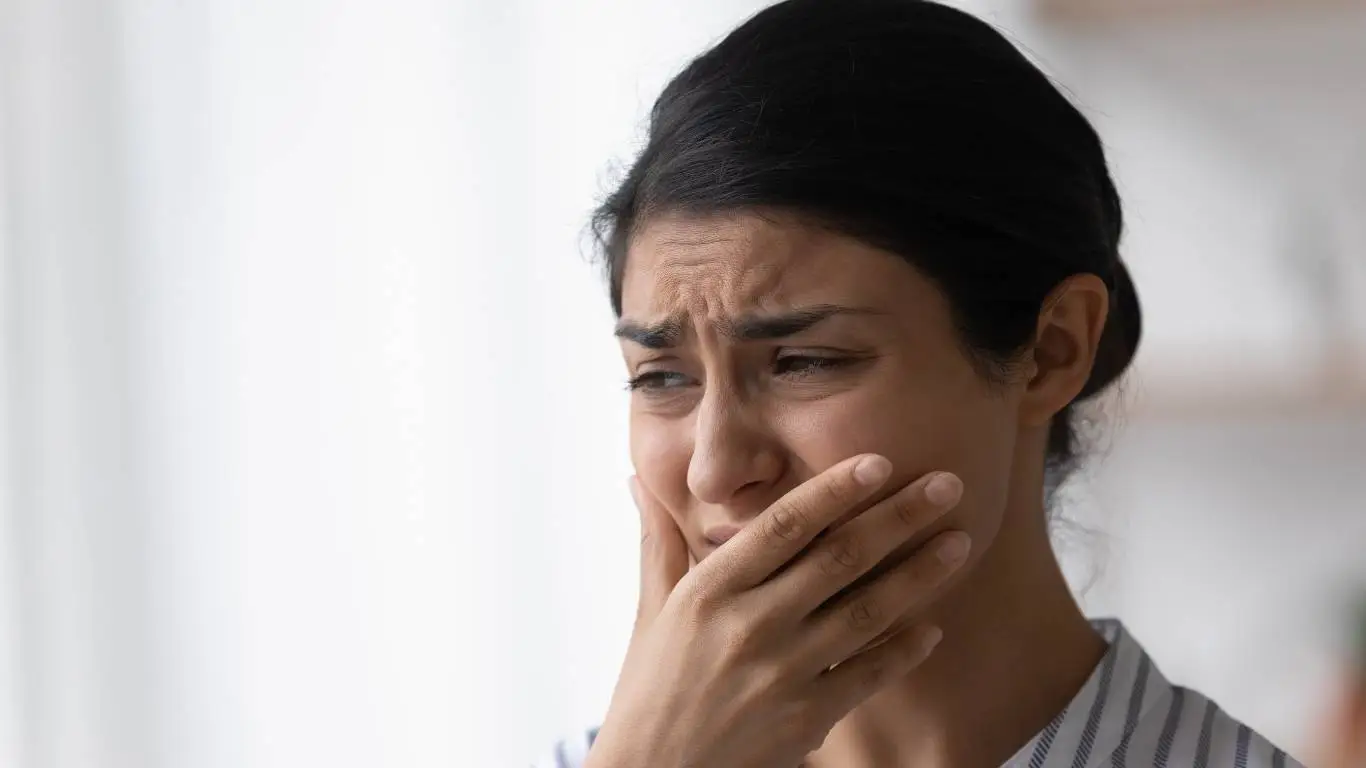
So how do you know if what you’re experiencing is just stress—or something more? A mental health professional can help assess that. They’ll typically use criteria from the DSM-5 (Diagnostic and Statistical Manual of Mental Disorders) to evaluate your symptoms based on frequency, duration, and impact.
During my first real evaluation, I was asked questions like:
- How long have you been feeling this way?
- Do your symptoms prevent you from doing things you used to enjoy?
- What coping strategies have you already tried?
It was surprisingly validating. Just having a professional confirm that what I was feeling had a name—and that I wasn’t just “being dramatic”—was a major turning point.
Next Step: Exploring Treatment Paths
If you’re nodding your head through most of this, you’re not alone. And more importantly, you’re not without options. The next step is exploring treatment plans that meet you where you are. Therapy, medication, lifestyle changes—they’re all tools, not quick fixes. But when used the right way, they can change your entire relationship with anxiety.
For a more holistic view of how anxiety disorders shape your everyday life—and how to navigate through them—check out the in-depth overview in our main article on why anxiety disorders can secretly control your daily life. It connects the dots between symptoms, patterns, and sustainable recovery.
I remember the exact moment I realized anxiety had quietly rearranged my entire lifestyle. I was canceling dinner—again—offering up a vague “not feeling well” text when what I really meant was, “I can’t stop spiraling over something that probably doesn’t matter.” That’s how anxiety operates. Slowly. Subtly. But powerfully. What starts as racing thoughts or shaky hands can gradually shape your routines, habits, relationships, and even your personality if left unchecked. But here’s the thing: once you see it for what it is, you can start shifting the pattern. Not all at once, but step by step.
The Daily Impact of Living With Untreated Anxiety

Unchecked anxiety isn’t always dramatic. Sometimes it’s just quietly reshaping your day-to-day choices. You might find yourself procrastinating more, avoiding social interaction, or becoming unusually controlling with routines. These small shifts add up.
Common Lifestyle Patterns Driven by Anxiety
- Decision fatigue: Second-guessing everything from what to wear to how to reply to a message.
- Hyper-productivity: Using constant busyness as a distraction from internal discomfort.
- Isolation: Staying in because the outside world feels too unpredictable.
- Overplanning: Trying to control every detail to avoid uncertainty.
- Emotional numbness: Avoiding strong feelings (even good ones) because they’re too overwhelming.
I fell into the trap of always being “on.” If I wasn’t working, I was cleaning, planning, organizing—anything to stay ahead of the thoughts. It looked productive from the outside, but inside, I was constantly trying to outrun my own nervous system.
How Anxiety Shapes Relationships

One of the hardest parts of anxiety is how it affects the people around you—often without you realizing it. For me, I didn’t recognize how much I was withdrawing until friends started checking in less. My fear of being a burden became a self-fulfilling prophecy.
Signs Anxiety Is Affecting Your Relationships
- Reassurance-seeking: Constantly asking for validation or clarification to soothe doubt.
- Emotional withdrawal: Shutting down to avoid conflict or exposure.
- Irritability: Snapping over small things because you’re already overstimulated.
- Fear of vulnerability: Holding back thoughts or feelings out of fear they’ll be “too much.”
- Over-apologizing: Saying “sorry” constantly, even when you’ve done nothing wrong.
If you’ve ever left a social gathering and replayed every word you said, that’s anxiety trying to convince you you’ve messed up. It creates distance—not because you don’t care, but because your mind is stuck in analysis mode. The good news? Awareness brings opportunity to reconnect.
Small Lifestyle Changes That Make a Big Difference

Managing anxiety doesn’t always require a total life overhaul. Sometimes it’s about adding anchors to your day that help your body feel safe and your mind feel grounded. I’m not talking about some Instagram-perfect morning routine—just little things that help shift the energy.
Simple Shifts That Help Ease Anxiety Symptoms
- Daily walks: Movement clears out stress hormones and reconnects you with your body.
- Digital boundaries: Set a phone-free hour each day to quiet external noise.
- Hydration + regular meals: Low blood sugar and dehydration amplify anxiety.
- Gentle morning routine: Stretch, breathe, journal—start with intention.
- Evening brain dump: Write down what’s on your mind to release looping thoughts.
One habit I swear by is “bookend breathing.” Just 3 minutes of deep breathing when I wake up and before I go to sleep. It’s not magic, but it tells my nervous system: you’re safe. You’re okay. That’s often enough to soften the edges.
Developing Emotional Resilience Over Time
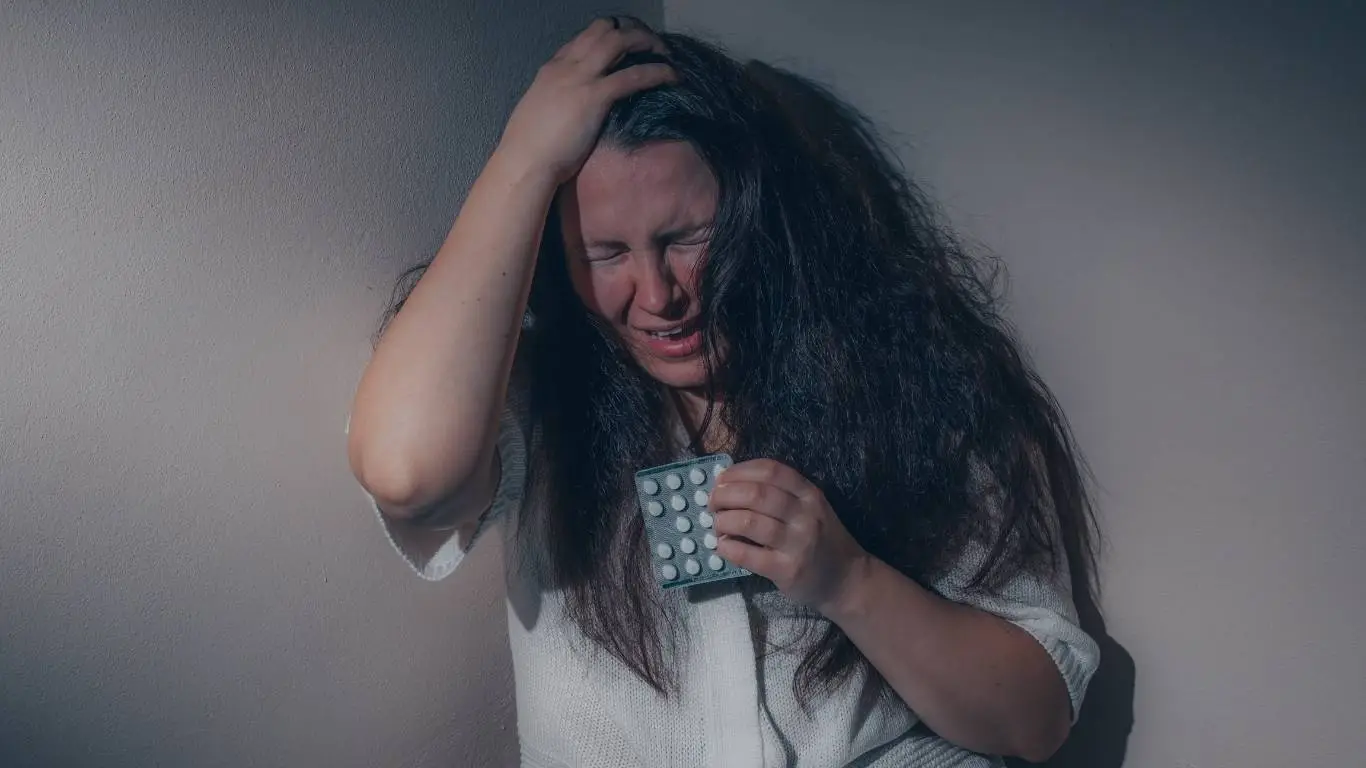
One of the best lessons anxiety taught me? It’s not about getting rid of discomfort—it’s about learning how to be with it. That shift changed everything. Resilience isn’t about never feeling anxious. It’s about recognizing it, riding it, and remembering it won’t last forever.
Ways to Build Inner Strength Without Forcing Positivity
- Self-talk with kindness: Speak to yourself like you would to a friend going through the same thing.
- Track your wins: Even tiny ones. Getting out of bed on a hard day counts.
- Get comfortable with uncertainty: Practice tolerating not having all the answers right away.
- Practice exposure: Gently do things that trigger anxiety to rebuild confidence.
- Learn when to pause: Rest isn’t quitting. It’s part of showing up better tomorrow.
I started keeping a note on my phone with reminders like, “You’ve survived 100% of your anxious days so far.” It’s cheesy—but in moments of panic, it brings me back to truth. Because anxiety loves to lie. Your job is to keep reminding yourself what’s real.
Long-Term Support and Sustainable Care

No one heals anxiety in a vacuum. If you’ve tried all the self-help tools and still feel stuck, it’s okay to seek professional support. In fact, it’s one of the most courageous moves you can make. Therapists, support groups, peer-led communities—these are not signs of weakness. They’re tools for long-term resilience.
Options like Cognitive Behavioral Therapy (CBT), EMDR (especially for trauma-linked anxiety), and mindfulness-based therapy offer proven support. If needed, medications like SSRIs or SNRIs can also help regulate the chemical side of anxiety and make other strategies more effective.
Building your care team can be life-changing. It was for me. Once I had both professional guidance and a few trusted people who knew what I was navigating, everything started to feel lighter. Not gone—but manageable. Human.
You’re Allowed to Build a Life Beyond Anxiety

If anxiety has been running the show for a while, I get it. But here’s the truth: you are not your symptoms. You are not your worst day. And anxiety doesn’t get to define how your story unfolds. There is so much life still ahead, and it can be meaningful, connected, joyful—even if anxiety comes along for the ride.
Want to explore how anxiety shows up in everyday life and how to start regaining control? Check out the full breakdown in our article on why anxiety disorders can secretly control your daily life—it’s an honest, no-fluff look at what you might not even realize anxiety is affecting.
You’ve got more strength than your anxiety wants you to believe. Keep going. You’re doing better than you think.

Camellia Wulansari is a dedicated Medical Assistant at a local clinic and a passionate health writer at Healthusias.com. With years of hands-on experience in patient care and a deep interest in preventive medicine, she bridges the gap between clinical knowledge and accessible health information. Camellia specializes in writing about digestive health, chronic conditions like GERD and hypertension, respiratory issues, and autoimmune diseases, aiming to empower readers with practical, easy-to-understand insights. When she’s not assisting patients or writing, you’ll find her enjoying quiet mornings with coffee and a medical journal in hand—or jamming to her favorite metal band, Lamb of God.