Tarlov Cysts and Sacral Nerve Irritation That Can Ruin Your Spine Health
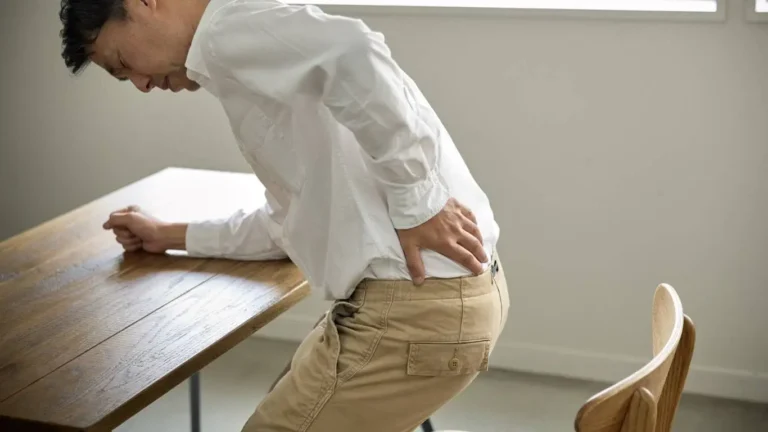
If you’ve ever felt that deep, gnawing ache at the base of your spine that doesn’t quite match anything you’ve dealt with before — it could be more than just the usual lower back pain. I remember waking up one morning and feeling this bizarre tingling sensation around my tailbone. At first, I thought maybe I had slept weird or sat too long in the car. But it lingered. If you’re experiencing pressure, numbness, or weird shocks down your legs, you might want to stop chalking it up to “just back pain.” Because something called a Tarlov cyst could be pressing on your sacral nerves, and let me tell you — it’s something worth understanding.
What Are Tarlov Cysts, Really?

Tarlov cysts, also known as perineural cysts, are fluid-filled sacs that form at the base of your spine. Most commonly, they appear near the sacral nerve roots — and while they can go unnoticed in many people, when they do start acting up? It’s not subtle. These cysts sit snugly around the nerve roots, and when they expand or shift, they can put pressure on nearby nerves, especially the sacral ones.
These cysts are often accidentally discovered during MRIs for other spinal issues, which makes diagnosing them a bit tricky. And that’s part of the frustration. A lot of folks are told “your imaging looks fine” while they’re dealing with debilitating pain or weakness that makes sitting, standing, or even walking feel like a nightmare.
Recognizing the Symptoms (It’s More Than Just Pain)

So what does sacral nerve irritation from a Tarlov cyst actually feel like? It’s not your garden-variety sore back. It can come with:
- Persistent pain in the lower back, buttocks, or upper thighs
- Numbness or tingling in the legs or feet
- Occasional shooting or electric shock-like sensations
- Loss of bladder or bowel control (in severe cases — yes, it can get that serious)
- Burning sensations in the pelvic or rectal area
Here’s the thing — warning signs like these shouldn’t be ignored, especially when they don’t respond to typical back pain treatments. If you’ve tried massage, stretching, even chiropractic adjustments with no relief, it might be time to dig deeper.
Why Tarlov Cysts Are Often Misdiagnosed

One of the biggest challenges with Tarlov cysts is that they often don’t show symptoms — until they do. And even then, a lot of doctors may overlook them because they’re still considered relatively rare and “incidental findings.” Some radiologists may spot the cyst but dismiss it unless it’s unusually large.
For me, I was tossed between specialists for months — from orthopedic surgeons to neurologists — before someone even suggested the possibility. The game-changer? Getting a spine-focused MRI with contrast. That revealed what standard scans couldn’t.
Unfortunately, many folks bounce around between practitioners, misdiagnosed with sciatica, herniated discs, or even psychosomatic pain. The lack of awareness, even among spine experts, can be maddening.
The Sacral Nerves: Small But Mighty (and Vulnerable)

The sacral nerves are a crucial part of your lower spine. They help regulate everything from leg movement to pelvic organ function. When a Tarlov cyst messes with that system? You’ll feel it in ways that are hard to describe but impossible to ignore.
It’s not uncommon for people with sacral nerve irritation to experience:
- Lower body weakness or instability while walking
- Sexual dysfunction
- Unexplained pelvic pressure or heaviness
- Altered bowel/bladder habits (like frequency or urgency)
Some of these symptoms can mimic or overlap with conditions like kidney issues or liver-related pain, so it’s easy to see how people can end up down the wrong diagnostic rabbit hole.
Treating Tarlov Cysts: The (Frustrating) Options

Treatment is where things get murky. There’s no one-size-fits-all. In fact, most physicians lean toward conservative options — and often, no treatment at all unless symptoms are disabling. Common approaches include:
- Physical therapy to improve posture and reduce spinal stress
- Epidural steroid injections to calm inflammation
- Surgical intervention in severe cases (but it’s a highly specialized procedure)
Many patients — myself included — also explore holistic options like acupuncture, essential oils, and anti-inflammatory diets. The trick is finding what works without making things worse.
And I have to say, learning more about the broader symptoms and diagnosis process for back pain really helped me advocate for myself during appointments. If you’re in a similar spot, I strongly suggest bookmarking the main back pain resource as a knowledge base. It’s packed with tools I wish I had from the start.
Living With Tarlov Cysts: Day-to-Day Realities

If there’s one thing I’ve learned from living with sacral nerve irritation caused by a Tarlov cyst, it’s this: managing the day-to-day takes constant adjustment. It’s not just about pain — it’s about navigating discomfort without letting it steal your life.
I had to rethink how I sat at my desk, how long I could stand in the kitchen, even how I drove. The tiny changes made the biggest difference — like using a lumbar support cushion or tweaking my sleeping position.
It’s exhausting at times, no doubt. But once you figure out your own rhythm, it gets easier. If you’re in that place where it feels like no one really gets it — trust me, you’re not alone.
Exercises and Movements That Don’t Aggravate
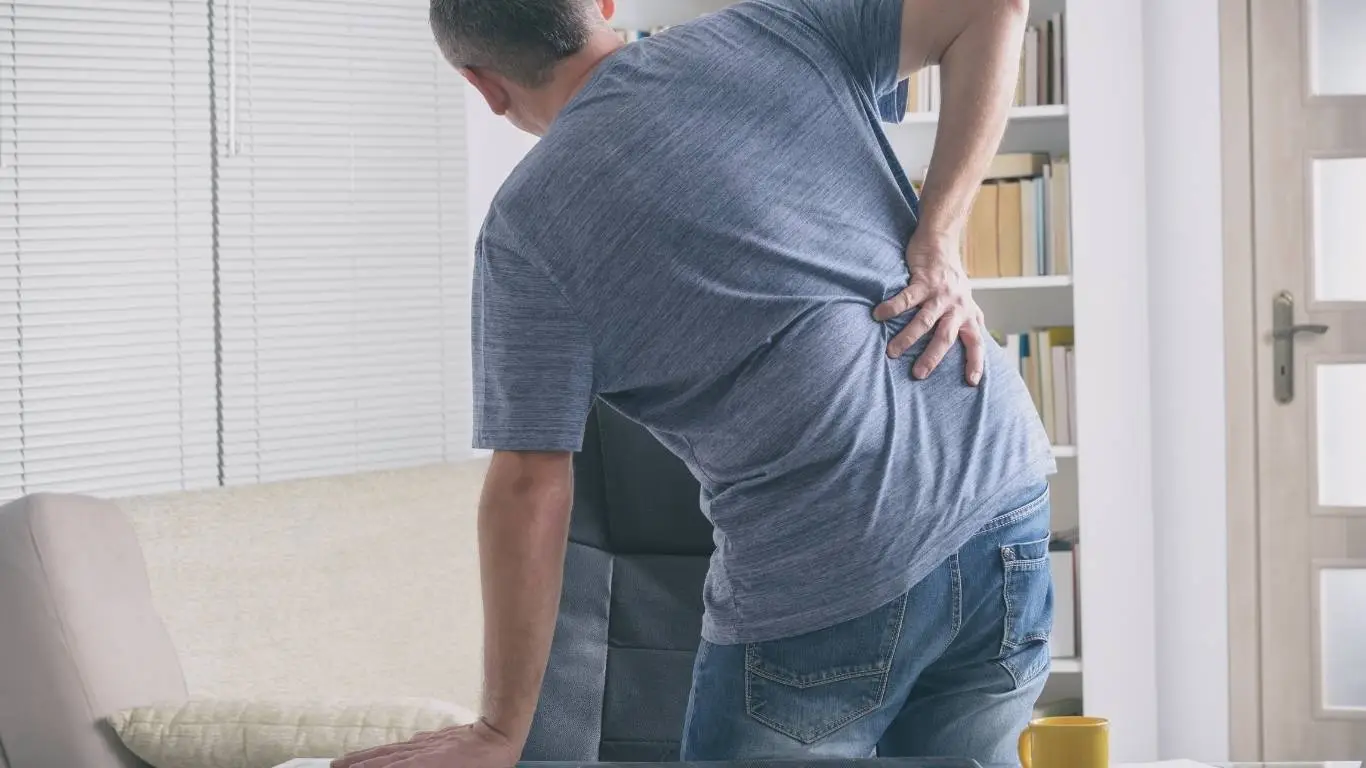
While high-impact workouts are off the table for many of us, there are still safe movement routines that can support your spine without triggering more symptoms. I personally found a lot of relief through:
- Targeted yoga poses for nerve decompression
- Pilates with a focus on core engagement
- Daily stretching sequences that don’t overextend the sacrum
The goal is to stay mobile without adding pressure to the cyst area. I started small — even micro-movements helped build back confidence and function.
When Surgery Becomes the Conversation

Surgery for Tarlov cysts is controversial. Not every neurosurgeon even offers it. But for some, it’s the only option left after everything else fails. Procedures range from cyst drainage and fibrin glue injections to full cyst removal or nerve root decompression.
If you’re considering surgery, make sure to research surgeons who specialize in Tarlov cysts — not just general spine surgeons. There are very few experts in this niche field. Questions to ask include:
- How many Tarlov procedures have you performed?
- What are your complication and recurrence rates?
- Will nerve monitoring be used during surgery?
It’s also smart to read up on recovery expectations. This isn’t a quick fix — many patients need long-term rehab, and symptom relief may take months.
Mental and Emotional Toll of Not Being Believed

This one’s big. Bigger than most people realize. When your pain doesn’t “show up” on standard scans or doesn’t fit the mainstream back pain narrative, you get brushed off. I’ve had doctors look at me like I was making it up. Friends who said, “But you look fine.”
The emotional fallout from that kind of dismissal is real. It impacts your confidence, your mental health, and your willingness to keep fighting for answers.
That’s why I leaned heavily into mindfulness practices, joined online support groups, and started tracking my own symptoms. Journaling helped me draw patterns between flare-ups and triggers. And honestly? It gave me a voice when I felt invisible.
Simple Lifestyle Hacks That Actually Help

When you’re dealing with chronic sacral nerve irritation, everything matters — even the tiny things. Here are a few habits I’ve adopted that made a surprising difference:
- Following an anti-inflammatory diet to reduce systemic irritation
- Using ergonomic setups both at work and home
- Swapping out my mattress and pillows based on sleeping posture
- Tracking flare-ups with mobile apps to spot trends and reduce surprises
It’s not about “curing” the issue, but minimizing the frequency and intensity of flare-ups. And that makes life feel manageable again.
What I Wish I Knew Earlier

If someone had handed me a roadmap on day one, I probably would’ve saved months of confusion and frustration. So here’s what I’d tell anyone just starting this journey:
- Don’t settle for vague diagnoses. If your symptoms don’t align with typical lower back pain, dig deeper.
- Insist on imaging that includes the sacral region and ask the radiologist specifically about Tarlov cysts.
- Get a second opinion. Or a third. You’re not being difficult — you’re being thorough.
And most importantly — listen to your body. Nobody knows your pain better than you do. If something feels off, it probably is.
To explore deeper insights on how conditions like this fit within the bigger back pain picture, check out the related pillar on back pain causes — it’s loaded with expert-backed context you won’t find in a quick doctor’s visit.
For more foundational knowledge that ties it all together, I also recommend the main hub at healthusias.com/back-pain. Whether you’re newly diagnosed or years into the journey, it’s a solid anchor point to keep coming back to.

Camellia Wulansari is a dedicated Medical Assistant at a local clinic and a passionate health writer at Healthusias.com. With years of hands-on experience in patient care and a deep interest in preventive medicine, she bridges the gap between clinical knowledge and accessible health information. Camellia specializes in writing about digestive health, chronic conditions like GERD and hypertension, respiratory issues, and autoimmune diseases, aiming to empower readers with practical, easy-to-understand insights. When she’s not assisting patients or writing, you’ll find her enjoying quiet mornings with coffee and a medical journal in hand—or jamming to her favorite metal band, Lamb of God.