Why Tight Hamstrings Make Back Pain Worse Than You Think
Ever feel like your lower back is stiff for no apparent reason? Like, you didn’t lift anything heavy, didn’t do any wild twisting, but still—bam! That low back tightness creeps in by mid-afternoon. Been there, done that. What I eventually discovered (after months of nagging discomfort) is that tight hamstrings can quietly mess with your back more than you’d think. Let’s dig into why.
How Tight Hamstrings Wreck Your Lower Back

Your hamstrings—those thick muscles behind your thighs—connect your pelvis to your knees. When they get tight, they pull on the pelvis, rotating it backward (posterior pelvic tilt). That shift places unnatural pressure on the lumbar spine, often leading to pain, stiffness, and even nerve irritation over time. I learned this the hard way after spending years sitting at a desk with zero stretching.
Why They Get Tight (Even If You’re Not an Athlete)
You don’t need to be a runner or a lifter to have tight hamstrings. Actually, most people with sedentary jobs—especially desk workers—have them. Prolonged sitting keeps the hamstrings in a shortened position for hours on end. Add poor posture and a lack of movement, and you’ve got the perfect recipe for muscle tightness.
The Link Between Posterior Pelvic Tilt and Back Pain
When the pelvis tilts backward, your spine compensates. That added strain often ends up in the lumbar area, especially the L4-L5 region. It’s no wonder people with tight hamstrings often complain of lower back soreness, especially after sitting too long or standing up too fast.
For more on how poor posture contributes to back pain, check out this guide.
What the Pain Actually Feels Like

Not all back pain is the same, obviously. But when it’s related to tight hamstrings, you’ll usually feel a kind of dull, aching stiffness in the lower back, especially after long periods of inactivity. In my case, I’d often get a slight throbbing pain when bending forward—like when tying my shoes or picking something up.
- Aching or tight sensation in lower back
- Discomfort when standing after sitting too long
- Difficulty reaching forward or touching toes
- Low-grade pain during or after walking
How to Tell If Your Hamstrings Are the Culprit
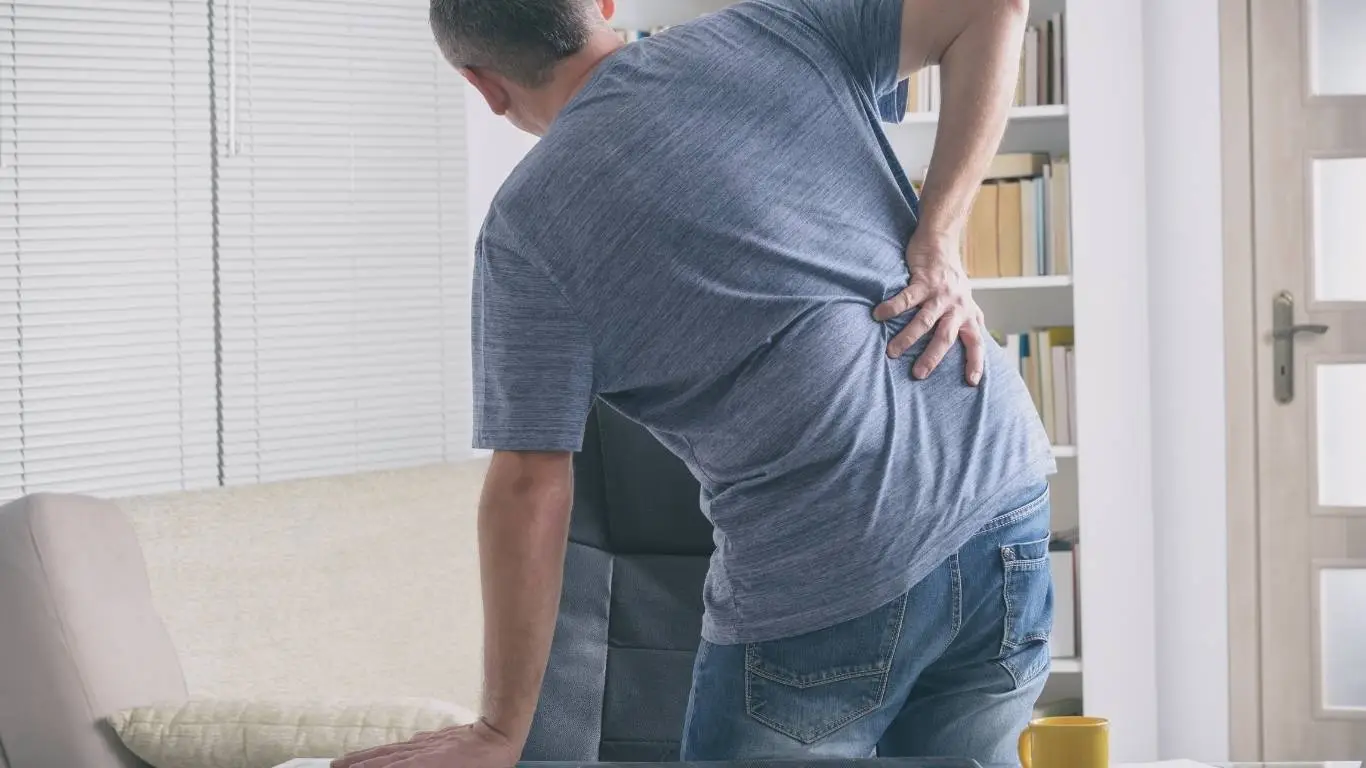
This is where it gets interesting. You can actually test your hamstring flexibility at home. Here’s how:
- Stand upright with your feet together.
- Keep your legs straight (but not locked) and slowly bend forward, reaching for your toes.
- If you can’t reach past your knees without rounding your back or feeling a strong pull behind your thighs—you’ve got tight hamstrings.
Some people also feel tightness in the glutes or calves when hamstrings are stiff, which adds to the discomfort. If the restriction is significant, it can even lead to other conditions like sciatica or sacroiliac joint issues.
Why Stretching Alone Doesn’t Always Work

This used to drive me nuts. I stretched like crazy but saw almost zero improvement. Why? Because tight hamstrings don’t always respond well to aggressive static stretching, especially if your glutes and core are weak. It’s a kinetic chain—tightness in one area can signal weakness in another. That’s why stretching without strengthening won’t solve the issue long-term.
Don’t Forget the Core
Without a strong core to stabilize the pelvis, your body will keep defaulting to poor movement patterns. Core training doesn’t have to be intense either. Think planks, bird-dogs, and pelvic tilts—basic but super effective. Learn how combining strength and flexibility reduces pain.
Simple Daily Fixes That Help

I keep a resistance band near my couch now and use it to stretch for 5 minutes daily. Game-changer. Here are some things that worked well for me and my clients:
- Dynamic stretches before workouts or long days at the desk
- Foam rolling the back of the thighs to loosen up fascia
- Active mobility drills like inchworms or leg swings
- Core-focused exercises like dead bugs and hip bridges
Want to improve your mobility and reduce pain long term? This deep dive into exercise and rehab strategies can really help. It’s one of the most comprehensive resources I’ve used.
Look at the Bigger Picture
We often fixate on the painful area (in this case, the back) and ignore the root causes. I’ve seen people chase massage after massage without lasting relief. Once they addressed their hamstring flexibility and posture habits, the change was dramatic.
And don’t overlook daily habits. Your chair, how you stand, even your shoes—these all play a role. Here’s a great read on ergonomics that support back health.
For an in-depth look at how the spine, muscles, and posture interact, visit the anatomy and types of back pain page.
To understand how back pain connects to multiple factors, the main back pain pillar guide gives a full framework you’ll want to bookmark.
The Surprising Role of Nerve Tension
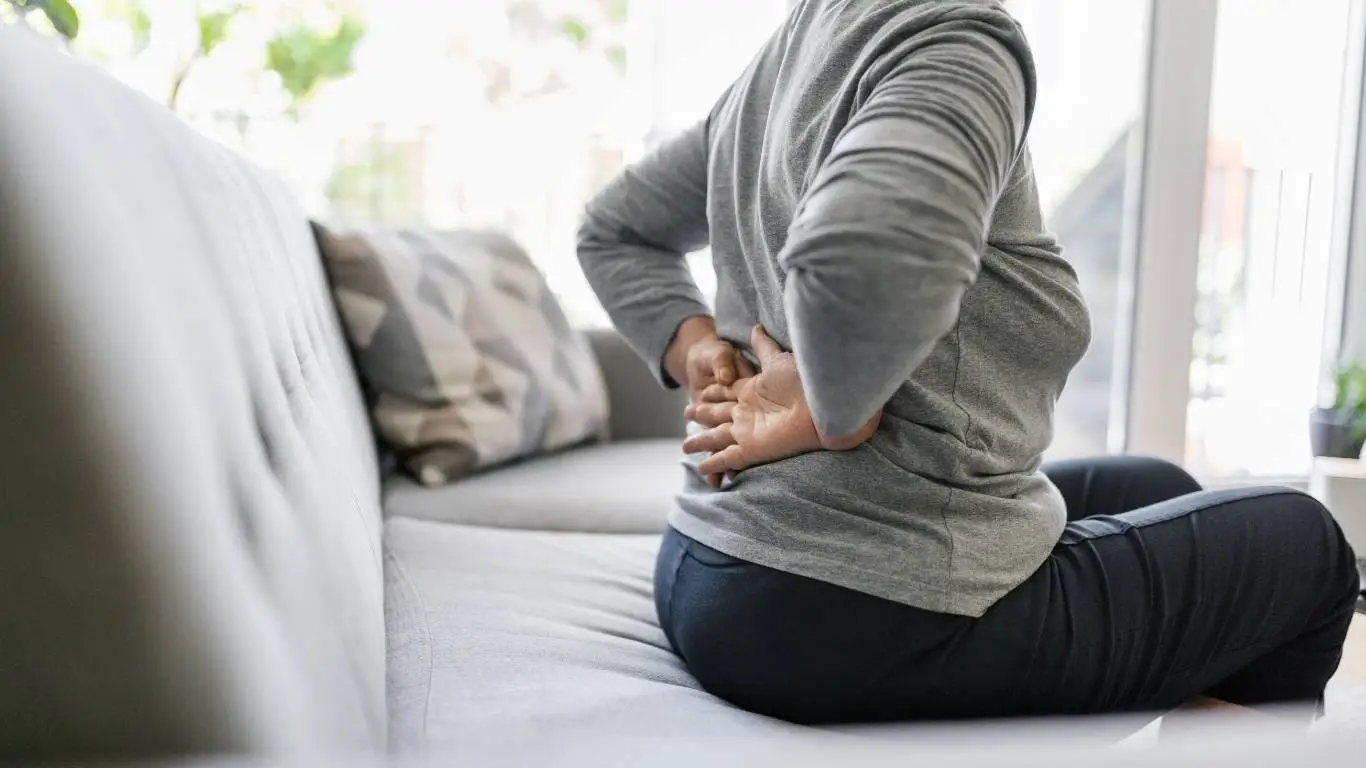
Here’s something that surprised me during physical therapy: sometimes what feels like muscle tightness is actually nerve tension. The sciatic nerve, which runs through the hamstrings, can get “tugged” if mobility is limited or inflammation is present. That nerve tension can mimic muscle stiffness and refer pain all the way to the lower back.
This is why you might stretch and stretch, but still feel “tight.” If the issue is neural, aggressive stretching could actually worsen things. In my case, switching to nerve flossing exercises made a bigger difference than months of static stretching.
Symptoms of Nerve-Related Back Pain
- Tingling or numbness in the back of the thigh
- Sharp, shooting pain rather than dull ache
- Burning sensation near the glutes or lower spine
- Discomfort during hamstring stretches that feels more “nerve-y” than muscular
If these sound familiar, you might want to explore techniques like sciatic nerve glides. Here’s an excellent resource that explains safe nerve mobilization exercises.
How Muscle Imbalances Fuel the Problem
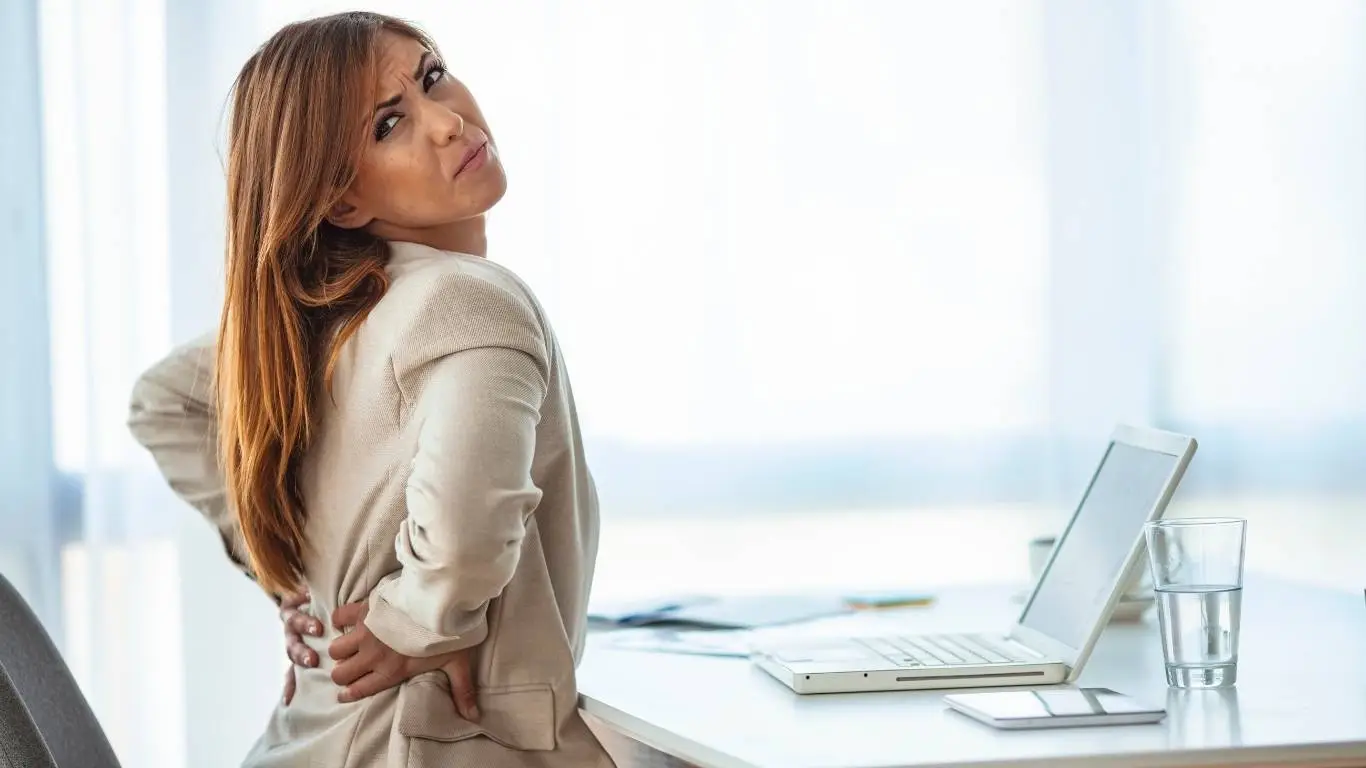
Tight hamstrings don’t exist in isolation. They’re usually part of a bigger movement imbalance. One common combo I’ve seen in clients (and personally experienced) is tight hamstrings + weak glutes + weak core. This trio causes the pelvis to tilt and the lower back to overcompensate. Sound familiar?
Strengthening the glutes, especially through movements like bridges, clamshells, and split squats, can take pressure off the hamstrings and rebalance the hips. It’s not about blasting your legs at the gym. It’s about reactivating underused muscles so others can finally relax.
More on how to avoid setbacks during muscle strain recovery: these tips helped me get moving again without aggravating pain.
Best Hamstring-Friendly Back Pain Exercises

Let’s get practical. These moves helped me and many others build better mobility and reduce tension in both the hamstrings and lower back. Don’t just stretch—mobilize, strengthen, and stabilize.
- Supine hamstring stretch with strap — Lie on your back, loop a strap around your foot, and gently pull your leg toward you without lifting your hips.
- 90/90 hip hinge — Great for improving pelvic control while stretching hamstrings in a supported position.
- Bridge with hamstring walkout — Targets glutes and hamstrings, building strength and coordination.
- Seated nerve floss — Sit on a chair, extend one leg, flex your foot, and slowly bend and straighten your knee. Gentle, controlled motion is key.
Want to dive deeper into low-impact exercises that support healing? Check this guide on gentle back-friendly exercises.
What to Avoid
Here’s the kicker—some popular stretches can actually irritate your back if hamstrings are tight. I had to stop doing deep forward folds entirely for a while. They compressed my lower spine and worsened my discomfort. Stick with moves that maintain a neutral spine and emphasize gradual, supported mobility.
The Sleep and Footwear Connection

This might seem unrelated, but poor sleep posture and bad footwear sneakily worsen tight hamstrings and back pain. A saggy mattress can throw your spine out of alignment all night, while flat shoes with no support (yes, even those trendy ones) mess with your gait, which indirectly shortens the posterior chain.
- Opt for mattresses that support the natural spine curve
- Use a small pillow under knees if sleeping on your back
- Replace worn-out footwear that lacks arch or heel support
- Avoid going barefoot on hard floors for extended periods
This guide on sleeping positions for back pain made a surprising difference in my mornings.
Don’t Ignore These Red Flags
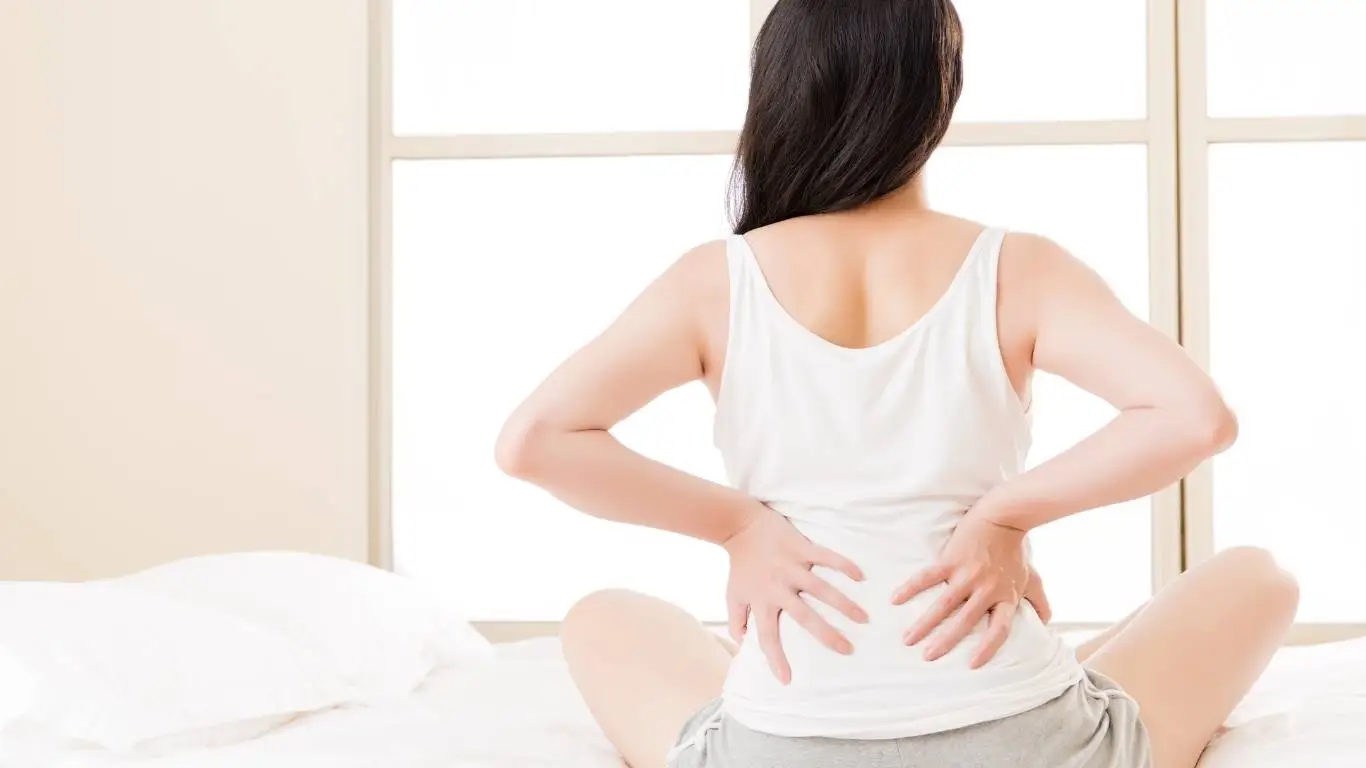
Sometimes back pain linked to hamstrings masks more serious issues. If you’re dealing with any of the following, it’s best to consult a physician or physical therapist:
- Sudden weakness in legs
- Loss of bladder or bowel control
- Unexplained weight loss with back pain
- Pain that worsens at night
More warning signs that shouldn’t be ignored: important back pain red flags to know.
Fuel Matters: Anti-Inflammatory Choices

What you eat plays a role in muscle recovery and inflammation. Once I cleaned up my diet—swapped processed foods for more omega-3s, greens, and turmeric—the chronic tightness improved faster than I expected. Hydration helps too. Dehydrated muscles cramp and stiffen easily.
If you’re curious how food affects pain, check this deep dive into anti-inflammatory eating for back health.
When to See a Specialist

If you’ve been doing all the right things—stretching, strengthening, fixing posture—and pain still lingers, don’t hesitate to get professional help. I waited too long myself, thinking it would just “work itself out.” Sometimes it’s a minor alignment issue that a chiropractor or PT can correct in one session.
More on effective conservative care options: see what methods actually help without surgery.
For anyone serious about reversing back pain at the root level, I strongly recommend reviewing the broader topic of lifestyle and natural remedy strategies.
Don’t miss the complete foundation article that connects all of this: Back Pain Overview

Camellia Wulansari is a dedicated Medical Assistant at a local clinic and a passionate health writer at Healthusias.com. With years of hands-on experience in patient care and a deep interest in preventive medicine, she bridges the gap between clinical knowledge and accessible health information. Camellia specializes in writing about digestive health, chronic conditions like GERD and hypertension, respiratory issues, and autoimmune diseases, aiming to empower readers with practical, easy-to-understand insights. When she’s not assisting patients or writing, you’ll find her enjoying quiet mornings with coffee and a medical journal in hand—or jamming to her favorite metal band, Lamb of God.