Traumatic Vitreous Hemorrhage Can Seriously Threaten Your Vision
If you’ve ever been hit in the eye and suddenly saw a cloud of dark floaters or even a reddish haze drifting across your vision, you’re not alone. I’ve personally dealt with this after an unexpected basketball injury that left my eye swollen—and my vision more haunted than helpful. What followed was a long, confusing journey of understanding what had happened. That “cloud” turned out to be something called a traumatic vitreous hemorrhage, and let me tell you—it’s not something you want to ignore. Let’s break it down and make sense of it in real terms.
What Exactly Is Traumatic Vitreous Hemorrhage?
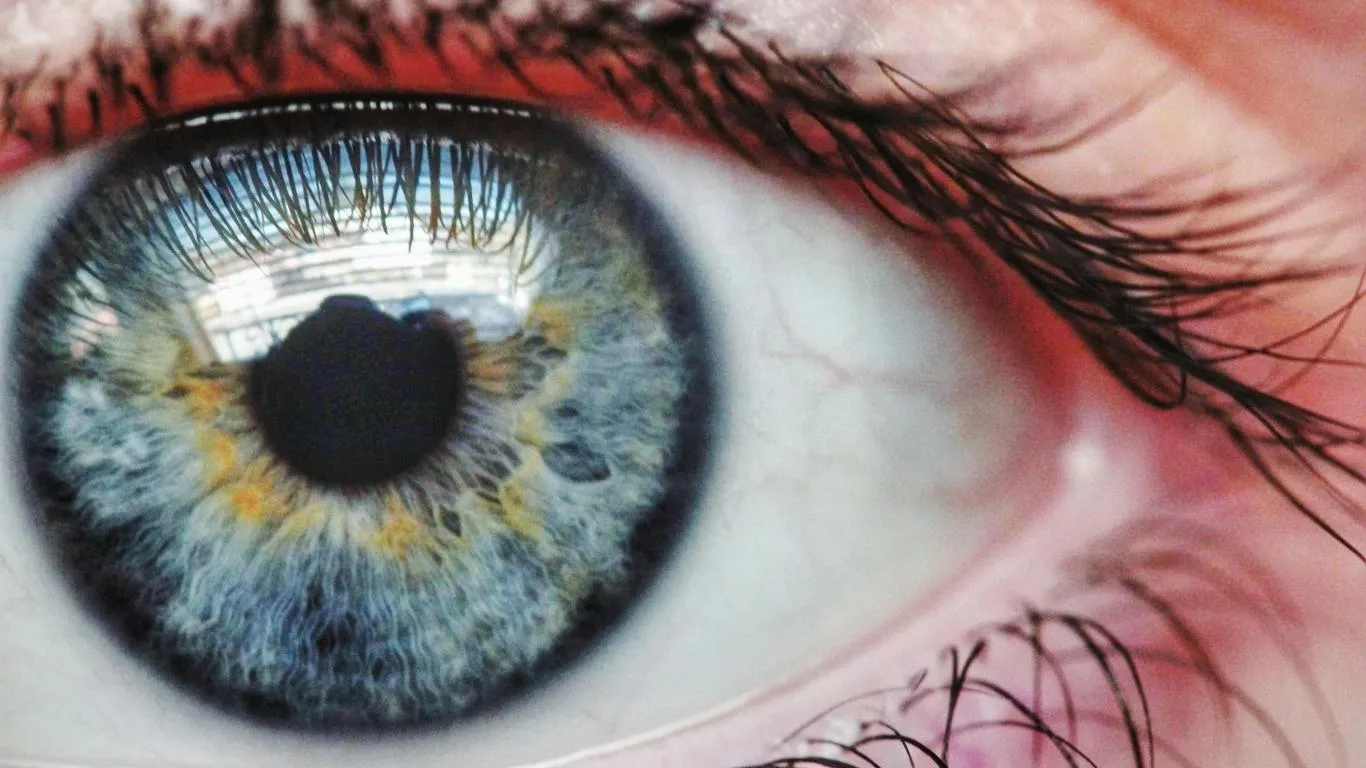
A vitreous hemorrhage is basically when blood leaks into the gel-like substance in your eye called the vitreous humor. And when it’s caused by blunt force trauma—like getting smacked with a tennis ball, falling off a bike, or even a car accident—it’s known as traumatic vitreous hemorrhage.
This condition doesn’t just mess with your vision—it can also be a red flag for deeper problems like a retinal tear or detachment. That’s where it gets scary. A small injury might seem like no big deal until days later when you notice vision loss or floaters that weren’t there before.
Common Causes of Eye Trauma That Lead to Vitreous Hemorrhage
I’ll admit—my injury was just one of many ways this can happen. Here are the most frequent causes of trauma that can trigger this condition:
- Sports injuries (basketball, soccer, boxing—basically anything with high-speed impacts)
- Falls or accidents involving blunt force to the face
- Physical altercations or assaults
- Motor vehicle crashes where the head or face is jolted
Interestingly, not all injuries are immediately obvious. I’ve heard of people who didn’t even realize they’d damaged their eye until the floaters and visual haze showed up hours or even a day later.
Symptoms You Shouldn’t Ignore
Here’s the thing: not every eye injury results in a vitreous hemorrhage, but certain symptoms should set off alarm bells. From what I experienced—and what my ophthalmologist later confirmed—these are the most common signs:
- Sudden floaters: dark specks, cobwebs, or shadowy threads drifting through your field of vision
- Blurry or hazy vision: like trying to look through foggy glass
- Reddish tint: your entire vision might have a pink or red hue, depending on how much bleeding occurred
- Photopsia: flashes of light, especially in dark settings
These aren’t symptoms to brush off. In fact, seeing floaters after blunt trauma may be the first clue that something more serious is going on, like a posterior vitreous detachment or even a retinal break.
What Causes the Bleeding Inside the Eye?
After trauma, tiny blood vessels inside the retina or along the surface of the optic disc can rupture. These fragile capillaries aren’t built to withstand sudden force. The bleeding can be minor or extensive depending on:
- The intensity of the trauma
- Your age (older eyes are more vulnerable)
- Pre-existing eye conditions like diabetic retinopathy
In my case, the trauma led to a torn blood vessel near the peripheral retina. The pressure caused the blood to leak into the vitreous slowly over a few hours. I didn’t notice anything until the next morning when I woke up to dozens of floaters swimming in my left eye.
Who’s Most at Risk?

While anyone can end up with a traumatic vitreous hemorrhage, some groups are more prone to it:
- Athletes – especially in high-impact sports
- People with eye disorders like lattice degeneration
- Older adults – because the vitreous gel shrinks and detaches with age
- Those on blood thinners – even mild trauma can trigger bleeding
And let’s not forget post-surgery eyes. If you’ve had LASIK or PRK, your eyes may be slightly more sensitive to trauma. It’s worth checking out this detailed comparison on LASIK and floaters.
How Is It Diagnosed?
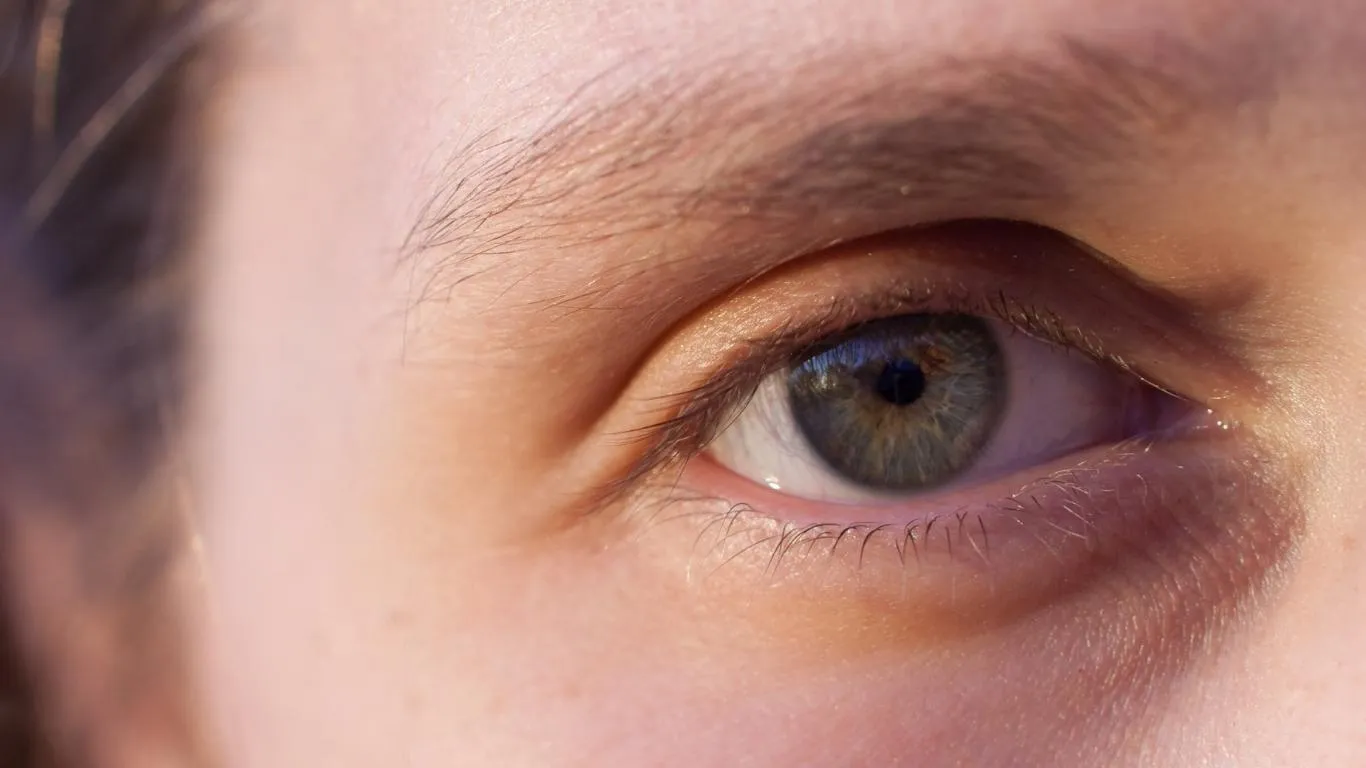
Your eye doctor might use a slit lamp, ultrasound (B-scan), or a dilated fundus exam to figure out what’s going on behind the scenes. In my case, I had to go through an ultrasound because the blood made it impossible to see the retina clearly with just light.
According to American Academy of Ophthalmology, early detection is vital if there’s a retinal tear or detachment hiding behind the hemorrhage. That’s why even a small bleed should get checked out by a specialist, not just your local optician.
What Happens If You Leave It Untreated?

This was a huge eye-opener (pun intended) for me: some people try to “wait it out.” Big mistake. A vitreous hemorrhage can lead to long-term vision issues if it’s a sign of something more sinister. It could mask:
- A torn or detached retina
- Retinal vein occlusion
- Proliferative vitreoretinopathy
It’s worth reading the detailed breakdown on posterior vitreous detachment which often overlaps with trauma-induced bleeding.
For a broader understanding of eye floaters in general, I highly recommend reading this comprehensive guide to eye floaters. And if you want to explore how traumatic injuries intersect with other eye conditions, check out this solid overview: Common Causes of Eye Floaters.
What Are the Treatment Options for Traumatic Vitreous Hemorrhage?
The way your doctor treats a vitreous hemorrhage totally depends on what’s causing the bleed and how much of the vitreous is filled with blood. If you’re lucky, like I was, your body may reabsorb the blood over time—no surgery needed. But that’s not always the case.
Watch and Wait (If It’s Minor)
For mild cases, doctors often just recommend rest, avoiding strenuous activity, and regular monitoring. During my recovery, I had to stop all cardio workouts for almost a month—just to keep blood pressure low and avoid stirring up more bleeding. It was tough, but it helped.
You’ll probably go in for follow-ups every couple of weeks so they can keep tabs on your retina and watch for signs of retinal tears developing underneath.
Laser Treatment
If the hemorrhage is from a retinal tear, your doctor might use a laser to seal it. This creates scar tissue that prevents further bleeding and reduces the risk of a full-on detachment. Sounds scary, but the procedure is pretty quick and done right in the clinic. No anesthesia needed for most cases.
Vitrectomy Surgery
This is the big one. If the blood isn’t clearing on its own or if you’re dealing with persistent vision loss, they may recommend a vitrectomy. That’s where they go in and remove the vitreous gel (along with the blood), then replace it with a clear saline solution.
It’s common in cases where floaters and haze stick around longer than 3 months—or when your vision is so impaired you can’t function. I know someone who needed this after getting hit with a baseball. The procedure restored almost all his vision. No regrets.
How Long Does Recovery Take?
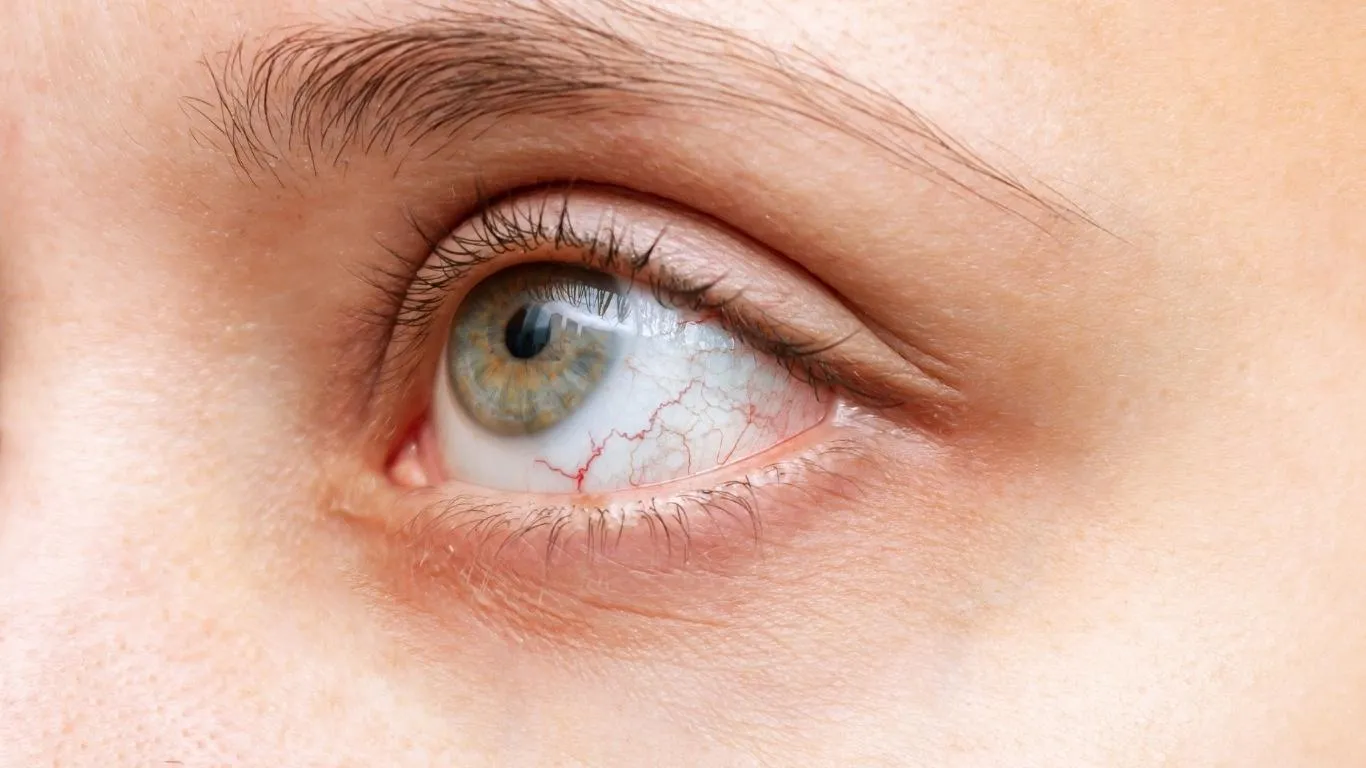
Recovery varies a lot. For me, it took about 6 weeks to feel like things were “mostly” back to normal. The floaters were the last to go—they gradually faded out until I barely noticed them.
In more severe cases, especially post-vitrectomy, full recovery might take 2–3 months. You’ll need to avoid lifting heavy objects, exercising too hard, or anything that raises intraocular pressure.
Some people also deal with lingering floaters that never completely disappear. That’s why post-treatment eye care is so important. This guide on reducing floaters post-injury has some solid advice worth trying out.
Helpful Tips to Protect Your Vision During Healing
- Wear protective glasses – especially if you’re going back into sports or any risky environment.
- Sleep with your head slightly elevated – it helps blood settle lower in the eye and speeds up clearing.
- Hydrate and eat clean – not just for your eyes, but for vascular healing in general.
- Keep stress in check – there’s evidence that stress may make floaters more noticeable. See more on that here.
Also: avoid self-diagnosing or delaying care. I made the mistake of Googling symptoms before seeing a doctor and nearly convinced myself it was nothing. Thankfully, I got it checked out early—otherwise, it could have spiraled into a retinal detachment.
How to Prevent It From Happening Again

Here’s the truth: once you’ve had a traumatic vitreous hemorrhage, your eye’s a bit more vulnerable. Preventing a second incident is about changing small habits and being more conscious about eye protection.
Use Protective Gear
If you play contact sports or even ride a bike often, start wearing polycarbonate sports glasses. I didn’t use them before, but now I won’t play basketball without them.
Manage Health Conditions
If you’re on blood thinners or have hypertension, work closely with your doctor. High blood pressure can make even minor injuries bleed worse. In fact, here’s a good explainer on how high blood pressure impacts floaters.
Stay On Top of Eye Checkups
Especially if you’ve had eye surgery or conditions like Ehlers-Danlos syndrome, your retina may be structurally weaker. Annual dilated exams can catch problems before they escalate.
Living With Floaters Post-Hemorrhage

Even after your vision stabilizes, those pesky floaters might still stick around. Mine slowly faded, but I can still catch them in bright light or while staring at a screen for too long.
They’re less intense now—and I’ve learned how to tune them out—but I wish I had known more about this earlier. Many people with similar symptoms end up thinking it’s just part of aging. It’s not always. Sometimes it’s a leftover from trauma.
To get a more holistic understanding of managing this condition naturally, here’s a deep dive worth bookmarking: Natural Ways to Manage Eye Floaters.
And if you haven’t yet, the main overview of what causes floaters is incredibly helpful for long-term management.

Camellia Wulansari is a dedicated Medical Assistant at a local clinic and a passionate health writer at Healthusias.com. With years of hands-on experience in patient care and a deep interest in preventive medicine, she bridges the gap between clinical knowledge and accessible health information. Camellia specializes in writing about digestive health, chronic conditions like GERD and hypertension, respiratory issues, and autoimmune diseases, aiming to empower readers with practical, easy-to-understand insights. When she’s not assisting patients or writing, you’ll find her enjoying quiet mornings with coffee and a medical journal in hand—or jamming to her favorite metal band, Lamb of God.