Troubled By Floaters Or Debris After Cataract Surgery? Know What Helps
About a year after my cataract surgery, I started noticing something odd. Tiny shadows or squiggly lines began drifting across my vision—like translucent debris or specs that refused to go away when I blinked. At first, I thought maybe it was just dryness or fatigue. But nope. These annoying floaters had officially joined the party. If you’re seeing floaters or debris after cataract surgery, you’re not alone—and you’re not imagining things. Let’s dive into what might actually be going on inside your eye.
Why Do Floaters Appear After Cataract Surgery?
While floaters are typically associated with aging, they can also show up post-surgery, especially after procedures like cataract removal. The moment that natural lens is replaced with an artificial one (IOL), the eye undergoes a lot of change. The vitreous—the gel-like substance inside your eye—can start shifting, and that’s where things can get murky, literally.
Posterior Vitreous Detachment (PVD)
One common cause is posterior vitreous detachment. This occurs when the vitreous gel begins to separate from the retina. While it sounds dramatic, it’s quite common, especially after cataract surgery where the internal eye environment is altered. You can learn more about this process in detail here.
Inflammation After Surgery
Any surgical procedure introduces trauma to the eye. Even a smooth cataract operation can cause temporary inflammation, leading to cells and debris floating around in the vitreous. That cloudiness you’re noticing? It could be remnants of that.
How Long Do Floaters Last After Cataract Surgery?

Here’s where it gets tricky. For some people, the floaters disappear within a few weeks. For others—like me—they can linger, sometimes indefinitely. It depends on several factors:
- Your age and vitreous health
- How your eye healed post-surgery
- If you had any complications like inflammation or retinal traction
According to the American Academy of Ophthalmology, most floaters are harmless and fade with time, but persistent or worsening symptoms warrant professional attention.
When Should You Be Concerned?
If your floaters are accompanied by flashes of light, a sudden increase in quantity, or what looks like a “curtain” across your vision, stop reading and call your eye doctor—immediately. These could be signs of a retinal tear or detachment, which require urgent care. Read about this critical issue here.
Is It Actually Floaters or Something Else?
This is where things get fuzzy—literally and figuratively. Not everything that looks like a floater is a floater. Sometimes, light scattering off the edges of the IOL (intraocular lens) can mimic floater-like symptoms. Other times, debris left from surgery or inflammation can cloud vision temporarily.
I actually went back to my surgeon thinking something went wrong. Turns out, I was experiencing vitreous syneresis—a natural collapse and liquefying of the vitreous—accelerated by the surgery. Harmless, but endlessly annoying.
Want to understand how floaters differ from other visual disturbances? This guide breaks it down clearly: Eye Floaters vs. Other Eye Problems.
Do Floaters Get Worse Over Time?

That depends. For many, they remain stable or even fade into the background as the brain adapts and learns to filter them out. But certain triggers—like cataract surgery itself—can sometimes cause more floaters to appear, especially if you’re already predisposed due to age or other conditions like diabetes.
If you’re wondering whether these symptoms are just “your new normal” or if something deeper is happening, here’s a helpful read on YAG capsulotomy floaters and how long they last. (Spoiler: sometimes they do fade, but patience is key.)
What You Can Do About It (and What Not To)
Here’s what helped me (and what might help you too):
- Monitor regularly – Track any changes in shape, number, or behavior.
- Stay hydrated – Dry eyes can sometimes exacerbate floater visibility. Dehydration may worsen symptoms (source).
- Get an eye exam – If it’s been a few months and they’re not fading, your optometrist or ophthalmologist may want to check for retinal concerns.
Avoid obsessively trying to “follow” the floaters with your eyes. That just leads to frustration. Also, be cautious about self-treating with supplements or drops unless guided by a specialist.
If you’re looking for deeper context on the many causes behind floaters, visit this pillar article on common causes—and for a full overview of floaters, including symptoms and treatment options, check out the main Eye Floaters guide.
Can Floaters Be Treated After Cataract Surgery?
This was one of the first things I asked my eye doctor. “Is there anything I can do to get rid of these things?” The short answer? Sometimes. Not all floaters need treatment, and in many cases, no treatment is the best course. But if they’re affecting your daily life—like they were for me—there are a few options worth exploring.
Observation: Wait and See
Most floaters after cataract surgery fade into the background over time. Your brain adapts. You stop noticing them. It’s not instant gratification, but it’s the most common approach—especially if there’s no sign of retinal damage or inflammation. The key is regular monitoring. Learn more about when to worry here.
Laser Vitreolysis
This one’s a bit controversial. Some ophthalmologists offer laser vitreolysis to break up larger floaters using YAG laser technology. Results vary—some patients swear by it, others see little change. The treatment is typically reserved for stable floaters that remain centrally located and interfere with vision. It’s not always recommended post-cataract surgery unless floaters persist or worsen significantly. Here’s a closer look at how lasers interact with floaters: Retinal Laser Floaters.
Vitrectomy
This is the big one. A vitrectomy involves surgically removing the vitreous gel (and floaters with it), replacing it with a saline solution. While effective, it’s invasive and not without risk—retinal detachment, cataract progression (which obviously isn’t a concern if you’ve already had one), and infection are all possible outcomes. PubMed and other trusted clinical resources outline both benefits and risks in depth.
Can Eye Floaters Signal Other Conditions?

Absolutely—and that’s why dismissing them as “just floaters” isn’t always wise. After cataract surgery, floaters could sometimes hint at something deeper. For example:
- Retinal tears or detachments – Especially if floaters are new or accompanied by flashes of light.
- Eye infections – Post-surgical infections can leave behind cellular debris, mimicking floaters. More on that here.
- Inflammatory diseases – Conditions like uveitis or autoimmune issues may flare up after surgery and cause persistent floaters. Read how uveitis plays a role.
For anyone who has underlying conditions like stress-related flare-ups, diabetes, or autoimmune diseases, surgery may trigger or worsen existing eye changes.
Living with Persistent Floaters
I’ll be honest—there are days where floaters still catch my attention. Especially when reading on a white screen or looking up at a bright sky. But I’ve learned a few tricks to make life easier:
- Use contrast-adjusted lighting indoors – Too much glare can exaggerate floaters.
- Blue light filters – Help reduce eye strain and visibility of floaters when using screens.
- Mindful blinking – Sometimes just pausing and blinking slowly helps shift floaters out of view.
- Eye health supplements – I started using lutein and zeaxanthin blends after reading this research-backed guide. No miracles, but it helps.
It also helped to reframe how I thought about them. The more I obsessed, the more I noticed. Shifting focus—literally and mentally—helped floaters fade into the mental background.
Can Cataract Surgery Itself Cause These Floaters?
Yes, but not in the way you’d think. Cataract surgery doesn’t “create” floaters—but it can reveal pre-existing ones or accelerate conditions like vitreous detachment. The clearer vision post-surgery makes floaters that were already there much more noticeable. It’s like wiping a dirty window and suddenly realizing all the imperfections behind it.
There’s also the possibility that surgery triggers changes in the gel structure of the eye, leading to new floaters forming. It’s not universal, but it’s not rare either.
How to Talk to Your Doctor About Floaters

When I finally sat down with my ophthalmologist, I had a list. Here are some of the things I asked—and what you might want to ask too:
- “Are my floaters stable or getting worse?”
- “Is there any sign of retinal damage or detachment?”
- “What are the risks if I do nothing?”
- “Would laser or vitrectomy be an option in my case?”
Doctors appreciate when patients come informed, but respectful. And in my case, that conversation led to a clearer treatment plan—and a lot less stress.
When to Seek a Second Opinion
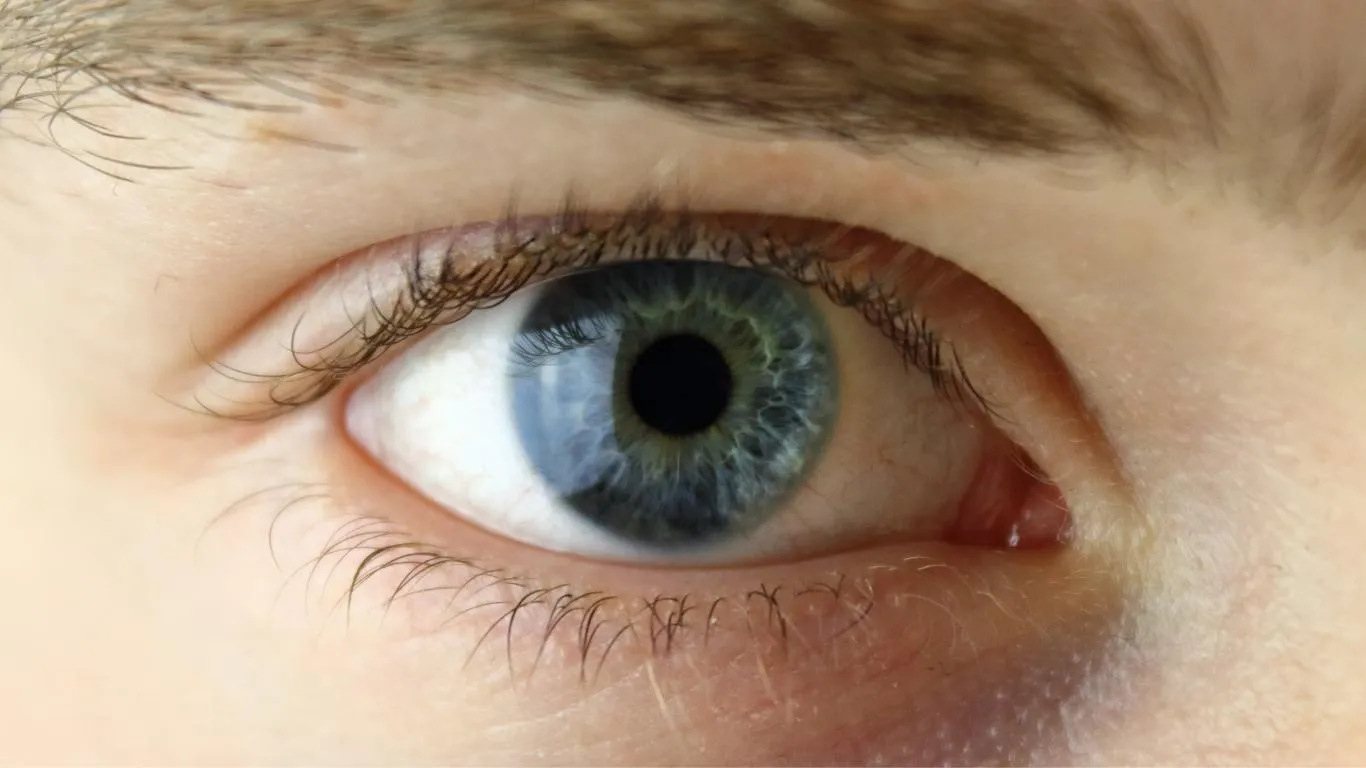
Still seeing debris six months after surgery? Floaters getting worse, not better? It might be time for a second opinion. Another set of eyes (pun intended) can provide clarity, whether it’s to confirm there’s no serious issue or offer an alternative path forward.
Sometimes, persistent floaters after surgery can be linked to conditions like LASIK-related vitreous changes or even residual floaters post-vitrectomy. Getting a specialized retinal evaluation might give you the peace of mind or options you need.
If you want a full picture of your floater situation, this comprehensive breakdown on eye floater treatments is a solid place to start—especially when symptoms persist after eye procedures.
For a foundational understanding of the condition as a whole, don’t miss the main guide on Eye Floaters: Causes, Symptoms, and Treatment.

Camellia Wulansari is a dedicated Medical Assistant at a local clinic and a passionate health writer at Healthusias.com. With years of hands-on experience in patient care and a deep interest in preventive medicine, she bridges the gap between clinical knowledge and accessible health information. Camellia specializes in writing about digestive health, chronic conditions like GERD and hypertension, respiratory issues, and autoimmune diseases, aiming to empower readers with practical, easy-to-understand insights. When she’s not assisting patients or writing, you’ll find her enjoying quiet mornings with coffee and a medical journal in hand—or jamming to her favorite metal band, Lamb of God.