Weak Glutes Can Wreck Your Lower Back If You Ignore These Signs
Not gonna lie—back pain used to sneak up on me like a ninja. One moment I’m feeling fine, and the next, I can’t even bend over to tie my shoes without wincing. I chalked it up to aging or maybe sleeping weird, but turns out, the real culprit wasn’t my back at all—it was my glutes. Yep, weak glutes and lower back strain are more connected than most people think. If you’re constantly feeling that nagging ache in your lower back, and stretching doesn’t seem to help, your glutes might be slacking off.
How Weak Glutes Put Your Lower Back at Risk
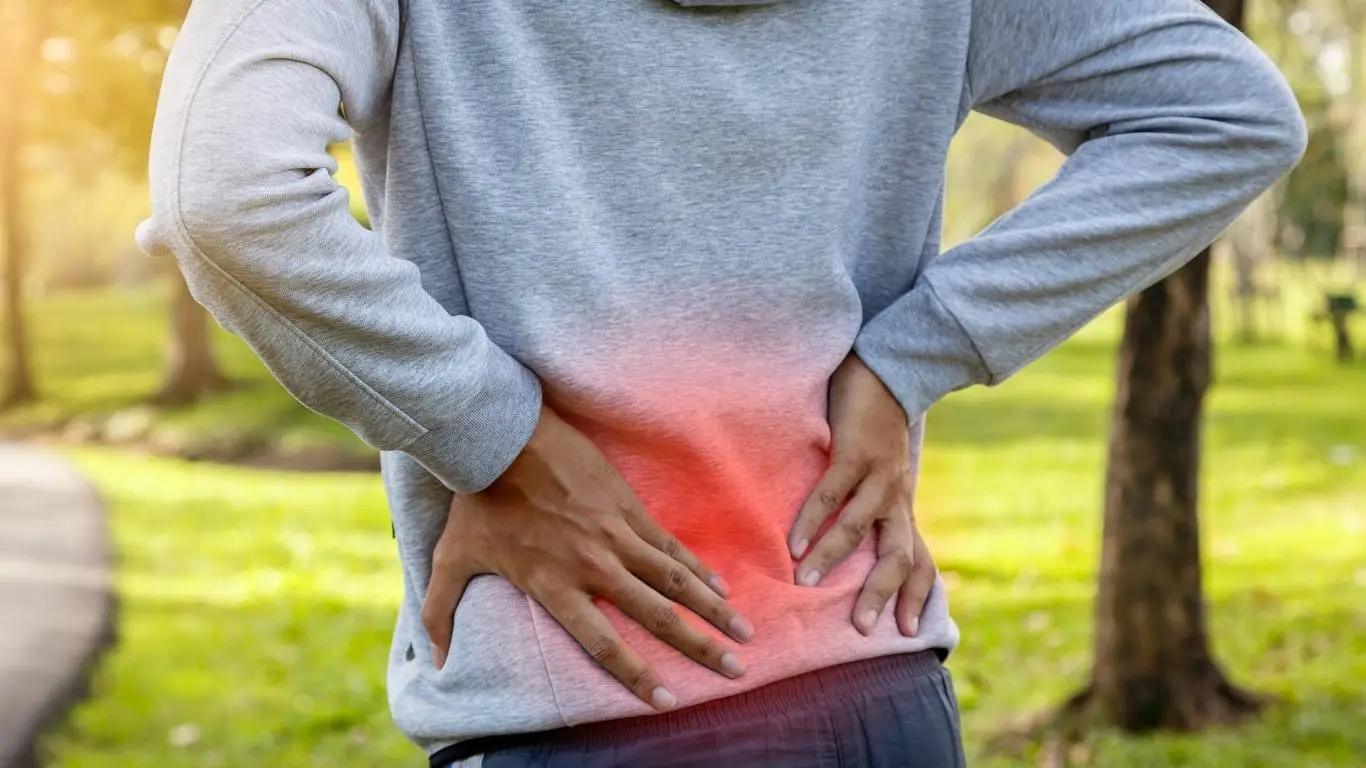
Gluteal muscles—your gluteus maximus, medius, and minimus—are the MVPs of your body’s posterior chain. They power your stride, stabilize your hips, and support your spine. But if they’re weak or underactive, other muscles, especially in your lower back, start overcompensating. That’s when the strain creeps in.
The Chain Reaction of Muscle Imbalance
Think of your body like a team. When one player (your glutes) doesn’t show up, someone else (your lower back) has to cover double duty. Over time, that leads to:
- Muscle fatigue – constant overuse of lumbar muscles.
- Postural changes – especially anterior pelvic tilt and swayback posture.
- Pain and tightness – often mistaken for sciatic issues or disc problems.
According to the National Institutes of Health, gluteal weakness is linked to multiple lower body dysfunctions including lumbar instability. And from what I’ve seen in both my own recovery and others I’ve helped, you can stretch and foam roll all day, but if you don’t strengthen your glutes, the back pain just keeps coming back.
Everyday Habits That Weaken Your Glutes
It’s not just lack of exercise that’s the issue. Everyday routines can actually turn your glutes “offline.” Here’s what I didn’t realize I was doing wrong:
- Sitting for hours – This literally shuts off your glute muscles. If you sit more than 6 hours a day, you’re likely a victim of gluteal amnesia.
- Poor posture – Forward-leaning posture (think hunching over your laptop) shifts your center of gravity and deactivates the hips. More about that here: poor posture and chronic pain.
- One-sided movements – Carrying your bag on the same side, always leaning into one leg, and even sleeping on one side too much—this creates glute imbalances.
Clues Your Glutes Are Underperforming
- Burning or stiffness in your lower back after standing or walking.
- Knees collapsing inward during squats or climbs.
- One hip feels “tighter” or higher than the other.
Sounds familiar? You’re definitely not alone. I ignored these signs for years, thinking it was just “tight hamstrings.” Spoiler: it wasn’t.
How to Start Activating Your Glutes
The good news? You don’t need fancy equipment or a gym membership to turn things around. You just need to wake up your glutes and get them pulling their weight again.
Foundational Glute Activation Moves
Start simple. No jumping or crazy weights. Just reconnect with the muscle group:
- Glute bridges – Focus on squeezing the glutes at the top. Don’t let your lower back do the work.
- Clamshells – Lying on your side, keep the hips stacked. These fire up the glute medius, key for stabilization.
- Bird dogs – It looks easy until you try to hold it steady. Great for building that mind-glute connection.
I used to rush through these thinking they were “too easy” to matter. Big mistake. Slow, controlled reps with intentional glute activation were game changers for my recovery.
Want to Level Up? Add These Next
Once you’re feeling that glute burn consistently, try:
- Step-ups
- Bulgarian split squats
- Hip thrusts with a resistance band
Still not convinced your glutes are the issue? Many back pain cases labeled as “non-specific” are often due to inactive glutes. You can dive deeper into this relationship in our dedicated piece on underlying causes of back pain.
When Lower Back Strain Becomes a Cycle
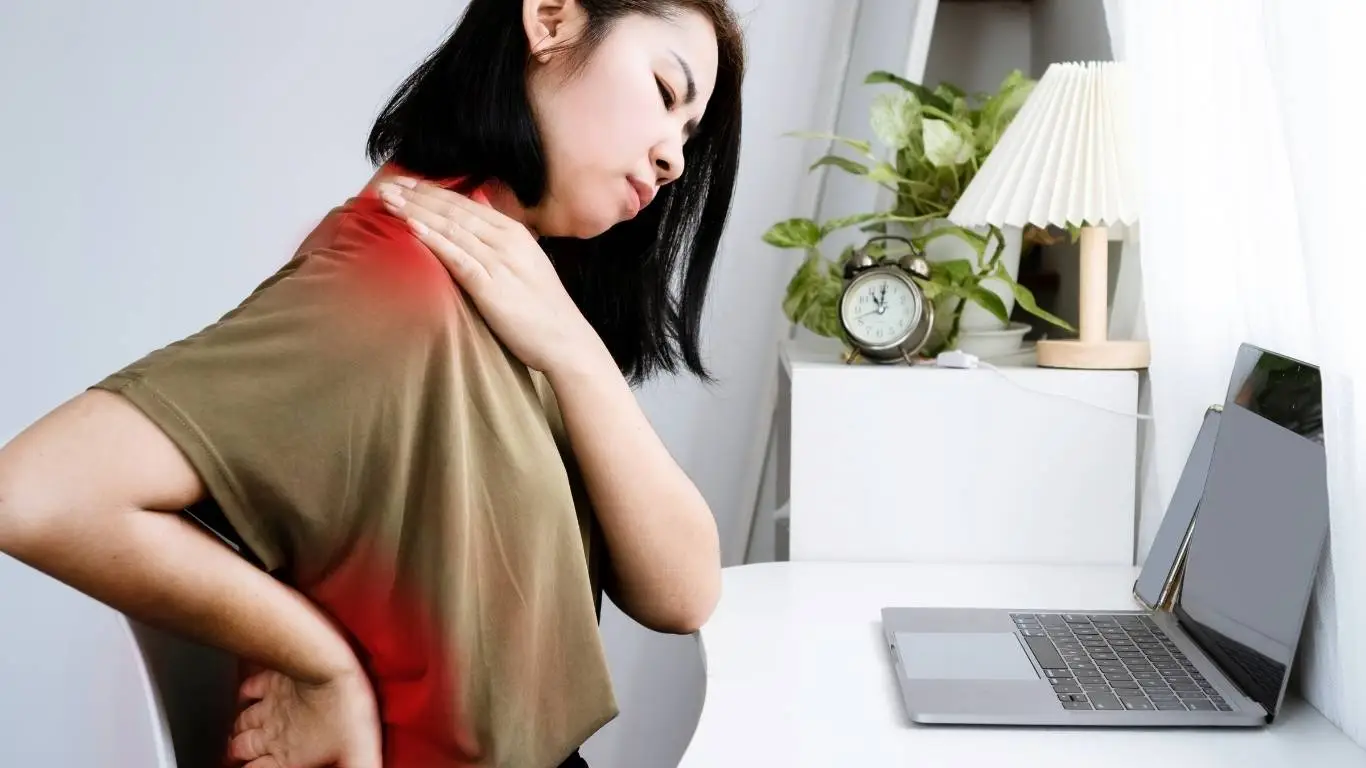
Here’s the thing. Once your back starts picking up the slack for your glutes, it gets tired. Then tight. Then inflamed. And the more it hurts, the more you avoid using your hips and glutes. That leads to more sitting, more guarding, and—you guessed it—more pain.
It’s a vicious cycle. I’ve been there. Took me almost a year of trial and error before I figured it out. But with the right approach, it can be reversed.
Need more context on how back strain can spiral? This guide on muscle strain recovery goes deep into managing and breaking the pain pattern.
Also check out how lifestyle changes can support this process in natural lifestyle remedies for back pain and the main resource on understanding back pain.
Fixing the Root, Not Just the Pain

Here’s the truth most people don’t want to hear: popping ibuprofen or booking endless massages might give you short-term relief, but unless you address your glute weakness, that lower back strain is going to keep showing up uninvited. I used to mask the pain with heat pads and deep tissue sessions—but it always crept back in after long days at my desk. Real change only happened once I shifted my focus to strength, stability, and movement patterns.
Mobility Before Strength
Before you load up squats or go full beast mode on deadlifts, make sure your body moves the way it’s supposed to. Here’s what helped me:
- Hip mobility drills – 90/90 stretches, deep lunges, and internal/external hip rotation exercises.
- Pelvic control work – Understanding how to tilt and stabilize your pelvis is *crucial* for both glute activation and back safety.
- Ankle flexibility – Sounds random, but tight ankles can throw off your squat form, robbing your glutes of engagement.
Once my joints could move well, I layered on glute and core strengthening. It’s a game of patience, but trust me—it’s worth every second. I found a ton of clarity in this guide on exercise and back rehab strategies.
The Core-Glute Connection

Your glutes don’t work alone. They’re part of a system—and your core is their closest partner. Weak glutes + weak core = a lower back on the edge. Once I got serious about strengthening my transverse abdominis and learning to brace properly, my back felt more supported than ever.
Exercises That Combine Both
- Dead bugs – When done slow and controlled, this works both deep core and hip flexors.
- Side planks with leg lifts – Burns in the glutes, stabilizes the obliques. Win-win.
- Pallof presses – Underrated anti-rotation core drill that’s phenomenal for spine control.
Need a place to start your recovery stack? This excellent breakdown of sciatic pain exercises overlaps well with glute-core work and will keep your form safe while rehabbing.
Rebuilding Daily Habits That Support Healing
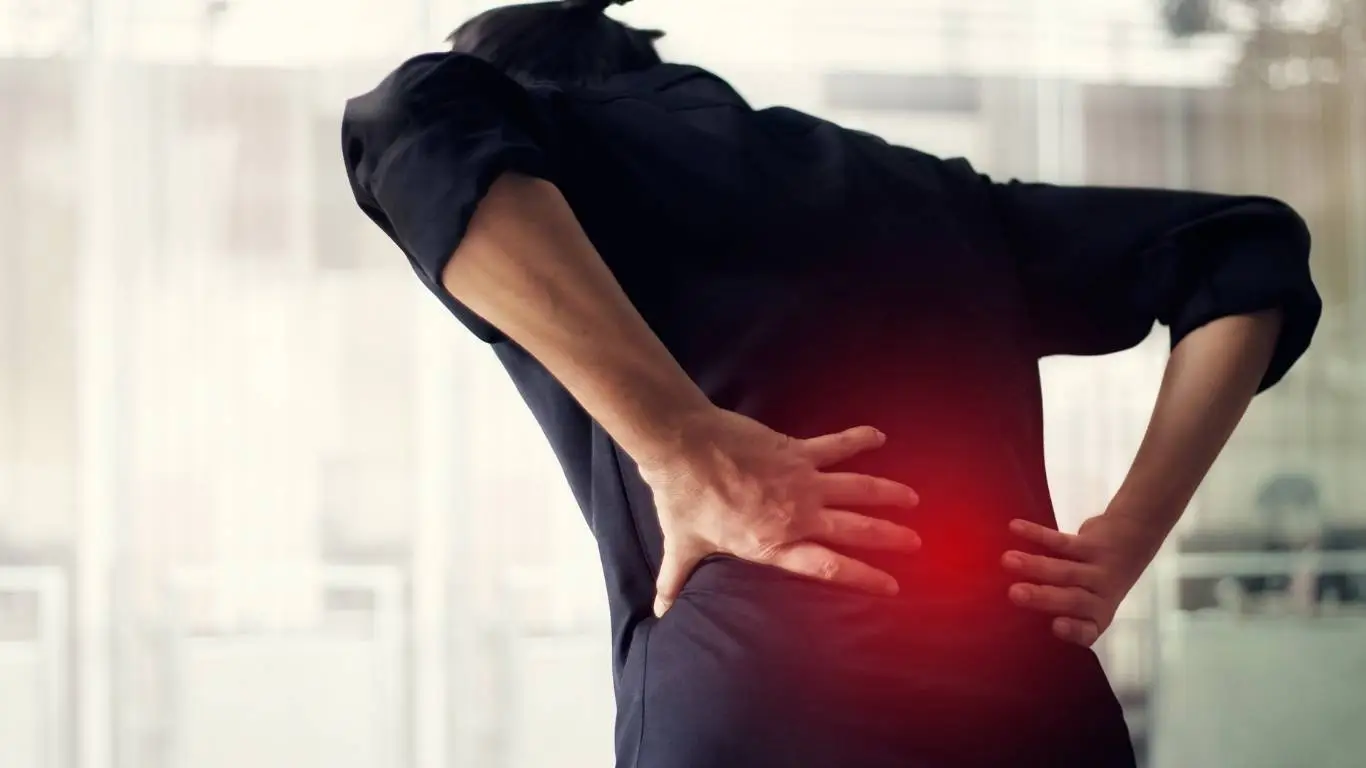
Honestly, no amount of glute bridges will undo 8 hours of slouching in a bad chair. This hit me hard during my remote work era. That’s when I started tweaking my environment and routines to work with my body, not against it.
Quick Wins for Better Movement Patterns
- Switch to a standing desk – Or at least alternate every 30–60 minutes. Here’s a helpful guide on standing desk benefits.
- Set a “glute alarm” – No joke. Every 2 hours, I do 10 bodyweight squats or a quick hip hinge drill.
- Rethink your chair – Supportive lumbar pads and ergonomic seating make a huge difference. Full breakdown here: best ergonomic chairs.
Also, don’t underestimate how footwear plays a role. I discovered my flat shoes were silently messing with my alignment—this footwear-back pain guide opened my eyes to that.
Recovery Isn’t Linear—But It’s Possible
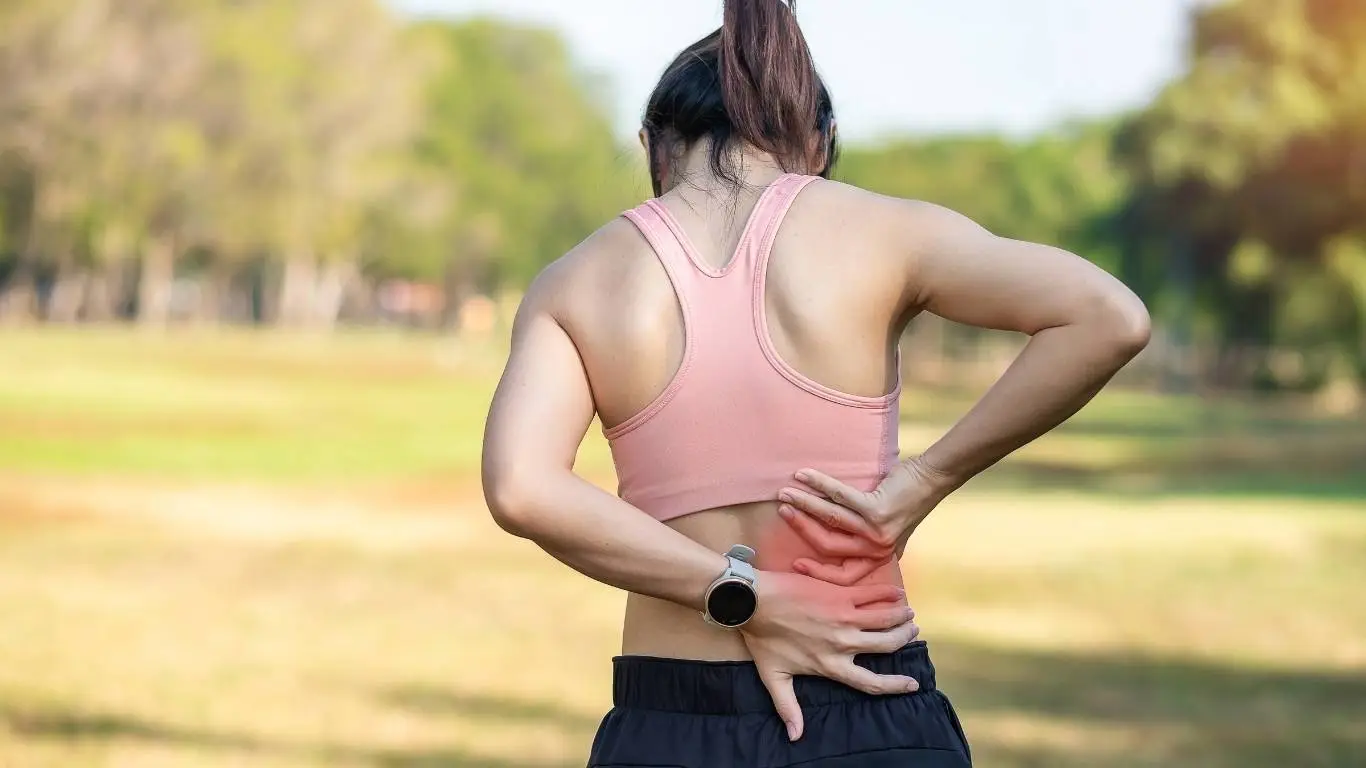
Some days I felt like I was crushing it. Other days, I’d flare up just from tying my shoes. But over time, I started moving better, standing taller, and living with way less pain. It wasn’t a magic fix. It was a slow, steady effort—and honestly, a mindset shift.
Tips I Wish I Knew Earlier
- Track your wins – Even tiny progress matters. That first walk without pain? Big deal.
- Don’t skip rest days – Your glutes need time to grow and recover.
- Stay curious – Back pain is complex. Explore different approaches, and adjust as your body evolves.
One of the best deep-dives I found while navigating my own rehab journey was this piece on conservative treatment options for back pain. Super informative without being overwhelming.
What If You’re Still Struggling?

If you’ve done the work, built the strength, and fixed your habits—but your back still feels off—don’t beat yourself up. Some issues go deeper than just weak glutes. You might be dealing with disc issues, nerve impingement, or even structural problems.
That’s when working with a physical therapist or movement specialist can be a game changer. And if you’re looking into longer-term solutions, check out this balanced breakdown on minimally invasive surgical options. It’s not always the route people need, but it’s good to be informed.
Whatever route you choose, let your path be guided by understanding—not fear. Learn from your body, not just the pain. And if you want a strong foundation of info to keep exploring, start with this resource on back pain symptoms and diagnosis or get the big picture from our main back pain pillar article.

Camellia Wulansari is a dedicated Medical Assistant at a local clinic and a passionate health writer at Healthusias.com. With years of hands-on experience in patient care and a deep interest in preventive medicine, she bridges the gap between clinical knowledge and accessible health information. Camellia specializes in writing about digestive health, chronic conditions like GERD and hypertension, respiratory issues, and autoimmune diseases, aiming to empower readers with practical, easy-to-understand insights. When she’s not assisting patients or writing, you’ll find her enjoying quiet mornings with coffee and a medical journal in hand—or jamming to her favorite metal band, Lamb of God.