What to Know About Posterior Vitreous Detachment: The Leading Cause of Eye Floaters in Adults
Ever suddenly noticed little cobwebs or gray specks drifting around in your field of vision? I sure have. The first time it happened, I was convinced there was a bug flying around the room — until I realized it was inside my eye. Spoiler: that was my first encounter with something called posterior vitreous detachment, or PVD. It’s not as scary as it sounds, but it’s definitely something that deserves a closer look — especially if you’re over 40 and starting to notice more of these floaty little nuisances.
What Exactly Is Posterior Vitreous Detachment?
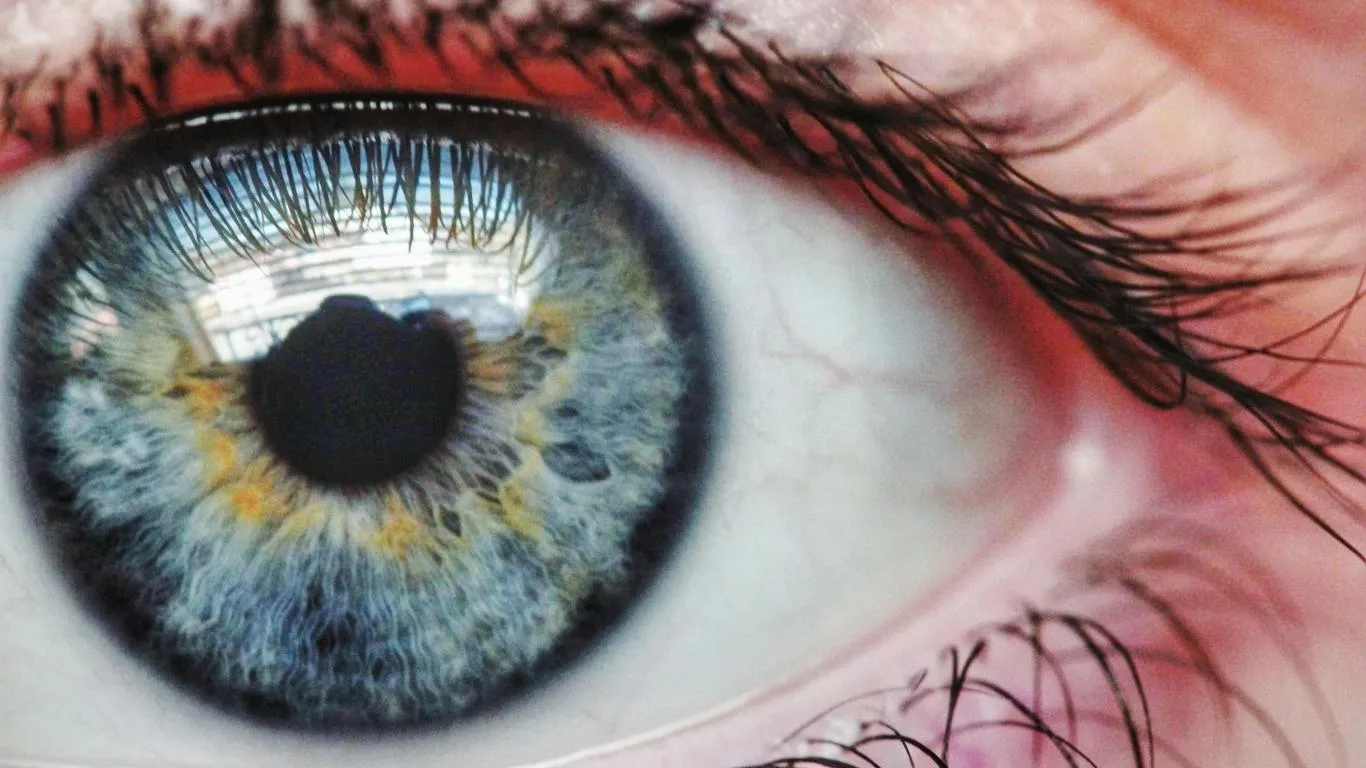
Posterior vitreous detachment (PVD) is when the gel-like substance inside your eye — the vitreous — starts to pull away from the retina at the back of the eye. It sounds dramatic, but it’s a natural part of aging for most people. The vitreous is about 99% water and 1% collagen and hyaluronic acid, forming a jelly that helps maintain your eye’s shape. But as we age, that jelly begins to shrink and liquefy, and eventually, it detaches.
Most folks experience this sometime after age 50, but it can happen earlier, especially if you’re nearsighted or have had eye trauma or surgery. For me, it kicked in around 42, shortly after a particularly intense few weeks of screen time and poor sleep. Coincidence? Maybe. But the timing was suspiciously aligned with some floaters that seemed to appear overnight.
Why PVD Causes Those Annoying Floaters
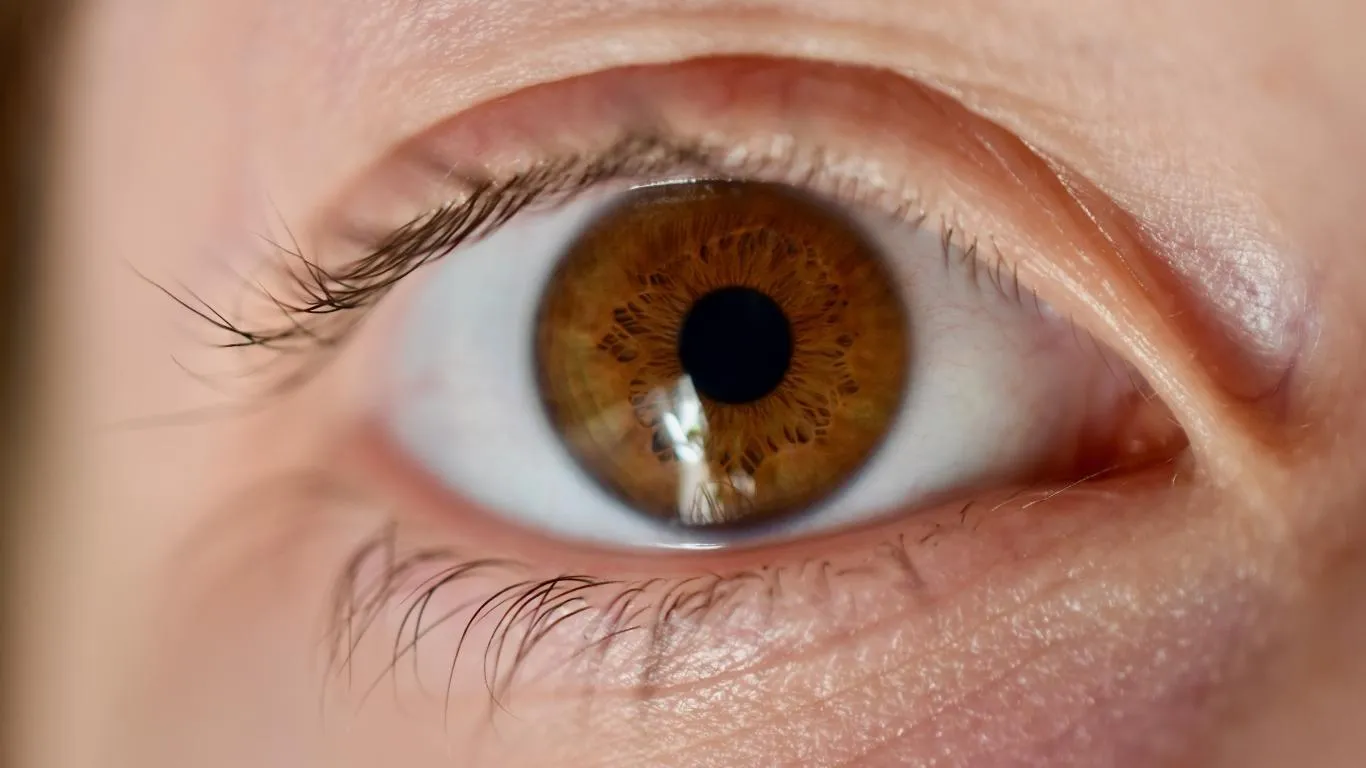
So, where do the floaters come from? When the vitreous starts separating from the retina, it tugs and breaks down in little clumps. These clumps cast shadows on the retina — and that’s what you’re seeing. They’re especially noticeable when you look at a bright sky or a white screen.
Some common floater shapes include:
- Transparent, squiggly lines
- Small black or gray dots
- Spider-web-like threads
- Cloudy blobs that drift as your eyes move
What’s wild is how these floaters can seem to vanish one minute and dominate your vision the next. If you’re like me, you’ll find yourself tilting your head or blinking rapidly, trying to shake them loose — with mixed results.
Who’s Most at Risk for PVD?
Although PVD is common, some people are more prone to developing it earlier or more severely. Key risk factors include:
- Age – It’s the biggest one. Over 75% of people over 65 have experienced some degree of PVD.
- Nearsightedness – Also called myopia. The longer shape of a myopic eyeball can stretch the vitreous, causing earlier detachment.
- Eye injuries or trauma – Even minor injuries can accelerate vitreous breakdown.
- Eye surgeries – Especially cataract surgery, which can trigger vitreous changes.
- Systemic conditions – Like diabetes, which can affect the overall integrity of eye structures.
What surprised me was learning that cataract surgery can sometimes make floaters worse. I’ve had several relatives go through that, and it explains why they suddenly started complaining about “smudges” in their vision afterward.
Is Posterior Vitreous Detachment Dangerous?
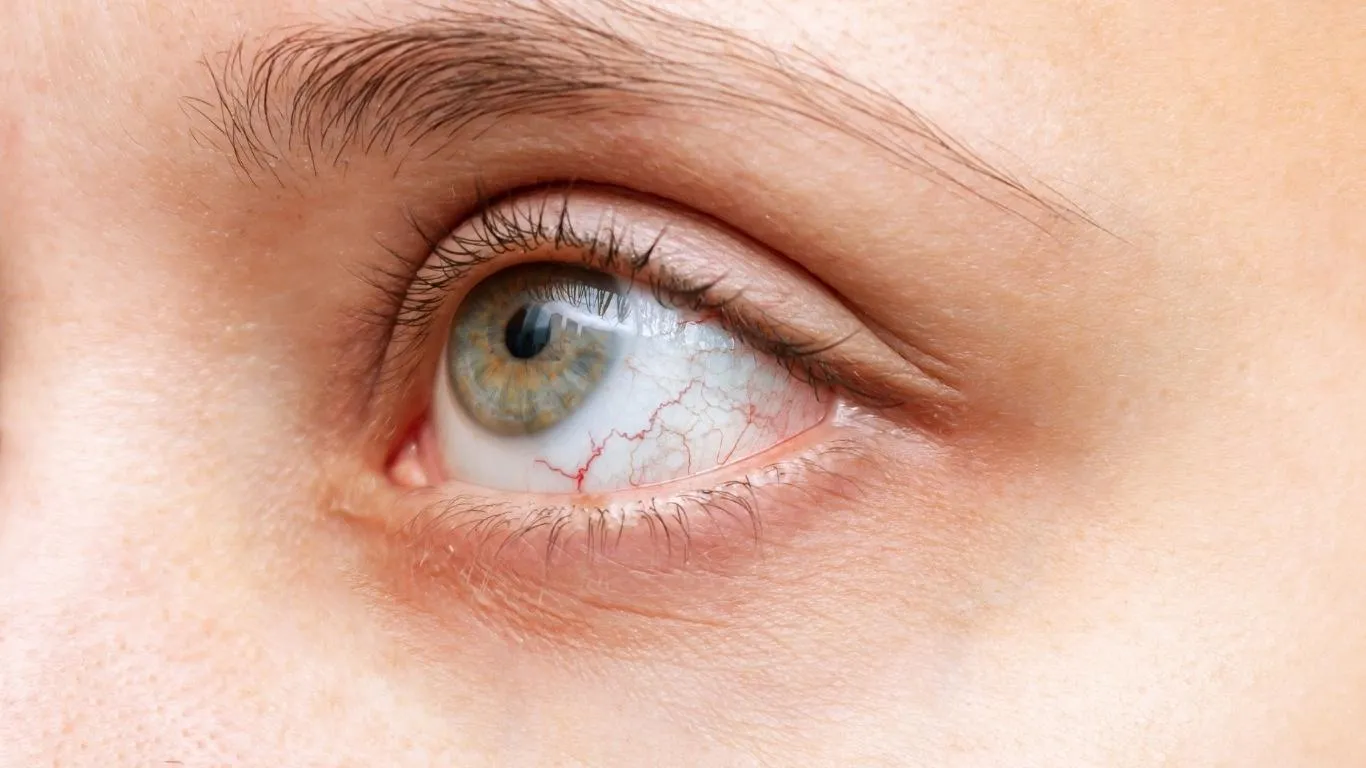
For most people, PVD is harmless and just plain annoying. The floaters might persist, but your brain usually adapts and learns to ignore them over time. That was definitely my experience. A few months in, I hardly notice them unless I’m staring at a bright wall or blue sky.
But — and this is important — sometimes PVD can lead to more serious issues. The biggest concern is a retinal tear or detachment. When the vitreous tugs too hard on the retina, it can cause small rips or worse. That’s why you should always get any sudden new floaters, light flashes, or shadowy vision checked ASAP.
Signs You Should See a Doctor Right Away
- A sudden shower of new floaters
- Flashes of light in your peripheral vision
- A dark curtain or shadow creeping across your field of view
- Blurred or distorted central vision
If you’re wondering whether something like dehydration or high blood pressure could be contributing to these issues, this article does a great job explaining the connection.
Managing Floaters and Living with PVD
Here’s the good news: once the vitreous has fully detached, the risk of retinal damage actually goes down. And while there’s no magic fix for floaters, there are a few things that can help you manage:
- Stay hydrated – It helps maintain overall eye health.
- Protect your eyes from trauma – Especially if you play sports or work in hazardous environments.
- Manage underlying conditions – Keep diabetes and blood pressure in check.
- Use sunglasses – Bright light makes floaters more noticeable.
There are some medical interventions too, but they’re typically reserved for extreme cases:
- Laser vitreolysis – A laser is used to break up the floaters. It’s not widely available and results vary.
- Vitrectomy – A surgical procedure that removes the vitreous gel entirely. It’s highly effective but comes with risks.
For more about treatment options and how to navigate them, check out our full guide on eye floater treatments. It covers everything from observation to surgical decisions in detail.
And if you’re still wondering what’s really going on behind the scenes of your vision, this comprehensive breakdown of eye floaters is a must-read. It’s the best place to start if you’re still wrapping your head around what causes those drifting shadows in the first place.
Living With PVD: When Floaters Stick Around
If you’re reading this, there’s a good chance you’re dealing with floaters on a daily basis — and trust me, I get it. It can be distracting, especially if you’re someone like me who spends a lot of time in front of screens or under bright lights. In the weeks after my own PVD episode, I found myself squinting more, blinking excessively, and getting irrationally annoyed by something I couldn’t even “look at” directly.
Floaters are infamously hard to ignore because they move as your eyes move. It’s like chasing a shadow you can’t catch. But over time, most people experience something called neuroadaptation — basically, your brain just starts to filter them out. It’s not an instant fix, but it really does happen. These days, I only notice mine when I’m actively looking for them.
When Floaters Get in the Way of Life
While floaters aren’t typically dangerous, they can seriously interfere with daily life — especially for people with careers or hobbies that rely on sharp, uninterrupted vision. I’ve heard from graphic designers, drivers, and even pilots who’ve had to adapt to new ways of working. And let’s be real: it’s frustrating.
Here are a few things that helped me cope better early on:
- Use soft, indirect lighting – Bright, overhead lights make floaters more visible. Desk lamps with warmer tones help minimize distractions.
- Dark mode on everything – Your phone, computer, email interface — it reduces the stark contrast where floaters are most obvious.
- Stay relaxed – The more I stressed about floaters, the more noticeable they became. Yoga and deep breathing? Not just hippie stuff — genuinely helpful.
- Monitor your symptoms – Keep a mental log of any changes in frequency, size, or behavior. That info is gold if you need to talk to an ophthalmologist.
And while it might sound obvious, underlying inflammation like uveitis can sneakily make things worse. Always treat the root cause, not just the symptoms.
Can Posterior Vitreous Detachment Return?
Technically, PVD doesn’t “come back” in the same eye once the vitreous has fully detached. However, it can definitely happen in your other eye. In fact, about 40-50% of people who have a PVD in one eye will experience it in the other within a year or two. That’s exactly what happened to me — just shy of 18 months after my right eye had floaters, the left eye followed suit.
This isn’t something to fear, but it’s worth preparing for. I had a better experience the second time around because I knew what to expect. That initial panic wasn’t there, and I was more proactive about checking for warning signs like flashes or vision shadows.
When Treatment Is Actually Necessary
Most ophthalmologists will tell you not to treat floaters unless they severely impact your quality of life — and for good reason. The procedures aren’t without risk.
1. Laser Vitreolysis
This is a non-invasive procedure where lasers break up floaters into smaller pieces, ideally making them less noticeable. It’s quick and generally low-risk, but it doesn’t work for everyone. The effectiveness also depends on floater type, location, and density.
2. Vitrectomy
This is a more invasive surgical option where the vitreous gel is completely removed and replaced with a saline solution. It has a high success rate, but it also comes with significant risks like retinal detachment, cataracts, and infection.
Only go down this path if your floaters are truly life-altering. I once considered laser treatment, but after weighing the pros and cons — and talking to three specialists — I chose to stick with natural adaptation instead.
Floaters and Your Eye Health: What They Might Reveal
Interestingly, PVD and floaters can sometimes be early warning signs of other eye conditions. For example, LASIK patients sometimes report an increase in floaters, likely due to changes in the structure and pressure of the eye. And while LASIK isn’t harmful in itself, it’s another reminder that any major change to your eye’s anatomy can trigger a domino effect.
Conditions like lattice degeneration, high blood pressure, or even autoimmune diseases can subtly compromise your retinal health, making PVD complications more likely. That’s why comprehensive eye exams — not just vision tests — are a must, especially as you age.
Want a deeper dive into the broader spectrum of causes? I’d recommend checking out the article on common causes of eye floaters. It offers a wide-angle look at everything from trauma to aging and even genetic factors.
Should You Worry About Floaters Long-Term?
If your floaters came on suddenly, or are accompanied by flashes or visual distortions, don’t brush it off. One quick check with your eye doctor can make all the difference. I’ve had appointments where the doc just smiled and told me everything looked fine — but that peace of mind? Worth every second of sitting in that waiting room.
For most of us, floaters from PVD are annoying, not alarming. Over time, they become part of the visual background noise. You might not love them, but you can live with them. And in rare cases where they truly interfere with daily life, modern treatments — when done responsibly — can offer relief.
Posterior vitreous detachment is something millions of adults go through, often without even knowing the name for it. The more we understand about it, the less scary it becomes. And if you’re navigating your own PVD experience, know that you’re far from alone — and you’re not powerless, either.

Camellia Wulansari is a dedicated Medical Assistant at a local clinic and a passionate health writer at Healthusias.com. With years of hands-on experience in patient care and a deep interest in preventive medicine, she bridges the gap between clinical knowledge and accessible health information. Camellia specializes in writing about digestive health, chronic conditions like GERD and hypertension, respiratory issues, and autoimmune diseases, aiming to empower readers with practical, easy-to-understand insights. When she’s not assisting patients or writing, you’ll find her enjoying quiet mornings with coffee and a medical journal in hand—or jamming to her favorite metal band, Lamb of God.