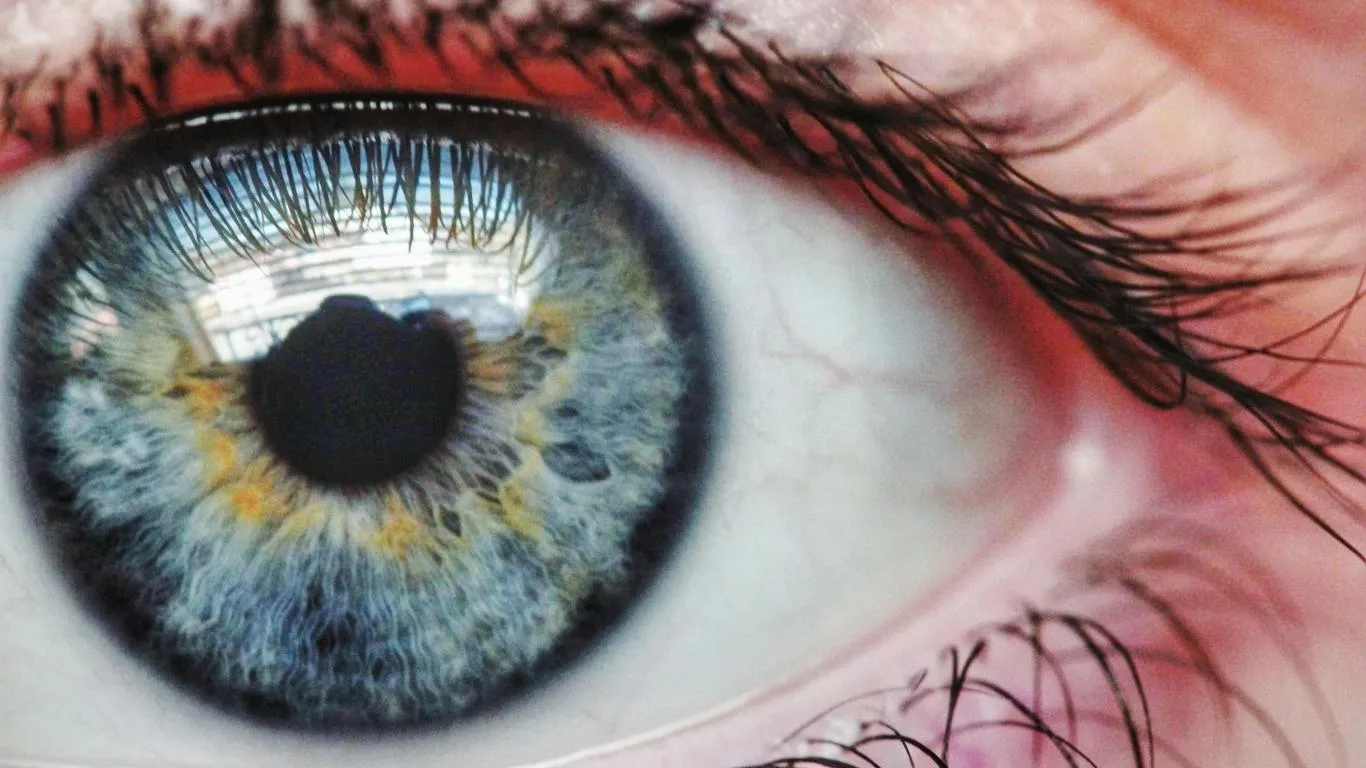
When Car Accident Floaters Mean It’s Time to See a Doctor
About a year ago, I was rear-ended on the freeway. It wasn’t a dramatic, high-speed crash, but enough to rattle me—and apparently, my eyes too. A few days later, I started noticing these strange, squiggly shadows drifting through my vision. At first, I thought it was just stress or lack of sleep. But when they didn’t go away, I realized I was dealing with something else entirely: eye floaters after a car accident.
What Exactly Are Eye Floaters?

Eye floaters are those tiny spots, strands, or cobweb-like shapes that drift across your field of vision. They’re caused by tiny clumps or strands forming in the vitreous, the clear gel-like substance that fills your eye. When light passes through the eye, those clumps cast shadows on the retina. That’s what you’re actually seeing.
They’re common and usually harmless. But when they suddenly appear after a traumatic event—like a car crash—that’s when it becomes worth investigating further. Especially if they’re accompanied by flashes of light or a loss of peripheral vision.
How Car Accidents Can Lead to Floaters

Here’s the thing: even if you didn’t hit your head or face directly, the force of a car crash can jolt your entire body—including your eyes. That impact may cause the vitreous to shift or pull away from the retina. In some cases, that’s exactly what triggers floaters to appear out of nowhere.
Specifically, floaters after a car accident might result from:
- Posterior Vitreous Detachment (PVD) – The vitreous separates from the retina, which is fairly common with age but can be accelerated by trauma.
- Retinal Tears or Detachment – A more serious condition that needs urgent care. Trauma increases the risk.
- Intraocular Hemorrhage – Bleeding inside the eye can occur, especially with high-speed or blunt force trauma.
When I finally saw my optometrist, he did a full dilated eye exam and confirmed it was PVD. He wasn’t surprised, given the whiplash I experienced.
Signs Your Floaters Could Be Serious

Not every floater is a red flag, but after a car crash, you’ve got to stay alert to specific symptoms. According to the American Academy of Ophthalmology, sudden onset of floaters—especially with other visual disturbances—should be checked immediately.
Watch out for:
- Sudden increase in the number or size of floaters
- Flashes of light (like a camera flash in your side vision)
- Shadows or “curtains” falling over part of your vision
- Blurred or distorted vision
One of the more alarming moments for me was when I saw a flash of light in my peripheral vision while walking down the hallway. That was enough to call the eye doctor again—and I’m glad I did. Floaters aren’t always urgent, but sometimes, they’re a warning.
When Should You See a Doctor?
If you’ve recently been in a car accident and notice floaters—even just a few—get your eyes checked. You don’t need to panic, but you shouldn’t wait it out either.
Book an appointment right away if you:
- Notice floaters appearing within days of the accident
- Experience light flashes or vision loss
- Feel pressure, pain, or swelling around the eyes
In my case, the floaters didn’t worsen, and the ophthalmologist confirmed it wasn’t a retinal detachment. But he made it clear: if I had waited and it had been something more serious, the damage could’ve been permanent. That conversation stuck with me.
For anyone else recovering from a crash, there’s an excellent breakdown of eye floater treatments available if your symptoms persist.
What Tests Will the Eye Doctor Do?
Most likely, your doctor will perform a thorough dilated eye exam. They may also do optical coherence tomography (OCT) or an ultrasound if they suspect internal bleeding or detachment. These tests help them see the retina and vitreous in detail, and rule out anything serious.
Sometimes, they’ll ask about head trauma or symptoms of concussion. That’s where another hidden connection comes in. Recent research shows that head injuries can directly cause floaters too—so even if your eyes weren’t hit, your brain might still be involved.
And if you’re over 40, you may already be in the age range where vitreous changes are happening naturally. Trauma just speeds it up. That’s explained well in this in-depth guide on floaters from Healthusias.
How Long Do Floaters Last After a Car Crash?
Here’s the honest truth: it varies. Some floaters go away in a few weeks. Others stick around for months—or longer. In my case, they faded into the background after about three months. I still catch a glimpse of them when I stare at a bright sky, but they’re far less noticeable than in the early days post-accident.
Doctors often say your brain eventually learns to ignore floaters, a process called neuroadaptation. That’s not just a comforting phrase—it’s real. I found myself focusing on them less once I stopped obsessing over every tiny shape floating by. But again, that only applies when the floaters aren’t linked to something more serious.
Are Treatments Necessary for Post-Accident Floaters?

In most cases, treatment isn’t needed. If your floaters are minor, not growing in number, and not affecting your vision significantly, your doctor will likely recommend a watch-and-wait approach.
But there are treatment options out there, and I looked into them—just in case things got worse:
- Vitrectomy – A surgical procedure to remove the vitreous gel and floaters. It’s effective but invasive, with risks like retinal detachment.
- Laser Vitreolysis – Uses lasers to break up floaters so they’re less noticeable. Not all floaters are suitable for this method, and results vary.
- Nutritional and Lifestyle Approaches – While the science is still catching up, some suggest hydration and antioxidants might help prevent worsening. Here’s a good breakdown on natural methods for managing floaters.
For me, reassurance from my ophthalmologist was enough. Knowing there were options on the table gave me peace of mind, even if I didn’t need them.
Can Floaters Get Worse Later On?

This is a big one, and it was one of my main concerns. After all, I didn’t want to be fine for a few months only to suddenly deal with retinal problems down the line.
Turns out, floaters from trauma—like a car accident—can remain stable or even fade. But if they were caused by something like a partial retinal tear or vitreous hemorrhage, there’s always the chance of complications surfacing later. That’s why follow-up exams are key, even if everything looks normal at first.
If your doctor recommends a re-check in 6–8 weeks, take that seriously. This isn’t the time to tough it out or skip appointments.
Can Other Conditions Make Floaters Worse After a Crash?
Absolutely. Floaters don’t exist in a vacuum. If you have underlying health issues—like diabetes, high blood pressure, or a history of eye surgery—your risk of complications increases.
- Have diabetes? It can lead to diabetic retinopathy and floaters.
- Blood pressure spikes after an accident? That can contribute to hemorrhages that show up as floaters.
- Recently had LASIK or cataract surgery? Trauma could amplify the risk of floaters appearing post-surgery.
I’ve heard from others in online forums who had floaters worsen after accidents due to pre-existing eye issues. It’s always worth giving your eye history when you speak with a specialist.
What to Avoid After Developing Floaters
Here’s where a little self-care goes a long way. After my floaters showed up, my doctor suggested I avoid heavy lifting and anything that causes strain, especially in the first few weeks. Makes sense—if your eye is recovering from trauma, you don’t want to add more stress.
Helpful things to avoid include:
- Intense workouts, especially weightlifting
- Head-down yoga poses or inverted movements
- Excessive screen time—yes, really
- Skipping hydration (dehydration may play a role in floaters for some people)
One interesting read I found discussed the link between screen time and floaters. If you’re curious, here’s the full article on screen-related vision strain.
Monitoring Your Vision Moving Forward

After my initial scare, I started keeping a simple note in my phone every few days: how many floaters I saw, whether they seemed worse, and if anything else felt off. This turned out to be a great tool when I went back for my follow-up. My doctor appreciated having something to compare.
Here are a few easy ways to monitor floaters after an accident:
- Use a notes app to track symptoms
- Take note of new shapes, flashes, or shadows
- Stick to regular eye exams—even if things feel “normal” again
There’s something empowering about knowing your own baseline. It helped me stay calm and be proactive, instead of spiraling into worry over every little shape drifting across my sight.
Still Seeing Floaters? Here’s What to Do

If your floaters are still hanging around weeks or months after your accident, don’t be discouraged. Many people learn to live with them. But if anything changes—more floaters, new flashes, or blurring—don’t wait. That’s your cue to go back in.
Here’s a solid breakdown of when floaters signal something more serious, and when to breathe easy.
And for a deeper understanding of how floaters work, causes, treatments, and prevention tips, you’ll find everything in our main pillar article on eye floaters.

Camellia Wulansari is a dedicated Medical Assistant at a local clinic and a passionate health writer at Healthusias.com. With years of hands-on experience in patient care and a deep interest in preventive medicine, she bridges the gap between clinical knowledge and accessible health information. Camellia specializes in writing about digestive health, chronic conditions like GERD and hypertension, respiratory issues, and autoimmune diseases, aiming to empower readers with practical, easy-to-understand insights. When she’s not assisting patients or writing, you’ll find her enjoying quiet mornings with coffee and a medical journal in hand—or jamming to her favorite metal band, Lamb of God.