When Floaters Signal Trouble: What Retinal Holes Reveal
It started for me as a tiny speck drifting in my line of sight during a sunny morning jog. I blinked, looked around, even rubbed my eyes. Still there. What seemed like a harmless floater ended up revealing something more serious—something most people ignore until it’s almost too late: retinal holes. If you’re seeing floaters and wondering if it’s just part of aging or screen fatigue, you might want to read on. Trust me—your vision could depend on it.
Understanding Eye Floaters: More Than Just Annoying Specs
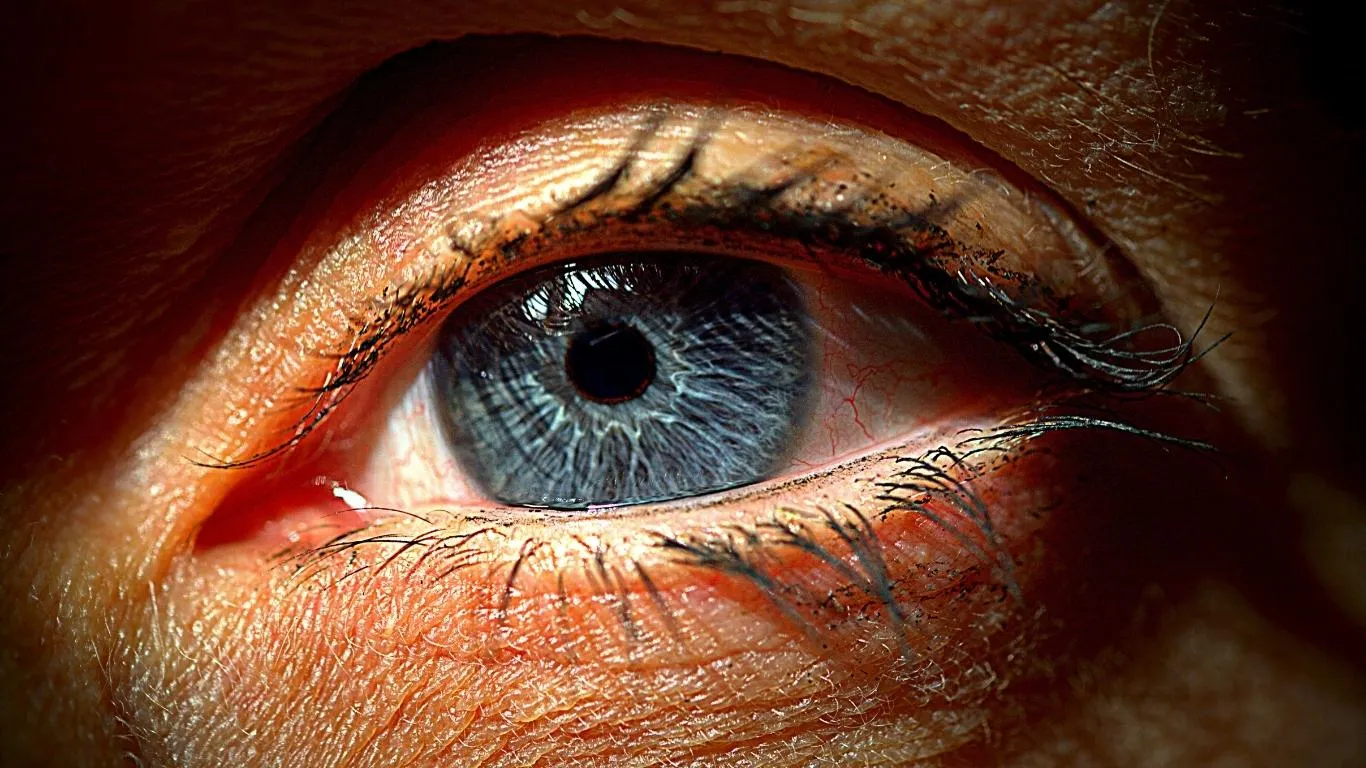
Floaters are those squiggly lines, cobwebs, or translucent dots that float across your vision. Most of the time, they’re harmless, caused by the natural aging and liquefaction of the vitreous gel inside your eye. But here’s where it gets tricky—not all floaters are benign. When floaters show up suddenly, especially with flashes of light or peripheral vision loss, they could be the warning sign of something far more dangerous: retinal holes.
The connection between floaters and retinal damage is more common than most realize. In fact, I found out after my optometrist shined a bright light into my dilated pupil and calmly said, “You’ve got a retinal hole. It’s small, but it needs to be monitored.” That’s a sentence you don’t want to hear after brushing off a floater for a month.
What Are Retinal Holes, and How Do They Relate to Floaters?
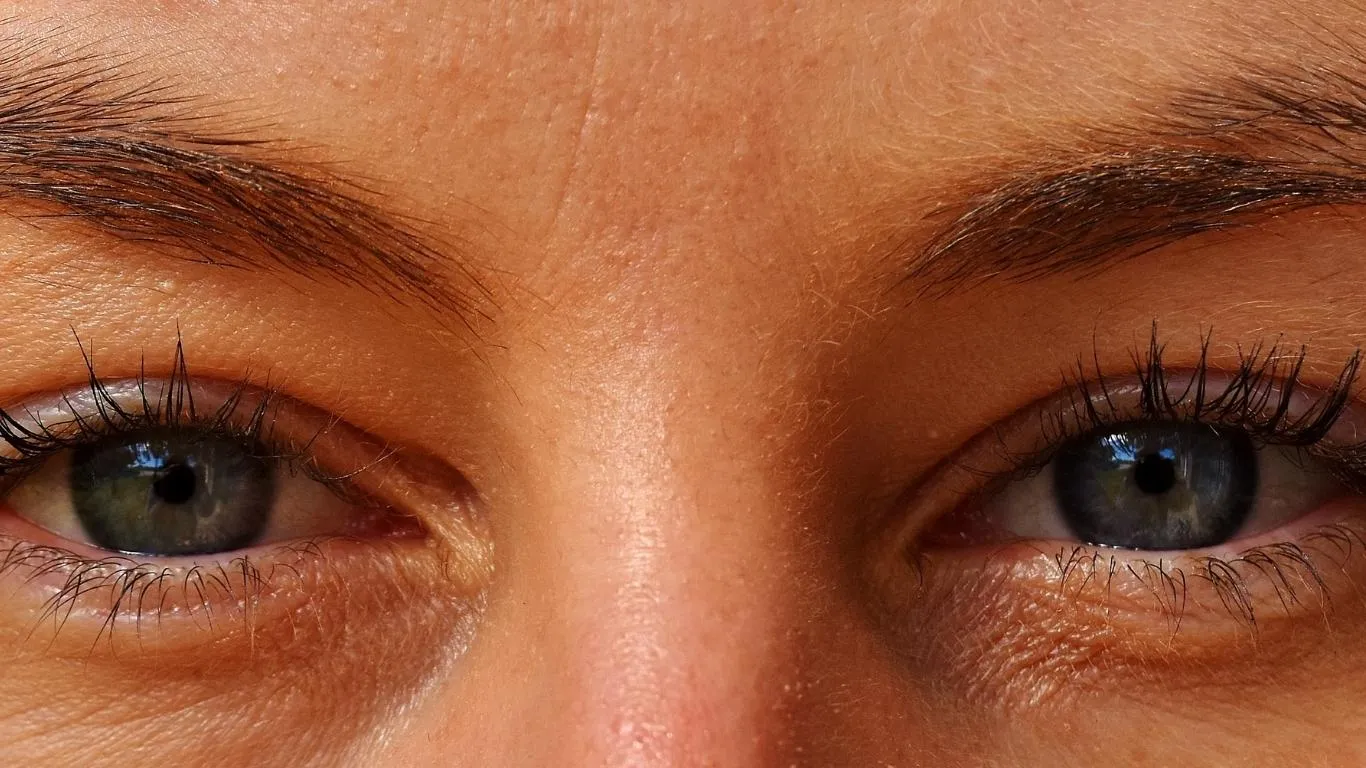
Your retina is like the film in a camera—it captures the light and sends signals to your brain so you can see. A retinal hole is exactly what it sounds like: a break in that delicate film. When the vitreous gel shrinks or pulls away, it can tug on the retina hard enough to cause a tear or hole.
Signs You Might Have a Retinal Hole
- Sudden increase in floaters (especially black or stringy ones)
- Flashes of light (like camera flashes in your side vision)
- A shadow or gray curtain moving across your field of view
- Distorted or blurred central vision
These symptoms aren’t always obvious. When I first started experiencing them, I chalked it up to dehydration and stress. That assumption nearly cost me my central vision.
In many cases, retinal holes are detected incidentally during routine eye exams, especially for people over 40. But floaters can be the only outward clue. That’s why it’s crucial not to dismiss sudden changes in your vision. According to American Academy of Ophthalmology, floaters can indicate retinal damage, and quick intervention could save your eyesight.
Why You Should Never Ignore Floaters with Retinal Holes
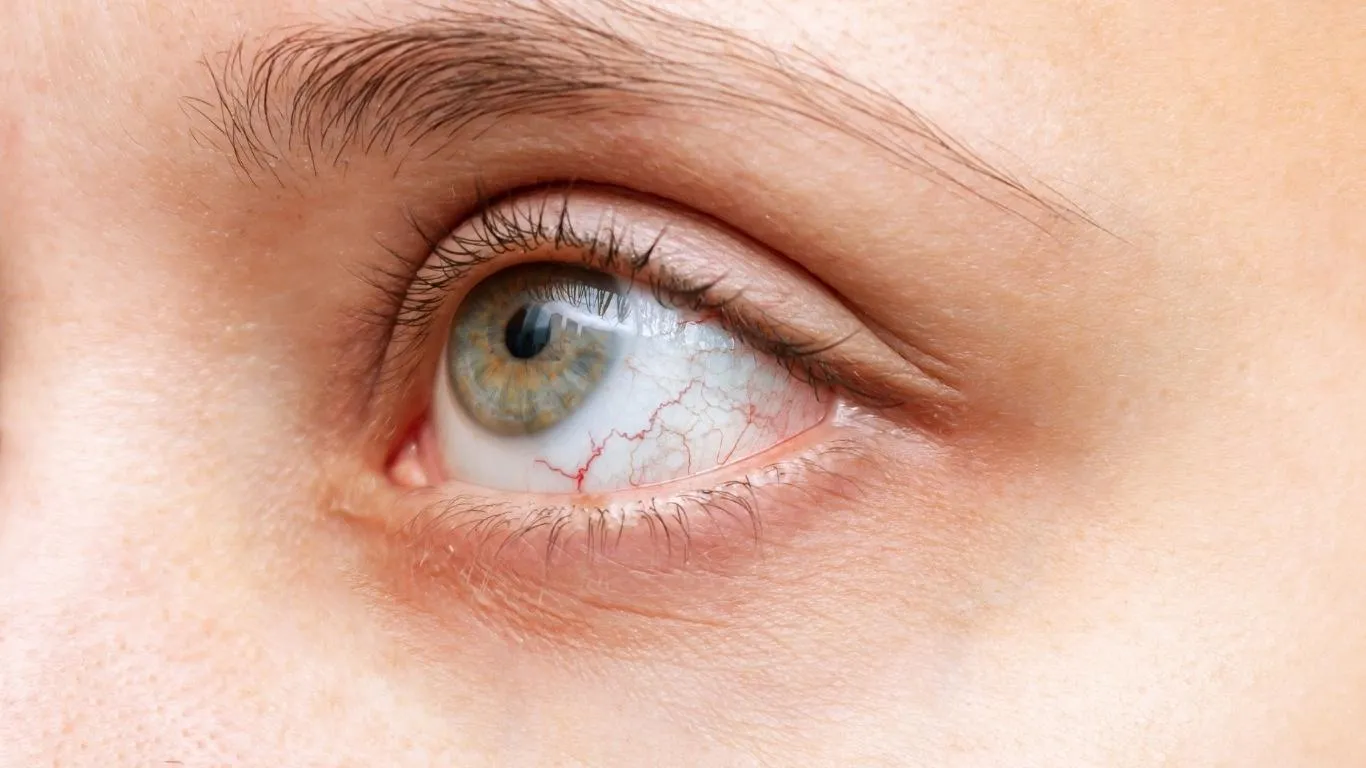
When a retinal hole goes untreated, it can lead to a retinal detachment—one of the most serious eye emergencies. That gray curtain I mentioned earlier? It’s not a metaphor. That’s the retina literally peeling away from the back of your eye. And once it detaches, you’re in a race against the clock to prevent permanent blindness.
The connection between floaters and retinal problems is thoroughly explained in this article on how floaters can precede a retinal tear. It’s a read I wish I had stumbled upon earlier.
Who’s at Risk?
- People over 50 (vitreous changes are more common)
- Highly nearsighted individuals
- Those with a history of eye trauma or surgeries
- Diabetics or people with vascular eye diseases
- Anyone with a family history of retinal detachment
Also, if you’ve had LASIK or cataract surgery, there’s evidence you may have an increased risk of developing floaters or retinal holes. You can read more about this in our related post: Do eye floaters appear or get worse after cataract surgery?
How Floaters Are Evaluated When a Retinal Hole is Suspected
Once you report sudden floaters, an eye specialist will typically perform a dilated fundus exam. This is the gold standard for checking the peripheral retina. I remember how uncomfortable it was to sit under that bright light with dilated pupils—but it was nothing compared to what might’ve happened if I hadn’t gone in.
In some cases, they’ll also use OCT (optical coherence tomography) scans or retinal imaging to detect subtle holes or thinning areas. Early detection is key—especially because some retinal holes don’t bleed or cause pain.
For an in-depth explanation of this diagnostic process and why early treatment is critical, visit the main pillar article on when floaters are a danger sign.
Can You Prevent Floaters from Becoming a Problem?
While you can’t always stop floaters from showing up, you can take steps to protect your retina from holes or worse. Here are a few key strategies:
- Get regular eye exams—especially after age 40
- Manage chronic health conditions like diabetes and hypertension
- Protect your eyes during sports or high-impact activities
- Take floaters seriously if they appear suddenly or increase rapidly
If you’re curious about less conventional options for managing floaters naturally, this piece dives into natural approaches to floaters—some are legit, others not so much, but worth knowing.
Also, don’t miss the primary guide on the topic: what are eye floaters, which offers a comprehensive look into causes, symptoms, and solutions, including the ones that sneak up on you—like retinal holes.
Treatment Options If You Have Floaters from Retinal Holes
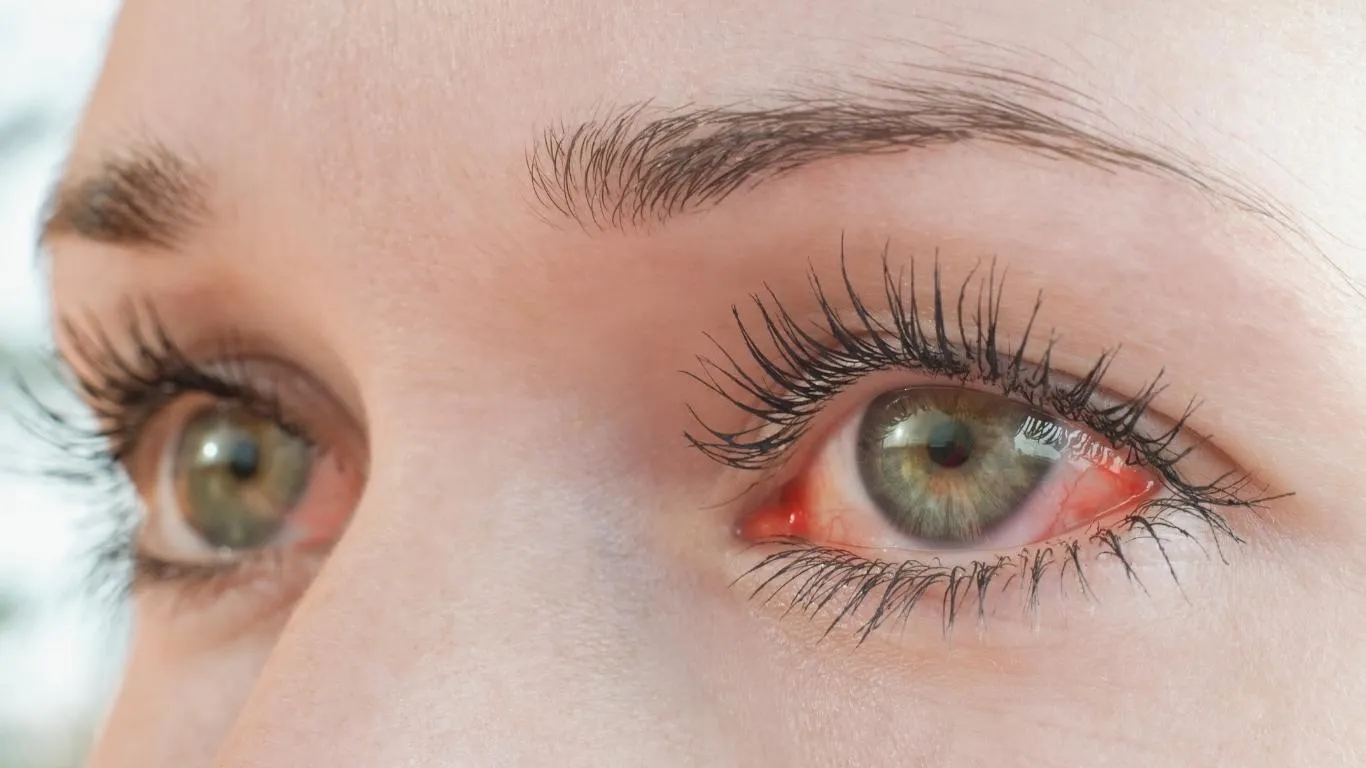
So, what happens when you’re told you have floaters caused by a retinal hole? I remember the wave of panic when my eye doctor used the word “laser.” I pictured something dramatic out of a sci-fi movie, but in reality, laser photocoagulation is quick, minimally invasive, and often done right in the office.
Laser surgery is the most common first-line treatment. It works by sealing the retinal tissue around the hole to prevent fluid from slipping underneath and causing detachment. Most people can resume normal activities within 24 hours, though you’ll be advised to avoid lifting or head-jarring activities for a bit.
If the hole is small and there’s no fluid buildup, your doctor may just monitor it. Not every retinal hole needs immediate surgery, but every single one requires follow-up. Don’t let anyone tell you otherwise.
Want to learn more about the treatment spectrum from simple monitoring to surgical intervention? Here’s a great resource: eye floater treatments overview.
Other Treatment Options
- Vitrectomy: A more invasive surgery that removes the vitreous gel, often done when floaters are severe or there’s significant retinal traction.
- Cryopexy: Less common, but may be used in combination with laser treatment to reinforce retinal adhesion using intense cold.
- Scleral buckle: Usually reserved for complex cases or if detachment occurs.
I personally didn’t need vitrectomy, but a friend of mine did after ignoring floaters for months. The surgery helped restore his vision, but it came with weeks of recovery. If there’s one thing you don’t want to delay, it’s this.
Floaters After Laser Treatment—What’s Normal?

Here’s the part that surprised me: even after treatment, floaters can linger. The laser seals the hole, but it doesn’t remove floaters that already formed. Some fade over time, others get pushed out of your central vision, and occasionally, a few stick around like that one annoying cousin who overstays their welcome at every family BBQ.
If floaters suddenly increase again after treatment, don’t wait—get rechecked. It could indicate new tears or incomplete healing. This happened to me about two weeks post-laser, and I’m grateful I went back. My retina was still stable, but a bit of scar tissue had formed and needed close watching.
For more on this topic, read: floaters after eye procedures—the info here helped set my expectations after treatment.
Floaters + Retinal Holes in Younger People—Not Just an “Old Eyes” Problem
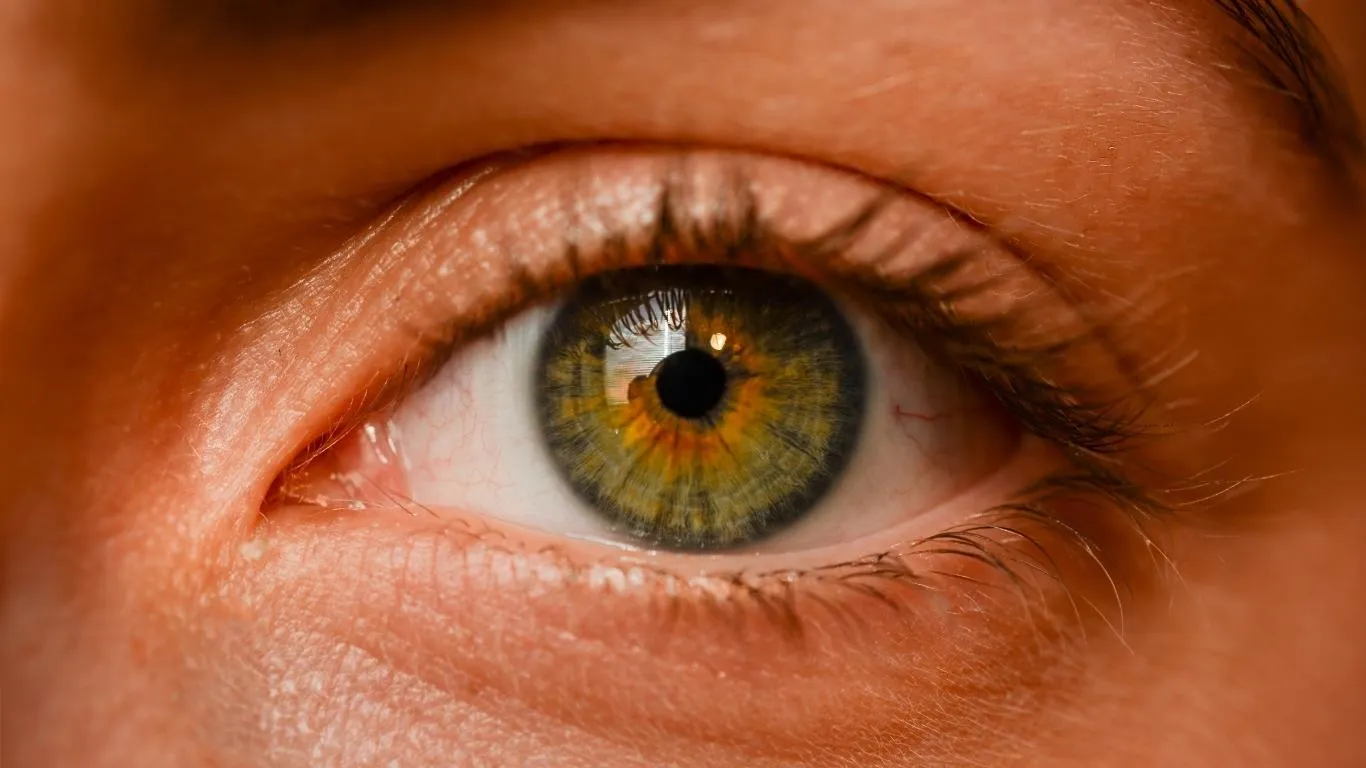
Most people think floaters and retinal holes are only a concern after 50. That’s just not true. I was in my 30s. Healthy, active, no family history. But I spend a lot of time staring at screens, and myopia (nearsightedness) runs strong in my circle of friends. Turns out, both factors can increase risk for early vitreous detachment and retinal thinning.
If you’re under 40 and seeing floaters, don’t brush it off. Check this out: what’s normal at 40 vs. early warning signs. Floaters at a younger age may signal underlying retinal conditions like lattice degeneration or even subtle inflammatory disorders.
Retinal Holes in Myopic Eyes
Highly nearsighted people have longer eyeballs (literally), which stretches and thins the retina. This makes it more vulnerable to holes, especially in the periphery. Combine that with early floaters and you’ve got a high-risk combo.
Read more on why minor trauma or eye rubbing can cause sudden floaters in these cases—it’s eye-opening (pun intended).
Could It Be Something Else? Don’t Self-Diagnose Floaters
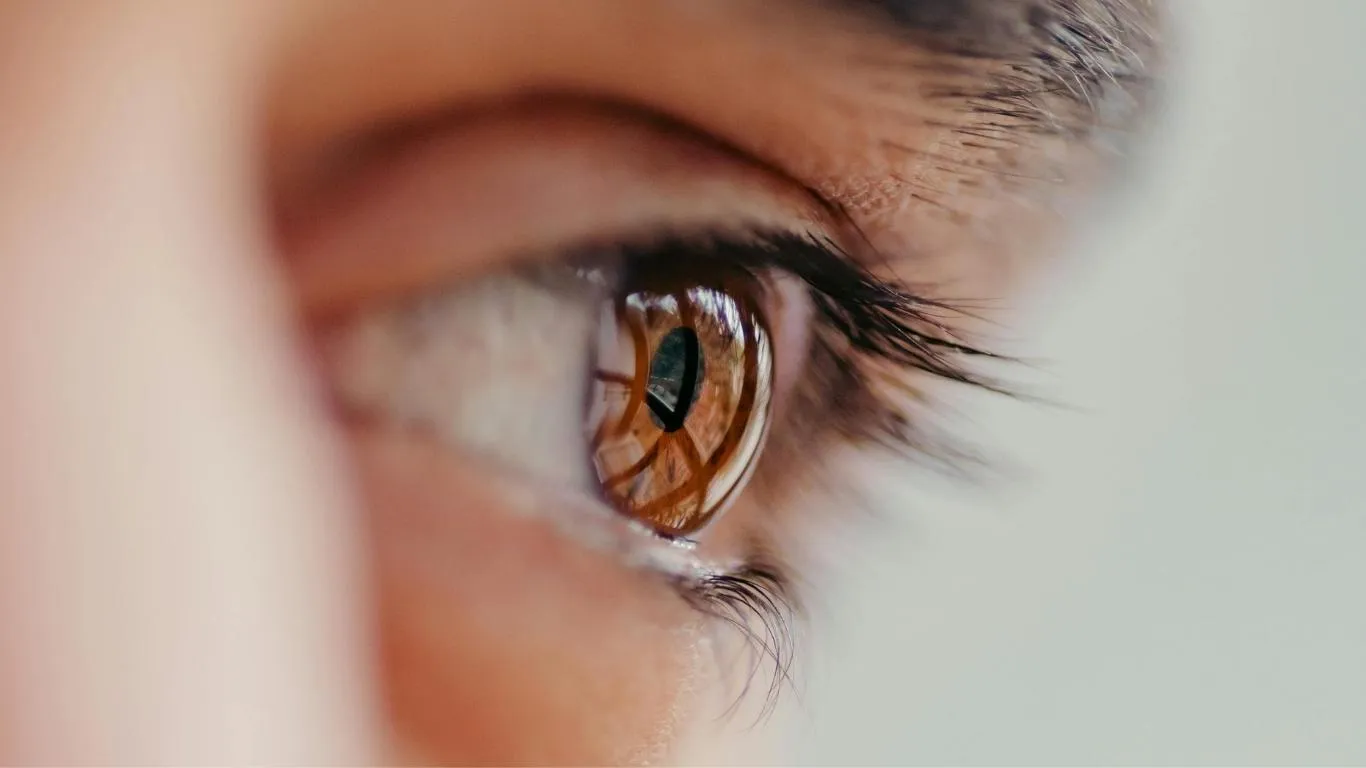
Not all floaters mean retinal holes, and not all retinal holes come with floaters. That’s what makes it so tricky. They can also be linked to:
- Uveitis
- Diabetic retinopathy
- Genetic collagen disorders
- Posterior vitreous detachment (PVD)
- Read more on PVD here
It’s critical to get a professional exam instead of guessing or relying on “Dr. Google.” Early detection is everything, especially if there’s a chance to stop a hole from turning into a detachment.
Floaters and Retinal Health After Recovery—What to Expect
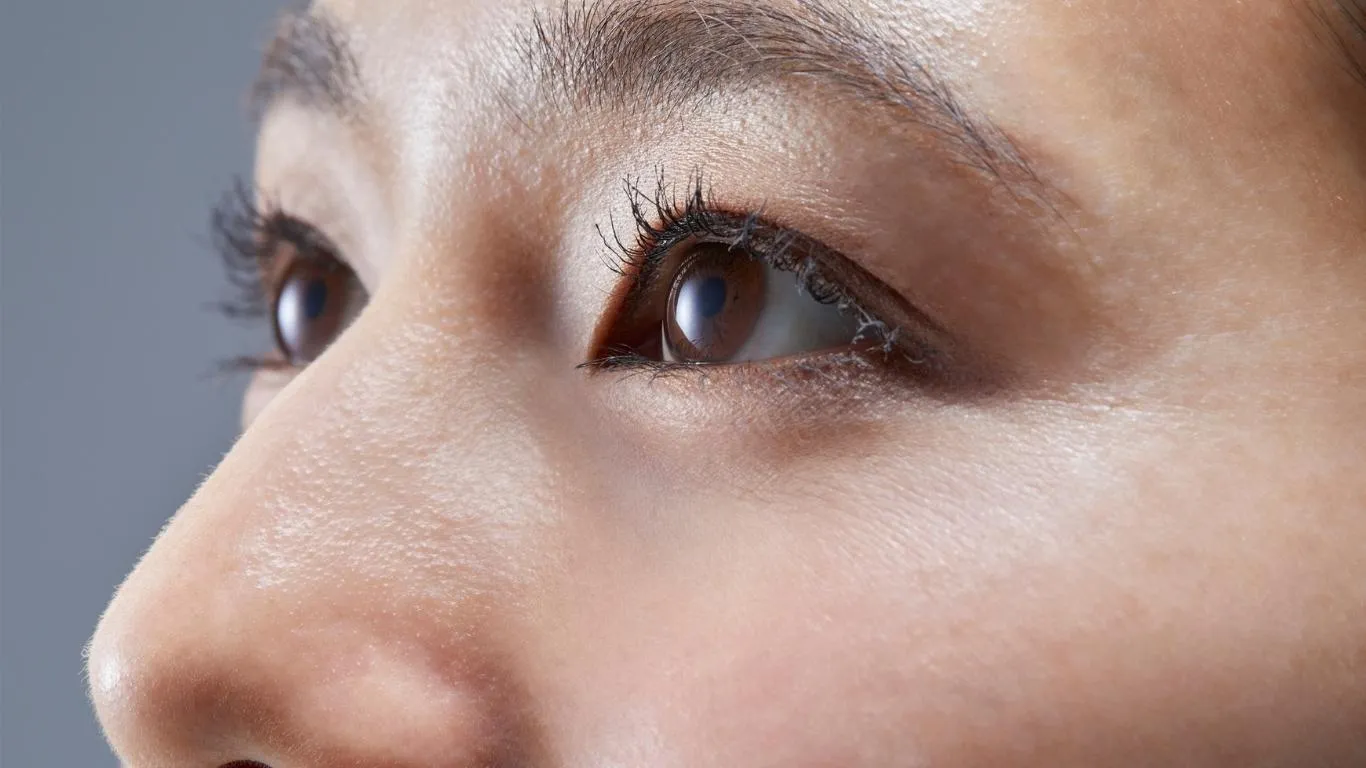
After my laser treatment and multiple follow-ups, I still see a floater here and there—especially in bright light or while looking at screens. But the anxiety that once came with every little shadow has faded, replaced by a solid understanding of what’s going on inside my eyes.
Here’s the truth: once you’ve had a retinal hole, you’re more likely to develop others. That’s not meant to scare you—just prepare you. You become your own best advocate. You know what to watch for. And most importantly, you won’t wait the next time a mysterious speck dances across your vision.
If this sounds familiar, or if you’re worried you may be experiencing early symptoms, start here: common causes of eye floaters.

Camellia Wulansari is a dedicated Medical Assistant at a local clinic and a passionate health writer at Healthusias.com. With years of hands-on experience in patient care and a deep interest in preventive medicine, she bridges the gap between clinical knowledge and accessible health information. Camellia specializes in writing about digestive health, chronic conditions like GERD and hypertension, respiratory issues, and autoimmune diseases, aiming to empower readers with practical, easy-to-understand insights. When she’s not assisting patients or writing, you’ll find her enjoying quiet mornings with coffee and a medical journal in hand—or jamming to her favorite metal band, Lamb of God.