
When to Stop Exercising With Back Pain and Protect Your Spine
Let’s be real—there’s nothing quite as frustrating as finally committing to a workout routine, only to be hit with an unexpected twinge or full-blown ache in your back. I’ve been there. One week into my new “get-fit” phase, crushing some squats, and boom—sharp pain in my lower back that had me crawling into bed with an ice pack. But here’s the thing: back pain and exercise can absolutely coexist… if you know when to stop and when to push through. Knowing *when to stop exercising with back pain* could be the difference between a minor setback and a long-term injury.
Why Exercising with Back Pain Is a Slippery Slope

First off, let’s clear the air—back pain doesn’t automatically mean you should stop moving. In fact, exercise and rehab strategies are often crucial in healing. But knowing the tipping point is key. Back pain is tricky. It can be muscular, nerve-related, postural, or linked to deeper structural issues like herniated discs or spinal stenosis.
If your pain starts mild and improves as you warm up, that’s a green flag. But if it worsens with movement or persists long after your workout, you’re flirting with danger. As someone who’s powered through a few too many “I’ll just stretch it out” moments, trust me—it’s not worth it.
Signs You Should Stop Immediately

Here’s the real deal—there are a few warning signs your body’s screaming “stop!” that you shouldn’t ignore:
- Sharp, stabbing pain that doesn’t ease up with rest.
- Numbness or tingling down one or both legs (hello, possible sciatica).
- Sudden weakness in your limbs.
- Pain that wakes you up at night or worsens when lying down.
These aren’t just inconvenient—they’re red flags. In fact, if you’re dealing with any of the above, it’s time to hit pause and maybe even schedule a medical checkup. Red flag symptoms like these can point to conditions that need professional treatment.
Understanding What’s Causing the Pain

Not all back pain is created equal. Before you even decide whether to keep going or stop, understanding what’s causing the discomfort is a game-changer. For instance:
- Muscular soreness: Generally safe, especially if it’s symmetrical and fades in a day or two.
- Joint pain or stiffness: Possibly linked to spinal alignment or overuse.
- Disc-related pain: Usually deep, centralized, and may worsen when bending forward.
- Sciatica: Pain that radiates down the leg, sometimes all the way to the foot.
If you’re unsure whether your pain is muscular or something more serious, the safest bet is to err on the side of caution. For more insight on underlying causes, check out this breakdown on herniated discs or explore this comprehensive list of causes.
The Myth of “Pushing Through” Pain

Let’s just kill this myth now: “No pain, no gain” does not apply to back pain. I get the motivation hustle, especially in gym culture, but when it comes to your spine, stubbornness can be your worst enemy. Ignoring the signs can lead to prolonged recovery, missed work, and in some cases, surgery. There’s zero glory in that.
Instead, be strategic. Swap out heavy squats with bodyweight exercises, or focus on core stability with low-impact moves. I personally found relief in a combo of light yoga and walking—no CrossFit needed.
Exercises You Might Need to Rethink

Some exercises are notorious for aggravating an already sensitive back. If you’re experiencing discomfort, hit the brakes on these:
- Deadlifts and squats with improper form
- High-impact cardio like running or jump squats
- Leg press machines, which often load the spine
- Twisting moves like Russian twists (especially with weights)
Swap them for safer alternatives: think glute bridges, bird-dogs, planks, or wall sits. If you’re unsure, check out our guide on safe back pain-friendly exercises.
When You Can Keep Going (Safely)
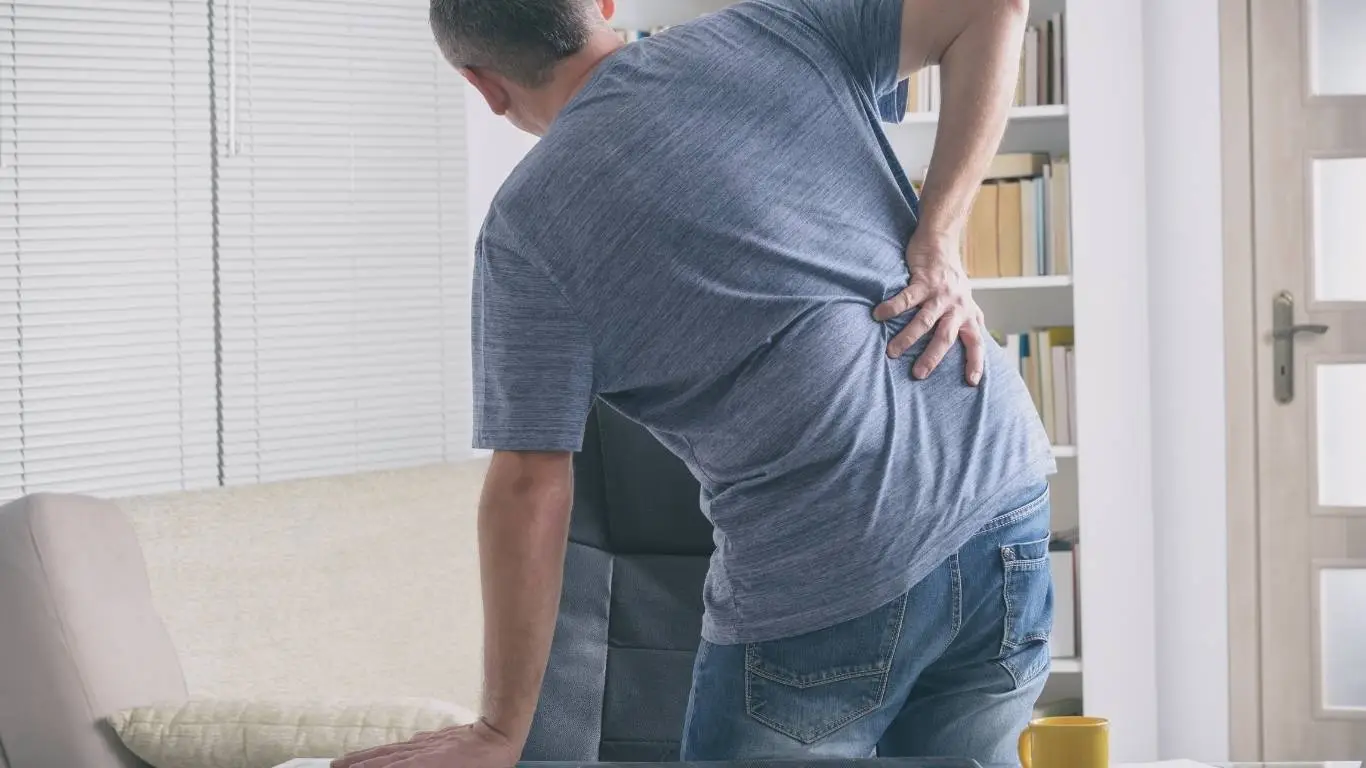
Here’s some good news—you don’t always have to stop completely. In fact, gentle movement can aid recovery. But it needs to be the right kind of movement:
- Walking – Underrated and amazing for spinal health.
- Swimming – Low-impact and therapeutic.
- Modified yoga or Pilates – Builds core strength while respecting your limits.
- Resistance bands – Easier on the joints than heavyweights.
If you’ve been cleared by a healthcare provider and your pain is mild, keep your movements slow and controlled. You might also want to review our tips on swimming for back pain or yoga poses that actually work.
Tap Into Smarter Pain Management

Knowing *when to stop exercising with back pain* also means having a toolbox of strategies for smart recovery. A few personal favorites that helped me bounce back include:
- Foam rolling and stretching daily—especially hamstrings and glutes.
- Anti-inflammatory snacks like turmeric tea and omega-3-rich foods.
- Switching to a standing desk to reduce sitting hours. Game-changer.
Want more natural options? Here’s our curated list of lifestyle and natural back pain remedies. Bonus: many of them improve your long-term health too.
To dig deeper into comprehensive strategies for managing back pain holistically, explore our Back Pain Main Pillar and for exercise-specific rehab and ergonomics, don’t miss the full guide on Exercise, Rehabilitation & Ergonomics.
What to Do Right After You Stop Exercising

So, you’ve listened to your body and decided to pause your workout. Good call. Now what? The next steps are just as crucial as knowing when to stop. First thing’s first—don’t panic. Most back pain isn’t permanent. When I hit my first real setback, I assumed I was doomed to months of bed rest. Not true. But the way you manage those first 24-48 hours matters.
- Apply ice if the pain is acute or due to strain—especially within the first 48 hours.
- Switch to heat therapy after the inflammation has calmed—usually after day two.
- Stay lightly mobile. Bed rest feels tempting, but gentle movement can reduce stiffness.
This is the stage where your body needs the right environment to heal. For me, a combination of walking laps around my apartment, a lumbar cushion, and nightly turmeric lattes worked wonders. And no, that’s not a wellness cliché—it genuinely helped with inflammation.
How Long Should You Rest Before Returning?

Let’s talk timelines. I know it’s tempting to bounce back fast, but recovery is not a race. The golden rule? Don’t return to your regular workout routine until:
- You can move pain-free through your daily activities
- You’ve regained your range of motion without discomfort
- You’re not relying on painkillers to get through the day
For some, this might be a few days. For others, a couple of weeks. And if your back’s giving you recurring grief, you might need to scale back for the long haul. I had to completely rethink how I used weights—lowering reps and swapping out barbells for resistance bands—and my back has thanked me ever since.
When It’s Time to Call a Professional

If you’ve stopped working out and the pain still sticks around, don’t guess—get help. I learned this lesson the hard way, delaying a visit for weeks only to find out I had a mild disc bulge. Early intervention could’ve saved me a lot of trouble.
Here are signs you need expert input:
- Persistent pain lasting more than a week
- Pain that radiates down one or both legs
- Numbness, weakness, or tingling
- Difficulty controlling your bladder or bowels (seek immediate care)
These symptoms could point to serious issues like lumbar radiculopathy or even spinal tumors in rare cases. It’s not about being dramatic—it’s about being proactive. Many back pain issues are far easier to manage when caught early.
Back-Friendly Workouts You Can Do Instead
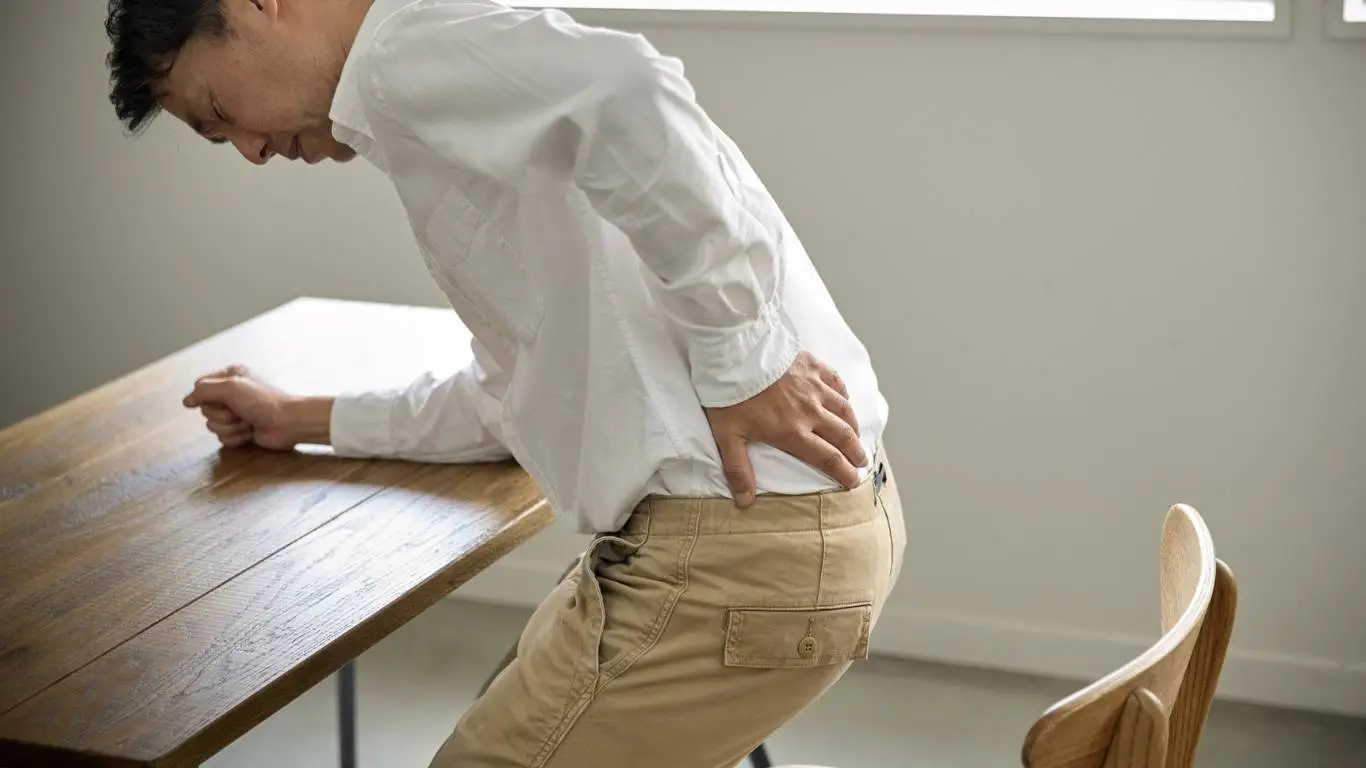
Okay, let’s say you’ve rested, recovered, and are ready to get moving again—but safely. Here’s the good news: you don’t have to ditch fitness altogether. In fact, there are plenty of workouts that support spinal health and keep you strong.
Core Stabilization
Forget crunches. The goal is to build endurance in your deep core muscles—the ones that support your spine naturally. Try:
- Modified planks (on knees or forearms)
- Bird-dogs (extend opposite arm and leg while maintaining a flat back)
- Dead bugs (lie on your back and move arms/legs with a braced core)
Mobility and Flexibility
Back pain often stems from stiffness in the hips, hamstrings, and lower spine. Loosening these areas can work wonders. Focus on:
- Cat-cow stretches
- Child’s pose
- Hip flexor lunges
- Hamstring stretches (with a band or towel)
Want a full list of stretches? Try these best stretches for back pain.
Low-Impact Cardio
Staying active doesn’t mean pounding the pavement. Consider:
- Elliptical machine
- Stationary bike (with good lumbar support)
- Brisk walking on a flat surface
It’s also worth exploring Pilates routines designed for core and back health—seriously, game changer. My physical therapist introduced me to a 20-minute routine that I now swear by on recovery days.
Make These Long-Term Changes (Your Spine Will Thank You)

If you’ve had a back pain scare, don’t just go back to business as usual. Consider it a wake-up call. Small, daily changes can have a huge cumulative impact:
- Upgrade your workspace. Seriously, even a basic ergonomic chair or lumbar pillow can make a difference. For ideas, check out ergonomic chair recommendations.
- Improve sleep posture. A good mattress and side-sleeping with a pillow between your knees can work wonders. Our guide to back-friendly sleep positions has all the details.
- Stay consistent with mobility work. I now treat stretching like brushing my teeth—non-negotiable.
And of course, never underestimate how much your day-to-day habits affect your spine. Even your shoes can matter—flat feet are a sneaky back pain culprit. Learn more in this deep dive on flat feet and back pain.
Where to Learn More and Level Up Your Recovery

If you’re dealing with back pain and want to prevent future setbacks, education is your best friend. I highly recommend starting with Healthusias’ main guide to back pain to understand how interconnected everything is—from posture to inflammation to mental stress. If you’re focused on recovery through movement, don’t miss the dedicated section on exercise rehab and ergonomics.
Also, check out external resources from organizations like CDC, NINDS, and Spine-health for even more professional insights into managing and preventing back pain long-term.

Camellia Wulansari is a dedicated Medical Assistant at a local clinic and a passionate health writer at Healthusias.com. With years of hands-on experience in patient care and a deep interest in preventive medicine, she bridges the gap between clinical knowledge and accessible health information. Camellia specializes in writing about digestive health, chronic conditions like GERD and hypertension, respiratory issues, and autoimmune diseases, aiming to empower readers with practical, easy-to-understand insights. When she’s not assisting patients or writing, you’ll find her enjoying quiet mornings with coffee and a medical journal in hand—or jamming to her favorite metal band, Lamb of God.